Hubbry Logo
Jack ParsonsJack ParsonsMain
Open search
Jack Parsons
Community hub
Jack Parsons
logo
23 pages, 0 posts
0 subscribers
Be the first to start a discussion here.
Jack Parsons
Jack Parsons
from Wikipedia

Key Information

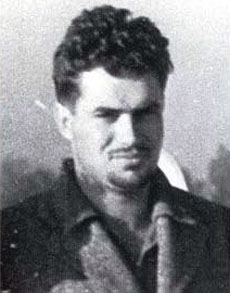
John Whiteside Parsons (born Marvel Whiteside Parsons;[nb 1] October 2, 1914 – June 17, 1952) was an American rocket engineer, chemist, and Thelemite occultist. Parsons was one of the principal founders of both the Jet Propulsion Laboratory (JPL) and Aerojet. He invented the first rocket engine to use a castable, composite rocket propellant,[1] and pioneered the advancement of both liquid-fuel and solid-fuel rockets.

Parsons was raised in Pasadena, California. He began amateur rocket experiments with school friend Edward Forman in 1928. Parsons was admitted to Stanford University but left before graduating due to financial hardship during the Great Depression. In 1934, Parsons, Forman, and Frank Malina formed the Caltech-affiliated Guggenheim Aeronautical Laboratory (GALCIT) Rocket Research Group, with support by GALCIT chairman Theodore von Kármán. The group worked on Jet-Assisted Take Off (JATO) for the U.S. military, and founded Aerojet in 1942 to develop and sell JATO technology during World War II. The GALCIT Rocket Research Group became JPL in 1943.

In 1939, Parsons converted to Thelema, a religious movement founded by English occultist Aleister Crowley. Parsons and his first wife, Helen Northrup, joined Crowley's Ordo Templi Orientis (O.T.O.); he became the California O.T.O. branch leader in 1942. Historians of Western esotericism cite him as a prominent figure in propagating Thelema in North America. Parsons was dismissed from JPL and Aerojet in 1944, due to his involvement with O.T.O. and his hazardous laboratory practices. In 1945, he and Helen divorced. In 1946, he married Marjorie Cameron. Shortly afterward, L. Ron Hubbard defrauded Parsons of his life savings.

Parsons worked as an explosives expert during the late 1940s, but his career in rocketry ended due to accusations of espionage and the increasing trend of McCarthyism. Parsons died at the age of 37 in a home laboratory explosion in 1952; his death was officially ruled an accident but many of his associates suspected suicide or murder.[2] Although publicly unknown during his lifetime, Parsons is now recognized for his innovations in rocket engineering, advocacy of space exploration and human spaceflight, and as an important figure in the history of the U.S. space program. He has been the subject of several biographies and fictionalized portrayals.

Biography

[edit]

Early life: 1914–1934

[edit]

Marvel Whiteside Parsons was born on October 2, 1914, at the Good Samaritan Hospital in Los Angeles.[3] His parents, Ruth Virginia Whiteside (c. 1893–1952) and Marvel H. Parsons (c. 1894–1947), had moved to California from Massachusetts the previous year, purchasing a house on Scarff Street in downtown Los Angeles. Their son was his father's namesake, but was known in the household as Jack.[4] The marriage broke down soon after Jack's birth, when Ruth discovered that her husband was sexually involved with a prostitute. Ruth filed for divorce in March 1915. Jack's father returned to Massachusetts after being exposed as an adulterer, with Ruth forbidding him from having any contact with his infant son.[5] Marvel Parsons later joined the U.S. Armed Forces, reaching the rank of major, and married a woman with whom he had a son, Charles, a half-brother Jack only met once.[6] Although she retained her ex-husband's surname, Ruth started calling her son John, but many friends throughout his life knew him as Jack.[7]

Ruth's parents—Walter and Carrie Whiteside—moved to California to be with Jack and their daughter, purchasing an upscale house on Orange Grove Boulevard in Pasadena—known locally as "Millionaire's Mile"—where they could live together.[8] Jack was surrounded by domestic servants.[9] Having few friends, he lived a solitary childhood and spent much time reading; he took a particular interest in works of mythology, Arthurian legend, and the Arabian Nights.[9] Through the works of Jules Verne he became interested in science fiction and a keen reader of pulp magazines like Amazing Stories, which led to his early interest in rocketry.[9][10]

At age 12, Parsons began attending Washington Junior High School, where he performed poorly—which biographer George Pendle attributed to undiagnosed dyslexia—and was bullied for his upper-class status and perceived effeminacy.[11] Although unpopular, he formed a strong friendship with Edward Forman, a boy from a poor working-class family who defended him from bullies and shared his interest in science fiction and rocketry. In 1928 the pair—adopting the Latin motto per aspera ad astra (through hardship to the stars)—began engaging in homemade gunpowder-based rocket experiments in the nearby Arroyo Seco canyon, as well as the Parsons family's back garden, which left it pockmarked with craters from explosive test failures. They incorporated commonly available fireworks such as cherry bombs into their rockets, and Parsons suggested using glue as a binding agent to increase the rocket fuel's stability. This research became more complex when they began using materials such as aluminium foil to make the gunpowder easier to cast.[11][12][13] Parsons had also begun to investigate occultism, and performed a ritual intended to invoke the Devil into his bedroom; he worried that the invocation was successful and was frightened into ceasing these activities.[14] In 1929, he began attending John Muir High School, where he maintained an insular friendship with Forman and was a keen participant in fencing and archery. After he received poor school results, Parsons's mother sent him away to study at the Brown Military Academy for Boys, a private boarding school in San Diego, but he was expelled for blowing up the toilets.[15]

The Parsons family spent mid-1929 touring Europe before returning to Pasadena, where they moved into a house on San Rafael Avenue. With the onset of the Great Depression their fortune began to dwindle, and in July 1931 Jack's grandfather Walter died.[16] Parsons began studying at the privately run University School, a liberal institution that took an unconventional approach to teaching. He flourished academically, becoming editor of the school newspaper, El Universitano, and winning an award for literary excellence; teachers who had trained at the nearby California Institute of Technology (Caltech) guided his attention to the study of chemistry.[17] With the family's financial difficulties deepening, Parsons began working on weekends and school holidays at the Hercules Powder Company, where he learned more about explosives and their potential use in rocket propulsion.[18] He and Forman continued to independently explore the subject in their spare time, building and testing different rockets, sometimes with materials that Parsons had stolen from work. Parsons soon constructed a solid-fuel rocket engine.

Parsons graduated from University School in 1933, and moved with his mother and grandmother to a more modest house on St. John Avenue, where he continued to pursue his interests in literature and poetry.[19] He enrolled in Pasadena Junior College with the hope of earning an associate degree in physics and chemistry, but dropped out after one term because of his financial situation and took up permanent employment at the Hercules Powder Company.[20] His employers then sent him to work at their manufacturing plant in Hercules, California on the San Francisco Bay, where he earned a relatively high monthly wage of $100; he was plagued by headaches caused by exposure to nitroglycerin. He saved money in hopes of continuing his academic studies and began a degree in chemistry at Stanford University, but found the tuition unaffordable and returned to Pasadena.[21]

GALCIT Rocket Research Group and the Kynette trial: 1934–1938

[edit]
Parsons (dark vest) and GALCIT colleagues in the Arroyo Seco, Halloween 1936. JPL marks this experiment as its foundation.[22][23]

In hopes of gaining access to the state-of-the-art resources of Caltech for their rocketry research, Parsons and Forman attended a lecture on the work of Austrian rocket engineer Eugen Sänger and hypothetical above-stratospheric aircraft by the institute's William Bollay—a PhD student specializing in rocket-powered aircraft—and approached him to express their interest in designing a liquid-fuel rocket motor.[24][25] Bollay redirected them to another PhD student, Frank Malina, a mathematician and mechanical engineer writing a thesis on rocket propulsion who shared their interests and soon befriended them.[26] Parsons, Forman, and Malina applied for funding from Caltech together; they did not mention that their ultimate objective was to develop rockets for space exploration, realizing that most of the scientific establishment then considered such ideas science fiction.[27] Caltech's Clark Blanchard Millikan immediately rebuffed them, but Malina's doctoral advisor Theodore von Kármán saw more promise in their proposal and agreed to allow them to operate under the auspices of the university's Guggenheim Aeronautical Laboratory (GALCIT).[28] Naming themselves the GALCIT Rocket Research Group, they gained access to Caltech's specialist equipment, though the economics of the Great Depression left von Kármán unable to finance them.[29]

The trio focused their distinct skills on collaborative rocket development; Parsons was the chemist, Forman the machinist, and Malina the technical theoretician. Malina wrote in 1968 that the self-educated Parsons "lacked the discipline of a formal higher education, [but] had an uninhibited and fruitful imagination."[30] Parsons and Forman who, as described by Geoffrey A. Landis, "were eager to try whatever idea happened to spring to mind", contrasted with Malina, who insisted on scientific discipline as informed by von Kármán. Landis writes that their creativity "kept Malina focused toward building actual rocket engines, not just solving equations on paper".[31] Sharing socialist values, they operated on an egalitarian basis; Malina taught the others about scientific procedure and they taught him about the practical elements of rocketry. They often socialized, smoking marijuana and drinking, while Malina and Parsons set about writing a semiautobiographical science fiction screenplay they planned to pitch to Hollywood with strong anti-capitalist and pacifist themes.[32]

GALCIT Group members in the Arroyo Seco, November 1936. Left foreground to right: Rudolph Schott, Amo Smith, Frank Malina, Ed Forman, and Jack Parsons.

Parsons met Helen Northrup at a local church dance and proposed marriage in July 1934. She accepted and they were married in April 1935 at the Little Church of the Flowers in Forest Lawn Memorial Park, Glendale, before undertaking a brief honeymoon in San Diego.[33] They moved into a house on South Terrace Drive, Pasadena, while Parsons got a job at the explosives manufacturer Halifax Powder Company's facility in Saugus. Much to Helen's dismay, Parsons spent most of his wages funding the GALCIT Rocket Research Group.[34] For extra money, he manufactured nitroglycerin in their home, constructing a laboratory on their front porch. At one point, he pawned Helen's engagement ring, and he often asked her family for loans.[35]

Malina recounted that "Parsons and Forman were not too pleased with an austere program that did not include at least the launching of model rockets",[30] but the Group reached the consensus of developing a working static rocket motor before embarking on more complex research. They contacted liquid-fuel rocket pioneer Robert H. Goddard and he invited Malina to his facility in Roswell, New Mexico, but he was not interested in cooperating—reticent about sharing his research and having been subjected to widespread derision for his work in rocketry.[36] They were instead joined by Caltech graduate students Apollo M. O. "Amo" Smith, Carlos C. Wood, Mark Muir Mills, Fred S. Miller, William C. Rockefeller, and Rudolph Schott; Schott's pickup truck transported their equipment.[37] Their first liquid-fuel motor test took place near the Devil's Gate Dam in the Arroyo Seco on Halloween 1936.[38][39] Parsons's biographer John Carter described the layout of the contraption as showing

oxygen flowing from one side, with methyl alcohol (the fuel) and nitrogen flowing from the other side. Water cooled the rocket during the burn. Thrust pulled down a spring which measured force. The deflection of the spring measured the force applied to it. A small diamond tip on the apparatus scratched a glass plate to mark the furthest point of deflection. The rocket and mount were protected by sandbags, with the tanks (and the experimenters) well away from it.[40]

Three attempts to fire the rocket failed; on the fourth the oxygen line accidentally ignited and perilously billowed fire at the Group, but they viewed this experience as formative.[41] They continued their experiments throughout the last quarter of 1936; after the final test was successfully completed in January 1937 von Kármán agreed that they could perform future experiments at an exclusive rocket testing facility on campus.[42][43][44]

Parsons in 1938, holding the replica car bomb used in the murder trial of police officer Captain Earl Kynette

In April 1937, Caltech mathematician Qian Xuesen joined the Group. Several months later, Weld Arnold, a Caltech laboratory assistant who worked as the Group's official photographer, also joined. The main reason for Arnold's appointment to this position was his provision of a donation to the Group on behalf of an anonymous benefactor.[45] They became well known on campus as the "Suicide Squad" for the dangerous nature of some of their experiments and attracted attention from the local press.[46] Parsons himself gained further media publicity when he appeared as an expert explosives witness in the trial of Captain Earl Kynette, the head of police intelligence in Los Angeles who was accused of conspiring to set a car bomb in the attempted murder of private investigator Harry Raymond, a former LAPD detective who was fired after whistleblowing against police corruption. When Kynette was convicted largely on Parsons' testimony, which included his forensic reconstruction of the car bomb and its explosion, his identity as an expert scientist in the public eye was established despite his lack of a university education.[47][48] While working at Caltech, Parsons was admitted to evening courses in chemistry at the University of Southern California (USC), but distracted by his GALCIT workload he attended sporadically and received unexceptional grades.[49]

By early 1938, the Group had made their static rocket motor, which originally burned for three seconds, run for over a minute.[50][51] In May that year, Parsons was invited by Forrest J Ackerman to lecture on his rocketry work at Chapter Number 4 of the Los Angeles Science Fiction League (LASFL). Although he never joined the society, he occasionally attended their talks, on one occasion conversing with a teenage Ray Bradbury.[52] Another scientist to become involved in the GALCIT project was Sidney Weinbaum, a Jewish refugee from Europe who was a vocal Marxist; he led Parsons, Malina, and Qian in their creation of a largely secretive communist discussion group at Caltech, which became known as Professional Unit 122 of the Pasadena Communist Party. Although Parsons subscribed to the People's Daily World and joined the American Civil Liberties Union (ACLU), he refused to join the American Communist Party, causing a break in his and Weinbaum's friendship.[53] This, coupled with the need to focus on paid employment, led to the disintegration of much of the Rocket Research Group, leaving only its three founding members by late 1938.[54]

Embracing Thelema; advancing JATO and foundation of Aerojet: 1939–1942

[edit]
Aleister Crowley (pictured in 1912), founder of Thelema, was Parsons' spiritual mentor.
Grady McMurtry was recruited into O.T.O. by Parsons.

In January 1939, John and Frances Baxter, a brother and sister who had befriended Jack and Helen Parsons, took Jack to the Church of Thelema on Winona Boulevard, Hollywood, where he witnessed the performance of The Gnostic Mass. Celebrants of the church had included Hollywood actor John Carradine and gay rights activist Harry Hay. Parsons was intrigued, having already heard of Thelema's founder and Outer Head of Ordo Templi Orientis (O.T.O.), Aleister Crowley, after reading a copy of Crowley's text Konx om Pax (1907).[55]

Parsons was introduced to leading members Regina Kahl, Jane Wolfe, and Wilfred Talbot Smith at the mass. Feeling both "repulsion and attraction" for Smith, Parsons continued to sporadically attend the Church's events for a year.[56] He continued to read Crowley's works, which increasingly interested him, and encouraged Helen to read them.[57] Parsons came to believe in the reality of Thelemic magick as a force that could be explained through quantum physics.[57] He tried to interest his friends and acquaintances in Thelema, taking science fiction writers Jack Williamson and Cleve Cartmill to a performance of The Gnostic Mass. Although they were unimpressed, Parsons was more successful with Grady Louis McMurtry, a young Caltech student he had befriended, as well as McMurtry's fiancée Claire Palmer, and Helen's sister Sara "Betty" Northrup.[58]

Jack and Helen were initiated into the Agape Lodge, the renamed Church of Thelema, in February 1941. Parsons adopted the Thelemic motto of Thelema Obtenteum Proedero Amoris Nuptiae, a Latin mistranslation of "The establishment of Thelema through the rituals of love". The initials of this motto spelled out T.O.P.A.N., also serving as the declaration "To Pan".[59] Commenting on Parsons' errors of translation, in jest Crowley said that "the motto which you mention is couched in a language beyond my powers of understanding".[60] Parsons also adopted the Thelemic title Frater T.O.P.A.N—with T.O.P.A.N represented in Kabbalistic numerology as 210—the name with which he frequently signed letters to occult associates—while Helen became known as Soror Grimaud.[61] Smith wrote to Crowley saying that Parsons was "a really excellent man ... He has an excellent mind and much better intellect than myself ... JP is going to be very valuable".[62] Wolfe wrote to German O.T.O. representative Karl Germer that Parsons was "an A1 man ... Crowleyesque in attainment as a matter of fact", and mooted Parsons as a potential successor to Crowley as Outer Head of the Order.[63] Crowley concurred with such assessments, informing Smith that Parsons "is the most valued member of the whole Order, with no exception!"[60]

At von Kármán's suggestion, Frank Malina approached the National Academy of Sciences (NAS) Committee on Army Air Corps Research to request funding for research into what they referred to as "jet propulsion", a term chosen to avoid the stigma attached to rocketry. The military were interested in jet propulsion as a means of getting aircraft quickly airborne where there was insufficient room for a full-length runway, and gave the Rocket Research Group $1,000 to put together a proposal on the feasibility of Jet-Assisted Take Off (JATO) by June 1939, making Parsons et al. the first U.S. government-sanctioned rocket research group. Since their formation in 1934, they had also performed experiments involving model, black powder motor-propelled multistage rockets. In a research paper submitted to the American Institute of Aeronautics and Astronautics (AIAA), Parsons reported these rockets reaching exhaust velocities of 4,875 miles per hour, thereby demonstrating the potential of solid fuels to be more effective than the liquid types primarily preferred by researchers such as Goddard. In light of this progress, Caltech and the GALCIT Group received an additional $10,000 rocketry research grant from the AIAA.[64]

Although a quarter of their funding went to repairing damage to Caltech buildings caused by their experiments, in June 1940 they submitted a report to the NAS in which they showed the feasibility of the project for the development of JATO and requested $100,000 to continue; they received $22,000.[65] Now known as GALCIT Project Number 1, they continued to be ostracized by other Caltech scientists who grew increasingly irritated by their accidents and noise pollution, and were forced to relocate their experiments back to the Arroyo Seco, at a site with unventilated, corrugated iron sheds that served as both research facilities and administrative offices. It was here that JPL would be founded.[66] Parsons and Forman's rocket experiments were the cover story of the August 1940 edition of Popular Mechanics, in which the pair discussed the prospect of rockets being able to ascend above Earth's atmosphere and orbit around it for research purposes, as well as reaching the Moon.[67]

The GALCIT JATO engineering team during the solid propellant tests in January 1940. Parsons is visible cropped out on the extreme left alongside Clark Blanchard Millikan, Martin Summerfield, Theodore von Kármán, Frank Malina and pilot, Captain Homer Boushey.

For the JATO project, they were joined by Caltech mathematician Martin Summerfield and 18 workers supplied by the Works Progress Administration. Former colleagues like Qian were prevented from returning to the project by the Federal Bureau of Investigation (FBI), who ensured the secrecy of the operation and restricted the involvement of foreign nationals and political extremists.[68] The FBI was satisfied that Parsons was not a Marxist but were concerned when Thelemite friend Paul Seckler used Parsons' gun in a drunken car hijacking, for which Seckler was imprisoned in San Quentin State Prison for two years. Englishman George Emerson replaced Arnold as the Group's official photographer.[69]

The Group's aim was to find a replacement for black-powder rocket motors—units consisting of charcoal, sulfur and potassium nitrate with a binding agent. The mixture was unstable and there were frequent explosions damaging military aircraft.[70] The solid JATO fuel invented by Parsons consisted of amide, corn starch, and ammonium nitrate bound together in the JATO unit with glue and blotting paper. It was codenamed GALCIT-27, implying the previous invention of 26 new fuels. The first JATO tests using an ERCO Ercoupe plane took place in late July 1941; though they aided propulsion, the units frequently exploded and damaged the aircraft. Parsons theorized that this was because the ammonium nitrate became dangerously combustible following overnight storage, during which temperature and consistency changes had resulted in a chemical imbalance. Parsons and Malina accordingly devised a method in which they would fill the JATOs with the fuel in the early mornings shortly before the tests, enduring sleep deprivation to do so. On August 21, 1941, Navy Captain Homer J. Boushey, Jr.—watched by Clark Millikan and William F. Durand—piloted the JATO-equipped Ercoupe at March Air Force Base in Moreno Valley, California. It proved a success and reduced takeoff distance by 30%, but one of the JATOs partially exploded.[71] Over the following weeks 62 further tests took place, and the NAS increased their grant to $125,000. During a series of static experiments, an exploding JATO did significant damage to the rear fuselage of an Ercoupe; one observer optimistically noted that "at least it wasn't a big hole", but necessary repairs delayed their efforts.[72]

The military ordered a flight test using liquid rather than solid fuel in early 1942. Upon the United States' entry into the Second World War in December 1941, the Group realized they could be drafted directly into military service if they failed to provide viable JATO technology for the military. Informed by their left-wing politics, aiding the war effort against Nazi Germany and the Axis powers was as much of a moral vocation to Parsons, Forman and Malina as it was a practical one. Parsons, Summerfield and the GALCIT workers focused on the task and found success with a combination of gasoline with red fuming nitric acid as its oxidizer; the latter, suggested by Parsons, was an effective substitute for liquid oxygen.[70][73] The testing of this fuel resulted in another calamity, when the testing rocket motor exploded; the fire, containing iron shed fragments and shrapnel, inexplicably left the experimenters unscathed. Malina solved the problem by replacing the gasoline with aniline, resulting in a successful test launch of a JATO-equipped A-20A plane at the Muroc Auxiliary Air Field in the Mojave Desert. It provided five times more thrust than GALCIT-27, and again reduced takeoff distance by 30%; Malina wrote to his parents that "We now have something that really works and we should be able to help give the Fascists hell!"[74]

Take-off on August 12, 1941, of America's first "rocket-assisted" fixed-wing aircraft, an ERCO Ercoupe fitted with a GALCIT developed solid propellant JATO booster
GALCIT Project Number 1 during the JATO experiments (date as above). From left to right: Fred S. Miller, Jack Parsons, Ed Forman, Frank Malina, Captain Homer Boushey, Private Kobe (first initial unknown), and Corporal R. Hamilton.

The Group then agreed to produce and sell 60 JATO engines to the United States Army Air Corps. To do so they formed the Aerojet Engineering Corporation in March 1942, in which Parsons, Forman, Malina, von Kármán, and Summerfield each invested $250, opening their offices on Colorado Boulevard and bringing in Amo Smith as their engineer. Andrew G. Haley was recruited by von Kármán as their lawyer and treasurer. Although Aerojet was a for-profit operation that provided technology for military means, the founders' mentality was rooted in the ideal of using rockets for peaceful space exploration. As Haley recounted von Kármán requesting: "we will make the rockets—you must make the corporation and obtain the money. Later on you will have to see that we all behave well in outer space."[75]

Despite these successes, Parsons, the project engineer of Aerojet's Solid Fuel Department, remained motivated to address the malfunctions observed during the Ercoupe tests. In June 1942, assisted by Mills and Miller, he focused his attention on developing an effective method of restricted burning when using solid rocket fuel, as the military demanded JATOs that could provide over 100 pounds of thrust without any risk of exploding. Although solid fuels such as GALCIT-27 were more storable than their liquid counterparts, they were disfavored for military JATO use as they provided less immediate thrust and did not have the versatility of being turned on and off mid-flight. Parsons tried to resolve GALCIT-27's stability issue with GALCIT-46, which replaced the former's ammonium nitrate with guanidine nitrate. To avoid the problems seen with ammonium nitrate, he had GALCIT-46 cooled and then heated prior to testing. When it failed the test, he realized that the fuel's binding black powders rather than the oxidizers had resulted in their instability, and in June that year had the idea of using liquid asphalt as an appropriate binding agent with potassium perchlorate as oxidizer.[38]

Malina recounted that Parsons was inspired to use asphalt by the ancient incendiary weapon Greek fire; in a 1982 talk for the International Association of Astronomical Artists Captain Boushey stated that Parsons experienced an epiphany after watching workers using molten asphalt to fix tiles onto a roof. Known as GALCIT-53, this fuel proved to be significantly more stable than the Group's earlier concoctions, fulfilling Parsons' aim of creating a restricted-burn rocket fuel inside a castable container, and providing a thrust 427% more powerful than that of GALCIT-27. This set a precedent which according to his biographer John Carter "changed the future of rocket technology": the thermoplastic asphalt casting was durable in all climates, allowing for mass production and indefinite storage and transforming solid-fuel agents into a safe and viable form of rocket propulsion. Plasticized variants of Parsons' solid-fuel design invented by JPL's Charles Bartley were later used by NASA in Space Shuttle Solid Rocket Boosters and by the Strategic Air Command in Polaris, Poseidon and Minuteman intercontinental ballistic missiles.[38][1][76]

Foundation of JPL and leading the Agape Lodge: 1942–1944

[edit]
Solid-fuel JATO unit manufactured by Aerojet at the National Air and Space Museum

Aerojet's first two contracts were from the U.S. Navy; the Bureau of Aeronautics requested a solid-fuel JATO and Wilbur Wright Field requested a liquid-fuel unit. The Air Corps had requested two thousand JATOs from Aerojet by late 1943, committing $256,000 toward Parsons' solid-fuel type. Despite this drastically increased turnover, the company continued to operate informally and remained intertwined with the GALCIT project. Caltech astronomer Fritz Zwicky was brought in as head of the company's research department. Haley replaced von Kármán as Aerojet chairman and imposed payroll cuts instead of reducing JATO output; the alternative was to cut staff numbers while maintaining more generous salaries, but Haley's priority was Aerojet's contribution to the war effort. Company heads including Parsons were exempted from this austerity, drawing the ire of many personnel.[77][78]

Parsons' newfound credentials and financial security gave him the opportunity to travel more widely throughout the U.S. as an ambassador for Aerojet, meeting with other rocket enthusiasts. In New York he met with Karl Germer, the head of O.T.O. in North America and in Washington, D.C. he met Poet Laureate Joseph Auslander, donating some of Crowley's poetry books to the Library of Congress.[79] He also became a regular at the Mañana Literary Society, which met in Laurel Canyon at the home of Parsons' friend Robert A. Heinlein and included science fiction writers including Cleve Cartmill, Jack Williamson, and Anthony Boucher. Among Parsons' favorite works of fiction was Williamson's Darker Than You Think, a novelette published in the fantasy magazine Unknown in 1940, which inspired his later occult workings. Boucher used Parsons as a partial basis for the character of Hugo Chantrelle in his murder mystery Rocket to the Morgue (1942).[80]

Helen went away for a period in June 1941, during which Parsons, encouraged to do so by the sexually permissive attitude of O.T.O., began a sexual relationship with her 17-year-old sister, Sara. Upon Helen's return, Sara asserted that she was Parsons' new wife, and Parsons himself admitted that he found Sara more sexually attractive than Helen.[81] Conflicted in her feelings, Helen sought comfort in Wilfred Talbot Smith and began a relationship with him that lasted for the rest of his life; the four remained friends.[82] The two couples, along with a number of other Thelemites (some of whom with their children), moved to 1003 South Orange Grove Boulevard, an American Craftsman-style mansion. They all contributed to the rent of $100 a month and lived communally in what replaced Winona Boulevard as the new base of the Agape Lodge, maintaining an allotment and slaughtering their own livestock for meat as well as blood rituals.[83] Parsons decorated his new room with a copy of the Stele of Revealing, a statue of Pan, and his collection of swords and daggers. He converted the garage and laundry room into a chemical laboratory and often held science fiction discussion meetings in the kitchen, and entertained the children with hunts for fairies in the 25-acre garden.[84]

I hight Don Quixote, I live on Peyote,
marihuana, morphine and cocaine.
I never knew sadness but only a madness
that burns at the heart and brain,

—Excerpt from an untitled poem published in Parsons' ill-fated Oriflamme journal[85]

Although there were arguments among the commune members, Parsons remained dedicated to Thelema. He gave almost all of his salary to O.T.O. while actively seeking out new members—recruiting JPL mathematician Barbara Canright—and financially supported Crowley in London through Germer.[86][87] Parsons' enthusiasm for the Lodge quickly began to impact on his professional life. He frequently appeared at Aerojet hungover and sleep-deprived from late nights of Lodge activities, and invited many of his colleagues to them, drawing the ire of staff who previously tolerated Parsons' occultism as harmless eccentricity; known to von Kármán as a "delightful screwball", he was frequently observed reciting Crowley's poem "Hymn to Pan" in an ecstatic manner compared to the preaching of Billy Graham during rocket tests—and on request at parties to their great amusement. They disapproved of his hesitancy to separate his vocations; Parsons became more rigorously engaged in Aerojet's day-to-day business in an effort to resolve this wariness, but the Agape Lodge soon came under investigation by both the Pasadena Police Department and the FBI. Both had received allegations of a "black magic cult" involved in sexual orgies; one complainant was a 16-year-old boy who said that he was raped by lodge members, while neighbors reported a ritual involving a naked pregnant woman jumping through fire. After Parsons explained that the Lodge was simply "an organization dedicated to religious and philosophical speculation", neither agency found evidence of illegal activity and came to the conclusion that the Lodge constituted no threat to national security.[88] Having been a long-term heavy user of alcohol and marijuana, Parsons now habitually used cocaine, amphetamines, peyote, mescaline, and opiates as well.[89][51] He continued to have sexual relations with multiple women, including McMurtry's fiancée Claire. When Parsons paid for her to have an abortion, McMurtry was angered and their friendship broke down.[90]

The JPL Arroyo Seco site in February 1942

Crowley and Germer wanted to see Smith removed as head of the Agape Lodge, believing that he had become a bad influence on its members. Parsons and Helen wrote to them to defend their mentor but Germer ordered him to stand down; Parsons was appointed as temporary head of the Lodge.[91] Some veteran Lodge members disliked Parsons' influence, concerned that it encouraged excessive sexual polyandry that was religiously detrimental, but his charismatic orations at Lodge meetings assured his popularity among the majority of followers. Parsons soon created the Thelemite journal Oriflamme, in which he published his own poetry, but Crowley was unimpressed—particularly due to Parsons' descriptions of drug use—and the project was soon shelved.[92] Helen gave birth to Smith's son in April; the child was named Kwen Lanval Parsons.[93] Smith and Helen left with Kwen for a two-room cabin in Rainbow Valley in May.[94] Concurrently in England, Crowley undertook an astrological analysis of Smith's birth chart and came to the conclusion that Smith was the incarnation of a god, greatly altering his estimation of him. Smith remained skeptical as Crowley's analysis was seemingly deliberately devised in Parsons' favor, encouraging Smith to step down from his role in the Agape Lodge and instructing him to take a meditative retreat.[95] Refusing to take orders from Germer any more, Smith resigned from O.T.O. Parsons—who remained sympathetic and friendly to Smith during the conflict and was weary of Crowley's "appalling egotism, bad taste, bad judgement, and pedanticism"—ceased lodge activities and resigned as its head, but withdrew his resignation after receiving a pacifying letter from Crowley.[96]

Parsons standing above a JATO canister at JPL June 1943

By mid-1943, Aerojet was operating on a budget of $650,000. The same year Parsons and von Kármán traveled to Norfolk, Virginia on the invitation of Secretary of the Navy Frank Knox to consult on a new JATO contract for the U.S. Navy. Though JATOs were being mass-produced for military applications, JATO-propelled aircraft could not "keep up" with larger, bomber planes taking off from long aircraft carrier runways—which made Aerojet's industry at risk of becoming defunct.[97] Parsons demonstrated the efficacy of the newer JATOs to solve this issue by equipping a Grumman plane with solid-fuel units; its assisted takeoff from the USS Charger was successful, but produced smoke containing a noxious, yellow-colored residue. The Navy guaranteed Parsons a contract on the condition that this residue was removed; this led to the invention of Aeroplex, a technology for smokeless vapor trails developed at Aerojet by Parsons.[98]

As the U.S. became aware that Nazi Germany had developed the V-2 rocket, the military—following recommendations from von Kármán based upon research using British intelligence—placed a renewed impetus on its own rocket research, reinstating Qian to the GALCIT project. They gave the Group a $3 million grant to develop rocket-based weapons, and the Group was expanded and renamed the Jet Propulsion Laboratory (JPL).[99] By this point the Navy were ordering 20,000 JATOs a month from Aerojet, and in December 1944 Haley negotiated for the company to sell 51% of its stock to the General Tire and Rubber Company to cope with the increased demand. Aerojet's Caltech-linked employees—including Zwicky, Malina and Summerfield—would only agree to the sale on the condition that Parsons and Forman were removed from the company, viewing their occult activities as disreputable. JPL historian Erik M. Conway also attributes Parsons' expulsion to more practical concerns: he "still wanted to work in the same way as he'd done in his backyard, instinctive and without regard for safety".[70] Parsons and Forman were unfazed, informing Haley of their prediction that the rocket industry would become obsolete in the postwar age and seeing more financial incentive in starting a chain of laundromats. Haley persuaded them to sell their stock, resulting in Parsons leaving the company with $11,000.[100] With this money he bought the lease to 1003, which had come to be known as "the Parsonage" after him.[101]

L. Ron Hubbard and the Babalon Working: 1945–1946

[edit]
Parsons befriended L. Ron Hubbard.

Now disassociated from JPL and Aerojet, Parsons and Forman founded the Ad Astra Engineering Company, under which Parsons founded the chemical manufacturing Vulcan Powder Company.[102] Ad Astra was subject to an FBI investigation under suspicion of espionage when security agents from the Manhattan Project discovered that Parsons and Forman had procured a chemical used in a top secret project for a material known only as x-metal, but they were later acquitted of any wrongdoing.[103]

Parsons continued to financially support Smith and Helen, although he asked for a divorce from her and ignored Crowley's commands by welcoming Smith back to the Parsonage when his retreat was finished.[104] Parsons continued to hold O.T.O. activities at the Parsonage but began renting rooms at the house to non-Thelemites, including journalist Nieson Himmel, Manhattan Project physicist Robert Cornog, and science fiction artist Louis Goldstone.[105] Parsons attracted controversy in Pasadena for his preferred clientele. As Parsonage resident Alva Rogers recalled: "In the ads placed in the local paper Jack specified that only bohemians, artists, musicians, atheists, anarchists, or any other exotic types need to apply for rooms—any mundane soul would be unceremoniously rejected".[106]

Science fiction writer and U.S. Navy officer L. Ron Hubbard soon moved into the Parsonage; he and Parsons became close friends. Parsons wrote to Crowley that although Hubbard had "no formal training in Magick he has an extraordinary amount of experience and understanding in the field. From some of his experiences I deduce he is in direct touch with some higher intelligence, possibly his Guardian Angel. ... He is the most Thelemic person I have ever met and is in complete accord with our own principles."[107]

Parsons and Sara were in an open relationship encouraged by O.T.O.'s polyamorous sexual ethics, and she became enamored with Hubbard; Parsons, despite attempting to repress his passions, became intensely jealous.[108] Motivated to find a new partner through occult means, Parsons began to devote his energies to conducting black magic, causing concern among fellow O.T.O. members who believed that he was invoking troublesome spirits into the Parsonage; Jane Wolfe wrote to Crowley that "our own Jack is enamored with Witchcraft, the houmfort, voodoo. From the start he always wanted to evoke something—no matter what, I am inclined to think, as long as he got a result."[This quote needs a citation] He told the residents that he was imbuing statues in the house with a magical energy in order to sell them to fellow occultists.[109]

Parsons reported paranormal events in the house resulting from the rituals; including poltergeist activity, sightings of orbs and ghostly apparitions, alchemical (sylphic) effect on the weather, and disembodied voices. Pendle suggested that Parsons was particularly susceptible to these interpretations and attributed the voices to a prank by Hubbard and Sara.[109] One ritual allegedly brought screaming banshees to the windows of the Parsonage, an incident that disturbed Forman for the rest of his life.[110] In December 1945, Parsons began a series of rituals based on Enochian magic during which he masturbated onto magical tablets, accompanied by Sergei Prokofiev's Second Violin Concerto. Describing this magical operation as the Babalon Working, he hoped to bring about the incarnation of Thelemite goddess Babalon onto Earth. He allowed Hubbard to take part as his "scribe", believing that he was particularly sensitive to detecting magical phenomena.[111] As described by Richard Metzger, "Parsons jerked off in the name of spiritual advancement" while Hubbard "scanned the astral plane for signs and visions."[112]

Their final ritual took place in the Mojave Desert in late February 1946, during which Parsons abruptly decided that his undertaking was complete. On returning to the Parsonage, he discovered that Marjorie Cameron—an unemployed illustrator and former Navy WAVE—had come to visit. Believing her to be the "elemental" woman and manifestation of Babalon that he had invoked, in early March Parsons began performing sex magic rituals with Cameron, who acted as his "Scarlet Woman", while Hubbard continued to participate as the amanuensis. Unlike the rest of the household, Cameron knew nothing at first of Parsons' magical intentions: "I didn't know anything about O.T.O., I didn't know that they had invoked me, I didn't know anything, but the whole house knew it. Everybody was watching to see what was going on."[113] Despite this ignorance and her skepticism about Parsons' magic, Cameron reported her sighting of a UFO to Parsons, who secretly recorded the sighting as a materialization of Babalon.[114]

Inspired by Crowley's novel Moonchild (1917), Parsons and Hubbard aimed to magically fertilize a "magical child" through Immaculate Conception, which when born to a woman somewhere on Earth nine months following the working's completion would become the Thelemic messiah embodying Babalon.[115][116] To quote Metzger, the purpose of the Babalon Working was "a daring attempt to shatter the boundaries of space and time" facilitating, according to Parsons, the emergence of Thelema's Æon of Horus.[112] When Cameron departed for a trip to New York, Parsons retreated to the desert, where he believed that a preternatural entity psychographically provided him with Liber 49, which represented a fourth part of Crowley's The Book of the Law, the primary sacred text of Thelema, as well as part of a new sacred text he called the Book of Babalon.[117] Crowley was bewildered and concerned by the endeavor, complaining to Germer of being "fairly frantic when I contemplate the idiocy of these louts!" Believing the Babalon Working was accomplished, Parsons sold the Parsonage to developers for $25,000 under the condition that he and Cameron could continue to live in the coach house, and he appointed Roy Leffingwell to head the Agape Lodge, which would now have to meet elsewhere for its rituals.[118]

Parsons co-founded a company called Allied Enterprises with Hubbard and Sara, into which Parsons invested his life savings of $20,970. Hubbard suggested that with this money they travel to Miami to purchase three yachts, which they would then sail through the Panama Canal to the West Coast, where they could sell them on for a profit. Parsons agreed, but many of his friends thought it was a bad idea. Hubbard had secretly requested permission from the U.S. Navy to sail to China and South and Central America on a mission to "collect writing material"; his real plans were for a world cruise. Left "flat broke" by this defrauding, Parsons was incensed when he discovered that Hubbard and Sara had left for Miami with $10,000 of the money; he suspected a scam but was placated by a telephone call from Hubbard and agreed to remain business partners.[citation needed]

When Crowley, in a telegram to Germer, dismissed Parsons as a "weak fool" and victim to Hubbard and Sara's obvious confidence trick, Parsons changed his mind, flew to Miami and placed a temporary injunction and restraining order on them. Upon tracking them down to a harbor in County Causeway, Parsons discovered that the couple had purchased three yachts as planned; they tried to flee aboard one but hit a squall and were forced to return to port. Parsons was convinced that he had brought them to shore through a lesser banishing ritual of the pentagram containing an astrological, geomantic invocation of Bartzabel—a vengeful spirit of Mars. Allied Enterprises was dissolved and in a court settlement Hubbard was required to promise to reimburse Parsons. Parsons was discouraged from taking further action by Sara, who threatened to report him for statutory rape since their sexual relationship took place when she was under California's age of consent of 18. Parsons was ultimately compensated with only $2,900. Hubbard, already married to Margaret Grubb, bigamously married Sara and went on to found Dianetics and Scientology.[119]

The Sunday Times published an article about Hubbard's involvement with O.T.O. and Parsons' occult activities in December 1969. In response, the Church of Scientology released an unsubstantiated press statement which said that Hubbard had been sent as an undercover agent by the U.S. Navy to intercept and destroy Parsons' "black magic cult", and save Sara from its influence. The Church also stated that Robert A. Heinlein was the clandestine Navy operative who "sent in" Hubbard to undertake this operation.[120] Returning to California, Parsons completed the sale of the Parsonage, which was then demolished, and resigned from O.T.O. He wrote in his letter to Crowley that he did not believe that "as an autocratic organization, [the O.T.O.] constitutes a true and proper medium for the expression and attainment" of Thelema.[121]

Loss of FBI clearance, Red Scare Marxist and espionage accusations and acquittal: 1946–1952

[edit]
Parsons worked on developing the SM-64 Navaho missile (pictured launching in 1957).

Parsons was employed by North American Aviation at Inglewood, where he worked on the Navaho Missile Program.[122] He and Cameron moved into a house in Manhattan Beach, where he instructed her in occultism and esotericism.[123] When Cameron developed catalepsy, Parsons referred her to Sylvan Muldoon's books on astral projection, suggesting that she could manipulate her seizures to accomplish it.[124] They were married on October 19, 1946, four days after his divorce from Helen was finalized, with Forman as their witness.[125] Parsons continued to be seen as a specialist in rocketry; he acted as an expert consultant in numerous industrial tribunals and police and Army Ordnance investigations regarding explosions. In May 1947, Parsons gave a talk at the Pacific Rocket Society in which he predicted that rockets would take humans to the Moon.[126] Although he had become distant from the now largely defunct O.T.O. and had sold much of his Crowleyan library, he continued to correspond with Crowley until the latter's death in December 1947.[127]

At the emergence of the Cold War, a Red Scare developed in the U.S. as the Congressional House Un-American Activities Committee began investigating and obstructing the careers of people with perceived communist sympathies. Many of Parsons' former colleagues lost their security clearances and jobs as a result, and eventually the FBI stripped Parsons of his clearance because of his "subversive" character, including his involvement in and advocacy of "sexual perversion" in O.T.O. He speculated in a June 1949 letter to Germer that his clearance was revoked in response to his public dissemination of Crowley's Liber OZ, a 1941 tract summarizing the individualist moral principles of Thelema. Declassified FBI documents later revealed that the FBI's primary concern was Parsons' former connections to Marxists at Caltech and his membership of the also "subversive" ACLU. When they interviewed Parsons, he denied communist sympathies but informed them of Sidney Weinbaum's "extreme communist views" and Frank Malina's involvement in Weinbaum's communist cell at Caltech, which resulted in Weinbaum's arrest for perjury since he had lied under oath by denying any involvement in communist groups. Malina's security clearance was withdrawn as well.[128] In reaction to this hostile treatment, Parsons sought work in the rocket industry abroad. He sought advice to do so in correspondence with von Kármán; whose advice he followed by enrolling in an evening course in advanced mathematics at USC to bolster his employability in the field—but again he neglected attendance and failed the course.[129] Parsons again resorted to bootlegging nitroglycerin for money, and managed to earn a wage as a car mechanic, a manual laborer at a gas station, and a hospital orderly; for two years he was also a faculty member at the USC Department of Pharmacology.[130] Relations between Parsons and Cameron became strained; they agreed to a temporary separation and she moved to Mexico to join an artists' commune in San Miguel de Allende.[131]

Unable to pursue his scientific career, without his wife and devoid of friendship, Parsons decided to return to occultism and embarked on sexually based magical operations with prostitutes. He was intent, informally following the ritualistic practice of Thelemite organization the A∴A∴, on performing "the Crossing of the Abyss", attaining union with the universal consciousness, or "All" as understood in the context of the Great Work, and becoming the "Master of the Temple".[132] Following his apparent success in doing so, Parsons recounted having an out-of-body experience invoked by Babalon, who astrally transported him to the biblical City of Chorazin, an experience he referred to as a "Black Pilgrimage". Accompanying Parsons' "Oath of the Abyss" was his own "Oath of the AntiChrist", which was witnessed by Wilfred Talbot Smith. In this oath, Parsons professed to embody an entity named Belarion Armillus Al Dajjal, the Antichrist "who am come to fulfill the law of the Beast 666 [Aleister Crowley]".[132] Viewing these oaths as the completion of the Babalon Working, Parsons wrote an illeist autobiography titled Analysis by a Master of the Temple and an occult text titled The Book of AntiChrist. In the latter work, Parsons (writing as Belarion) prophesied that within nine years Babalon would manifest on Earth and supersede the dominance of the Abrahamic religions.[133]

During this period, Parsons also wrote an essay on his individualist philosophy and politics—which he described as standing for "liberalism and liberal principles"—titled "Freedom is a Two-Edged Sword", in which he condemned the authoritarianism, censorship, corruption, antisexualism and racism he saw as prevalent in American society.[132] None of these works were published in his lifetime. Through Heinlein, Parsons received a visit from writer L. Sprague de Camp, with whom he discussed magic and science fiction, and disclosed that Hubbard had sent a letter offering him Sara back. De Camp later referred to Parsons as "An authentic mad genius if I ever met one", and based the character Courtney James on him in his time travel short story "A Gun for Dinosaur" (1956). Parsons was also visited by Jane Wolfe, who unsuccessfully appealed for him to rejoin the dilapidated O.T.O. He entered a brief relationship with an Irishwoman named Gladis Gohan; they moved to a house in Redondo Beach, a building known by them as the "Concrete Castle".[134][127] Cameron returned to Redondo Beach from San Miguel de Allende and violently argued with Parsons upon discovering his infidelity, before she again left for Mexico. Parsons responded by initiating divorce proceedings against her on the grounds of "extreme cruelty".[135]

November 1950 FBI synopsis of espionage allegations against Parsons

Parsons testified to a closed federal court that the moral philosophy of Thelema was both anti-fascist and anti-communist, emphasizing his belief in individualism. This along with references from his scientific colleagues resulted in his security clearance being reinstated by the Industrial Employment Review Board, which ruled that there was insufficient evidence that he had ever had communist sympathies. This allowed Parsons to obtain a contract in designing and constructing a chemical plant for the Hughes Aircraft Company in Culver City.[136] Von Kármán put Parsons in touch with Herbert T. Rosenfeld, President of the Southern Californian chapter of the American Technion Society—a Zionist group dedicated to supporting the newly created State of Israel. Rosenfeld offered Parsons a job with the Israeli rocket program and hired him to produce technical reports for them.[137] In November 1950, as the Red Scare intensified, Parsons decided to migrate to Israel to pursue Rosenfeld's offer, but a Hughes secretary whom Parsons had asked to type up a portfolio of technical documents reported him to the FBI. She accused Parsons of espionage and attempted theft of classified company documents on the basis of some of the reports that he had sought to submit to the Technion Society.[138]

Parsons was immediately fired from Hughes; the FBI investigated the complaint and were suspicious that Parsons was spying for the Israeli government. Parsons denied the allegations when interrogated; he insisted that his intentions were peaceful and that he had suffered an error of judgment in procuring the documents. Some of Parsons' scientific colleagues rallied to his defense, but the case against him worsened when the FBI investigated Rosenfeld for being linked to Soviet agents, and more accounts of his occult and sexually permissive activities at the Parsonage came to light. In October 1951, the U.S. attorney decided that because the contents of the reports did not constitute state secrets, Parsons was not guilty of espionage.[138][139]

The Review Board still considered Parsons a liability because of his historical Marxist affiliations and investigations by the FBI, and in January 1952 they permanently reinstated their ban on his working for classified projects, effectively prohibiting him from working in rocketry.[140] To make a living he founded the Parsons Chemical Manufacturing Company, which was based in North Hollywood and created pyrotechnics and explosives such as fog effects and imitation gunshot wounds for the film industry, and he also returned to chemical manufacturing at the Bermite Powder Company in Saugus.[141][142]

Dark Angel, a painting by Marjorie Cameron portraying Parsons as the "Angel of Death"[143]

Parsons reconciled with Cameron, and they resumed their relationship and moved into a former coach house on Orange Grove Boulevard. Parsons converted its large, first-floor laundry room into a home laboratory to work on his chemical and pyrotechnic projects, homebrew absinthe and stockpile his materials.[144] They let out the upstairs bedrooms and began holding parties that were attended largely by bohemians and members of the Beat Generation, along with old friends including Forman, Malina and Cornog. They also congregated at the home of Andrew Haley, who lived on the same street. Though Parsons in his mid-thirties was a "prewar relic" to the younger attendees, the raucous socials often lasted until dawn and frequently attracted police attention.[145] Parsons also founded a new Thelemite group known as "the Witchcraft", whose beliefs revolved around a simplified version of Crowley's Thelema and Parsons' own Babalon prophecies. He offered a course in its teachings for a ten-dollar fee, which included a new Thelemic belief system called "the Gnosis", a version of Christian Gnosticism with Sophia as its godhead and the Christian God as its demiurge. He also collaborated with Cameron on Songs for the Witch Woman, a collection of poems which she illustrated that was published in 2014.[146][147]

Death: 1952

[edit]

Parsons and Cameron decided to travel to Mexico for a few months, both for a vacation and for Parsons to take up a job opportunity establishing an explosives factory for the Mexican government. They hoped that this would facilitate a move to Israel, where they could start a family, and where Parsons could bypass the U.S. government to recommence his rocketry career. He was particularly disturbed by the presence of the FBI, convinced that they were spying on him.[148]

On June 17, 1952, a day before their planned departure, Parsons received a rush order of explosives for a film set and began to work on it in his home laboratory.[149] An explosion destroyed the lower part of the building, during which Parsons sustained mortal wounds. His right forearm was severed, his legs and left arm were broken, and a hole was torn in the right side of his face.[150] Despite these critical injuries, Parsons was found conscious by the upstairs lodgers. He tried to communicate with the arriving ambulance workers, who rushed him to the Huntington Memorial Hospital, where he was declared dead approximately thirty-seven minutes after the explosion.[150] When his mother, Ruth, learned of his death, she immediately took a fatal overdose of barbiturates.[151][48]

Pasadena Police Department criminologist Don Harding led the official investigation; he concluded that Parsons had been mixing fulminate of mercury in a coffee can when he dropped it on the floor, causing an initial explosion that triggered a larger blast among other chemicals in the room.[152] Forman considered this likely, stating that Parsons often had sweaty hands and could easily have dropped the can.[153] Some of Parsons' colleagues rejected this explanation, saying that he was very attentive about safety. Two colleagues from the Bermite Powder Company described Parsons' work habits as "scrupulously neat" and "exceptionally cautious". The latter statement—from chemical engineer George Santymers—insisted that the explosion must have come from beneath the floorboards, implying an organized plot to kill Parsons. Harding accepted that these inconsistencies were "incongruous" but described the manner in which Parsons had stored his chemicals as "criminally negligent", and noted that Parsons had previously been investigated by the police for illegally storing chemicals at the Parsonage. He also found a morphine-filled syringe at the scene, suggesting that Parsons had been under the influence of narcotics. The police saw insufficient evidence to continue the investigation and closed the case as an accidental death.[154]

John W. Parsons, handsome 37-year-old rocket scientist killed Tuesday in a chemical explosion, was one of the founders of a weird semi-religious cult that flourished here about 10 years ago ... Old police reports yesterday pictured the former Caltech professor as a man who led a double existence—a down-to-earth explosives expert who dabbled in intellectual necromancy. Possibly he was trying to reconcile fundamental human urges with the inhuman, Buck Rogers type of innovations that sprang from his test tubes.

—Parsons' obituary in the June 19, 1952 edition of The Pasadena Independent[155]

Both Wolfe and Smith suggested that Parsons' death had been suicide, stating that he had suffered from depression for some time. Others theorized that the explosion was an assassination planned by Howard Hughes in response to Parsons' suspected theft of Hughes Aircraft Company documents.[156] Cameron became convinced that Parsons had been murdered — either by police officers seeking vengeance for his role in the conviction of Earl Kynette or by anti-Zionists opposed to his work for Israel.[157] One of Cameron's friends, the artist Renate Druks, later stated her belief that Parsons had died in a rite designed to create a homunculus.[158] His death has never been definitively explained.[159]

The immediate aftermath of the explosion attracted the interest of the U.S. media, making headline news in the Los Angeles Times. These initial reports focused on Parsons' prominence in rocketry but neglected to mention his occult interests. When asked for comment, Aerojet secretary-treasurer T.E. Beehan said that Parsons "liked to wander, but he was one of the top men in the field".[160] Within a few days, journalists had discovered his involvement in Thelema and emphasized this in their reports.[160]

A private prayer service was held for Parsons at the funeral home where his body was cremated. Cameron scattered his ashes in the Mojave Desert, before burning most of his possessions.[161] She later tried to perform astral projection to commune with him.[162] O.T.O. also held a memorial service—with attendees including Helen and Sara—at which Smith led the Gnostic Mass.[163]

Personal life

[edit]

Personality

[edit]

Parsons was considered effeminate as a child; in adult life he exhibited an attitude of machismo.[164] Jane Wolfe described him as "potentially bisexual" and he once expressed experiencing a latent homosexuality.[165] The actor Paul Mathison said he had had a gay relationship with Parsons in the 1950s, though this was disputed by others who knew him and Cameron.[166] Parsons had the reputation of being a womanizer, and was notorious for frequently flirting and having sexual liaisons with female staff members at JPL and Aerojet.[167][168] He was also known for personal eccentricity such as greeting house guests with a large pet snake around his neck, driving to work in a rundown Pontiac, and using a mannequin dressed in a tuxedo with a bucket labelled "The Resident" as his mailbox.[28][169]

As well as a fencing and archery enthusiast, Parsons was also a keen shooter; he often hunted jack rabbits and cotton tails in the desert, and was amused by mock dueling with Forman while on test sites with rifles and shotguns. Upon proposing to his first wife Helen, he gave her a pistol.[28][164][170] Parsons enjoyed playing pranks on his colleagues, often through detonating explosives such as firecrackers and smoke bombs,[171] and was known to spend hours at a time in the bathtub playing with toy boats while living at the Parsonage.[172]

As well as intense bursts of creativity, Parsons suffered from what he described as "manic hysteria and depressing melancholy".[173] His father Marvel, after suffering a near-fatal heart attack, died in 1947 as a psychiatric patient at St. Elizabeths Hospital in Washington, D.C., diagnosed with severe clinical depression, a condition Pendle suggested the younger Parsons inherited.[174]

Professional associations

[edit]

Parsons' obituary listed him as a member of the Army Ordnance Association, the American Institute of Aeronautics and Astronautics, the American Chemical Society, the American Association for the Advancement of Science, and—despite his lack of an academic degree—the Sigma Xi fraternity. It also stated that he had turned down several honorary degrees.[175]

Philosophy

[edit]

Religious beliefs

[edit]

[Parsons] treated magic and rocketry as different sides of the same coin: both had been disparaged, both derided as impossible, but because of this both presented themselves as challenges to be conquered. Rocketry postulated that we should no longer see ourselves as creatures chained to the earth but as beings capable of exploring the universe.

Similarly, magic suggested there were unseen metaphysical worlds that existed and could be explored with the right knowledge. Both rocketry and magic were rebellions against the very limits of human existence; in striving for one challenge he could not help but strive for the other.

—George Pendle[176]

Parsons adhered to the occult philosophy of Thelema, which had been founded in 1904 by the English occultist Aleister Crowley following a spiritual revelation that he had in Cairo, Egypt, when—according to Crowley's accounts—a spirit being known as Aiwass dictated to him a prophetic text known as The Book of the Law.[177] Prior to becoming aware of Thelema and Crowley, Parsons' interest in esotericism was developed through his reading of The Golden Bough (1890), a work in comparative mythology by Scottish social anthropologist James George Frazer.[55] Parsons had also attended lectures on Theosophy by philosopher Jiddu Krishnamurti with his first wife Helen, but disliked the belief system's sentiment of "the good and the true".[178] During rocket tests, Parsons often recited Crowley's poem "Hymn to Pan" as a good luck charm.[168] He took to addressing Crowley as his "Most Beloved Father" and signed off to him as "thy son, John".[179]

In July 1945, Parsons gave a speech to the Agape Lodge, in which he attempted to explain how he felt that The Book of the Law could be made relevant to "modern life". In this speech, which was subsequently published under the title of "Doing Your Will", he examined the Thelemite concept of True Will, writing that:

The mainspring of an individual is his creative Will. This Will is the sum of his tendencies, his destiny, his inner truth. It is one with the force that makes the birds sing and flowers bloom; as inevitable as gravity, as implicit as a bowel movement, it informs alike atoms and men and suns.

To the man who knows this Will, there is no why or why not, no can or cannot; he is!

There is no known force that can turn an apple into an alley cat; there is no known force that can turn a man from his Will. This is the triumph of genius; that, surviving the centuries, enlightens the world.

This force burns in every man.[180]

Parsons identified four obstacles that prevented humans from achieving and performing their True Will, all of which he connected with fear: the fear of incompetence, the fear of the opinion of others, the fear of hurting others, and the fear of insecurity. He insisted that these must be overcome, writing that "The Will must be freed of its fetters. The ruthless examination and destruction of taboos, complexes, frustrations, dislikes, fears and disgusts hostile to the Will is essential to progress."[181]

Though Parsons was a lifelong devotee to Thelema, he grew weary of and eventually left Ordo Templi Orientis—the religious organization that began propagating Thelema under Crowley's leadership from the 1910s—which Parsons viewed, despite the disagreement of Crowley himself, as excessively hierarchical and impeding upon the rigorous spiritual and philosophical practice of True Will, describing O.T.O. as "an excellent training school for adepts, but hardly an appropriate Order for the manifestation of Thelema". In this sense Parsons was described by Carter as an "almost fundamentalist" Thelemite who placed The Book of the Law's dogma above all other doctrine.[133][182]

Politics

[edit]

[Parsons] had witnessed the blinding overnight successes achieved by the government-by-terror totalitarianism of Stalinist Russia and Nazi Germany. He had the foresight to see that [the United States of] America, once armed with the new powers of total destruction and surveillance that were sure to follow the swelling flood of new technologies, had the potential to become even more repressive unless its founding principles of individual liberty were religiously preserved and its leaders held accountable to them.
Two of the keys to redressing the balance were the freedom of women and an end to the state control of individual sexual expression. He knew that these potent forces, embodied as they are in a majority of the world's population, had the power, once unleashed, to change the world.

William Breeze (Hymenaeus Beta), current Frater Superior of Ordo Templi Orientis[183]

From early on in his career, Parsons took an interest in socialism and communism,[184] views that he shared with his friend Frank Malina.[185] Under the influence of another friend, Sidney Weinbaum, the two joined a communist group in the late 1930s, with Parsons reading Marxist literature, but he remained unconvinced and refused to join the American Communist Party.[53] Malina asserted that this was because Parsons was a "political romantic", whose attitude was more anti-authoritarian than anti-capitalist.[186] Parsons later became critical of the Marxist–Leninist government of the Soviet Union led by Joseph Stalin, sarcastically commenting that

The dictatorship of the proletariat is merely temporary — the state will eventually wither away like a snark hunter, leaving us all free as birds. Meanwhile, it may be necessary to kill, torture and imprison a few million people, but whose fault is it if they get in the way of progress?[187]

During the era of McCarthyism and the Second Red Scare in the early 1950s, Parsons was questioned regarding his former links to the communist movement, by which time he denied any connection to it, instead describing himself as "an individualist" who was both anti-communist and anti-fascist.[188] In reaction to the McCarthyite red-baiting of scientists, he expressed disdain that

[s]cience, that was going to save the world in H. G. Wells' time is regimented, straight-jacked, [and] scared shitless, its universal language diminished to one word, security.[189]

Parsons was politically influenced by Thelema, which holds to the ethical code of "Do what thou wilt". In his essay, "Freedom is a Lonely Star", Parsons equated this principle to the libertarian views of a number of the Founding Fathers of the United States. By his own time, he wrote, these values had been "sold out by America, and for that reason the heart of America is sick and the soul of America is dead."[190] He proceeded to criticize many aspects of contemporary U.S. society, particularly the police force ("[t]he police mind is usually of a sadistic and homicidal trend") and note they carried out the "ruthless punishment of symbolic scapegoats" such as African-Americans, prostitutes, alcoholics, homeless people and sociopolitical radicals, under the pretense of a country that upheld "liberty and justice for all."[191]

To bring about a freer future, Parsons believed in liberalizing attitudes to sexual morality stating that, in his belief, the publication of the Kinsey Reports and development of the psychonautical sciences had as significant an influence on Western society as the creation of the atomic bomb and the development of nuclear physics. He believed that in the future the restrictions on sexual morality within society should be abolished in order to bring about greater freedom and individuality. Parsons concluded that

the liberty of the individual is the foundation of civilization. No true civilization is possible without this liberty and no state, national or international, is stable in its absence. The proper relation between individual liberty on the one hand and social responsibility on the other is the balance which will assure a stable society. The only other road to social equilibrium demands the total annihilation of individuality. There is not further evasion of nature's immemorial ultimatum: change or perish but the choice of change is ours.[192]

Jack Cashill, American studies professor at Purdue University, argues that "Although his literary career never got much beyond pamphleteering and an untitled anti-war, anti-capitalist manuscript", Parsons played a significant role—greater than that of Church of Satan founder Anton LaVey—in shaping the Californian counterculture of the 1960s and beyond through his influence on contemporaries such as Hubbard and Heinlein.[193] Hugh Urban, religious studies professor at Ohio State University, cites Parsons' Witchcraft group as precipitating the neopagan revival of the 1950s.[116][194]

Robert Anton Wilson, a cult writer and occultist known for his works of nonfiction and science fiction, described Parsons' political writings as exemplifying an "ultra-individualist" who exhibited a "genuine sympathy for working people", strongly empathized with feminism and held an antipathy toward patriarchy comparable to that of John Stuart Mill. Wilson argued in this context that Parsons was an influence on the American libertarian and anarchist movements of the 20th century.[195]

Parsons was also supportive of the creation of the State of Israel. He made plans to emigrate there when his military security clearance was revoked.[184]

Legacy and influence

[edit]
The modern logo of the Jet Propulsion Laboratory

In the decades following his death, Parsons was well-remembered among the Western esoteric community; his scientific recognition frequently amounted to a footnote.[196] For instance, English Thelemite Kenneth Grant suggested that Parsons' Babalon Working marked the start of the appearance of flying saucers in the skies, leading to phenomena such as the Roswell UFO incident and Kenneth Arnold UFO sighting.[197] Cameron postulated that the 1952 Washington, D.C. UFO incident was a spiritual reaction to Parsons' death.[162] In 1954 she portrayed Babalon in American Thelemite Kenneth Anger's short film Inauguration of the Pleasure Dome, viewing this cinematic depiction of a Thelemic ritual as aiding the literal invocation of Babalon begun by Parsons' working, and later said that his Book of the AntiChrist prophecies were fulfilled through the manifestation of Babalon in her person.[198][199]

In December 1958, JPL was integrated into the newly established National Aeronautics and Space Administration, having built the Explorer 1 satellite that commenced America's Space Race with the Soviet Union.[200] Aerojet was contracted by NASA to build the main engine of the Apollo Command/Service Module, and the Space Shuttle Orbital Maneuvering System.[70] In a letter to Frank Malina, von Kármán ranked Parsons first in a list of figures he viewed as most important to modern rocketry and the foundation of the American space program.[201] According to Richard Metzger, Wernher von Braun—who was nicknamed "The Father of Rocket Science"—once argued that Parsons was more worthy of this moniker.[112] In October 1968, Malina, a pioneer in sounding rocketry, gave a speech at JPL in which he highlighted Parsons' contribution to the U.S. rocket project, and lamented how it had come to be neglected, crediting him for making "key contributions to the development of storable propellants and of long duration solid propellant agents that play such an important role in American and European space technology."[202]

Parsons is credited for inventions used in rocket technology such as the Space Shuttle.
The Parsons Moon crater

The same month, JPL held an open access event to mark the 32nd anniversary of its foundation—which featured a "nativity scene" of mannequins reconstructing the November 1936 photograph of the GALCIT Group—and erected a monument commemorating their first rocket test on Halloween 1936.[23] Among the aerospace industry, JPL was nicknamed as standing for "Jack Parsons' Laboratory" or "Jack Parsons Lives".[159] The International Astronomical Union decided to name a crater on the far side of the Moon Parsons after him in 1972.[203] JPL later credited him for making "distinctive technical innovations that advanced early efforts" in rocket engineering, with aerospace journalist Craig Covault stating that the work of Parsons, Qian Xuesen and the GALCIT Group "planted the seeds for JPL to become preeminent in space and rocketry."[204][205]

Many of Parsons' writings were posthumously published as Freedom is a Two-Edged Sword in 1989, a compilation co-edited by Cameron and O.T.O. leader Hymenaeus Beta, which incited a resurgence of interest in Parsons within occult and countercultural circles.[206] For example, comic book artist and occultist Alan Moore noted Parsons as a creative influence in a 1998 interview with Clifford Meth.[207] The Cameron-Parsons Foundation was founded as an incorporated company in 2006, with the intention of conserving and promoting Parsons' writings and Cameron's artwork,[208] and in 2014 Fulger Esoterica published Songs for the Witch Woman—a limited edition book of poems by Parsons with illustrations by Cameron, released to coincide with his centenary. An exhibition of the same name was held at the Museum of Contemporary Art, Los Angeles.[147]

In 1999, Feral House published the biography Sex and Rockets: The Occult World of Jack Parsons by John Carter, who opined that Parsons had accomplished more in under five years of research than Robert H. Goddard had in his lifetime, and said that his role in the development of rocket technology had been neglected by historians of science;[201] Carter thought that Parsons' abilities and accomplishments as an occultist had been overestimated and exaggerated among Western esotericists, emphasizing his disowning by Crowley for practicing magic beyond his grade.[209] Feral House republished the work as a new edition in 2004, accompanied with an introduction by Robert Anton Wilson. Wilson believed that Parsons was "the one single individual who contributed the most to rocket science",[210] describing him as being "very strange, very brilliant, very funny, [and] very tormented",[211] and considering it noteworthy that the day of Parsons' birth was the predicted beginning of the apocalypse advocated by Charles Taze Russell, the founder of the Bible Student movement.[212]

In 2005, Weidenfeld & Nicolson published Strange Angel: The Otherworldly Life of Rocket Scientist John Whiteside Parsons by George Pendle, who described Parsons as "the Che Guevara of occultism". Pendle said that although Parsons "would not live to see his dream of space travel come true, he was essential to making it a reality."[213][112] Pendle considered that the cultural stigma attached to Parsons' occultism was the primary cause of his low public profile, noting that "Like many scientific mavericks, Parsons was eventually discarded by the establishment once he had served his purpose." It was this unorthodox mindset, creatively facilitated by his science fiction fandom and "willingness to believe in magic's efficacy", Pendle argued, "that allowed him to break scientific barriers previously thought to be indestructible"—commenting that Parsons "saw both space and magic as ways of exploring these new frontiers—one breaking free from Earth literally and metaphysically."[214][215]

L. Ron Hubbard's role in Parsons' Agape Lodge and the ensuing yacht scam were explored in Russell Miller's 1987 Hubbard biography Bare-faced Messiah. Parsons' involvement in the Agape Lodge was also discussed by Martin P. Starr in his history of the American Thelemite movement, The Unknown God: W.T. Smith and the Thelemites, published by Teitan Press in 2003.[216] The QI Book of the Dead (2004), based on the BBC game show, included a Parsons obituary. Parsons' occult partnership with Hubbard was also mentioned in Alex Gibney's 2015 documentary film Going Clear: Scientology and the Prison of Belief, produced by HBO.[217]

Before his death, Parsons appeared in science fiction writer Anthony Boucher's murder-mystery novel Rocket to the Morgue (1942) under the guise of mad scientist character Hugo Chantrelle.[218] Another fictional character based on Parsons was Courtney James, a wealthy socialite who features in L. Sprague de Camp's 1956 short time travel story A Gun for Dinosaur.[219] In 2005, Pasadena Babalon, a stage play about Parsons written by George D. Morgan and directed by Brian Brophy, premiered at Caltech as a production by its theater Arts Group in 2010, the same year Cellar Door Publishing released Richard Carbonneau and Robin Simon Ng's graphic novel, The Marvel: A Biography of Jack Parsons.[220][221]

Parsons' mythology was incorporated into the narrative of David Lynch's mystery-horror television series Twin Peaks.[222] In 2014, AMC Networks announced plans for a serial television dramatization of Parsons' life,[223] but in 2016 it was reported that the series "will not be going forward."[224] In 2017, the project was adopted as a web television series by CBS All Access. Strange Angel, produced by Mark Heyman and starring Irish actor Jack Reynor as Parsons, premiered in June 2018 and ran for two seasons. Parsons appears as a side character in China Miéville's 2016 fantastical novella, The Last Days of New Paris.[225] In 2018, Parsons was featured in an episode of the Amazon series Lore.

Parsons is the subject of musical tributes by Johan Johannson (Fordlandia, 2008), Six Organs of Admittance (Parsons' Blues, 2012), The Claypool Lennon Delirium (South of Reality, 2019), and Luke Haines and Peter Buck (Beat Poetry for Survivalists, 2020).[226][227][228][229]

Patents

[edit]
  • U.S. patent 2,484,355, Aerojet 1945. Reaction motor with propellant charge mounted in it. Classification: Propellant charge supports.
  • U.S. patent 2,563,265, Aerojet 1943. Rocket motor with solid propellant and propellant charge therefor. Classification: Rocket-engine plants, i.e. plants carrying both fuel and oxidant therefor; Control thereof using semi-solid or pulverulent propellants.
  • U.S. patent 2,573,471, Aerojet 1943 with Frank J. Malina. Reaction motor operable by liquid propellants and method of operating it. Classification: Propellants.
  • U.S. patent 2,693,077, 1944/1950 with Frank J. Malina. Reaction motor operable by liquid propellants and method of operating it. Classification: Propellants.
  • U.S. patent 2,771,739, Aerojet 1953 with Frank J. Malina. Rocket propulsion method. Classification: Propellants.
  • U.S. patent 2,774,214, Aerojet 1954 with Frank J. Malina, 1954. Rocket propulsion method. Classification: Compositions in which the components are separately stored ...
  • U.S. patent 2,783,138, Aerojet 1944. Propellant compositions. Classification: Catalytic reforming characterised by the catalyst used containing platinum group metals or compounds thereof.

See also

[edit]

References

[edit]

Further reading

[edit]
[edit]
Revisions and contributorsEdit on WikipediaRead on Wikipedia
from Grokipedia
John Whiteside Parsons (October 2, 1914 – June 17, 1952), commonly known as Jack Parsons, was an American self-taught chemist and rocket propulsion engineer whose innovations in solid-fuel technology laid foundational groundwork for modern rocketry. As a key member of the Guggenheim Aeronautical Laboratory at the California Institute of Technology (GALCIT) rocket research group, Parsons collaborated with figures like Frank Malina to conduct early static rocket motor tests in the Arroyo Seco, advancing practical applications for jet-assisted takeoff (JATO) units that aided military aircraft during World War II. He developed the first viable castable, composite solid rocket propellant using asphalt and potassium perchlorate, enabling more reliable and scalable rocket engines compared to prior brittle or unstable formulations. This work contributed directly to the formal establishment of the Jet Propulsion Laboratory (JPL) in 1943, where Parsons served as a principal developer before security concerns stemming from his unconventional personal life led to his departure amid investigations by federal authorities. Parallel to his scientific pursuits, Parsons immersed himself in occult practices, embracing Thelema—the esoteric philosophy promulgated by Aleister Crowley—and rising to lead the Agape Lodge of the Ordo Templi Orientis (OTO) in California, where he conducted rituals emphasizing sex magick to invoke spiritual entities like Babalon. His esoteric activities drew scrutiny, including collaborations with L. Ron Hubbard in the controversial "Babalon Working" rituals aimed at manifesting a divine feminine archetype, which strained relations with Crowley's international OTO leadership and fueled perceptions of instability. Parsons' dual life as a pioneering engineer and committed ritualist exemplified a rare fusion of empirical innovation and metaphysical experimentation, though his occult involvements compromised his professional standing in post-war security clearances and contributed to his marginalization from JPL's subsequent successes. He perished in a 1952 home laboratory explosion while handling volatile chemicals, an incident officially deemed accidental but shadowed by speculation of suicide or sabotage given his mounting personal and financial difficulties.

Early Life

Childhood and Formative Influences (1914–1934)

John Whiteside Parsons was born Marvel Whiteside Parsons on October 2, 1914, in , , to Marvel H. Parsons, a salesman, and Ruth Virginia Whiteside Parsons, daughter of a manufacturing family from . The couple had married in 1912 and lost an infant daughter in 1913 before Parsons's birth. The family relocated to the affluent Pasadena area, settling on Orange Grove Avenue—known as Millionaire's Row—where Parsons grew up amid relative privilege supported by his maternal grandparents' wealth from the Whiteside manufacturing business. Parsons's parents separated amid his father's extramarital affairs, with Ruth initiating proceedings by March 1915 on grounds of ; the split was bitter, and Parsons had minimal contact with his father thereafter. To distance her son from his father, Ruth renamed the infant Marvel as John "Jack" Whiteside Parsons, a change he adopted permanently. Raised primarily by his mother with financial and emotional support from his doting grandparents, who relocated to , Parsons experienced a sheltered yet solitary childhood exacerbated by the and his mother's domineering presence. The family toured in mid-1929 before returning to Pasadena, but the onset of the soon eroded their fortunes, compelling Ruth to work as a bookkeeper while Parsons attended local public schools. Formative influences included literature, which provided an escape from isolation and ignited Parsons's fascination with space travel and rocketry; he drew inspiration from authors depicting interstellar adventures and explosive technologies. Parsons displayed early aptitude for chemistry and explosives, conducting unsupervised experiments with and homemade devices in his backyard, often blending boyish curiosity with risky ingenuity. By his teenage years at Pasadena High School, these interests coalesced with peers who shared his pulp-fiction enthusiasms, laying groundwork for collaborative rocketry pursuits, though formal education remained limited as he eschewed university paths initially.

Rocketry Career

Formation of GALCIT Rocket Group and Early Experiments (1934–1938)

In 1935, self-taught John Whiteside "Jack" Parsons, Edward Forman, and Caltech graduate student Frank J. Malina began collaborating on experimental engines in . Parsons, employed in the explosives industry, brought practical knowledge of propellants, while Forman handled fabrication and Malina provided theoretical analysis. Their partnership formed after Parsons and Forman read about Malina's interest in rocketry via a local newspaper article on a related lecture, leading to informal tests of small motors. The trio sought institutional support by approaching , director of the at the (GALCIT). Malina, as a student under von Kármán, proposed rocketry as his graduate thesis topic, securing approval and access to Caltech facilities in 1936. This backing formalized their efforts into the GALCIT Rocket Research Group, though initially an extracurricular endeavor conducted after hours. The group, soon nicknamed the "Suicide Squad" for the inherent dangers of handling volatile fuels and high-pressure tests, focused on overcoming inefficiencies in existing pyrotechnic devices by developing more reliable and propellants suitable for sustained . Early experiments emphasized static firings to measure performance safely. On October 31, 1936, Parsons, Malina, and three assistants successfully ignited a small solid-fuel motor in the remote Arroyo Seco riverbed north of Pasadena, marking the first controlled test under GALCIT auspices and establishing the site for future trials due to its isolation from populated areas. Subsequent tests through 1938 refined formulations, including storable composites that Parsons helped innovate for castability and stability, yielding incremental improvements in burn duration and consistency despite frequent explosions and failures. These efforts laid groundwork for practical rocketry but remained hampered by limited funding and rudimentary instrumentation.

Development of JATO and Founding of Aerojet (1939–1942)

In July 1939, the Guggenheim Aeronautical Laboratory at the California Institute of Technology (GALCIT) secured a $10,000 contract from the U.S. Army Air Corps to initiate Project Number 1, focused on developing jet-assisted takeoff (JATO) units to enhance aircraft performance, particularly for overloaded planes. Jack Parsons, a self-taught chemist within the GALCIT rocketry group, concentrated on solid-propellant formulations, experimenting with mixtures that prioritized stability and controllability over the more volatile liquid fuels pursued by colleagues like Frank Malina. By early 1940, Parsons achieved progress in solid propellant testing, conducting ground firings that demonstrated viable thrust from compositions incorporating asphalt as a binder and potassium perchlorate as an oxidizer. Development accelerated through 1941, with Parsons refining castable solid propellants that addressed earlier issues of inconsistent burning and casing separation. The group produced GALCIT-27 units, small solid-fuel rockets designed for auxiliary thrust. On August 16, 1941, test pilot Captain Homer Boushey achieved the first successful U.S. manned flight, igniting solid-propellant rockets under an monoplane at March Field, , which shortened takeoff distance and validated the technology's potential for military applications. These tests highlighted Parsons' contributions to practical, storable solid-fuel s, contrasting with parallel liquid-propellant efforts that faced ignition challenges. By early 1942, amid escalating wartime demands, the GALCIT team sought commercialization. On March 19, 1942, Parsons, along with , , Edward Forman, Martin Summerfield, and Andrew G. Haley, incorporated Engineering Corporation in to manufacture and sell units, marking the second dedicated rocket company in U.S. history. 's initial focus remained on scaling Parsons' solid-propellant designs, which offered advantages in simplicity and reliability for rapid deployment, though the firm would soon integrate both solid and liquid technologies. Subsequent demonstrations, such as the April 15, 1942, liquid-JATO-assisted takeoff of a Douglas A-20A Havoc bomber, underscored the project's maturation but built on the foundational solid-fuel advancements pioneered by Parsons.

Establishment of JPL and Wartime Contributions (1942–1944)

In 1942, the GALCIT Rocket Research Group, comprising Jack Parsons, Edward Forman, Frank Malina, and supervised by Theodore von Kármán, established the Aerojet Engineering Corporation to commercialize jet-assisted takeoff (JATO) technology for the U.S. military amid World War II demands. This entity focused on producing solid- and liquid-propellant rockets, with Parsons contributing key advancements in castable solid fuels that enabled scalable manufacturing and reliable performance. The GALCIT group's evolution into the (JPL) formalized on November 20, 1943, via a proposal to military authorities for missile development, marking JPL's official inception as a dedicated rocket research facility under Army Ordnance contracts. Parsons, as a core experimentalist, collaborated with Malina on propellant formulations, emphasizing solid composites that addressed prior instability issues in early rocket motors. From 1942 to 1944, JPL's primary wartime contributions involved refining units, which attached to wings or fuselages to provide bursts, reducing takeoff distances by up to 50% on short or unprepared runways critical for combat operations. These efforts, building on GALCIT Project No. 1 initiated in 1941, delivered initial deployments that enhanced capabilities, with Parsons' self-taught innovations in binding agents and oxidizer-fuel mixes proving instrumental in achieving consistent ignition and burn rates. By 1944, JPL received substantial funding, including a , to expand these technologies.

Postwar Challenges and Loss of Security Clearance (1945–1952)

Following World War II, Parsons encountered mounting professional obstacles in the burgeoning field of military rocketry. Having sold his Aerojet shares in 1944 for $11,000—a sum that paled against their later multimillion-dollar value—due to his inaptitude for corporate management and escalating concerns over his erratic laboratory practices and involvement with the Ordo Templi Orientis, Parsons struggled financially and professionally. As the transitioned to Army oversight in 1944 and rocketry projects demanded stringent security protocols amid tensions, Parsons' bohemian lifestyle, including ritualistic sexual practices and leadership of a Thelemic lodge, combined with acquaintances like —who faced communist allegations—invited federal scrutiny. The FBI, probing potential subversion during the Second , viewed Parsons' unconventional conduct as indicative of poor judgment, though no evidence linked him directly to or Marxist ideology; he maintained libertarian views opposing . In , the U.S. designated Parsons a security risk, revoking his clearance and excluding him from classified endeavors, effectively curtailing his rocketry contributions despite his pioneering role in solid-fuel propellants. He pivoted to unclassified , including explosives consulting, but ambitions for projects like the Navaho missile remained unrealized. Parsons secured temporary clearance reinstatement in 1949, enabling employment at Hughes Aircraft Corporation as a on solid-fuel development. However, on January 10, 1950, after admitting to removing classified documents from a for home review—documents related to designs—he faced renewed FBI interrogation. The incident, deemed a breach despite his intent to study them privately, prompted permanent clearance denial in June 1950, resulting in his dismissal from Hughes and barring him from defense contracting. Barred from rocketry, Parsons sustained himself through freelance chemistry and Hollywood special effects, fabricating pyrotechnics for films by 1952. These postwar reversals, rooted in a confluence of personal eccentricities and era-specific loyalty fears—exacerbated by real Soviet infiltration risks but applied broadly—marginalized a key innovator, though investigations yielded no charges against him.

Occult and Thelemic Pursuits

Initiation into Thelema and Agape Lodge Leadership (1939–1944)

In January 1939, John Whiteside Parsons and his wife Helen were introduced to the (O.T.O.) by siblings John and Frances Baxter, who were members of the in —a branch of the international magical order promoting , the philosophical and religious system developed by emphasizing individual will and esoteric practices. Parsons, already familiar with Crowley's writings such as Magick in Theory and Practice, attended lodge meetings and became deeply engaged with Thelemic rituals, including performances of the Gnostic Mass, which served both sacramental and recruitment purposes. By February 15, 1941, Parsons and Helen underwent formal initiation into the Minerval degree of the , adopting the Thelemic motto "Thelema Obtentum Prodeumque Delta," whose cabbalistic numerology equated to 210, signifying his magical identity within the order. Parsons' rapid ascent within the lodge stemmed from his financial contributions, charismatic presence, and organizational zeal, contrasting with the leadership of , the lodge's prior head who had established it under Crowley's auspices in . Tensions escalated when Helen began an affair with Smith around 1941, resulting in the birth of their son in 1943 and straining lodge dynamics amid personal betrayals and doctrinal disputes. Crowley, informed via correspondence, intervened decisively in 1942, appointing Parsons as head of the at Smith's expulsion, citing Smith's mismanagement and failure to uphold Thelemic discipline; this shift relocated lodge activities to Parsons' Pasadena at 1003 South Orange Grove Boulevard, dubbed "the Parsonage," in June 1942, where weekly rituals and initiations drew a growing membership of artists, , and bohemians. Under Parsons' leadership from 1942 to 1944, the expanded its influence in , hosting elaborate ceremonies and fostering a communal environment that integrated Thelemic principles of " shall be the whole of the Law" with bohemian experimentation, though it attracted scrutiny from local authorities due to rumors of orgiastic rites and unconventional lifestyles. Parsons funded operations from his rocketry earnings, emphasizing practical magick aligned with scientific inquiry, and corresponded with Crowley on lodge affairs, defending its vitality against external criticisms while navigating internal schisms, including Smith's lingering influence among some members. By 1944, the lodge had solidified as a hub for American , with Parsons' dual roles in research and occultism blurring lines between empirical experimentation and ritual invocation, though underlying conflicts foreshadowed further upheavals.

The Babalon Working and Magical Experiments (1945–1946)

In late 1945, amid personal turmoil including the end of his marriage to Helen Parsons, Jack Parsons planned a series of Thelemic rituals to invoke archetype of liberation and ecstasy in Aleister Crowley's system—as a counterforce to perceived post-World War II spiritual desolation. Parsons enlisted , a writer who had recently arrived in Pasadena and expressed interest in practices, to act as scryer for astral visions and communications during the operations. The rituals incorporated , including the Third Key call from John Dee's system, adapted for physical incarnation rather than visionary exploration, alongside sex magical elements such as blood offerings and talismanic preparations. The Babalon Working proper unfolded from January 4 to March 4, 1946, primarily at Parsons' Pasadena mansion on Orange Grove Boulevard. The initial phase, from January 4 to 15, focused on summoning an "elemental" human vessel—a receptive to host 's descent—through invocations of the Bornless One and the Key Call of the Third Aire, using an Air Dagger and Air Tablet on a prepared . Parsons documented subjective phenomena in his record, Liber 49 (also called The Book of Babalon), such as a sudden windstorm on that scattered ritual papers and extinguished candles, followed by rhythmic knocks and a paralyzing light beam on subsequent nights. By January 18, after 11 days of intensifying operations, Parsons noted a psychological "snap" in tension, coinciding with the later arrival of artist , whom he later deemed the invoked . Subsequent phases targeted directly. From January 19 to February 27, Parsons and Hubbard conducted partnered invocations, including sacramental rites where was entreated to "partake of the sacrament, possess this shrine." A key desert ritual occurred on February 28 in the Mojave, emphasizing elemental forces. The working peaked March 1–3 with appeals for 's "birth," during which Hubbard scryed visions of a "savage and beautiful woman riding naked on a great cat-like beast," interpreted as astride the Beast of the . Hubbard then channeled dictations attributed to , instructing a three-day retirement and proclaiming Parsons' role in heralding a new aeon, though later dismissed Hubbard's involvement as opportunistic. Parsons concluded the experiments as successful, viewing Cameron's manifestation and their union—intended to produce a "moonchild" messiah figure—as empirical validation within Thelemic metaphysics, though no objective evidence of supernatural causation exists beyond personal testimony. The workings strained Parsons' leadership of the Agape Lodge, with Crowley criticizing them as deviant from orthodox O.T.O. protocol, and foreshadowed Hubbard's departure with Parsons' funds and partner Sara Northrup in April 1946. These events, rooted in Parsons' synthesis of occultism and libertarian individualism, represented his most ambitious esoteric endeavor, blending ritual precision with aspirational prophecy.

Later Esoteric Activities and Philosophical Writings (1947–1952)

Following the Babalon Working, Parsons maintained his commitment to Thelemic principles through individualized magical experimentation and mentorship, particularly with , whom he regarded as the invoked elemental embodying . In 1947, as Cameron embarked on travels to and later , Parsons corresponded with her extensively, providing detailed guidance on magical techniques, visualization, and the integration of will into daily acts, emphasizing that "everything is magical, every act is a magical act, done under will." These letters underscored his shift toward personal, non-institutional esotericism, instructing her to transcend conventional boundaries in pursuit of gnostic self-realization. Cameron returned to Pasadena in 1950, resuming collaborative esoteric work with Parsons until his death. By the late 1940s, Parsons experienced deepening disillusionment with the (O.T.O.), criticizing its bureaucratic structure as antithetical to Crowley's vision of individual sovereignty and true magick. The , under his prior leadership, had effectively dissolved by 1949 amid internal conflicts and declining membership. Parsons resigned from the O.T.O. around this time, arguing in private correspondence that the organization had devolved into a stifling incapable of fostering authentic Thelemic liberation, a view echoed in his later critiques of all authoritarian systems. This rupture reflected his broader philosophical evolution, prioritizing solitary praxis—such as evocations and sex magick—over group rituals, though he continued invoking Thelemic archetypes like in private workings. Parsons channeled this period's introspection into prolific writings blending occult theory, anti-statism, and libertarian ethics. In 1949, he composed the Manifesto of the Antichrist, declaring himself "BELARION, ANTICHRIST" and denouncing Christianity's "Black Brotherhood" as a tyrannical force suppressing human potential, while prophesying a new aeon of liberated will aligned with Thelemic law. Around 1950, he drafted Freedom Is a Two-Edged Sword, a collection of essays framing liberty as inseparable from responsibility, with one edge enabling individual magickal and creative expression, the other demanding accountability to prevent chaos or tyranny. Included were introductory pieces on magick, gnosticism, and witchcraft, which Parsons presented as accessible paths for the adept, advocating decentralized, intuitive witchcraft over dogmatic orders to achieve "the Great Work" of self-deification. These works, published posthumously, reveal Parsons' causal reasoning: empirical pursuit of will through ritual yields transformation, but only if unhindered by institutional or societal constraints, a stance derived from his direct experiences rather than inherited dogma.

Personal Relationships and Character

Marriages, Affairs, and Interpersonal Dynamics

Parsons married Helen Mary Cowley on April 26, 1935, in , California. The couple joined the of the in 1941, embracing Thelemic practices that emphasized sexual liberation and ritual magick. In June 1941, while Helen was traveling, Parsons initiated a sexual relationship with her 17-year-old half-sister, Sara Elizabeth "Betty" Northrup, who was living with them; this affair was later corroborated by Northrup herself before her death in 1997. Concurrently, Helen began an affair with , the lodge's leader, leading the Parsonses to adopt a consensual partner exchange aligned with Thelemic doctrines of "" and . The arrangement deteriorated amid lodge politics and personal tensions, culminating in Parsons' formal divorce from Helen in 1945. Northrup, who had become Parsons' primary partner, left him in 1946 for , a writer and lodge associate whom Parsons had invited to live at his Pasadena ; Hubbard later married Northrup and absconded with $10,000 of Parsons' savings from a yacht investment scheme. During this period, Parsons hosted communal gatherings at his home—the Parsonage—frequented by artists, scientists, and occultists, where sexual experimentation and rituals fostered fluid interpersonal dynamics but also bred jealousy and betrayal, as evidenced by lodge schisms and Parsons' own writings lamenting emotional vulnerabilities. In October 1946, Parsons married Marjorie Elizabeth Cameron, an artist he met through the Babalon Working rituals earlier that year, viewing her as the Scarlet Woman prophesied in Aleister Crowley's Thelemic cosmology. Their union integrated partnership with domestic life, though strained by Parsons' financial woes, Cameron's independent pursuits, and ongoing investigations into his ; Cameron later described their bond as intensely creative yet marked by Parsons' idealism clashing with practical realities. No children resulted from either , and Parsons' relationships reflected a bohemian ethos prioritizing experimental freedom over conventional , often at the cost of stability.

Key Associations, Including with L. Ron Hubbard

In late 1945, , a writer and former U.S. Navy officer, rented a room at Parsons' Pasadena mansion, the Parsonage, which served as a hub for the of the (OTO). The two men quickly formed a close association based on shared interests in occultism and adventure, with Hubbard expressing enthusiasm for Thelemic practices. This partnership culminated in the Babalon Working, a series of rituals conducted primarily from December 1945 to March 1946, during which Parsons invoked the Thelemic of —a scarlet woman intended to embody elemental forces and counter post-World War II apocalyptic energies—using evocations from the Third Key of John Dee's system. Hubbard served as Parsons' magical partner and scribe, entering trance states to channel visions and prophecies dictated to him, while Parsons performed the invocations; the workings included elements and were documented in Parsons' private papers. During the rituals, Hubbard began a romantic involvement with Sara "Betty" Northrup, Parsons' concubine and the sister of his estranged first wife Helen, who had left Parsons in 1943 for OTO leader Wilfred Smith. Northrup, aged 20, had been living platonically with Parsons as part of Thelemic practices following his 1943 . By early 1946, amid the workings' intensity, Hubbard and Northrup eloped, prompting Parsons to initially view it as aligned with his magical aims of manifesting Babalon's consort. However, the association soured when Hubbard persuaded Parsons to finance a business scheme: advancing over $20,000 (equivalent to approximately $250,000 in 2023 dollars) for Hubbard to purchase and resell yachts, with plans to sail them from to for higher profits. In May 1946, Hubbard and Northrup departed on the yacht Blue Guy, one of the vessels partly funded by Parsons, but upon arrival in Florida, Hubbard sold it without Parsons' consent, absconding with the proceeds and marrying Northrup on August 31, 1946, in a civil ceremony. Parsons pursued legal action, securing a court order to impound the remaining boat Harrell, but recovered only a fraction of his investment after Hubbard declared bankruptcy; Aleister Crowley, Parsons' Thelemic superior, condemned Hubbard as a "dangerous fool" and advised Parsons he had been conned. Parsons defended Hubbard to Crowley initially, citing his prophetic visions during the workings, but later acknowledged the betrayal in correspondence, marking the end of their association. This episode, often termed the "yacht scam," strained Parsons' finances amid his postwar professional scrutiny and highlighted Hubbard's opportunistic tendencies, later echoed in his founding of Dianetics in 1950. Parsons' other notable personal associations included , whom he met in early 1946 shortly after the 's conclusion; , an artist and aspiring occultist, was interpreted by Parsons as the incarnated "Scarlet Woman" of the rituals, leading to their 1946 and collaborative esoteric projects until his death. He maintained epistolary ties with Crowley from 1943 onward, seeking guidance on OTO , though their relationship frayed over Parsons' unorthodox practices and Crowley's concerns about American lodge discipline.

Political Views and Controversies

Libertarian and Anti-Authoritarian Stances

Parsons expressed his libertarian philosophy in the essay "Freedom is a Two-Edged ," composed around 1950 and included in a posthumous collection published in 1989. Therein, he defined freedom as "a two-edged sword of which one edge is and the other responsibility, on which both edges are exceedingly sharp," underscoring that unchecked liberty without invites self-destruction, while imposed restraint breeds . He contended that tyranny arises not solely from rulers but from the people's acquiescence to pretenses and evasions in modern thought, asserting, "A does not make his tyranny. It is made possible by his people and not otherwise." Central to Parsons' anti-authoritarian stance was a rejection of illegitimate power structures, including those derived from religious , judicial , or governmental overreach. He demanded "an end to all authority that is not based on and manhood, to the authority of lying , conniving judges," and similar institutions that suppress individual rights under the guise of or societal superiority. This critique extended to any belief system granting its adherents "authority to suppress the rights and opinions of his fellows," positioning such absolutism as antithetical to true . Influenced by Thelemic tenets of pursuing one's without external coercion, Parsons viewed as a barrier to personal , advocating instead for voluntary responsibility as the safeguard against chaos. Colleague described Parsons' outlook as that of a "political romantic," emphasizing an anti-authoritarian bent over explicit , wherein Parsons idealized individual liberty against institutional control rather than economic redistribution. Parsons applied these principles to interpersonal domains, insisting that no party—marital or otherwise—holds "right or jurisdiction over the love or affection, the body or of another for longer than that other desires," thereby opposing possessive tyrannies in private life as fervently as public ones. His writings thus fused libertarian with a militant critique of coercive hierarchies, prioritizing empirical over conformist doctrines.

Associations with Leftist Figures and Red Scare Accusations

Parsons formed close professional and personal ties with , a Caltech aeronautical engineer and co-founder of the , who was confirmed as a member of the in the late and early 1940s. FBI records, based on informant reports, indicate Malina hosted regular communist meetings at his home during this period, and his political activities contributed to broader suspicions surrounding the early rocketry group. Parsons collaborated extensively with Malina on development starting in 1936, including the formation of the GALCIT Rocket Research Group, which laid the groundwork for JPL. In the late 1930s, Parsons attended several meetings of a communist discussion group at Caltech, affiliated with the Pasadena branch of the , where he engaged in debates on leftist but ultimately rejected membership, viewing as incompatible with his individualist . He subscribed to the People's Daily World, a newspaper, and supported the , actions that later fueled perceptions of sympathy toward leftist causes despite his explicit denials of party involvement. These associations placed Parsons at the fringes of Southern California's intellectual leftist networks, including technicians and scientists with reported Soviet intelligence links, though no direct evidence tied him to at the time. Amid the Second Red Scare, the and FBI investigated Parsons for potential communist ties, citing his connections to Malina and other suspected individuals, alongside his unconventional lifestyle. In a 1942 letter to authorities, Parsons affirmed, "As you know, I am not a communist, and have no connection with communists or communist front organizations," emphasizing his desire to distance himself from such groups. These probes culminated in the revocation of his around 1948 while employed at , barring him from classified aerospace work despite his foundational contributions to rocketry. The accusations reflected broader McCarthy-era scrutiny of California's , where guilt by association often overshadowed lack of substantive evidence against individuals like Parsons.

Espionage Claims, Investigations, and Acquittal

In the context of the Second and McCarthy-era scrutiny of suspected communist influences in scientific and defense sectors, Jack Parsons faced allegations of Marxist sympathies and potential from 1946 onward, largely due to his pre-war associations with leftist intellectuals and petitions opposing fascism, such as the 1939 declaration he signed. These ties, including friendships with figures like who participated in communist-front organizations, prompted initial FBI inquiries, though Parsons consistently denied any communist affiliation and espoused libertarian, anti-authoritarian principles incompatible with Marxist ideology. The investigations reflected broader institutional paranoia, where even tangential leftist contacts could jeopardize careers, but lacked evidence of Parsons engaging in subversive activities. A pivotal incident occurred in 1950 while Parsons worked at on the classified Navaho project; he requested a secretary type fuel formulas and technical notes without , leading her to report suspicions of to authorities. This triggered a joint FBI and Counter Intelligence Corps probe, culminating in a , 1950, raid on Parsons' Pasadena home, where agents confiscated over 100 documents, including schematics and correspondence hinting at plans to relocate research to for a private venture. Parsons maintained the materials were unclassified personal work intended for entrepreneurial purposes, not foreign dissemination, and cooperated fully during interviews, reiterating his loyalty to the . Although the seized documents raised alarms—some appearing sensitive despite Parsons' claims—the FBI concluded they posed no immediate threat, and no formal espionage charges were pursued; the U.S. Attorney's office in reviewed the case and declined prosecution, effectively clearing him of criminal wrongdoing. By 1951, Parsons received formal exoneration from allegations, with investigators acknowledging insufficient evidence of disloyalty or intent to aid adversaries. Nonetheless, the episode, compounded by FBI notations on his "bizarre" Thelemic practices and unconventional lifestyle as security risks, led to the permanent revocation of his Department of Defense clearance on November 2, 1950, barring him from classified work and forcing a shift to Hollywood . This outcome underscored the era's fusion of political, ideological, and personal vetting, where from charges did not restore professional access in a field increasingly dominated by government contracts.

Death and Forensic Analysis

The 1952 Laboratory Explosion

On June 17, 1952, John Whiteside Parsons, aged 37, suffered fatal injuries in an while working alone in the ground-floor of his Pasadena residence at 1071 South Orange Grove Boulevard. The blast occurred around 5:00 p.m. as Parsons mixed chemicals to fulfill a rush order for pyrotechnic materials, reportedly intended for work. Parsons sustained severe trauma, including the loss of the middle three fingers of his right hand, extensive burns, lacerations across his face and body, and a fractured , rendering him unconscious amid the . Neighbors and his wife , alerted by the detonation's force—which shattered windows and scattered explosive residue—rushed to the scene and summoned emergency services; Parsons was transported to Huntington Memorial Hospital but succumbed to his injuries approximately 45 minutes later without regaining consciousness. Pasadena Police Department investigators, led by criminologist Don Harding, determined the explosion stemmed from Parsons' handling of fulminated mercury, a primary high known for its extreme sensitivity to shock and . Initial reports attributed the ignition to Parsons accidentally dropping or agitating a of the compound during transfer or mixing, possibly in a coffee can, which initiated a rapid in the . The coroner's office officially classified the death as accidental, citing " at home due to chemicals" on the certificate, with contributing factors of multiple bodily injuries and cerebral damage. No evidence of foul play or was documented in the immediate forensic examination, though the lab's makeshift setup—lacking industrial safeguards—highlighted risks inherent to private experimentation with volatile propellants post-Parsons' revocation in 1944.

Theories on Cause and Implications for Safety Practices

The explosion that killed Parsons on June 17, 1952, was officially ruled an accident by the County coroner, attributing it to the detonation of fulminated mercury—a highly unstable primary used as a blasting cap initiator—in his home laboratory at 1071 South Orange Grove Boulevard in Pasadena. Pasadena Police Department criminologist Don Harding's investigation concluded that the blast resulted from Parsons handling or mixing the compound in an unsecured coffee can, leading to an unintended initiation due to , impact, or static discharge, as fulminated mercury detonates from minimal provocation. Contemporary witnesses, including neighbors who heard two explosions approximately 20 minutes apart, reported seeing Parsons working alone with chemicals shortly before the fatal blast, consistent with routine but hazardous solo experimentation on pyrotechnic formulations for commercial or rocketry applications. Alternative theories have persisted, primarily among Parsons' associates, who speculated amid his reported despondency over financial ruin, professional isolation after revocation, and personal upheavals including a recent and strained involvements. One account from a close friend suggested Parsons may have intentionally invoked a explosion while attempting to create a —an alchemical construct—reflecting his Thelemic beliefs, though this lacks forensic corroboration and aligns more with posthumous lore than physical evidence. Claims of foul play, such as tied to allegations or rivalries, appear in anecdotal retellings but find no support in police records or autopsies, which documented severe shrapnel injuries to Parsons' face and torso without indications of external assault. Harding's analysis dismissed , noting the isolated setup and Parsons' history of cavalier risk-taking, including prior lab incidents without fatalities. The incident underscored vulnerabilities in early research, where improvised home laboratories exposed operators to acute risks from sensitive energetics like fulminates, which demand inert atmospheres, remote manipulation, and blast shielding—precautions Parsons routinely bypassed in favor of . Post-explosion reviews at the , which Parsons co-founded, reinforced protocols for scaled-up facilities, emphasizing segregated high-explosive handling and mandatory protective barriers, influencing safer transitions from amateur to institutional rocketry amid expansions. This event highlighted causal factors in accidental detonations—operator error compounded by inadequate containment—prompting broader guidelines on hazard zoning and fail-safes, as echoed in subsequent U.S. military ordnance manuals prioritizing engineered mitigations over individual bravado.

Technical Innovations and Patents

Key Inventions in Solid and Liquid Propellants

John Whiteside Parsons, working with the at the (GALCIT) Rocket Research Group, pioneered advancements in rocket propellants by developing the first castable, composite formulations that replaced unreliable black powder mixtures. In the late 1930s, Parsons experimented with oxidizers such as combined with asphalt as a binder, enabling the production of uniform, high-performance propellant grains that could be cast into rocket motor casings for consistent burning rates and . This innovation addressed the limitations of earlier granular or pressed propellants, which suffered from uneven combustion and low , marking a foundational shift in U.S. rocketry. By 1941, Parsons' solid propellant compositions powered the first units, with static tests demonstrating reliable ignition and sustained thrust; for instance, a JATO-S motor using his asphalt-perchlorate mix achieved approximately 50 pounds of thrust for short durations, facilitating the U.S. Army Air Corps' adoption for aircraft launches. These developments, refined at the nascent and , laid the groundwork for scalable solid rocket motors used in missiles and boosters during , emphasizing Parsons' empirical approach to balancing oxidizer-fuel ratios for stability and energy density. In parallel, Parsons contributed to liquid innovations by formulating storable combinations suitable for military applications, notably advancing the use of fuel with fuming as an oxidizer, which provided hypergolic ignition and room-temperature stability without cryogenic handling. This pair, tested in GALCIT engines around , offered a practical alternative to volatile liquid oxygen-gasoline systems, yielding specific impulses exceeding 200 seconds in early prototypes and influencing 's production of liquid-fueled JATOs. Parsons' chemical expertise ensured these mixtures minimized and residue issues, though challenges like 's persisted, underscoring the trade-offs in early design. His patents, including those for injection methods and compositions filed through in the , formalized these techniques for broader use.

Impact on Aerospace Engineering

Parsons' invention of the first castable, composite solid , utilizing asphalt-based mixtures combined with oxidizers like , enabled the production of reliable, scalable solid-fuel motors that overcame the limitations of volatile black powder alternatives. This breakthrough, achieved through experiments at the at the (GALCIT) in the late 1930s and early 1940s, facilitated the development of Jet-Assisted Take-Off () units. These rockets, produced in thousands by Engineering Corporation—which Parsons co-founded in 1942—provided critical thrust augmentation for U.S. during , allowing takeoffs from short runways and aircraft carriers, thus enhancing operational flexibility for bombers and fighters. The technology's success demonstrated the viability of solid propellants for practical applications, influencing subsequent practices and paving the way for clustered rocket motor designs. Beyond wartime use, Parsons' propellant innovations laid foundational principles for post-war missile systems, including his consultancy on the program in the late 1940s, where advanced solid-fuel compositions contributed to early integration and lessons in high-thrust reliability. His work at the (JPL), co-established in 1943, supported the evolution from experimental rockets to operational weapons like the , which utilized derivative solid-fuel technologies and informed later U.S. Army tactical rocket developments. These advancements extended to strategic systems, with solid propellant lineages traceable to Parsons' formulations appearing in intercontinental ballistic missiles (ICBMs) and vehicles, underscoring his role in shifting toward storable, high-performance .

Legacy and Assessments

Influence on Space Exploration and Industry

Parsons co-founded the (JPL) in 1936 as part of the at the (GALCIT), where early experiments in rocket propulsion laid the groundwork for American rocketry. Under government contracts during , JPL advanced jet-assisted takeoff () units, with Parsons developing the first castable solid propellant that enabled stable, storable rocket fuels for aircraft assistance. These innovations, including a 1941 GALCIT-27 solid fuel mixture refined with asphalt in the GALCIT-53 design, increased performance by 427% and facilitated the U.S. Army Air Corps' purchase of 2,000 units in 1943 for $256,000, demonstrating practical scalability. His propellant advancements extended to liquid fuels, such as replacing with in 1942, yielding fuels five times safer and supporting 's delivery of over 60 engines. Co-founding in 1942 further propelled the industry, as the company commercialized these technologies for missiles and aircraft. JPL, managed by since 1958, has since led missions like Voyager and Mars rovers, tracing its exploratory capabilities to Parsons' foundational rocketry research. Parsons' solid propellants influenced modern space systems, providing the basis for the reusable solid rocket boosters in the , which required indefinite storage stability akin to his early formulations. This legacy underscores his role in transitioning rocketry from experimental hobbyism to industrial-scale , despite his later marginalization from JPL and due to security concerns.

Evaluations of Achievements Versus Personal Flaws

Parsons' contributions to rocketry, including the of castable propellants like GALCIT-27 (a perchlorate-asphalt mixture) and the more potent GALCIT-53, provided empirical foundations for jet-assisted takeoff () units that enhanced aircraft performance during , securing a $256,000 U.S. Army Air Corps contract for 2,000 units in 1943. These innovations, tested amid hazardous conditions by the GALCIT group, demonstrated verifiable outputs and , influencing later U.S. programs such as the Titan rockets and main engines. Historians of credit Parsons with pioneering practical solid-fuel applications, distinct from theoretical work by contemporaries like Robert Goddard, as his formulations enabled reliable, storable propulsion systems critical for . In contrast, Parsons' personal conduct—marked by immersion in Thelemite occultism, ritualistic sex practices, and financial devotion to Aleister Crowley's organization (donating nearly his entire salary)—fostered associations that compromised his professional standing, culminating in FBI scrutiny and the revocation of his by 1944. His partnership with , involving the "Babalon Working" rituals and a subsequent purchase that cost him $21,000 in 1945, exemplified impulsive decision-making detached from prudent risk assessment. These flaws extended to domestic instability, including abandoning his wife for her sister in 1945, and a cavalier attitude toward safety, such as storing volatile fuels at his Pasadena residence, which mirrored the uncontrolled experiments that led to his fatal 1952 laboratory explosion. Assessments by chroniclers emphasize Parsons as a charismatic yet tragic innovator whose unorthodox propelled rocketry breakthroughs but precipitated self-sabotage, forcing him to sell JPL and shares for $11,000 in 1944 amid investigations into alleged communist ties and moral lapses. While his pursuits and relational chaos invited sensationalism in popular accounts, technical evaluations prioritize causal impacts: deployments reportedly saved approximately 4,500 lives by enabling overloaded bombers to achieve takeoff, underscoring achievements grounded in repeatable engineering successes rather than personal mythology. , in post-war reflections, acknowledged Parsons as a foundational researcher in applied rocketry, suggesting his flaws did not negate the empirical validity of his advancements. Biographies like George Pendle's (2005) balance this by neither excusing recklessness nor diminishing innovations, portraying a figure whose boundary-testing in both domains reflected a unified audacity, though professional post-1940s stemmed more from institutional biases against nonconformity than inherent scientific invalidity.

Cultural Depictions and Recent Reappraisals

Parsons' unconventional life has inspired biographical literature emphasizing the interplay between his scientific innovations and occult pursuits. George Pendle's 2005 book Strange Angel: The Otherworldly Life of Rocket Scientist John Whiteside Parsons details his rocketry experiments alongside adherence to Aleister Crowley's , portraying him as a visionary outsider whose personal rituals fueled creative breakthroughs in development. Earlier, John Carter's 1999 Sex and Rockets: The Occult World of Jack Parsons (published under pseudonym) focuses on his activities and collaborations with , framing these as extensions of his boundary-pushing ethos in both domains, though critics note its reliance on anecdotal accounts from insiders. The 2018–2019 CBS All Access series , adapted from Pendle's work and starring as Parsons, dramatizes his founding of the amid rituals and interpersonal conflicts, blending historical events like early tests with fictionalized elements for narrative tension. Producers consulted Caltech astrophysicists and chemists to ensure technical accuracy in depictions, such as Parsons' solid-fuel formulations, while the show's portrayal of Thelemic practices drew from primary sources like Crowley's writings to avoid , though it amplifies interpersonal drama involving Hubbard's alleged financial deceptions. The series, which aired 17 episodes before cancellation, renewed public interest in Parsons by humanizing his dual identity without resolving debates over whether his occultism enhanced or distracted from engineering focus. Recent reappraisals, particularly post-2020, reassess Parsons' legacy by prioritizing empirical contributions to over personal eccentricities, amid growing recognition of amateur rocketeers' role in U.S. programs. A March 2025 Caltech publication credits him with revolutionizing solid propellants through self-funded Arroyo Seco tests starting in 1936, arguing his outsider status accelerated innovations later formalized at JPL, independent of occult affiliations. Similarly, an August 2025 analysis highlights his pre-NASA groundwork, including Aerojet's wartime missile advancements, as foundational to modern orbital flight, cautioning against overemphasizing unverified or claims that overshadowed his 1940s filings in mainstream histories. These evaluations, often from -focused outlets, contrast with earlier dismissals in academic circles—potentially influenced by mid-century security clearances—and underscore verifiable data like his thrust metrics (50 pounds for 1941 aircraft assists) as enduring proof of causal impact on propulsion .

References

Add your contribution
Related Hubs
User Avatar
No comments yet.