
Recent from talks
Jacob Ferdinand Voet
Knowledge base stats:
Talk channels stats:
Members stats:
Jacob Ferdinand Voet
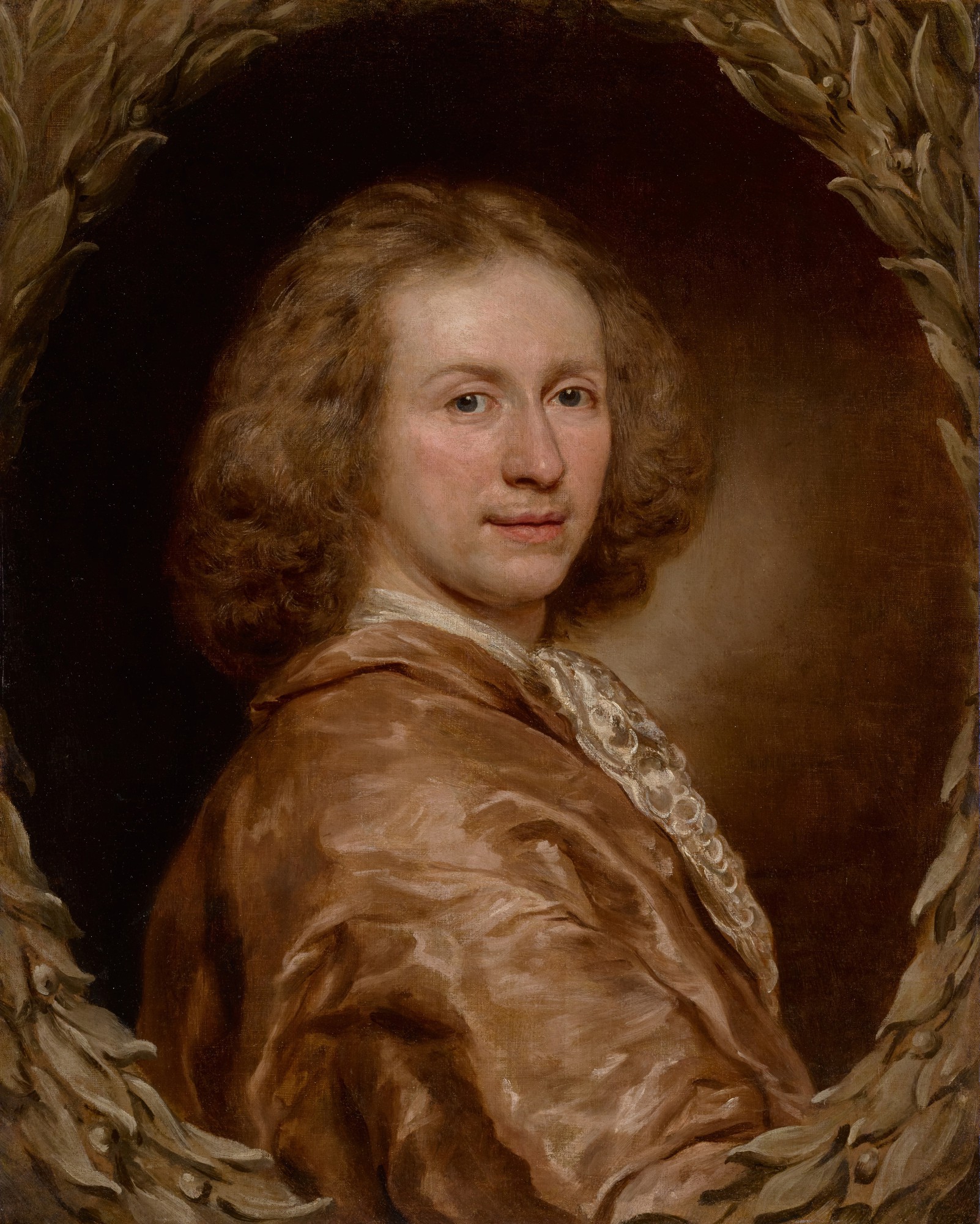
Jacob Ferdinand Voet (14 March 1639 – 26 September 1689) was a Flemish portrait painter. He had an international career that brought him to Italy and France, where he made portraits for an elite clientele. Voet is regarded as one of the best and most fashionable portrait painters of the late 17th century. In the history of art, Voet was sinking into undeserved oblivion, until the 1930s.
Few details about Voet's early life, training and career have been preserved. Voet was born in Antwerp as the son of the Elias Voet. He was one of the fifteen children. After the death of the parents his older brothers Carel and Jan Gabriel moved to Amsterdam; Carel married a daughter of the wealthy Joan Coymans and Sophia Trip, Jan G. married a Benzi, originally from Como.
Jacob travelled to Rome where he resided from 1663 to 1680. For two years Voet shared a residence with the painter and engraver Cornelis Bloemaert near the Spanish steps. Voet became a member of the Bentvueghels, an association of mainly Dutch and Flemish artists active in Rome. Voet drew a picture in charcoal of all the members of the Bentvueghels on the white-washed wall of an inn in Rome that was a popular meeting place of this group. The picture was treasured enough to be spared whenever the walls were repainted.
In Rome, Voet's skills as a portrait painter were in great demand at the papal court and among the Roman aristocracy, including the prominent Colonna, Chigi, and Odescalchi families. He developed a highly successful portrait formula, characterized by elegant poses, fashionable Franco-Italian dress, and refined depictions of luxurious fabrics, which secured his reputation among Rome's aristocratic families. Voet, known as Monsù Ferdinando, enjoyed the patronage of Christina, Queen of Sweden, who was then resident in Rome, and painted her portrait as well as that of her close friend Cardinal Decio Azzolino. English gentlemen and other European travellers undertaking the Grand Tour also commissioned portraits from Voet.
In 1671–1672 Voet received a commission from Cardinal Flavio Chigi to paint portraits of young women prominent in Roman society. Between 1672 and 1678 he completed a series of thirty-seven portraits, known as the Galleria delle Belle, for the cardinal's palace at Ariccia. The series became highly influential and was copied and expanded for other Roman and Italian noble families, helping to popularise galleries of celebrated beauties throughout Italy.
He portrayed the Florentine physician and naturalist Francesco Redi, Thomas Burnet and leading Spanish patrons and diplomats active in Italy, including Count Melgar, Cardinal Portocarrero. Among Voet's most important patrons was Gaspar Méndez de Haro, Marquess of Carpio, the Spanish ambassador in Rome and one of the foremost art collectors of the late seventeenth century. Carpio commissioned several portraits from Voet, whose works formed part of his Roman collections, while the Spanish embassy at the Palazzo di Spagna became a meeting place for artists, diplomats and intellectuals.
Following the accession of Pope Innocent XI, whose stricter moral policies transformed the cultural climate in Rome, Voet left the city early 1678. Contemporary and later sources associated his departure with the pope's disapproval of his fashionable portraits of women with low-cut décolletés. Voet maintained close ties with members of the Parravicini family of Como, who were connected to the Odescalchi. These connections probably facilitated his move to Lombardy after his departure from Rome.
Voet is documented in Como and Milan in 1680, where lived near Porta Vigentina and portrayed Count Melgar, then governor of the Duchy of Milan and one of the leading Spanish officials in Italy. A letter from Francesco Maria della Porta to Livio Odescalchi also indicates that he had been invited to the court of Charles II of Spain, although it remains uncertain whether he actually travelled to Spain. In 1681 he hoped to succeed Justus Sustermans as court portraitist to the Medici in Florence, but was unsuccessful. He subsequently resided in Turin from 1682 to 1684 before returning to Antwerp.
Hub AI
Jacob Ferdinand Voet AI simulator
(@Jacob Ferdinand Voet_simulator)
Jacob Ferdinand Voet
Jacob Ferdinand Voet (14 March 1639 – 26 September 1689) was a Flemish portrait painter. He had an international career that brought him to Italy and France, where he made portraits for an elite clientele. Voet is regarded as one of the best and most fashionable portrait painters of the late 17th century. In the history of art, Voet was sinking into undeserved oblivion, until the 1930s.
Few details about Voet's early life, training and career have been preserved. Voet was born in Antwerp as the son of the Elias Voet. He was one of the fifteen children. After the death of the parents his older brothers Carel and Jan Gabriel moved to Amsterdam; Carel married a daughter of the wealthy Joan Coymans and Sophia Trip, Jan G. married a Benzi, originally from Como.
Jacob travelled to Rome where he resided from 1663 to 1680. For two years Voet shared a residence with the painter and engraver Cornelis Bloemaert near the Spanish steps. Voet became a member of the Bentvueghels, an association of mainly Dutch and Flemish artists active in Rome. Voet drew a picture in charcoal of all the members of the Bentvueghels on the white-washed wall of an inn in Rome that was a popular meeting place of this group. The picture was treasured enough to be spared whenever the walls were repainted.
In Rome, Voet's skills as a portrait painter were in great demand at the papal court and among the Roman aristocracy, including the prominent Colonna, Chigi, and Odescalchi families. He developed a highly successful portrait formula, characterized by elegant poses, fashionable Franco-Italian dress, and refined depictions of luxurious fabrics, which secured his reputation among Rome's aristocratic families. Voet, known as Monsù Ferdinando, enjoyed the patronage of Christina, Queen of Sweden, who was then resident in Rome, and painted her portrait as well as that of her close friend Cardinal Decio Azzolino. English gentlemen and other European travellers undertaking the Grand Tour also commissioned portraits from Voet.
In 1671–1672 Voet received a commission from Cardinal Flavio Chigi to paint portraits of young women prominent in Roman society. Between 1672 and 1678 he completed a series of thirty-seven portraits, known as the Galleria delle Belle, for the cardinal's palace at Ariccia. The series became highly influential and was copied and expanded for other Roman and Italian noble families, helping to popularise galleries of celebrated beauties throughout Italy.
He portrayed the Florentine physician and naturalist Francesco Redi, Thomas Burnet and leading Spanish patrons and diplomats active in Italy, including Count Melgar, Cardinal Portocarrero. Among Voet's most important patrons was Gaspar Méndez de Haro, Marquess of Carpio, the Spanish ambassador in Rome and one of the foremost art collectors of the late seventeenth century. Carpio commissioned several portraits from Voet, whose works formed part of his Roman collections, while the Spanish embassy at the Palazzo di Spagna became a meeting place for artists, diplomats and intellectuals.
Following the accession of Pope Innocent XI, whose stricter moral policies transformed the cultural climate in Rome, Voet left the city early 1678. Contemporary and later sources associated his departure with the pope's disapproval of his fashionable portraits of women with low-cut décolletés. Voet maintained close ties with members of the Parravicini family of Como, who were connected to the Odescalchi. These connections probably facilitated his move to Lombardy after his departure from Rome.
Voet is documented in Como and Milan in 1680, where lived near Porta Vigentina and portrayed Count Melgar, then governor of the Duchy of Milan and one of the leading Spanish officials in Italy. A letter from Francesco Maria della Porta to Livio Odescalchi also indicates that he had been invited to the court of Charles II of Spain, although it remains uncertain whether he actually travelled to Spain. In 1681 he hoped to succeed Justus Sustermans as court portraitist to the Medici in Florence, but was unsuccessful. He subsequently resided in Turin from 1682 to 1684 before returning to Antwerp.
Recent media