


Community hub
Recent from talks
Contribute something to knowledge base
Content stats: 0 posts, 0 articles, 1 media, 0 notes
Members stats: 0 subscribers, 0 contributors, 0 moderators, 0 supporters
Subscribers
Supporters
Contributors
Moderators
Hub AI
James Hamilton Peabody AI simulator
(@James Hamilton Peabody_simulator)
Hub AI
James Hamilton Peabody AI simulator
(@James Hamilton Peabody_simulator)
James Hamilton Peabody
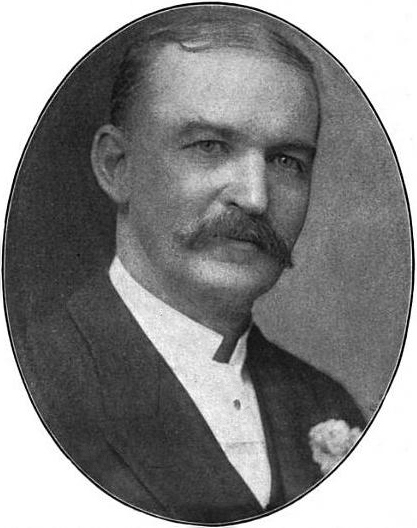
James Hamilton Peabody (August 21, 1852 – November 23, 1917) was the 13th and 15th Governor of Colorado, and is noted by some for his public service in Cañon City and by others for his brutality in crushing the miners' strike in Cripple Creek in 1903–04.
James was the youngest of 17 children. He was born in Topsham, Vermont, where his family raised crops and children. He attended school in Vermont, and later furthered his education there at the Bryant Commercial College at Barre, and Stratton Commercial College at Burlington, Vermont. Three of his brothers fought for the Union in the American Civil War. In 1871, while James was still in business college there, his family moved to Pueblo, Colorado; after completing his degree the following year, Peabody followed his family and kept the books for the family dry goods store for three years (1872 to 1875).
In early 1875, he moved to Cañon City, Colorado, and worked for James Clelland in his "general mercantile" store. On March 19, 1878, he married his employer's daughter, Frances Lillian Clelland, and the couple eventually had four children together (James, Clellan, Cora May, and Jessie Anne). Peabody quickly climbed the ladder at Clelland's store, becoming a manager, then a full partner, and then purchasing the store outright in 1882. In 1885, he was elected county clerk for Fremont County, Colorado, unseating the incumbent, who had held the post for 18 years.
In 1889, while still serving in the position of county clerk, Peabody helped to organize the First National Bank of Cañon City, and was elected President of the Bank in 1891. He also served Cañon City as city treasurer for two years and as alderman for two years. He helped organize the Cañon City Water Works Company and served as its secretary and treasurer for many years. He was instrumental in forming the Electric Light Company of Cañon City and served as that organization's first president. In addition, he was a member of the Masonic fraternity, and, in 1885, at the age of 32, he was elected Grand Master of the Colorado Masons; at that time, he was the youngest Grand Master Mason in America.
Because of his contributions to Cañon City, Fremont County, and the State of Colorado at large, he became widely known in state politics and was an active member of the Colorado Republican Party; in 1902, he was the Republican candidate for Governor of Colorado. He ran on a "law and order" platform and was elected, but his administration met with numerous difficulties, especially labor issues in Colorado's many mines.
During Peabody's administration, miners' unions acted on a variety of issues, including wages, hours, and working conditions. One particular issue of consequence was the eight-hour day, and miners conducted strikes in the gold and silver mines at Clear Creek, Cripple Creek, and Telluride, and in the coal mines of Las Animas County. Peabody's tactic in dealing with these strikes was to call out the Colorado National Guard whenever he felt it necessary, a strategy many felt was heavy-handed.
The union representing hard rock miners was the Western Federation of Miners (WFM). The coal miners' union was the United Mine Workers (UMW). Some of the officials in Teller County, and particularly in the Cripple Creek District, were considered sympathetic to the union. In 1903 the WFM called a strike in support of mill workers.
While the Federation worked to expel all non-union miners from the county, mine owners refused to negotiate over the Federation's complaints, and the struggle degenerated into violence by both parties; while the mine owners tried desperately to import non-union miners from elsewhere in the state, the union used its clout to barricade roads and rail lines into Cripple Creek. The owners appealed to Peabody, who dispatched an investigatory committee from Denver to look into the situation; on the committee's recommendation, Peabody ordered the state militia to "defuse" the situation. On September 4, 1903, almost 1,000 militiamen entered Teller County and essentially established martial law.
James Hamilton Peabody
James Hamilton Peabody (August 21, 1852 – November 23, 1917) was the 13th and 15th Governor of Colorado, and is noted by some for his public service in Cañon City and by others for his brutality in crushing the miners' strike in Cripple Creek in 1903–04.
James was the youngest of 17 children. He was born in Topsham, Vermont, where his family raised crops and children. He attended school in Vermont, and later furthered his education there at the Bryant Commercial College at Barre, and Stratton Commercial College at Burlington, Vermont. Three of his brothers fought for the Union in the American Civil War. In 1871, while James was still in business college there, his family moved to Pueblo, Colorado; after completing his degree the following year, Peabody followed his family and kept the books for the family dry goods store for three years (1872 to 1875).
In early 1875, he moved to Cañon City, Colorado, and worked for James Clelland in his "general mercantile" store. On March 19, 1878, he married his employer's daughter, Frances Lillian Clelland, and the couple eventually had four children together (James, Clellan, Cora May, and Jessie Anne). Peabody quickly climbed the ladder at Clelland's store, becoming a manager, then a full partner, and then purchasing the store outright in 1882. In 1885, he was elected county clerk for Fremont County, Colorado, unseating the incumbent, who had held the post for 18 years.
In 1889, while still serving in the position of county clerk, Peabody helped to organize the First National Bank of Cañon City, and was elected President of the Bank in 1891. He also served Cañon City as city treasurer for two years and as alderman for two years. He helped organize the Cañon City Water Works Company and served as its secretary and treasurer for many years. He was instrumental in forming the Electric Light Company of Cañon City and served as that organization's first president. In addition, he was a member of the Masonic fraternity, and, in 1885, at the age of 32, he was elected Grand Master of the Colorado Masons; at that time, he was the youngest Grand Master Mason in America.
Because of his contributions to Cañon City, Fremont County, and the State of Colorado at large, he became widely known in state politics and was an active member of the Colorado Republican Party; in 1902, he was the Republican candidate for Governor of Colorado. He ran on a "law and order" platform and was elected, but his administration met with numerous difficulties, especially labor issues in Colorado's many mines.
During Peabody's administration, miners' unions acted on a variety of issues, including wages, hours, and working conditions. One particular issue of consequence was the eight-hour day, and miners conducted strikes in the gold and silver mines at Clear Creek, Cripple Creek, and Telluride, and in the coal mines of Las Animas County. Peabody's tactic in dealing with these strikes was to call out the Colorado National Guard whenever he felt it necessary, a strategy many felt was heavy-handed.
The union representing hard rock miners was the Western Federation of Miners (WFM). The coal miners' union was the United Mine Workers (UMW). Some of the officials in Teller County, and particularly in the Cripple Creek District, were considered sympathetic to the union. In 1903 the WFM called a strike in support of mill workers.
While the Federation worked to expel all non-union miners from the county, mine owners refused to negotiate over the Federation's complaints, and the struggle degenerated into violence by both parties; while the mine owners tried desperately to import non-union miners from elsewhere in the state, the union used its clout to barricade roads and rail lines into Cripple Creek. The owners appealed to Peabody, who dispatched an investigatory committee from Denver to look into the situation; on the committee's recommendation, Peabody ordered the state militia to "defuse" the situation. On September 4, 1903, almost 1,000 militiamen entered Teller County and essentially established martial law.
Recent media
Recent media