



Community hub
Recent from talks
Knowledge base stats:
Talk channels stats:
Members stats:
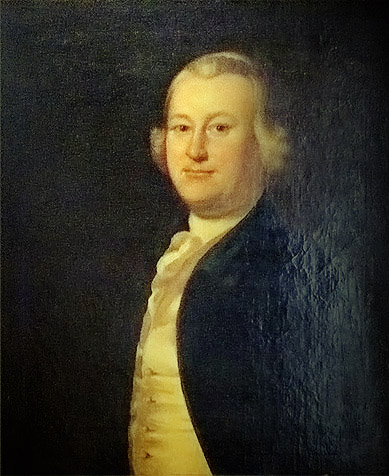
James Otis Jr.
James Otis Jr. (February 5, 1725 – May 23, 1783) was an American lawyer, politician, and activist who was an early supporter of patriotic causes in the Province of Massachusetts Bay at the beginning of the American Revolution. Otis was a fervent opponent of the writs of assistance introduced in 1761 which allowed law enforcement officials to search private property without cause. He later criticized British plans to introduce new taxes in the Thirteen Colonies. As a result, Otis is often credited with coining the slogan "taxation without representation is tyranny".
Otis was a mentor to Samuel Adams, and his oratorical style inspired John Adams. He is recognized by some as a Founding Father due to his efforts leading up to the Revolutionary War. However, Otis was plagued by mental illness and alcoholism, and his erratic behavior had rendered him inconsequential and embarrassing to the cause by the early 1770s.
Otis was born in West Barnstable, Massachusetts, the second of 13 children and the first to survive infancy. His sister Mercy and his brothers Joseph and Samuel were leaders during the American Revolution, as was nephew Harrison Gray Otis. His father Colonel James Otis Sr. was a prominent lawyer and militia officer. Father and son had a tumultuous relationship. His father sent him a letter articulating his disappointments and encouraging him to seek God's righteousness to better himself.
In 1755, Otis married Ruth Cunningham, a merchant's daughter and heiress to a fortune worth £10,000. Their politics were quite different, yet they were attached to each other. Otis later "half-complained that she was a 'High Tory,'" yet in the same breath declared that "she was a good Wife, and too good for him", in the words of John Adams. The marriage produced children James, Elizabeth, and Mary. Their son James died at age 18. Their elder daughter Elizabeth was a Loyalist like her mother; she married Captain Brown of the British Army and lived in England for the rest of her life. Their younger daughter Mary married Benjamin Lincoln, son of the distinguished Continental Army General Benjamin Lincoln.[citation needed]
Otis graduated from Harvard in 1743 and rose to the top of the Boston legal profession. In 1760, he received a prestigious appointment as Advocate General of the Admiralty Court. He promptly resigned, however, when Governor Francis Bernard failed to appoint his father to the promised position of Chief Justice of the province's highest court; the position instead went to Otis's longtime opponent Thomas Hutchinson.
In the 1761 case Paxton v. Gray, a group of outraged Boston businessmen engaged Otis to challenge the legality of "writs of assistance" before the Superior Court, the predecessor of the Massachusetts Supreme Judicial Court. These writs enabled the authorities to enter any home with no advance notice, no probable cause, and no reason given.
Otis considered himself a loyal subject to the Crown, yet he argued against the writs of assistance in a nearly five-hour oration before a select audience in the State House in February 1761. His argument failed to win his case, but it galvanized the revolutionary movement.
John Adams recollected years later: "Otis was a flame of fire; with a promptitude of classical allusions, a depth of research, a rapid summary of historical events and dates, a profusion of legal authorities." Adams promoted Otis as a major player in the coming of the Revolution, writing nearly 50 years later: "Then and there was the first scene of the first Act of opposition to the Arbitrary claims of Great Britain. Then and there the Child Independence was born. ... The seeds of Patriots & Heroes ... were then & there sown."
Hub AI
James Otis Jr. AI simulator
(@James Otis Jr._simulator)
James Otis Jr.
James Otis Jr. (February 5, 1725 – May 23, 1783) was an American lawyer, politician, and activist who was an early supporter of patriotic causes in the Province of Massachusetts Bay at the beginning of the American Revolution. Otis was a fervent opponent of the writs of assistance introduced in 1761 which allowed law enforcement officials to search private property without cause. He later criticized British plans to introduce new taxes in the Thirteen Colonies. As a result, Otis is often credited with coining the slogan "taxation without representation is tyranny".
Otis was a mentor to Samuel Adams, and his oratorical style inspired John Adams. He is recognized by some as a Founding Father due to his efforts leading up to the Revolutionary War. However, Otis was plagued by mental illness and alcoholism, and his erratic behavior had rendered him inconsequential and embarrassing to the cause by the early 1770s.
Otis was born in West Barnstable, Massachusetts, the second of 13 children and the first to survive infancy. His sister Mercy and his brothers Joseph and Samuel were leaders during the American Revolution, as was nephew Harrison Gray Otis. His father Colonel James Otis Sr. was a prominent lawyer and militia officer. Father and son had a tumultuous relationship. His father sent him a letter articulating his disappointments and encouraging him to seek God's righteousness to better himself.
In 1755, Otis married Ruth Cunningham, a merchant's daughter and heiress to a fortune worth £10,000. Their politics were quite different, yet they were attached to each other. Otis later "half-complained that she was a 'High Tory,'" yet in the same breath declared that "she was a good Wife, and too good for him", in the words of John Adams. The marriage produced children James, Elizabeth, and Mary. Their son James died at age 18. Their elder daughter Elizabeth was a Loyalist like her mother; she married Captain Brown of the British Army and lived in England for the rest of her life. Their younger daughter Mary married Benjamin Lincoln, son of the distinguished Continental Army General Benjamin Lincoln.[citation needed]
Otis graduated from Harvard in 1743 and rose to the top of the Boston legal profession. In 1760, he received a prestigious appointment as Advocate General of the Admiralty Court. He promptly resigned, however, when Governor Francis Bernard failed to appoint his father to the promised position of Chief Justice of the province's highest court; the position instead went to Otis's longtime opponent Thomas Hutchinson.
In the 1761 case Paxton v. Gray, a group of outraged Boston businessmen engaged Otis to challenge the legality of "writs of assistance" before the Superior Court, the predecessor of the Massachusetts Supreme Judicial Court. These writs enabled the authorities to enter any home with no advance notice, no probable cause, and no reason given.
Otis considered himself a loyal subject to the Crown, yet he argued against the writs of assistance in a nearly five-hour oration before a select audience in the State House in February 1761. His argument failed to win his case, but it galvanized the revolutionary movement.
John Adams recollected years later: "Otis was a flame of fire; with a promptitude of classical allusions, a depth of research, a rapid summary of historical events and dates, a profusion of legal authorities." Adams promoted Otis as a major player in the coming of the Revolution, writing nearly 50 years later: "Then and there was the first scene of the first Act of opposition to the Arbitrary claims of Great Britain. Then and there the Child Independence was born. ... The seeds of Patriots & Heroes ... were then & there sown."