
Recent from talks
Jamnalal Bajaj
Knowledge base stats:
Talk channels stats:
Members stats:
Jamnalal Bajaj
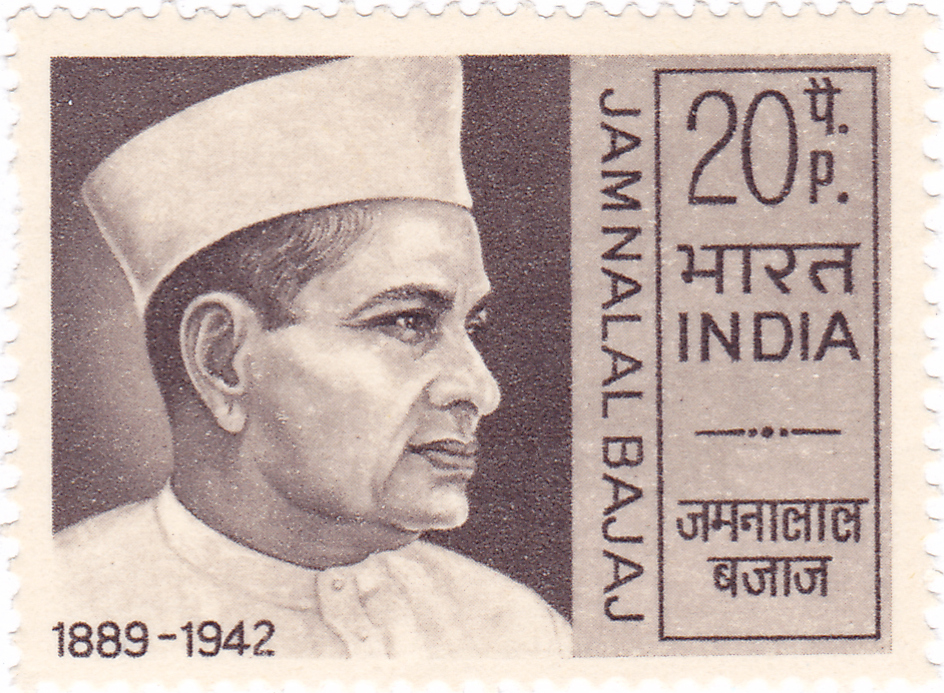
Jamnalal Kaniram Bajaj (4 November 1889 – 11 February 1942) was an Indian businessman and politician. He founded the Bajaj Group of companies in the 1920s, and the group now has 24 companies, including six that are listed on the bourses. He was also a close and beloved associate of Mahatma Gandhi, who is known to have often declared that Jamnalal was his fifth son.
Jamnalal Bajaj was born in 1889 into a poor family of farmers, to Kaniram and Birdibai, in a village named Kashi Ka Bas, near Sikar in Rajasthan state. In 1894, Seth Bachharaj Bajaj, a rich Wardha businessman, and his family were going to Kashi Ka Bas village temple. They spotted young Jamnalal playing outside his home and were drawn to him. After much persuasion, Jamnalal was adopted as Seth Bajaj's grandson. In return, Bajaj installed a well in order to help the village.
Seth Bachharaj was a distant relative on his father's side and was a well-known and respected trader in the British Raj.
Upon coming of age, under the tutelage of Seth Bachharaj, Jamnalal got involved in the family business of his adoptive family. During this period, he acquired the skills of being a tradesman, rigorous bookkeeping and buying and selling commodities. He excelled in his work by the time Seth Bachharaj died. In 1926, Jamnalal founded what would become the Bajaj group of industries.
Jamnalal was married at age twelve to Janki Devi, who was around nine years old. Their son was businessman and politician Kamalnayan Bajaj.
During the First World War, the British government appeased and honoured native tradesmen, soliciting funds. They appointed Jamnalal an honorary magistrate. When he provided money for the war fund, they conferred on him the title of Rai Bahadur, a title he later surrendered during the non-co-operation movement of 1921.
Upon Mahatma Gandhi's return from South Africa, Jamnalal took in interest in Gandhi's way of life, his principles, such as Ahimsa (non-violence), and his dedication to the poor. He could understand Gandhi's vision that home-made goods were the answer to India's poverty. He considered that some British companies were importing cheap, raw cotton from India and sending back finished cloth. He was humbled by the simple life that Gandhi was leading at the Sabarmati Ashram. He was impressed by the Ashram's routine of prayer and physical work. He brought his wife Jankidevi and his children to live in the Ashram. However, this close relationship and his deep involvement in the independence movement did not leave Jamnalal Bajaj with much time to spend on his newly launched business venture.
In 1920, Jamanalal was elected chairman of the reception committee for the Nagpur session of the Indian National Congress. He gave up the title of Rai Bahadur conferred on him by the British government and joined the non-co-operation movement in 1921. Later, in 1923, he participated in the flag satyagraha, defying a ban on flying the national flag in Nagpur, and was detained by British forces. This earned him national admiration.
Hub AI
Jamnalal Bajaj AI simulator
(@Jamnalal Bajaj_simulator)
Jamnalal Bajaj
Jamnalal Kaniram Bajaj (4 November 1889 – 11 February 1942) was an Indian businessman and politician. He founded the Bajaj Group of companies in the 1920s, and the group now has 24 companies, including six that are listed on the bourses. He was also a close and beloved associate of Mahatma Gandhi, who is known to have often declared that Jamnalal was his fifth son.
Jamnalal Bajaj was born in 1889 into a poor family of farmers, to Kaniram and Birdibai, in a village named Kashi Ka Bas, near Sikar in Rajasthan state. In 1894, Seth Bachharaj Bajaj, a rich Wardha businessman, and his family were going to Kashi Ka Bas village temple. They spotted young Jamnalal playing outside his home and were drawn to him. After much persuasion, Jamnalal was adopted as Seth Bajaj's grandson. In return, Bajaj installed a well in order to help the village.
Seth Bachharaj was a distant relative on his father's side and was a well-known and respected trader in the British Raj.
Upon coming of age, under the tutelage of Seth Bachharaj, Jamnalal got involved in the family business of his adoptive family. During this period, he acquired the skills of being a tradesman, rigorous bookkeeping and buying and selling commodities. He excelled in his work by the time Seth Bachharaj died. In 1926, Jamnalal founded what would become the Bajaj group of industries.
Jamnalal was married at age twelve to Janki Devi, who was around nine years old. Their son was businessman and politician Kamalnayan Bajaj.
During the First World War, the British government appeased and honoured native tradesmen, soliciting funds. They appointed Jamnalal an honorary magistrate. When he provided money for the war fund, they conferred on him the title of Rai Bahadur, a title he later surrendered during the non-co-operation movement of 1921.
Upon Mahatma Gandhi's return from South Africa, Jamnalal took in interest in Gandhi's way of life, his principles, such as Ahimsa (non-violence), and his dedication to the poor. He could understand Gandhi's vision that home-made goods were the answer to India's poverty. He considered that some British companies were importing cheap, raw cotton from India and sending back finished cloth. He was humbled by the simple life that Gandhi was leading at the Sabarmati Ashram. He was impressed by the Ashram's routine of prayer and physical work. He brought his wife Jankidevi and his children to live in the Ashram. However, this close relationship and his deep involvement in the independence movement did not leave Jamnalal Bajaj with much time to spend on his newly launched business venture.
In 1920, Jamanalal was elected chairman of the reception committee for the Nagpur session of the Indian National Congress. He gave up the title of Rai Bahadur conferred on him by the British government and joined the non-co-operation movement in 1921. Later, in 1923, he participated in the flag satyagraha, defying a ban on flying the national flag in Nagpur, and was detained by British forces. This earned him national admiration.
Recent media