
Recent from talks
Jamshedpur
Knowledge base stats:
Talk channels stats:
Members stats:
Jamshedpur
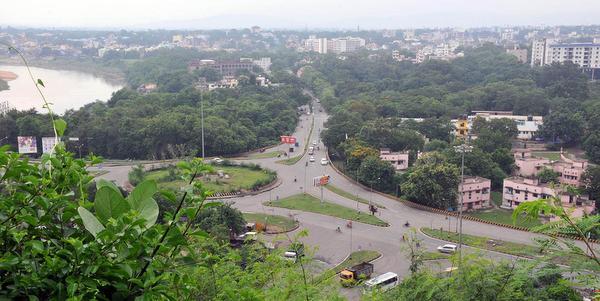
Jamshedpur (Hindi: [d͡ʒəmˈʃeːd̪pʊɾ] ⓘ; Bengali: [ˈd͡ʒamʃedpuɾ]), also known as Tatanagar, is a major industrial city in eastern India. Located on the confluence of Swarnarekha and Kharkai rivers, the city is surrounded by Dalma Hills. It is the largest city in the state of Jharkhand. With a population of 629,658 in the city limits and 1.3 million in the wider metropolitan area, Jamshedpur is the third largest metropolitan area in the region and 36th largest urban area in the country and 72nd most populous city in the country.
The modern industrial city of Jamshedpur was built over the village of Sakchi by Dorabji Tata, who chose the location for his father Jamshedji Tata's planned steel city. The project began in 1908, with the steel plant operating by 1912, and the city was formally named Jamshedpur by Lord Chelmsford in 1919 in honor of Jamshedji. During World War I, Tata Steel supplied for British military campaigns across the Middle East and Africa. In World War II, Jamshedpur was a high-value target. This led to the deployment of British and American troops in the region, establishment of air bases to repel potential Japanese attacks, maintain links with mainland China via the Burma Road and participate in the U.S-led bombing campaign in Japan. The city's history is embedded with frequent labor unrest and strikes, visits by well-known figures and independence movement.
Following the independence of India in 1947, Jamshedpur became part of the state of Bihar. The city experienced spells of growth and development alongside on occasions of unrest, violence and terrorism. Jamshedpur experienced deadly communal violence in 1964 and 1979, affecting the city directly and spillover of the 1984 anti-Sikh riots. By the 1990s, organized crime increased, and mafia activities emerged in northern Jamshedpur, with notable gang wars and the assassination of well-known figures in political and business circles. The intensity of crime nearly brought about the collapse of industries in Jamshedpur. The state government intervened. Between 1994 and 1996, the city police under Ajoy Kumar, launched a crackdown on gangs, which led to a decline in crime. Subsequently, Jamshedpur was an important stronghold for the statehood movement. Thus on 15 November 2000, the city became part of the state of Jharkhand.
A major commercial and industrial centre in India, Jamshedpur is demographically diverse city. It has been ranked consistently as one of the cleanest cities in India by Swach Survekshan, 2nd in India in terms of quality of life. Jamshedpur is one of the fastest-growing global cities in the world and first smart cities in India along with Naya Raipur. It is a local popular tourist destination known for its forests and ancient temples. Jamshedpur is the only million plus city in India without a municipal corporation.
In 1919 Lord Chelmsford named the city, which was previously a village called Sakchi, Jamshedpur in honour of its founder, Jamshedji Nausserwanji Tata, whose birthday is celebrated on 3 March as Founder's Day. J.N. Tata had written to his son Dorabji Tata about his vision of a great city in the area. On Founders Day, the 225-acre (0.91 km2) Jubilee Park is decorated with brilliant lightwork for about a week.
The city has several nicknames including "Steel City" (which was referenced during TATA Steel's "Green City—Clean City—Steel City" campaign); "Tatanagar" after the name of its railway station Tatanagar Railway Station or simply "Tata" in deference to the presence of Tata companies. At one time it was also known as "Kalimati" (meaning "Land of Goddess Kali") after the village near the Sakchi area. Sakchi was merged into Jamshedpur as a neighbourhood in 1919. The only trace of the name is the main road through Sakchi area of Jamshedpur which is named Kalimati Road.
At the end of 19th century, Jamshedji Nusserwanji Tata met steel makers in Pittsburgh to get the most advanced technology for his plant. It is said that he got the idea of building a steel plant after hearing Thomas Carlyle declare in a lecture in Manchester that "the nation which gains control of iron soon acquires the control of gold". At the turn of the twentieth century, Tata asked geologist Charles Page Perin to help him find the site to build India's first steel plant. The search for a site rich in iron, coal, limestone and water began in April 1904 in today's Madhya Pradesh.
The prospectors C. M. Weld, Dorabji Tata and Shapurji Saklatvala, took nearly three years in a painstaking search across vast stretches of inhospitable terrain to find a location. One day they came across a village called Sakchi, on the densely forested stretches of the Chota Nagpur plateau, near the confluence of the Subarnarekha and Kharkai rivers. It seemed to be the ideal choice and the place was selected. In 1908 the construction of the plant as well as the city officially began. The first steel ingot was rolled on 16 February 1912.
Hub AI
Jamshedpur AI simulator
(@Jamshedpur_simulator)
Jamshedpur
Jamshedpur (Hindi: [d͡ʒəmˈʃeːd̪pʊɾ] ⓘ; Bengali: [ˈd͡ʒamʃedpuɾ]), also known as Tatanagar, is a major industrial city in eastern India. Located on the confluence of Swarnarekha and Kharkai rivers, the city is surrounded by Dalma Hills. It is the largest city in the state of Jharkhand. With a population of 629,658 in the city limits and 1.3 million in the wider metropolitan area, Jamshedpur is the third largest metropolitan area in the region and 36th largest urban area in the country and 72nd most populous city in the country.
The modern industrial city of Jamshedpur was built over the village of Sakchi by Dorabji Tata, who chose the location for his father Jamshedji Tata's planned steel city. The project began in 1908, with the steel plant operating by 1912, and the city was formally named Jamshedpur by Lord Chelmsford in 1919 in honor of Jamshedji. During World War I, Tata Steel supplied for British military campaigns across the Middle East and Africa. In World War II, Jamshedpur was a high-value target. This led to the deployment of British and American troops in the region, establishment of air bases to repel potential Japanese attacks, maintain links with mainland China via the Burma Road and participate in the U.S-led bombing campaign in Japan. The city's history is embedded with frequent labor unrest and strikes, visits by well-known figures and independence movement.
Following the independence of India in 1947, Jamshedpur became part of the state of Bihar. The city experienced spells of growth and development alongside on occasions of unrest, violence and terrorism. Jamshedpur experienced deadly communal violence in 1964 and 1979, affecting the city directly and spillover of the 1984 anti-Sikh riots. By the 1990s, organized crime increased, and mafia activities emerged in northern Jamshedpur, with notable gang wars and the assassination of well-known figures in political and business circles. The intensity of crime nearly brought about the collapse of industries in Jamshedpur. The state government intervened. Between 1994 and 1996, the city police under Ajoy Kumar, launched a crackdown on gangs, which led to a decline in crime. Subsequently, Jamshedpur was an important stronghold for the statehood movement. Thus on 15 November 2000, the city became part of the state of Jharkhand.
A major commercial and industrial centre in India, Jamshedpur is demographically diverse city. It has been ranked consistently as one of the cleanest cities in India by Swach Survekshan, 2nd in India in terms of quality of life. Jamshedpur is one of the fastest-growing global cities in the world and first smart cities in India along with Naya Raipur. It is a local popular tourist destination known for its forests and ancient temples. Jamshedpur is the only million plus city in India without a municipal corporation.
In 1919 Lord Chelmsford named the city, which was previously a village called Sakchi, Jamshedpur in honour of its founder, Jamshedji Nausserwanji Tata, whose birthday is celebrated on 3 March as Founder's Day. J.N. Tata had written to his son Dorabji Tata about his vision of a great city in the area. On Founders Day, the 225-acre (0.91 km2) Jubilee Park is decorated with brilliant lightwork for about a week.
The city has several nicknames including "Steel City" (which was referenced during TATA Steel's "Green City—Clean City—Steel City" campaign); "Tatanagar" after the name of its railway station Tatanagar Railway Station or simply "Tata" in deference to the presence of Tata companies. At one time it was also known as "Kalimati" (meaning "Land of Goddess Kali") after the village near the Sakchi area. Sakchi was merged into Jamshedpur as a neighbourhood in 1919. The only trace of the name is the main road through Sakchi area of Jamshedpur which is named Kalimati Road.
At the end of 19th century, Jamshedji Nusserwanji Tata met steel makers in Pittsburgh to get the most advanced technology for his plant. It is said that he got the idea of building a steel plant after hearing Thomas Carlyle declare in a lecture in Manchester that "the nation which gains control of iron soon acquires the control of gold". At the turn of the twentieth century, Tata asked geologist Charles Page Perin to help him find the site to build India's first steel plant. The search for a site rich in iron, coal, limestone and water began in April 1904 in today's Madhya Pradesh.
The prospectors C. M. Weld, Dorabji Tata and Shapurji Saklatvala, took nearly three years in a painstaking search across vast stretches of inhospitable terrain to find a location. One day they came across a village called Sakchi, on the densely forested stretches of the Chota Nagpur plateau, near the confluence of the Subarnarekha and Kharkai rivers. It seemed to be the ideal choice and the place was selected. In 1908 the construction of the plant as well as the city officially began. The first steel ingot was rolled on 16 February 1912.
Recent media