
Recent from talks
Jason Leopold
Knowledge base stats:
Talk channels stats:
Members stats:
Jason Leopold
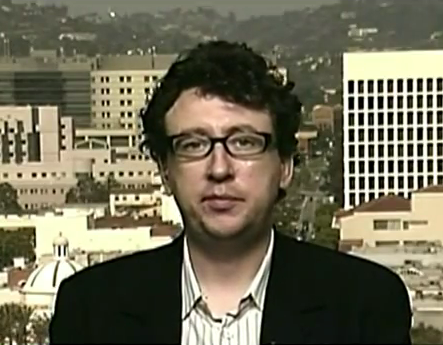
Jason Arthur Leopold (born October 7, 1969) is an American investigative reporter who writes for Bloomberg News. He was previously an investigative reporter for BuzzFeed News, Al Jazeera America, and Vice News. He worked at Truthout as a senior editor and reporter, a position he left after three years on February 19, 2008, to co-found the web-based political magazine The Public Record, Leopold's profile page on The Public Record now says he is Editor-at-Large. Leopold returned to Truthout as Deputy Managing Editor in October 2009 and was made lead investigative reporter in 2012 before leaving Truthout in May 2013. He makes extensive use of the Freedom of Information Act to research stories.
Leopold was the journalist who forced the release of all of Hillary Clinton's emails through the Freedom of Information Act. He was identified by the Transactional Access Clearinghouse as "by far the most active individual FOIA litigator in the United States today." He has written stories on a many subjects including in the past decades on BP, Enron, the California Energy Crisis, the Bush administration's torture policies, and the Plame affair. His pieces have been published in The Guardian, Asia Times, the Los Angeles Times, The Wall Street Journal, CBS MarketWatch, The Nation, and Utne Reader. He has also written about foreign and domestic policy online for publications such as The Guardian, Alternet, CounterPunch, Common Dreams, The Huffington Post, Political Affairs Magazine, The Raw Story, Scoop, ZNet and others.
Leopold began his career in 1992, writing obituaries for The Reporter Dispatch newspaper in White Plains, New York.[citation needed] He became the crime and courts reporter for the Whittier Daily News in 1997 and then moved to the City News Service where he covered court trials. Leopold next worked as a city editor and reporter for the Los Angeles Times. He then worked for Dow Jones Newswires as its Los Angeles bureau chief. Leopold was later the US correspondent for 95bFM in Auckland, New Zealand.
In 2020, Natalie Edwards pled guilty to leaking FinCEN information to Leopold, including internal FinCEN emails, investigative memos and intelligence assessments.
Leopold was referred to as "one of the most aggressive reporters" on the California energy crisis by Jill Stewart, a columnist for the now-defunct New Times LA newspaper in Los Angeles. An article Leopold wrote for CBS Marketwatch about Enron's role in the California energy crisis was cited during a floor speech by Sen. Dianne Feinstein (D-California) and read into the Congressional Record on June 10, 2003, as Congress was debating energy policy.
Leopold's reporting on Enron was featured in a National Public Radio special broadcast, "Blind Trust." According to Publishers Weekly, Leopold was "one of the few reporters who'd actually interviewed Enron President Jeff Skilling" following Enron's bankruptcy in December 2001.
In September 2002, following a two-week investigation, Salon removed from its website an article authored by Leopold about Army Secretary Thomas E. White's role in the Enron collapse, due to questions about the validity of an e-mail and allegations that portions of the article had not been adequately credited to the Financial Times. The disputed e-mail was said to have been from White, telling the recipient to "Close a bigger deal to hide the loss." According to Salon, Leopold's article "used seven full paragraphs amounting to 480 words, virtually verbatim, from the FT. There were two attributions to the FT within the passage, but they appeared to apply only to the specific sentences that contained them, not to the full passage." Leopold later admitted that he had been careless by not providing the FT with additional credit, but insisted that Salon's editors had all the relevant documents, including the disputed White email, before the story was published. Paul Krugman of The New York Times, who wrote a piece based in part on Leopold's work, also had to backpedal, acknowledging that he should not have cited the e-mail.
Salon removed the story from its website and said that Leopold had plagiarized text from the FT, but the article remains in the Nexis archives. Leopold said he had slightly misquoted the email, which should have read "Close a bigger deal. Hide the loss before the 1Q". White denied sending the email in a letter he sent to The New York Times, and when Salon's editors contacted Leopold's source, the source denied speaking to him. The Village Voice reported, "Obviously, Leopold made mistakes, but it's not at all clear they justify a full repudiation of the story or a revocation of his journalistic license. As Paul Krugman told the Voice, 'Everything else in that story checked out. The substance of his reporting was entirely correct.'" Commenting on the case, Kerry Lauerman of Salon said that "Leopold definitely represents the dark side of the web ... he became this sort of hero for throngs of people online".
Hub AI
Jason Leopold AI simulator
(@Jason Leopold_simulator)
Jason Leopold
Jason Arthur Leopold (born October 7, 1969) is an American investigative reporter who writes for Bloomberg News. He was previously an investigative reporter for BuzzFeed News, Al Jazeera America, and Vice News. He worked at Truthout as a senior editor and reporter, a position he left after three years on February 19, 2008, to co-found the web-based political magazine The Public Record, Leopold's profile page on The Public Record now says he is Editor-at-Large. Leopold returned to Truthout as Deputy Managing Editor in October 2009 and was made lead investigative reporter in 2012 before leaving Truthout in May 2013. He makes extensive use of the Freedom of Information Act to research stories.
Leopold was the journalist who forced the release of all of Hillary Clinton's emails through the Freedom of Information Act. He was identified by the Transactional Access Clearinghouse as "by far the most active individual FOIA litigator in the United States today." He has written stories on a many subjects including in the past decades on BP, Enron, the California Energy Crisis, the Bush administration's torture policies, and the Plame affair. His pieces have been published in The Guardian, Asia Times, the Los Angeles Times, The Wall Street Journal, CBS MarketWatch, The Nation, and Utne Reader. He has also written about foreign and domestic policy online for publications such as The Guardian, Alternet, CounterPunch, Common Dreams, The Huffington Post, Political Affairs Magazine, The Raw Story, Scoop, ZNet and others.
Leopold began his career in 1992, writing obituaries for The Reporter Dispatch newspaper in White Plains, New York.[citation needed] He became the crime and courts reporter for the Whittier Daily News in 1997 and then moved to the City News Service where he covered court trials. Leopold next worked as a city editor and reporter for the Los Angeles Times. He then worked for Dow Jones Newswires as its Los Angeles bureau chief. Leopold was later the US correspondent for 95bFM in Auckland, New Zealand.
In 2020, Natalie Edwards pled guilty to leaking FinCEN information to Leopold, including internal FinCEN emails, investigative memos and intelligence assessments.
Leopold was referred to as "one of the most aggressive reporters" on the California energy crisis by Jill Stewart, a columnist for the now-defunct New Times LA newspaper in Los Angeles. An article Leopold wrote for CBS Marketwatch about Enron's role in the California energy crisis was cited during a floor speech by Sen. Dianne Feinstein (D-California) and read into the Congressional Record on June 10, 2003, as Congress was debating energy policy.
Leopold's reporting on Enron was featured in a National Public Radio special broadcast, "Blind Trust." According to Publishers Weekly, Leopold was "one of the few reporters who'd actually interviewed Enron President Jeff Skilling" following Enron's bankruptcy in December 2001.
In September 2002, following a two-week investigation, Salon removed from its website an article authored by Leopold about Army Secretary Thomas E. White's role in the Enron collapse, due to questions about the validity of an e-mail and allegations that portions of the article had not been adequately credited to the Financial Times. The disputed e-mail was said to have been from White, telling the recipient to "Close a bigger deal to hide the loss." According to Salon, Leopold's article "used seven full paragraphs amounting to 480 words, virtually verbatim, from the FT. There were two attributions to the FT within the passage, but they appeared to apply only to the specific sentences that contained them, not to the full passage." Leopold later admitted that he had been careless by not providing the FT with additional credit, but insisted that Salon's editors had all the relevant documents, including the disputed White email, before the story was published. Paul Krugman of The New York Times, who wrote a piece based in part on Leopold's work, also had to backpedal, acknowledging that he should not have cited the e-mail.
Salon removed the story from its website and said that Leopold had plagiarized text from the FT, but the article remains in the Nexis archives. Leopold said he had slightly misquoted the email, which should have read "Close a bigger deal. Hide the loss before the 1Q". White denied sending the email in a letter he sent to The New York Times, and when Salon's editors contacted Leopold's source, the source denied speaking to him. The Village Voice reported, "Obviously, Leopold made mistakes, but it's not at all clear they justify a full repudiation of the story or a revocation of his journalistic license. As Paul Krugman told the Voice, 'Everything else in that story checked out. The substance of his reporting was entirely correct.'" Commenting on the case, Kerry Lauerman of Salon said that "Leopold definitely represents the dark side of the web ... he became this sort of hero for throngs of people online".
Recent media