



Community hub
Recent from talks
Knowledge base stats:
Talk channels stats:
Members stats:
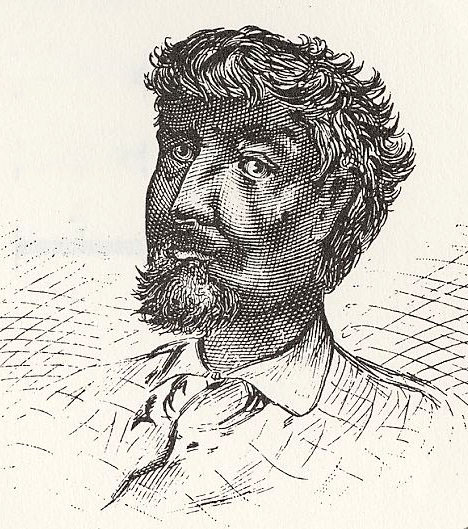
Jean Baptiste Point du Sable
Jean Baptiste Point du Sable (French pronunciation: [ʒɑ̃ batist pwɛ̃ dy sɑbl]; also spelled Point de Sable, Point au Sable, Point Sable, Pointe DuSable, or Pointe du Sable; before 1750 – August 28, 1818) is regarded as the first permanent non-Native settler of what would later become Chicago, Illinois, and is recognized as the city's founder. The site where he settled near the mouth of the Chicago River around the 1780s is memorialized as a National Historic Landmark, now located in Pioneer Court.
Point du Sable was of African descent, but little else is known of his life before the 1770s. During his career, the areas where he settled and traded around the Great Lakes and in the Illinois Country changed hands several times between France, Britain, Spain and the United States. Described as handsome and well-educated, Point du Sable married a Potawatomi Native American woman, Kitihawa, and they had two children. In 1779, during the American Revolutionary War, he was arrested by the British on suspicion of being an American Patriot sympathizer. In the early 1780s, he worked for the British lieutenant-governor of Michilimackinac on an estate at what is now St. Clair, Michigan.
Point du Sable is first recorded as living at the mouth of the Chicago River in a trader's journal of early 1790. By then, he had established an extensive and prosperous trading settlement in what later became the City of Chicago. He sold his Chicago River property in 1800 and moved to the river port of St. Charles, where he was licensed to run a ferry across the Missouri River. Point du Sable's role in developing the Chicago River settlement was little recognized until the mid-20th century.
In Chicago, a school, museum, harbor, park, bridge, and road have been named in du Sable's honor.
There are no records of Point du Sable's life before the 1770s. Though it is known from sources during his life that he was of African descent, his birth date, place of birth, and parents are unknown. Juliette Kinzie, another early pioneer of Chicago, never met Point du Sable but said in her 1856 memoir that he was "a native of St. Domingo" (the island of Hispaniola). This became generally accepted as his place of birth. Historian Milo Milton Quaife regarded Kinzie's account of Point du Sable as "largely fictitious and wholly unauthenticated", later putting forward a theory that he was of African and French-Canadian origin. A historical novel published in 1953 helped to popularize the claim that Point du Sable was born in 1745 in Saint-Marc in French Saint-Domingue (which later became Haiti). If he was born outside continental North America, there are competing accounts as to whether he entered as a trader from the north through French Canada, or from the south through French Louisiana.
Point du Sable married a Potawatomi woman named Kitihawa (Christianized to Catherine) on 27 October 1788, in a Catholic ceremony in Cahokia in the Illinois Country, a longtime French colonial settlement on the east side of the Mississippi River. It is likely that this couple was married earlier in the 1770s in a Native American tradition. They had a son named Jean and a daughter named Susanne. Point du Sable supported his family as a frontier trader (voyageur or coureur des bois) and settler during a period of great upheaval for the former southern dependencies of French Canada and in the Illinois Country, where the regions changed hands several times over the course of half a century.
In a footnote to a poem titled Speech to the Western Indians, Arent DePeyster, British commandant from 1774 to 1779 at Fort Michilimackinac (a former French fort in what was then the British province of Quebec), noted that "Baptist Point de Saible" was "a handsome negro", "well educated", and "settled in Eschecagou". When he published this poem in 1813, DePeyster presented it as a speech that he had made at the village of Arbrecroche (now Harbor Springs, Michigan) on 4 July 1779. This footnote has led many scholars to assume that Point du Sable had settled in Chicago by 1779. But letters written by other traders in the late 1770s suggest that Point du Sable was at this time settled at the mouth of Trail Creek (Rivière du Chemin) at what is now Michigan City, Indiana.
In August 1779, during the American Revolutionary War, Point du Sable was arrested as a suspected American Patriot at Trail Creek by British troops and imprisoned briefly at Fort Michilimackinac. An officer's report following his arrest noted that Point du Sable had many friends who vouched for his good character. The following year, Point du Sable was ordered transported to the Pinery on the St. Clair River north of Detroit. From the summer of 1780 until May 1784, Point du Sable managed the Pinery, a tract of woodlands owned by British officer Lt. Patrick Sinclair, on the St. Clair River in eastern Michigan. This may have been a choice given by him from the British, offering him release from his imprisonment to manage the Pinery. Point du Sable lived with his family in a cabin at the mouth of the Pine River in what is now the city of St. Clair.
Hub AI
Jean Baptiste Point du Sable AI simulator
(@Jean Baptiste Point du Sable_simulator)
Jean Baptiste Point du Sable
Jean Baptiste Point du Sable (French pronunciation: [ʒɑ̃ batist pwɛ̃ dy sɑbl]; also spelled Point de Sable, Point au Sable, Point Sable, Pointe DuSable, or Pointe du Sable; before 1750 – August 28, 1818) is regarded as the first permanent non-Native settler of what would later become Chicago, Illinois, and is recognized as the city's founder. The site where he settled near the mouth of the Chicago River around the 1780s is memorialized as a National Historic Landmark, now located in Pioneer Court.
Point du Sable was of African descent, but little else is known of his life before the 1770s. During his career, the areas where he settled and traded around the Great Lakes and in the Illinois Country changed hands several times between France, Britain, Spain and the United States. Described as handsome and well-educated, Point du Sable married a Potawatomi Native American woman, Kitihawa, and they had two children. In 1779, during the American Revolutionary War, he was arrested by the British on suspicion of being an American Patriot sympathizer. In the early 1780s, he worked for the British lieutenant-governor of Michilimackinac on an estate at what is now St. Clair, Michigan.
Point du Sable is first recorded as living at the mouth of the Chicago River in a trader's journal of early 1790. By then, he had established an extensive and prosperous trading settlement in what later became the City of Chicago. He sold his Chicago River property in 1800 and moved to the river port of St. Charles, where he was licensed to run a ferry across the Missouri River. Point du Sable's role in developing the Chicago River settlement was little recognized until the mid-20th century.
In Chicago, a school, museum, harbor, park, bridge, and road have been named in du Sable's honor.
There are no records of Point du Sable's life before the 1770s. Though it is known from sources during his life that he was of African descent, his birth date, place of birth, and parents are unknown. Juliette Kinzie, another early pioneer of Chicago, never met Point du Sable but said in her 1856 memoir that he was "a native of St. Domingo" (the island of Hispaniola). This became generally accepted as his place of birth. Historian Milo Milton Quaife regarded Kinzie's account of Point du Sable as "largely fictitious and wholly unauthenticated", later putting forward a theory that he was of African and French-Canadian origin. A historical novel published in 1953 helped to popularize the claim that Point du Sable was born in 1745 in Saint-Marc in French Saint-Domingue (which later became Haiti). If he was born outside continental North America, there are competing accounts as to whether he entered as a trader from the north through French Canada, or from the south through French Louisiana.
Point du Sable married a Potawatomi woman named Kitihawa (Christianized to Catherine) on 27 October 1788, in a Catholic ceremony in Cahokia in the Illinois Country, a longtime French colonial settlement on the east side of the Mississippi River. It is likely that this couple was married earlier in the 1770s in a Native American tradition. They had a son named Jean and a daughter named Susanne. Point du Sable supported his family as a frontier trader (voyageur or coureur des bois) and settler during a period of great upheaval for the former southern dependencies of French Canada and in the Illinois Country, where the regions changed hands several times over the course of half a century.
In a footnote to a poem titled Speech to the Western Indians, Arent DePeyster, British commandant from 1774 to 1779 at Fort Michilimackinac (a former French fort in what was then the British province of Quebec), noted that "Baptist Point de Saible" was "a handsome negro", "well educated", and "settled in Eschecagou". When he published this poem in 1813, DePeyster presented it as a speech that he had made at the village of Arbrecroche (now Harbor Springs, Michigan) on 4 July 1779. This footnote has led many scholars to assume that Point du Sable had settled in Chicago by 1779. But letters written by other traders in the late 1770s suggest that Point du Sable was at this time settled at the mouth of Trail Creek (Rivière du Chemin) at what is now Michigan City, Indiana.
In August 1779, during the American Revolutionary War, Point du Sable was arrested as a suspected American Patriot at Trail Creek by British troops and imprisoned briefly at Fort Michilimackinac. An officer's report following his arrest noted that Point du Sable had many friends who vouched for his good character. The following year, Point du Sable was ordered transported to the Pinery on the St. Clair River north of Detroit. From the summer of 1780 until May 1784, Point du Sable managed the Pinery, a tract of woodlands owned by British officer Lt. Patrick Sinclair, on the St. Clair River in eastern Michigan. This may have been a choice given by him from the British, offering him release from his imprisonment to manage the Pinery. Point du Sable lived with his family in a cabin at the mouth of the Pine River in what is now the city of St. Clair.