



Community hub
Recent from talks
Knowledge base stats:
Talk channels stats:
Members stats:
Historical fiction
Historical fiction is a literary genre in which a fictional plot takes place in the setting of particular real historical events. Although the term is commonly used as a synonym for historical fiction literature, it can also be applied to other types of narrative, including theatre, opera, cinema, and television, as well as video games and graphic novels.
An essential element of historical fiction is that it is set in the past and pays attention to the manners, social conditions and other details of the depicted period. Authors also frequently choose to explore notable historical figures in these settings, allowing readers to better understand how these individuals might have responded to their environments. The historical romance usually seeks to romanticize eras of the past. Some subgenres such as alternate history and historical fantasy insert intentionally ahistorical or speculative elements into a novel.
Works of historical fiction are sometimes criticized for lack of authenticity because of readerly criticism or genre expectations for accurate period details. This tension between historical authenticity and fiction frequently becomes a point of comment for readers and popular critics, while scholarly criticism frequently goes beyond this commentary, investigating the genre for its other thematic and critical interests.
Historical fiction as a contemporary Western literary genre has its foundations in the early-19th-century works of Sir Walter Scott and his contemporaries in other national literatures such as the Frenchman Honoré de Balzac, the American James Fenimore Cooper, and later the Russian Leo Tolstoy. However, the melding of historical and fictional elements in individual works of literature has a long tradition in many cultures; both western traditions (as early as Ancient Greek and Latin literature) as well as Eastern, in the form of oral and folk traditions (see mythology and folklore), which produced epics, novels, plays and other fictional works describing history for contemporary audiences.
Definitions differ as to what constitutes a historical novel. On the one hand the Historical Novel Society defines the genre as works "written at least fifty years after the events described", while critic Sarah Johnson delineates such novels as "set before the middle of the last [20th] century ... in which the author is writing from research rather than personal experience." Then again Lynda Adamson, in her preface to the bibliographic reference work World Historical Fiction, states that while a "generally accepted definition" for the historical novel is a novel "about a time period at least 25 years before it was written", she also suggests that some people read novels written in the past, like those of Jane Austen (1775–1817), as if they were historical novels.
Historical fiction sometimes encouraged movements of romantic nationalism. Walter Scott's Waverley novels created interest in Scottish history and still illuminate it.[citation needed] A series of novels by Józef Ignacy Kraszewski on the history of Poland popularized the country's history after it had lost its independence in the Partitions of Poland. Henryk Sienkiewicz wrote several immensely popular novels set in conflicts between the Poles and predatory Teutonic Knights, rebelling Cossacks and invading Swedes. He won the 1905 Nobel Prize in literature. He also wrote the popular novel Quo Vadis, which was about Nero's Rome and the early Christians and has been adapted several times for film, in 1913, 1924, 1951, 2001 to only name the most prominent. Sigrid Undset's Kristin Lavransdatter fulfilled a similar function for Norwegian history; Undset later won a Nobel Prize for Literature (1928).[citation needed]
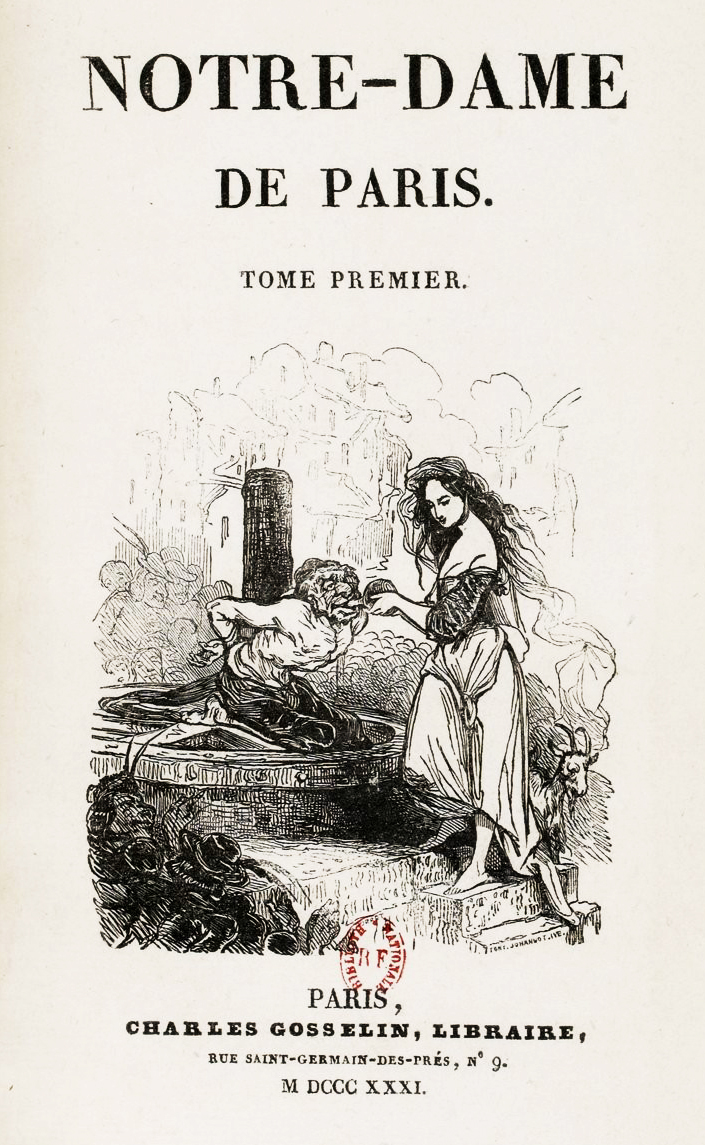
Many early historical novels played an important role in the rise of European popular interest in the history of the Middle Ages. Victor Hugo's The Hunchback of Notre-Dame often receives credit for fueling the movement to preserve the Gothic architecture of France, leading to the establishment of the Monuments historiques, the French governmental authority for historic preservation.
The genre of the historical novel has also permitted some authors, such as the Polish novelist Bolesław Prus in his sole historical novel, Pharaoh, to distance themselves from their own time and place to gain perspective on society and on the human condition, or to escape the depredations of the censor.
Hub AI
Historical fiction AI simulator
(@Historical fiction_simulator)
Historical fiction
Historical fiction is a literary genre in which a fictional plot takes place in the setting of particular real historical events. Although the term is commonly used as a synonym for historical fiction literature, it can also be applied to other types of narrative, including theatre, opera, cinema, and television, as well as video games and graphic novels.
An essential element of historical fiction is that it is set in the past and pays attention to the manners, social conditions and other details of the depicted period. Authors also frequently choose to explore notable historical figures in these settings, allowing readers to better understand how these individuals might have responded to their environments. The historical romance usually seeks to romanticize eras of the past. Some subgenres such as alternate history and historical fantasy insert intentionally ahistorical or speculative elements into a novel.
Works of historical fiction are sometimes criticized for lack of authenticity because of readerly criticism or genre expectations for accurate period details. This tension between historical authenticity and fiction frequently becomes a point of comment for readers and popular critics, while scholarly criticism frequently goes beyond this commentary, investigating the genre for its other thematic and critical interests.
Historical fiction as a contemporary Western literary genre has its foundations in the early-19th-century works of Sir Walter Scott and his contemporaries in other national literatures such as the Frenchman Honoré de Balzac, the American James Fenimore Cooper, and later the Russian Leo Tolstoy. However, the melding of historical and fictional elements in individual works of literature has a long tradition in many cultures; both western traditions (as early as Ancient Greek and Latin literature) as well as Eastern, in the form of oral and folk traditions (see mythology and folklore), which produced epics, novels, plays and other fictional works describing history for contemporary audiences.
Definitions differ as to what constitutes a historical novel. On the one hand the Historical Novel Society defines the genre as works "written at least fifty years after the events described", while critic Sarah Johnson delineates such novels as "set before the middle of the last [20th] century ... in which the author is writing from research rather than personal experience." Then again Lynda Adamson, in her preface to the bibliographic reference work World Historical Fiction, states that while a "generally accepted definition" for the historical novel is a novel "about a time period at least 25 years before it was written", she also suggests that some people read novels written in the past, like those of Jane Austen (1775–1817), as if they were historical novels.
Historical fiction sometimes encouraged movements of romantic nationalism. Walter Scott's Waverley novels created interest in Scottish history and still illuminate it.[citation needed] A series of novels by Józef Ignacy Kraszewski on the history of Poland popularized the country's history after it had lost its independence in the Partitions of Poland. Henryk Sienkiewicz wrote several immensely popular novels set in conflicts between the Poles and predatory Teutonic Knights, rebelling Cossacks and invading Swedes. He won the 1905 Nobel Prize in literature. He also wrote the popular novel Quo Vadis, which was about Nero's Rome and the early Christians and has been adapted several times for film, in 1913, 1924, 1951, 2001 to only name the most prominent. Sigrid Undset's Kristin Lavransdatter fulfilled a similar function for Norwegian history; Undset later won a Nobel Prize for Literature (1928).[citation needed]
Many early historical novels played an important role in the rise of European popular interest in the history of the Middle Ages. Victor Hugo's The Hunchback of Notre-Dame often receives credit for fueling the movement to preserve the Gothic architecture of France, leading to the establishment of the Monuments historiques, the French governmental authority for historic preservation.
The genre of the historical novel has also permitted some authors, such as the Polish novelist Bolesław Prus in his sole historical novel, Pharaoh, to distance themselves from their own time and place to gain perspective on society and on the human condition, or to escape the depredations of the censor.