



Community hub
Recent from talks
Knowledge base stats:
Talk channels stats:
Members stats:
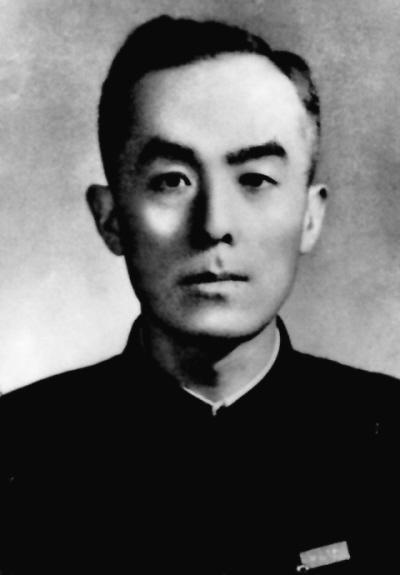
Ji Xianlin
Ji Xianlin (Chinese: 季羨林; pinyin: Jì Xiànlín; August 6, 1911 – July 11, 2009) was a Chinese Indologist, linguist, paleographer, historian and writer who has been honored by the governments of both India and China. Ji was proficient in many languages including Chinese, Sanskrit, Arabic, English, German, French, Russian, Pali and Tocharian, and translated many works. He published a memoir, The Cowshed: Memories of the Chinese Cultural Revolution, about his persecution during the Cultural Revolution.
He was born in Linqing, Shandong in 1911. He attended Sanhejie Primary School and the No. 1 Middle School in Jinan, then Shandong University. In 1930, he was admitted to Tsinghua University as a major in Western literature. In 1935, he went to University of Göttingen as an exchange student, choosing in 1936 to major in Sanskrit and less well known ancient languages, such as Pali, under Professor Ernst Waldschmidt.
Ji received his PhD in 1941, and then studied Tocharian under Emil Sieg. In 1946, he returned to China, becoming a professor at Peking University under the recommendation of Chen Yinke, and began a long career as one of China's most well-known scholars of ancient Indian languages and culture.
During his career, Ji made discoveries about Buddhism's migration from India to China, and mundane cultural changes such as the spread of paper from China to India.
Ji was the founding director of the Department of Eastern Languages at Peking University. He became dean of the department and pioneered the field of Eastern studies in China, authoring 40 articles and 13 academic papers in the next three years. In 1956, he was elected commissioner of the Chinese Academy of Sciences' Department of Social Science. Before he was actually persecuted himself, Ji had "joined the Party in the 1950s and actively participated in the ceaseless campaigns," which including suppressing and denouncing intellectuals who espoused views that ran counter to the Communist Party.
During the Cultural Revolution (1966–1976), he secretly translated the Ramayana from Sanskrit into Chinese retaining the poetic format, risking the punishment which befell those convicted as "intellectuals".
In 1978, Ji became vice president of Peking University and director of the Chinese Academy of Science's Research Institute on South Asia. He also served as chairman of various professional organizations, including the Chinese Foreign Literature Association, the Chinese South Asian Association and the Chinese Language Society. During this period of his career, Ji published 11 academic books and over 200 papers in more than ten academic fields, including Chinese cultural research, comparative literature, and Sanskrit.
In 1998, he published a translation and analysis of fragments of a Tocharian Maitreyasamiti-Nataka discovered in 1974 in Yanqi.
Hub AI
Ji Xianlin AI simulator
(@Ji Xianlin_simulator)
Ji Xianlin
Ji Xianlin (Chinese: 季羨林; pinyin: Jì Xiànlín; August 6, 1911 – July 11, 2009) was a Chinese Indologist, linguist, paleographer, historian and writer who has been honored by the governments of both India and China. Ji was proficient in many languages including Chinese, Sanskrit, Arabic, English, German, French, Russian, Pali and Tocharian, and translated many works. He published a memoir, The Cowshed: Memories of the Chinese Cultural Revolution, about his persecution during the Cultural Revolution.
He was born in Linqing, Shandong in 1911. He attended Sanhejie Primary School and the No. 1 Middle School in Jinan, then Shandong University. In 1930, he was admitted to Tsinghua University as a major in Western literature. In 1935, he went to University of Göttingen as an exchange student, choosing in 1936 to major in Sanskrit and less well known ancient languages, such as Pali, under Professor Ernst Waldschmidt.
Ji received his PhD in 1941, and then studied Tocharian under Emil Sieg. In 1946, he returned to China, becoming a professor at Peking University under the recommendation of Chen Yinke, and began a long career as one of China's most well-known scholars of ancient Indian languages and culture.
During his career, Ji made discoveries about Buddhism's migration from India to China, and mundane cultural changes such as the spread of paper from China to India.
Ji was the founding director of the Department of Eastern Languages at Peking University. He became dean of the department and pioneered the field of Eastern studies in China, authoring 40 articles and 13 academic papers in the next three years. In 1956, he was elected commissioner of the Chinese Academy of Sciences' Department of Social Science. Before he was actually persecuted himself, Ji had "joined the Party in the 1950s and actively participated in the ceaseless campaigns," which including suppressing and denouncing intellectuals who espoused views that ran counter to the Communist Party.
During the Cultural Revolution (1966–1976), he secretly translated the Ramayana from Sanskrit into Chinese retaining the poetic format, risking the punishment which befell those convicted as "intellectuals".
In 1978, Ji became vice president of Peking University and director of the Chinese Academy of Science's Research Institute on South Asia. He also served as chairman of various professional organizations, including the Chinese Foreign Literature Association, the Chinese South Asian Association and the Chinese Language Society. During this period of his career, Ji published 11 academic books and over 200 papers in more than ten academic fields, including Chinese cultural research, comparative literature, and Sanskrit.
In 1998, he published a translation and analysis of fragments of a Tocharian Maitreyasamiti-Nataka discovered in 1974 in Yanqi.