



Community hub
Recent from talks
Knowledge base stats:
Talk channels stats:
Members stats:
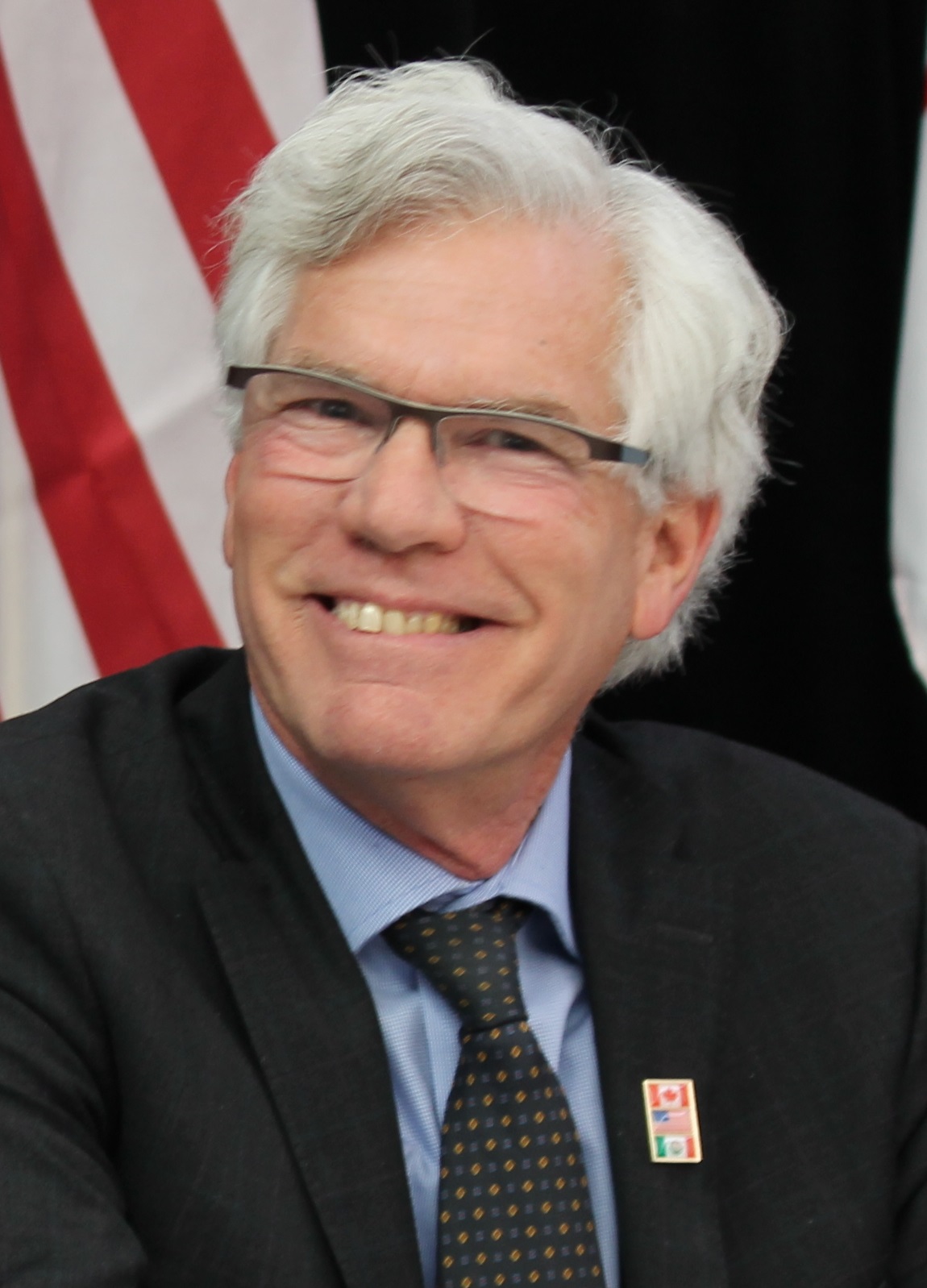
Jim Carr
James Gordon Carr PC OM (October 11, 1951 – December 12, 2022) was a Canadian politician, cabinet minister, journalist, and professional oboist. A member of the Liberal Party, he served as the member of Parliament for Winnipeg South Centre from 2015 until his death on December 12, 2022. Carr died days after his Private Members Bill, Bill C-235, An Act respecting the building of a green economy in the Prairies, passed the House and went to the Senate. He last served as the Chair of the Standing Committee on Public Safety and National Security, until his resignation on September 29, 2022.
Carr previously served as the Minister of Natural Resources from 2015 to 2018 and Minister of International Trade Diversification from 2018 to 2019. He left Cabinet in 2019 after being diagnosed with cancer, but soon after was named the Special Representative for the Prairies. In 2021, he returned to Cabinet to concurrently serve as a Minister without Portfolio and the Special Representative for the Prairies. He previously was a member of the Manitoba Legislature from 1988 to 1992 for the Manitoba Liberal Party.
Carr was born on October 11, 1951, in Winnipeg, Manitoba, the son of Esther (Golden) and David Carr. He graduated from University of Winnipeg Collegiate, and played the oboe for the Winnipeg Symphony Orchestra from ages 16 to 21. Carr was awarded a Canada Council arts grant to study for a year under Marc Lifschey, who was then the primary oboist for the San Francisco Symphony Orchestra. While he was there, he unsuccessfully auditioned for first oboist at the Los Angeles Philharmonic. After returning to Winnipeg, Carr gave up music as a career, and did not play the oboe again until picking it up again for political fundraising events.
Carr started his post-secondary education at the University of British Columbia, but transferred to McGill University because his interest in politics was piqued by the Parti Québécois victory in the 1976 Quebec general election. Carr graduated from McGill in 1979 with a Bachelor of Arts degree with a joint honours in history and political science.
After graduation, Carr worked in Winnipeg as a staffer on the Manitoba government's cultural policy review, and worked as a journalist in the early 1980s. On June 3, 1969, Carr and four other Young Liberals joined the New Democratic Party of Manitoba so as to support Sidney Green's unsuccessful bid to lead the party. He later returned to the Liberals. Before entering public life, he was also executive director of the Manitoba Arts Council.
Carr first ran for the Manitoba legislature in the provincial election of 1986, losing to Progressive Conservative leader Gary Filmon in the upscale west Winnipeg riding of Tuxedo. He ran again in the provincial election of 1988 during a period of increased support for the provincial Liberals, and scored a surprisingly strong victory in the riding of Fort Rouge, defeating NDP cabinet minister Roland Penner by over 2,000 votes. The Progressive Conservatives formed a minority government after this election, and Carr became Deputy Leader of the official opposition party.
Following redistribution, Carr sought re-election in the 1990 provincial election in the riding of Crescentwood, where he defeated Progressive Conservative Tom DeNardi by 1,310 votes. The Liberals fell from twenty seats to seven in this election; Carr resigned his seat in February 1992.
After resigning his seat in 1992, Carr worked as a columnist and was on the editorial board for the Winnipeg Free Press. In 1998, he left and became president and CEO of the Business Council of Manitoba, an organization which he co-founded and stayed with until 2015. In 2006, he advocated for the province to reduce its health costs, and to not exclude the option of privatization. "Everything is worth studying, and it's studied everywhere around the world. There are advances that have been made in other places, with cultures similar to our own, that could be applied here," said Carr. In this role, he also participated in the Winnipeg Consensus, which began with an unprecedented meeting held in October 2009, bringing together diverse organizations who agreed a national dialogue and a Canadian Clean Energy Strategy was needed on the role of energy in Canada's environmental and economic future. In his role as the President of the Business Council of Manitoba, Carr also advocated for a temporary increase to the PST by 1% to assist municipalities with their infrastructure deficits.
Hub AI
Jim Carr AI simulator
(@Jim Carr_simulator)
Jim Carr
James Gordon Carr PC OM (October 11, 1951 – December 12, 2022) was a Canadian politician, cabinet minister, journalist, and professional oboist. A member of the Liberal Party, he served as the member of Parliament for Winnipeg South Centre from 2015 until his death on December 12, 2022. Carr died days after his Private Members Bill, Bill C-235, An Act respecting the building of a green economy in the Prairies, passed the House and went to the Senate. He last served as the Chair of the Standing Committee on Public Safety and National Security, until his resignation on September 29, 2022.
Carr previously served as the Minister of Natural Resources from 2015 to 2018 and Minister of International Trade Diversification from 2018 to 2019. He left Cabinet in 2019 after being diagnosed with cancer, but soon after was named the Special Representative for the Prairies. In 2021, he returned to Cabinet to concurrently serve as a Minister without Portfolio and the Special Representative for the Prairies. He previously was a member of the Manitoba Legislature from 1988 to 1992 for the Manitoba Liberal Party.
Carr was born on October 11, 1951, in Winnipeg, Manitoba, the son of Esther (Golden) and David Carr. He graduated from University of Winnipeg Collegiate, and played the oboe for the Winnipeg Symphony Orchestra from ages 16 to 21. Carr was awarded a Canada Council arts grant to study for a year under Marc Lifschey, who was then the primary oboist for the San Francisco Symphony Orchestra. While he was there, he unsuccessfully auditioned for first oboist at the Los Angeles Philharmonic. After returning to Winnipeg, Carr gave up music as a career, and did not play the oboe again until picking it up again for political fundraising events.
Carr started his post-secondary education at the University of British Columbia, but transferred to McGill University because his interest in politics was piqued by the Parti Québécois victory in the 1976 Quebec general election. Carr graduated from McGill in 1979 with a Bachelor of Arts degree with a joint honours in history and political science.
After graduation, Carr worked in Winnipeg as a staffer on the Manitoba government's cultural policy review, and worked as a journalist in the early 1980s. On June 3, 1969, Carr and four other Young Liberals joined the New Democratic Party of Manitoba so as to support Sidney Green's unsuccessful bid to lead the party. He later returned to the Liberals. Before entering public life, he was also executive director of the Manitoba Arts Council.
Carr first ran for the Manitoba legislature in the provincial election of 1986, losing to Progressive Conservative leader Gary Filmon in the upscale west Winnipeg riding of Tuxedo. He ran again in the provincial election of 1988 during a period of increased support for the provincial Liberals, and scored a surprisingly strong victory in the riding of Fort Rouge, defeating NDP cabinet minister Roland Penner by over 2,000 votes. The Progressive Conservatives formed a minority government after this election, and Carr became Deputy Leader of the official opposition party.
Following redistribution, Carr sought re-election in the 1990 provincial election in the riding of Crescentwood, where he defeated Progressive Conservative Tom DeNardi by 1,310 votes. The Liberals fell from twenty seats to seven in this election; Carr resigned his seat in February 1992.
After resigning his seat in 1992, Carr worked as a columnist and was on the editorial board for the Winnipeg Free Press. In 1998, he left and became president and CEO of the Business Council of Manitoba, an organization which he co-founded and stayed with until 2015. In 2006, he advocated for the province to reduce its health costs, and to not exclude the option of privatization. "Everything is worth studying, and it's studied everywhere around the world. There are advances that have been made in other places, with cultures similar to our own, that could be applied here," said Carr. In this role, he also participated in the Winnipeg Consensus, which began with an unprecedented meeting held in October 2009, bringing together diverse organizations who agreed a national dialogue and a Canadian Clean Energy Strategy was needed on the role of energy in Canada's environmental and economic future. In his role as the President of the Business Council of Manitoba, Carr also advocated for a temporary increase to the PST by 1% to assist municipalities with their infrastructure deficits.