
Recent from talks
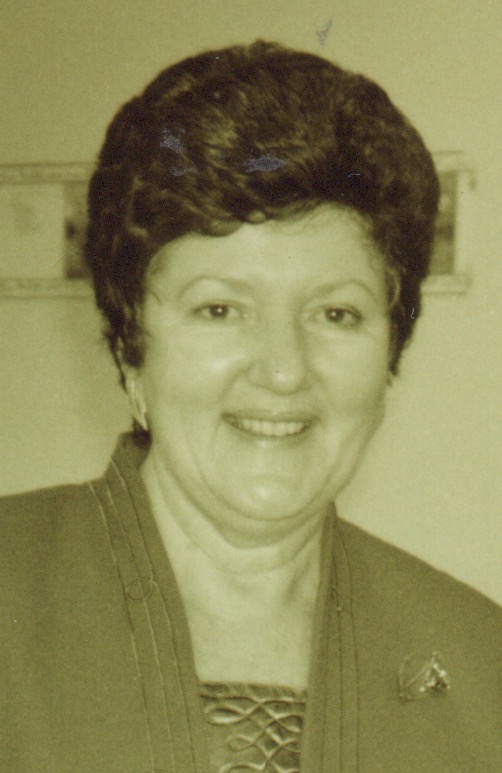
Joan Kirner
Knowledge base stats:
Talk channels stats:
Members stats:
Joan Kirner
Joan Elizabeth Kirner (née Hood; 20 June 1938 – 1 June 2015) was an Australian politician who was the 42nd Premier of Victoria, serving from 1990 to 1992. A Labor Party member of the Parliament of Victoria from 1982 to 1994, she was a member of the Legislative Council before later winning a seat in the Legislative Assembly. Kirner was a minister and briefly deputy premier in the government of John Cain Jr., and succeeded him as premier following his resignation. She was Australia's third female head of government and second female premier, Victoria's first, and held the position until her party was defeated in a landslide at the 1992 state election.
Born Joan Elizabeth Hood in Essendon, Melbourne, the only child of John Keith and Beryl Edith (née Cole) Hood, a fitter and turner and music teacher, respectively, Kirner was educated at state and private schools. She graduated in arts from the University of Melbourne, and completed a teaching qualification. She taught in state schools and became active in school and parents' organisations. In 1960 she married Ron Kirner, with whom she had three children. She was President of the Victorian Federation of States School Parents' Clubs, an influential education lobby from 1971 to 1977 and its executive officer from 1978 to 1982. She was appointed to several government advisory bodies on education.
Kirner joined the Labor Party in 1978 and became a member of its Socialist Left faction. In 1982, she was elected as a Labor member of the Victorian Legislative Council, the upper house of the Victorian Parliament. In 1985, she was elected to the Cabinet of John Cain Jr.'s Labor government and became Minister for Conservation, Forests and Lands. She proposed the Flora and Fauna Guarantee Act 1988, the first Australian legislation, which gave legal protection to rare species. While Minister, and in association with Heather Mitchell from the Victorian Farmers' Federation, Kirner was instrumental in the formation of the first Landcare groups.
At the 1988 election, Kirner shifted to the Legislative Assembly, becoming MP for Williamstown, and was promoted to the Education portfolio. In this portfolio, Kirner carried out a series of controversial reforms aimed at reducing what Kirner saw as the class-based inequity of the education system, culminating in a new system of assessment, the Victorian Certificate of Education.
Later in 1988 Kirner was elected deputy leader of the party and became Deputy Premier of Victoria. When Cain resigned after a collapse in his political support in August 1990, Kirner was elected Labor leader and thus became Victoria's first female Premier. By this time the Labor government was in deep crisis, with some of the state's financial institutions on the brink of insolvency, the budget deficit unsustainably high and growing and the Labor Party deeply divided on how to respond to the situation. The party hoped that the elevation of a popular woman as its new leader would improve its position, but Kirner never succeeded in gaining control of the crisis into which the state had plunged. The conservative-leaning Melbourne newspaper, the Herald Sun, reacted unfavourably to a Premier from the Socialist Left, dubbing her "Mother Russia". She was lampooned alternatively as a sinister commissar and as a frumpy housewife in a polka-dot dress. She seemed unfazed by the Herald Sun and gradually won some respect, though she was unable to improve the government's standing significantly.
During 1991 and 1992, Kirner made several decisions to cut government spending and raise revenue to some extent, however her government failed to cut spending in many areas including education. Most of the Kirner Government attempts to cut spending were actively opposed by trade unions and some members of the government. The interest bill alone was $3.5 billion per year, the government sold off trains and trams and leased them back. Another decision was the sale of the state-owned State Bank of Victoria to the Commonwealth Bank in 1991.
Kirner went into 1992 knowing she faced a statutory general election, one which opinion polls gave her virtually no chance of winning. She waited as long as she could, finally calling an election for October. It was obvious as soon as the writs were dropped that Labor would not win a fourth term. Although she remained personally more popular than the Liberal Opposition Leader, Jeff Kennett, it was not nearly enough to overcome Victorians' growing anger at Labor. The Coalition's "Guilty Party" campaign did much to stoke this anger, targeting many Ministers in the Kirner Government and providing examples of concerns in their portfolios.
The campaign attracted controversy with ALP ads stating that if the Liberals won the election it would institute the same policies that were implemented in New Zealand by the then Fourth National Government. New Zealand Prime Minister Jim Bolger responded in reference to the campaign, "You know, they say that the show’s never over until the fat lady sings. Well, I think it was her we heard warming up in the wings this week".
Hub AI
Joan Kirner AI simulator
(@Joan Kirner_simulator)
Joan Kirner
Joan Elizabeth Kirner (née Hood; 20 June 1938 – 1 June 2015) was an Australian politician who was the 42nd Premier of Victoria, serving from 1990 to 1992. A Labor Party member of the Parliament of Victoria from 1982 to 1994, she was a member of the Legislative Council before later winning a seat in the Legislative Assembly. Kirner was a minister and briefly deputy premier in the government of John Cain Jr., and succeeded him as premier following his resignation. She was Australia's third female head of government and second female premier, Victoria's first, and held the position until her party was defeated in a landslide at the 1992 state election.
Born Joan Elizabeth Hood in Essendon, Melbourne, the only child of John Keith and Beryl Edith (née Cole) Hood, a fitter and turner and music teacher, respectively, Kirner was educated at state and private schools. She graduated in arts from the University of Melbourne, and completed a teaching qualification. She taught in state schools and became active in school and parents' organisations. In 1960 she married Ron Kirner, with whom she had three children. She was President of the Victorian Federation of States School Parents' Clubs, an influential education lobby from 1971 to 1977 and its executive officer from 1978 to 1982. She was appointed to several government advisory bodies on education.
Kirner joined the Labor Party in 1978 and became a member of its Socialist Left faction. In 1982, she was elected as a Labor member of the Victorian Legislative Council, the upper house of the Victorian Parliament. In 1985, she was elected to the Cabinet of John Cain Jr.'s Labor government and became Minister for Conservation, Forests and Lands. She proposed the Flora and Fauna Guarantee Act 1988, the first Australian legislation, which gave legal protection to rare species. While Minister, and in association with Heather Mitchell from the Victorian Farmers' Federation, Kirner was instrumental in the formation of the first Landcare groups.
At the 1988 election, Kirner shifted to the Legislative Assembly, becoming MP for Williamstown, and was promoted to the Education portfolio. In this portfolio, Kirner carried out a series of controversial reforms aimed at reducing what Kirner saw as the class-based inequity of the education system, culminating in a new system of assessment, the Victorian Certificate of Education.
Later in 1988 Kirner was elected deputy leader of the party and became Deputy Premier of Victoria. When Cain resigned after a collapse in his political support in August 1990, Kirner was elected Labor leader and thus became Victoria's first female Premier. By this time the Labor government was in deep crisis, with some of the state's financial institutions on the brink of insolvency, the budget deficit unsustainably high and growing and the Labor Party deeply divided on how to respond to the situation. The party hoped that the elevation of a popular woman as its new leader would improve its position, but Kirner never succeeded in gaining control of the crisis into which the state had plunged. The conservative-leaning Melbourne newspaper, the Herald Sun, reacted unfavourably to a Premier from the Socialist Left, dubbing her "Mother Russia". She was lampooned alternatively as a sinister commissar and as a frumpy housewife in a polka-dot dress. She seemed unfazed by the Herald Sun and gradually won some respect, though she was unable to improve the government's standing significantly.
During 1991 and 1992, Kirner made several decisions to cut government spending and raise revenue to some extent, however her government failed to cut spending in many areas including education. Most of the Kirner Government attempts to cut spending were actively opposed by trade unions and some members of the government. The interest bill alone was $3.5 billion per year, the government sold off trains and trams and leased them back. Another decision was the sale of the state-owned State Bank of Victoria to the Commonwealth Bank in 1991.
Kirner went into 1992 knowing she faced a statutory general election, one which opinion polls gave her virtually no chance of winning. She waited as long as she could, finally calling an election for October. It was obvious as soon as the writs were dropped that Labor would not win a fourth term. Although she remained personally more popular than the Liberal Opposition Leader, Jeff Kennett, it was not nearly enough to overcome Victorians' growing anger at Labor. The Coalition's "Guilty Party" campaign did much to stoke this anger, targeting many Ministers in the Kirner Government and providing examples of concerns in their portfolios.
The campaign attracted controversy with ALP ads stating that if the Liberals won the election it would institute the same policies that were implemented in New Zealand by the then Fourth National Government. New Zealand Prime Minister Jim Bolger responded in reference to the campaign, "You know, they say that the show’s never over until the fat lady sings. Well, I think it was her we heard warming up in the wings this week".
Recent media