
Recent from talks
John Russell, Viscount Amberley
Knowledge base stats:
Talk channels stats:
Members stats:
John Russell, Viscount Amberley
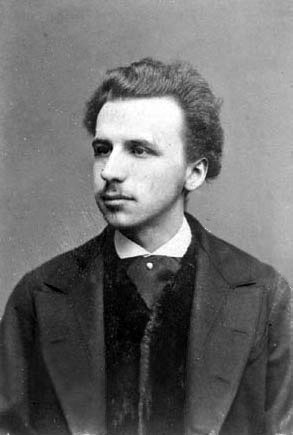
John Russell, Viscount Amberley (10 December 1842 – 9 January 1876) was a British politician and writer. He was the eldest son of John Russell, who twice served as Prime Minister of the United Kingdom, and he was the father of the philosopher Bertrand Russell. Amberley is known for his unorthodox views on religion and for his active support of birth control and women's suffrage, which contributed to the end of his short career as Liberal Member of Parliament.
John Russell was born on 10 December 1842 at Chesham Place, London, the first son of Lord John Russell, himself the son of the 6th Duke of Bedford. His mother was Lord Russell's second wife, Lady Frances, daughter of the 2nd Earl of Minto. In 1846, his father became Prime Minister of the United Kingdom and served as such twice. Due to Lord John's elevation to peerage as Earl Russell in 1861, his son and heir apparent became known as Viscount Amberley.
After a home education, he was sent to Harrow School. He was an exceptionally studious boy and his performance at school pleased his father. He later attended the University of Edinburgh and Trinity College, Cambridge. At Cambridge, he formed a close and lasting friendship with T. J. Cobden-Sanderson, who shared his irreligious views. Both left Cambridge without taking a degree; Amberley's departure in February 1863 was due to his dislike for Cambridge's social tone and focus on mathematics.
Rejecting the divinity of Christ in the early 1860s, Amberley wrote on his 21st birthday, "I am therefore at the present moment what is called a 'Deist'." In 1864, he embarked on a comparative study of religions and started writing An Analysis of Religious Belief. He published the first part of an article on "The Church of England as a Religious Body" in December 1866 and the second in February 1867, arguing that the clergy should consider all theological doctrines equally because the Church of England was a national church and tithes were paid by all citizens, regardless of their personal convictions.
Amberley was pressured by his father to take up politics, and his friend, the philosopher John Stuart Mill MP, expected him to become his political heir. Following an unsuccessful 1865 candidature at Leeds, he was elected Member of Parliament for Nottingham on 11 May 1866. A progressive Liberal, he served until 17 November 1868. Amberley's religious views presented a great obstacle to his political career, with even Liberal clergymen angered by his refusal to observe Sunday. He also advocated birth control as means of countering overpopulation and public health issues, for which he was accused of depreciating marriage, supporting abortion, and insulting physicians. This stance cost him a seat in the South Devon election in 1868. Following this defeat, he gave up his parliamentary career, but continued to write and speak in favour of women's suffrage.
Quitting politics left Amberley with more time to spend researching religions and publishing articles. His parents and siblings tolerated his unorthodox ideas but disagreed with them. They did, however, denounce his affiliation with Positivism. He joined the Workmen's Peace Association, formed in 1870, but opposed the idea of disarmament, stating that it "would most likely lead to war".
In November 1860, the black-haired and short statured Lord Amberley met and fell in love with Janet Chambers, daughter of the publisher Robert Chambers. The affection remained strong until her death in 1863, but it does not appear probable that Amberley ever contemplated marrying her.
He met Katharine Stanley in early 1864. Lord and Lady Russell disliked her parents, the politician Lord Stanley of Alderley and the women's education campaigner Lady Stanley of Alderley. The couple was thus prohibited from seeing each other for six months, but married immediately after the separation on 8 November 1864 at Alderley, Cheshire. In sharp contrast to her serious and shy husband, Lady Amberley was remarkably vivacious, and their brief marriage was very happy.
Hub AI
John Russell, Viscount Amberley AI simulator
(@John Russell, Viscount Amberley_simulator)
John Russell, Viscount Amberley
John Russell, Viscount Amberley (10 December 1842 – 9 January 1876) was a British politician and writer. He was the eldest son of John Russell, who twice served as Prime Minister of the United Kingdom, and he was the father of the philosopher Bertrand Russell. Amberley is known for his unorthodox views on religion and for his active support of birth control and women's suffrage, which contributed to the end of his short career as Liberal Member of Parliament.
John Russell was born on 10 December 1842 at Chesham Place, London, the first son of Lord John Russell, himself the son of the 6th Duke of Bedford. His mother was Lord Russell's second wife, Lady Frances, daughter of the 2nd Earl of Minto. In 1846, his father became Prime Minister of the United Kingdom and served as such twice. Due to Lord John's elevation to peerage as Earl Russell in 1861, his son and heir apparent became known as Viscount Amberley.
After a home education, he was sent to Harrow School. He was an exceptionally studious boy and his performance at school pleased his father. He later attended the University of Edinburgh and Trinity College, Cambridge. At Cambridge, he formed a close and lasting friendship with T. J. Cobden-Sanderson, who shared his irreligious views. Both left Cambridge without taking a degree; Amberley's departure in February 1863 was due to his dislike for Cambridge's social tone and focus on mathematics.
Rejecting the divinity of Christ in the early 1860s, Amberley wrote on his 21st birthday, "I am therefore at the present moment what is called a 'Deist'." In 1864, he embarked on a comparative study of religions and started writing An Analysis of Religious Belief. He published the first part of an article on "The Church of England as a Religious Body" in December 1866 and the second in February 1867, arguing that the clergy should consider all theological doctrines equally because the Church of England was a national church and tithes were paid by all citizens, regardless of their personal convictions.
Amberley was pressured by his father to take up politics, and his friend, the philosopher John Stuart Mill MP, expected him to become his political heir. Following an unsuccessful 1865 candidature at Leeds, he was elected Member of Parliament for Nottingham on 11 May 1866. A progressive Liberal, he served until 17 November 1868. Amberley's religious views presented a great obstacle to his political career, with even Liberal clergymen angered by his refusal to observe Sunday. He also advocated birth control as means of countering overpopulation and public health issues, for which he was accused of depreciating marriage, supporting abortion, and insulting physicians. This stance cost him a seat in the South Devon election in 1868. Following this defeat, he gave up his parliamentary career, but continued to write and speak in favour of women's suffrage.
Quitting politics left Amberley with more time to spend researching religions and publishing articles. His parents and siblings tolerated his unorthodox ideas but disagreed with them. They did, however, denounce his affiliation with Positivism. He joined the Workmen's Peace Association, formed in 1870, but opposed the idea of disarmament, stating that it "would most likely lead to war".
In November 1860, the black-haired and short statured Lord Amberley met and fell in love with Janet Chambers, daughter of the publisher Robert Chambers. The affection remained strong until her death in 1863, but it does not appear probable that Amberley ever contemplated marrying her.
He met Katharine Stanley in early 1864. Lord and Lady Russell disliked her parents, the politician Lord Stanley of Alderley and the women's education campaigner Lady Stanley of Alderley. The couple was thus prohibited from seeing each other for six months, but married immediately after the separation on 8 November 1864 at Alderley, Cheshire. In sharp contrast to her serious and shy husband, Lady Amberley was remarkably vivacious, and their brief marriage was very happy.
Recent media