
Recent from talks
Josef Triebensee
Knowledge base stats:
Talk channels stats:
Members stats:
Josef Triebensee
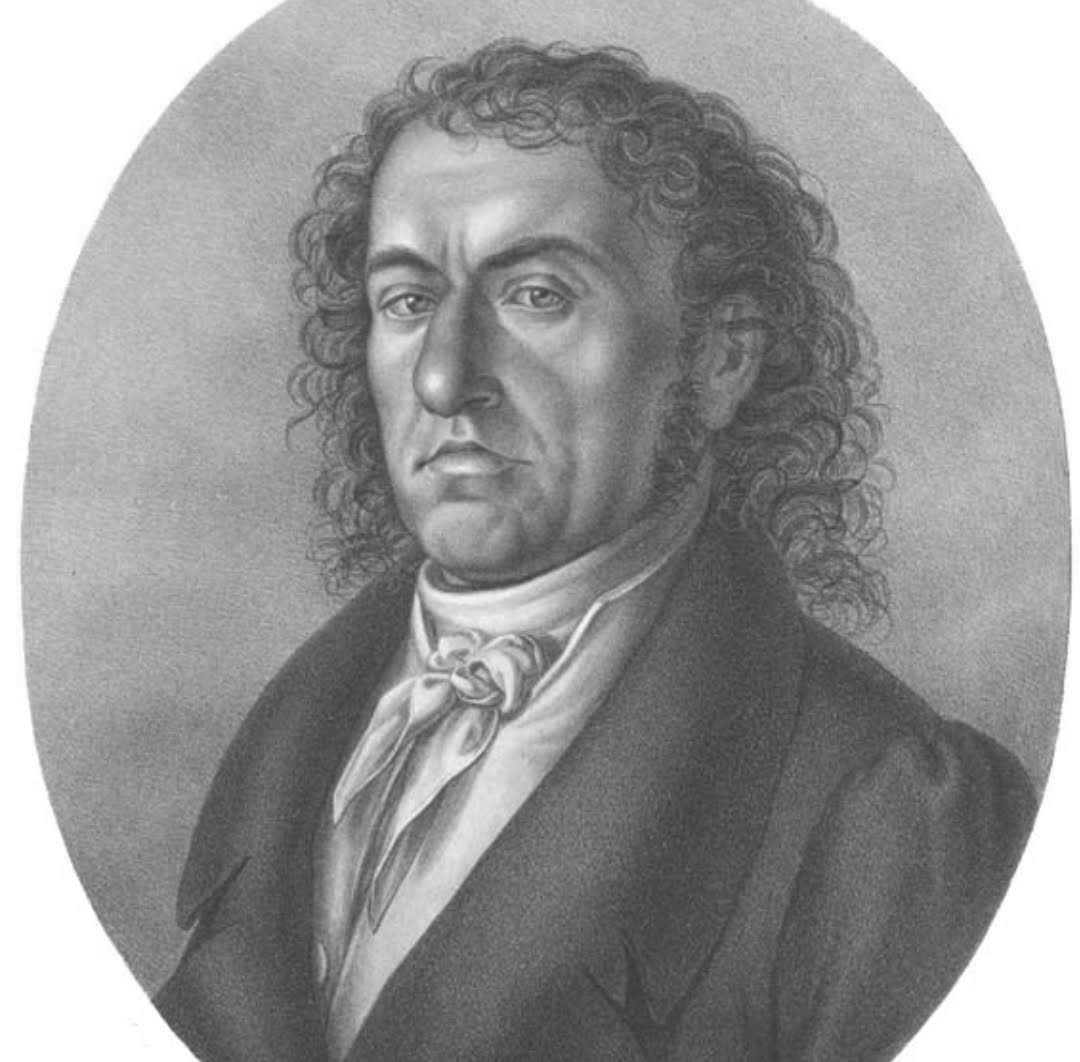
Josef Triebensee (Trübensee) (November 21, 1772 Třeboň - April 22, 1846 Prague) was a Bohemian composer and oboist.
He studied composition with Albrechtsberger and oboe with his father, Georg Triebensee (January 28, 1746-June 14, 1813) who served in the private orchestra of Prince Schwarzenberg, and then from 1782 to 1806 as first oboist of the Austrian Emperor's Harmonie (wind band). Concurrently, he also served as principal oboist at the Nationaltheater of Vienna with Johann Went playing 2nd oboe. Josef II had basically poached the principal oboe, principal cor anglais and principal bassoonist from the Schwarzenberg Harmonie (founded 1771) to head up his own Harmonie.
Josef was the second oboist, with Olivier Hue, at the Theater auf der Wieden in Vienna in 1791 when he played in the premiere of Mozart's Die Zauberflöte—explaining the peculiar difficulty of the second oboe parts in that work.
Josef then became second oboist at the Kärntnertortheater in 1793 moving up to 1st oboe in 1794. He was also 1st Oboe in Prince Liechtenstein's Harmonie at Feldsberg, and in 1796 became its Kapellmeister.
In 1796 he played 2nd oboe to his father who was on 1st oboe playing in the National Theatre Orchestra in Vienna. The Jahrbuch de Tonkunst in Wien und Prag declared "The Triebensees in the National Theatre Orchestra, father and son, are two great Artistes on the Oboe, which they also play with a most soulful feeling. The son has also written some beautiful compositions, principally for Harmonie music."
In 1809 he left Prince Lichtenstein's Harmonie when it was disbanded.
In 1811 he joined the private orchestra of Count Hunyady, whilst also working as a theater composer in Brno. From 1816 to his retirement in 1836, he was director of the Prague Opera, where he succeeded composer Carl Maria von Weber. Unlike Weber, his operas found little success.
In this period he often played as soloist in the concerts of the Tonkünstler Societät.
Hub AI
Josef Triebensee AI simulator
(@Josef Triebensee_simulator)
Josef Triebensee
Josef Triebensee (Trübensee) (November 21, 1772 Třeboň - April 22, 1846 Prague) was a Bohemian composer and oboist.
He studied composition with Albrechtsberger and oboe with his father, Georg Triebensee (January 28, 1746-June 14, 1813) who served in the private orchestra of Prince Schwarzenberg, and then from 1782 to 1806 as first oboist of the Austrian Emperor's Harmonie (wind band). Concurrently, he also served as principal oboist at the Nationaltheater of Vienna with Johann Went playing 2nd oboe. Josef II had basically poached the principal oboe, principal cor anglais and principal bassoonist from the Schwarzenberg Harmonie (founded 1771) to head up his own Harmonie.
Josef was the second oboist, with Olivier Hue, at the Theater auf der Wieden in Vienna in 1791 when he played in the premiere of Mozart's Die Zauberflöte—explaining the peculiar difficulty of the second oboe parts in that work.
Josef then became second oboist at the Kärntnertortheater in 1793 moving up to 1st oboe in 1794. He was also 1st Oboe in Prince Liechtenstein's Harmonie at Feldsberg, and in 1796 became its Kapellmeister.
In 1796 he played 2nd oboe to his father who was on 1st oboe playing in the National Theatre Orchestra in Vienna. The Jahrbuch de Tonkunst in Wien und Prag declared "The Triebensees in the National Theatre Orchestra, father and son, are two great Artistes on the Oboe, which they also play with a most soulful feeling. The son has also written some beautiful compositions, principally for Harmonie music."
In 1809 he left Prince Lichtenstein's Harmonie when it was disbanded.
In 1811 he joined the private orchestra of Count Hunyady, whilst also working as a theater composer in Brno. From 1816 to his retirement in 1836, he was director of the Prague Opera, where he succeeded composer Carl Maria von Weber. Unlike Weber, his operas found little success.
In this period he often played as soloist in the concerts of the Tonkünstler Societät.
Recent media