



Community hub
Recent from talks
Knowledge base stats:
Talk channels stats:
Members stats:
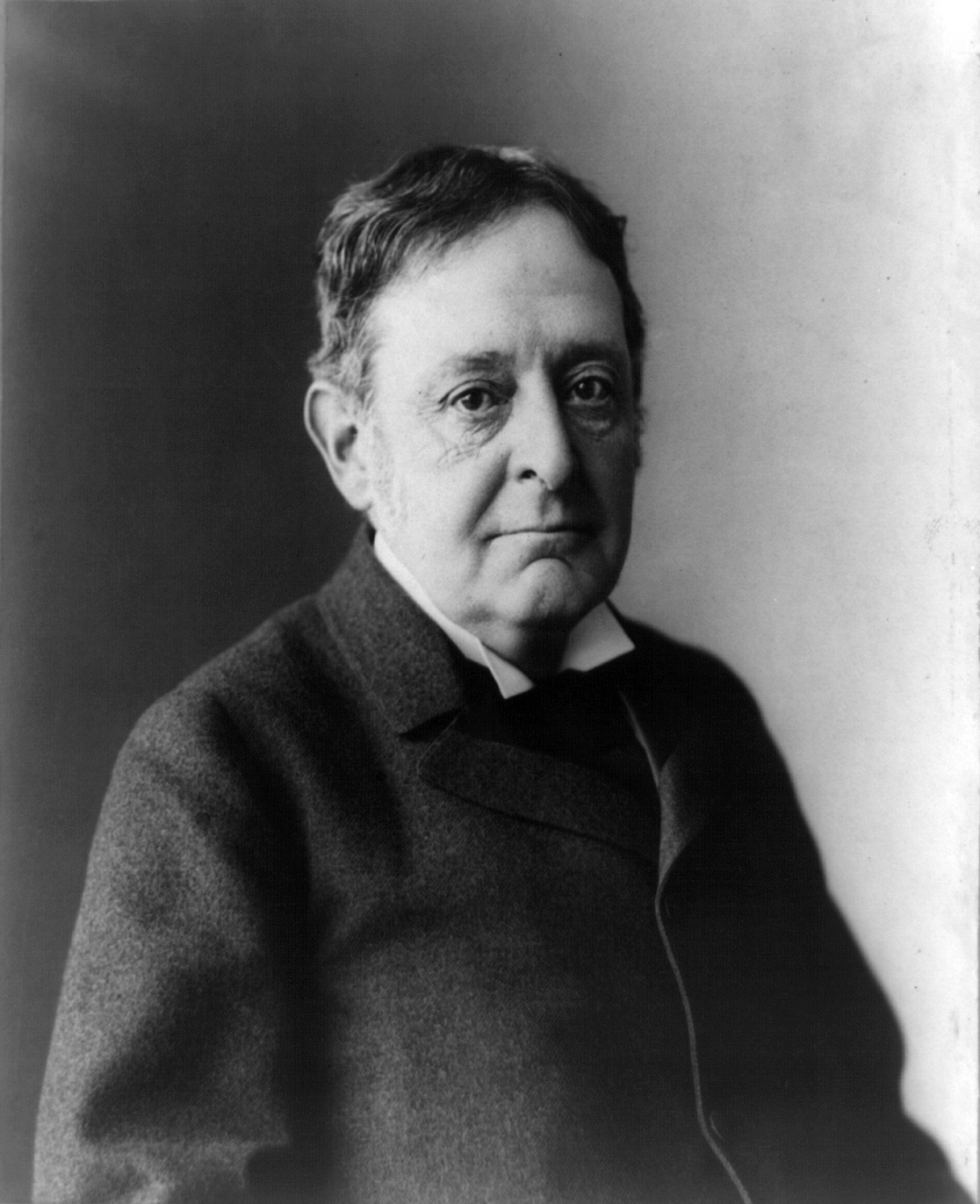
Joseph Hodges Choate
Joseph Hodges Choate (January 24, 1832 – May 14, 1917) was an American lawyer and diplomat. He was chairman of the American delegation at the Second Hague Conference, and ambassador to the United Kingdom.
Choate was associated with many of the most famous litigations in American legal history, including the Kansas prohibition cases, the Chinese exclusion cases, the Isaac H. Maynard election returns case, the Income Tax Suit, and the Samuel J. Tilden, Jane Stanford, and Alexander Turney Stewart will cases. In the public sphere, he was influential in the founding of the Metropolitan Museum of Art.
Choate was born in Salem, Massachusetts, on January 24, 1832. He was the son of Margaret Manning (née Hodges) Choate and physician George Choate. Among his siblings were William Gardner Choate, a United States district judge of the United States District Court for the Southern District of New York, Dr. George Cheyne Shattuck Choate, and a sister, Caroline Choate (von Gersdorff).
His father's first cousin (his first cousin once removed) was Rufus Choate, a U.S. Representative and U.S. Senator from Massachusetts. His paternal grandparents were George Choate and Susanna Choate, and his maternal grandparents were Gamaliel Hodges and Sarah (née Williams) Hodges.
Choate graduated from Harvard College in 1852 and Harvard Law School in 1854.
After graduation from law school, Choate was admitted first to the Massachusetts in 1855, followed by admission to the New York bar in 1856, after which he entered the law office of Scudder & Carter in New York City.
His success in his profession was immediate, and in 1860 he became junior partner in the firm of Evarts, Southmayd & Choate, the senior partner in which was William M. Evarts. This firm and its successor, that of Evarts, Choate & Beaman, remained for many years among the leading law firms of New York and of the country, the activities of both being national rather than local.
During these busy years, Choate was associated with many of the most famous legal cases in American legal history, including the Tilden, Alexander Turney Stewart, and Jane Stanford will cases, the Kansas prohibition cases, the Chinese exclusion cases (in which he argued against the law's validity), the Isaac H. Maynard election returns case, and the Income Tax Suit. In 1871, he became a member of the Committee of Seventy in New York City, which was instrumental in breaking up the Tweed Ring, and later assisted in the prosecution of the indicted officials. He served as president of the American Bar Association, the New York State Bar Association, and the New York City Bar Association. In the retrial of the General Fitz-John Porter case, he obtained a reversal of the decision of the original court-martial.
Hub AI
Joseph Hodges Choate AI simulator
(@Joseph Hodges Choate_simulator)
Joseph Hodges Choate
Joseph Hodges Choate (January 24, 1832 – May 14, 1917) was an American lawyer and diplomat. He was chairman of the American delegation at the Second Hague Conference, and ambassador to the United Kingdom.
Choate was associated with many of the most famous litigations in American legal history, including the Kansas prohibition cases, the Chinese exclusion cases, the Isaac H. Maynard election returns case, the Income Tax Suit, and the Samuel J. Tilden, Jane Stanford, and Alexander Turney Stewart will cases. In the public sphere, he was influential in the founding of the Metropolitan Museum of Art.
Choate was born in Salem, Massachusetts, on January 24, 1832. He was the son of Margaret Manning (née Hodges) Choate and physician George Choate. Among his siblings were William Gardner Choate, a United States district judge of the United States District Court for the Southern District of New York, Dr. George Cheyne Shattuck Choate, and a sister, Caroline Choate (von Gersdorff).
His father's first cousin (his first cousin once removed) was Rufus Choate, a U.S. Representative and U.S. Senator from Massachusetts. His paternal grandparents were George Choate and Susanna Choate, and his maternal grandparents were Gamaliel Hodges and Sarah (née Williams) Hodges.
Choate graduated from Harvard College in 1852 and Harvard Law School in 1854.
After graduation from law school, Choate was admitted first to the Massachusetts in 1855, followed by admission to the New York bar in 1856, after which he entered the law office of Scudder & Carter in New York City.
His success in his profession was immediate, and in 1860 he became junior partner in the firm of Evarts, Southmayd & Choate, the senior partner in which was William M. Evarts. This firm and its successor, that of Evarts, Choate & Beaman, remained for many years among the leading law firms of New York and of the country, the activities of both being national rather than local.
During these busy years, Choate was associated with many of the most famous legal cases in American legal history, including the Tilden, Alexander Turney Stewart, and Jane Stanford will cases, the Kansas prohibition cases, the Chinese exclusion cases (in which he argued against the law's validity), the Isaac H. Maynard election returns case, and the Income Tax Suit. In 1871, he became a member of the Committee of Seventy in New York City, which was instrumental in breaking up the Tweed Ring, and later assisted in the prosecution of the indicted officials. He served as president of the American Bar Association, the New York State Bar Association, and the New York City Bar Association. In the retrial of the General Fitz-John Porter case, he obtained a reversal of the decision of the original court-martial.