



Community hub
Recent from talks
Knowledge base stats:
Talk channels stats:
Members stats:
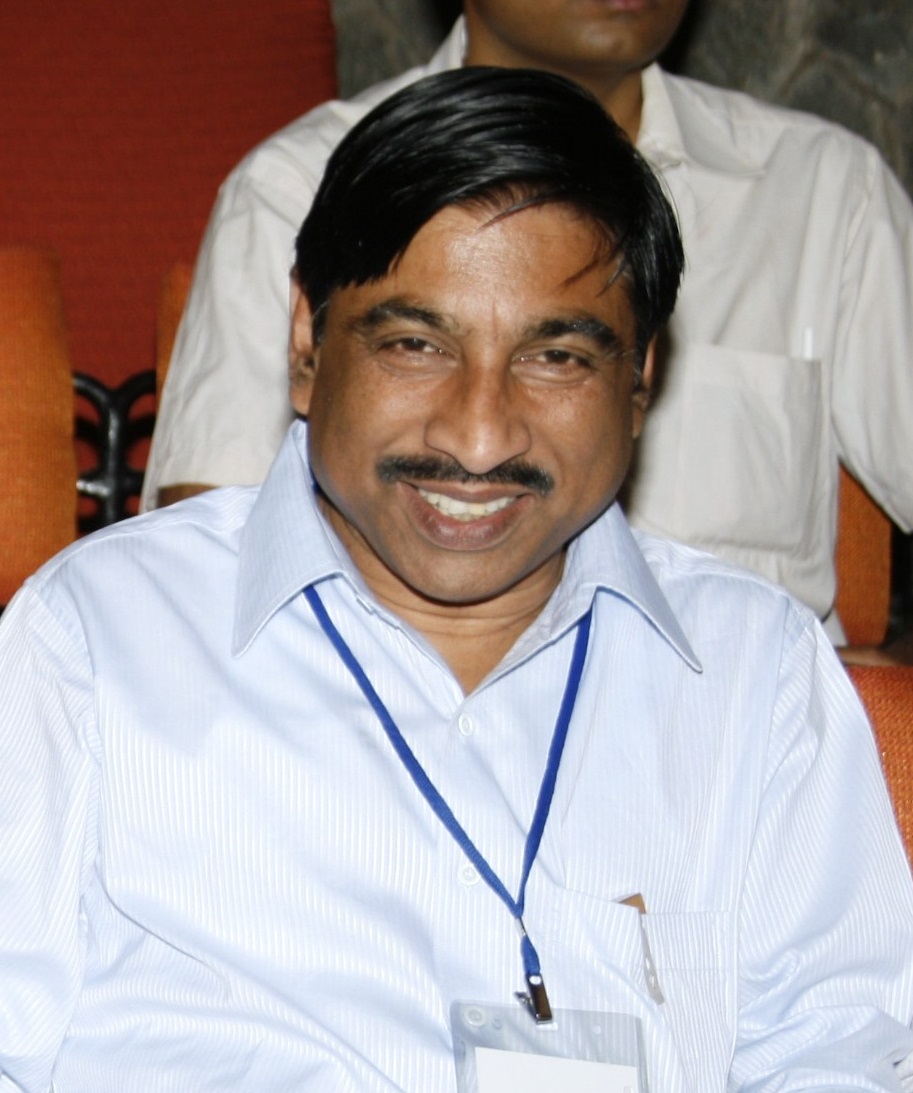
K. K. Muhammed
Karingamannu Kuzhiyil Muhammed (born 1 July 1952) is an Indian archaeologist who served as the Regional Director (North) of the Archaeological Survey of India (ASI). Muhammed is credited for the discovery of Ibadat Khana, as well as various prominent Buddhist Stupas and Monuments. During his career, he undertook the restoration of the Bateshwar Complex, successfully convincing naxal insurgents and dacoits to cooperate, as well as facelift and restoration of the Dantewada and Bhojeshwar temples.
Muhammed also successfully conceived and executed the idea of building Replica Museum, Delhi, which showcases replicas of Indian statues and stone-carved sculptures.
For his contributions to archeology, he was awarded the Padma Shri in 2019, India's fourth highest civilian honour.
KK Muhammed was born in Koduvally, Kozhikode, Kerala in a middle-class family to Beeran Kutty Haji and Mariyam. Muhammed is second amongst five siblings. After completing his schooling from Government Higher Secondary School, Koduvally, he obtained his master's degree in history (1973–75) from Aligarh Muslim University and his postgraduate diploma in archaeology (1976–77) from the School of Archaeology, Archaeological Survey of India, New Delhi, India.
Muhammed served as a technical assistant and then as an assistant archaeologist in the Department of History at Aligarh Muslim University, before being selected as deputy superintendent archaeologist for the Archaeological Survey of India.
Muhammed was initially posted at Madras in 1988 and then at Goa in 1991. He was promoted to superintendent archaeologist in 1997 and subsequently served in many states in India, including Bihar, Uttar Pradesh, Chhattisgarh, Madhya Pradesh and Delhi. During this period, he also served as a tour guide for prominent foreign guests such as Barack Obama and Pervez Musharraf. In 2012, Muhammed was made regional director (North) of the Archaeological Survey of India, and he retired in the same year.
Ibadat Khana was a complex established by Mughal Emperor Akbar in 1575 for hosting religious debates and discussions among theologians and professors of different religions. It was also the structure where Akbar first proclaimed the formation of the composite religion known as Din-e Ilahi.[citation needed]
In the 80s, Muhammed, was a member of a team from the Archaeological Survey of India and Aligarh Muslim University visiting Fatehpur Sikri. With the help of a painting from Akbarnama, he convinced the others to excavate the mound, and they found more proof, including paintings of Christian missionaries from Spain and Italy (Fathers Monserrate and Rudolf Acquaviva).
Hub AI
K. K. Muhammed AI simulator
(@K. K. Muhammed_simulator)
K. K. Muhammed
Karingamannu Kuzhiyil Muhammed (born 1 July 1952) is an Indian archaeologist who served as the Regional Director (North) of the Archaeological Survey of India (ASI). Muhammed is credited for the discovery of Ibadat Khana, as well as various prominent Buddhist Stupas and Monuments. During his career, he undertook the restoration of the Bateshwar Complex, successfully convincing naxal insurgents and dacoits to cooperate, as well as facelift and restoration of the Dantewada and Bhojeshwar temples.
Muhammed also successfully conceived and executed the idea of building Replica Museum, Delhi, which showcases replicas of Indian statues and stone-carved sculptures.
For his contributions to archeology, he was awarded the Padma Shri in 2019, India's fourth highest civilian honour.
KK Muhammed was born in Koduvally, Kozhikode, Kerala in a middle-class family to Beeran Kutty Haji and Mariyam. Muhammed is second amongst five siblings. After completing his schooling from Government Higher Secondary School, Koduvally, he obtained his master's degree in history (1973–75) from Aligarh Muslim University and his postgraduate diploma in archaeology (1976–77) from the School of Archaeology, Archaeological Survey of India, New Delhi, India.
Muhammed served as a technical assistant and then as an assistant archaeologist in the Department of History at Aligarh Muslim University, before being selected as deputy superintendent archaeologist for the Archaeological Survey of India.
Muhammed was initially posted at Madras in 1988 and then at Goa in 1991. He was promoted to superintendent archaeologist in 1997 and subsequently served in many states in India, including Bihar, Uttar Pradesh, Chhattisgarh, Madhya Pradesh and Delhi. During this period, he also served as a tour guide for prominent foreign guests such as Barack Obama and Pervez Musharraf. In 2012, Muhammed was made regional director (North) of the Archaeological Survey of India, and he retired in the same year.
Ibadat Khana was a complex established by Mughal Emperor Akbar in 1575 for hosting religious debates and discussions among theologians and professors of different religions. It was also the structure where Akbar first proclaimed the formation of the composite religion known as Din-e Ilahi.[citation needed]
In the 80s, Muhammed, was a member of a team from the Archaeological Survey of India and Aligarh Muslim University visiting Fatehpur Sikri. With the help of a painting from Akbarnama, he convinced the others to excavate the mound, and they found more proof, including paintings of Christian missionaries from Spain and Italy (Fathers Monserrate and Rudolf Acquaviva).