



Community hub
Recent from talks
Knowledge base stats:
Talk channels stats:
Members stats:
Kajaran
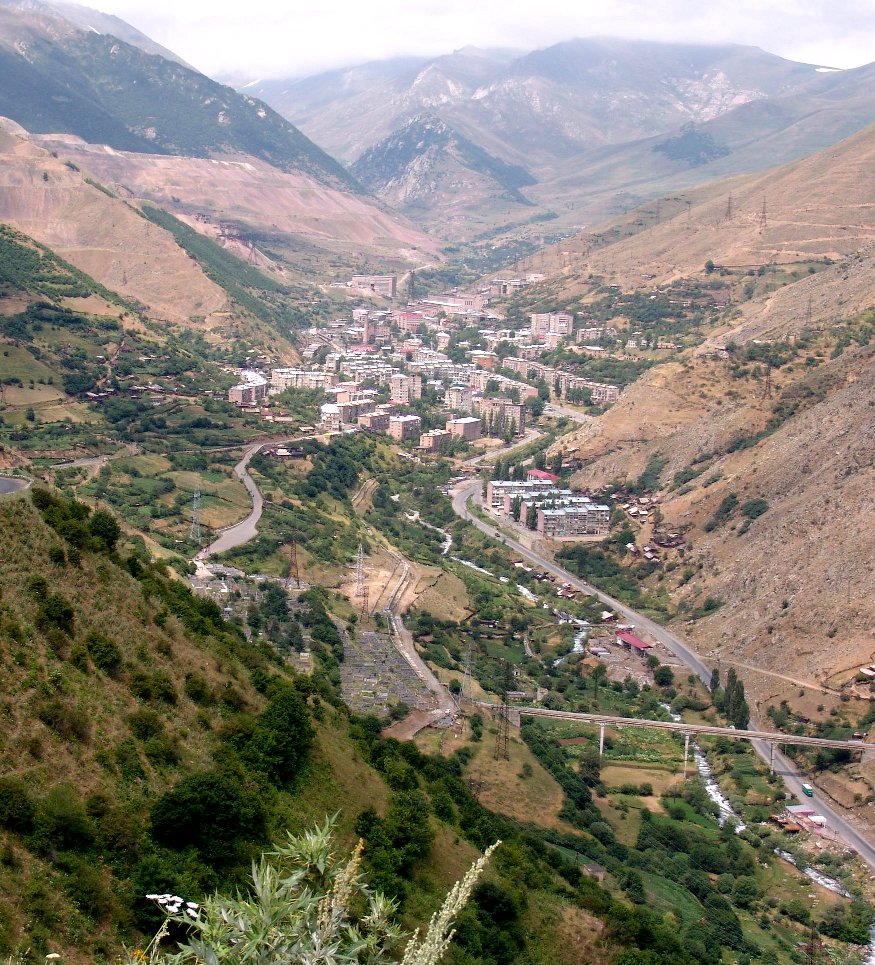
Kajaran (Armenian: Քաջարան [kʰɑdʒɑˈɾɑn]) is a town and the centre of the Kajaran Municipality of the Syunik Province in southern Armenia. It is located 356 km south of the capital Yerevan, 25 km west of the provincial centre Kapan, and 50 km north of the Armenia-Iran border.
As of the 2011 census, the population of the town was 7,163. As per the 2016 official estimate, Kajaran has a population of 7,100. As of the 2022 census, the population of the town was 6,355.
The name Kajaran is derived from the Armenian word Kaj (Armenian: Քաջարան) meaning brave, and the suffix aran (Armenian: Քաջարան) referring to place. Thus, the word Kajaran is translated from Armenian as the place of braves. The name is derived from the nearby old village of Kajarants.
It is believed that the old spelling of the name was Kachachut (Armenian: Կաճաճուտ), mentioned by Stephen Orbelian in his 13th-century work History of Syunik Province. In the late Middle Ages, the spelling was changed to Kchanants (Armenian: Քչանանց) which is still in use in the local accent of Syunik. By the end of the 18th and the beginning of the 19th centuries, the name Kajarants was also used until the mid 20th century, when the name Kajaran was officially adopted.
The area of Kajaran has been settled since the 3rd-2nd millenniums BC. The pagan temple found in the area testifies that. Metal was processed here since the Bronze Age. The old village of Kajarants -currently located 2 kilometers west of present-day town of Kajaran-, was part of the Dzork canton of the historic Syunik province of the ancient Kingdom of Armenia.
Between the 10th and 12th centuries, the region was included within the Kingdom of Syunik. However, like most of the historic territories of Armenia, Syunik suffered from the Seljuk, Mongol, Aq Qoyunlu and Kara Koyunlu invasions, respectively, between the 12th and 15th centuries.
At the beginning of the 16th century, the region became part of Safavid Persia. At the beginning of the 18th century, the Armenian population of Kajarants and the surrounding area was largely involved in the Armenian liberation campaign led by David Bek, against Safavid Persia and the invading Ottoman Turks. The Persians ruled until the beginning of the 19th century, many territories of Armenia -including Syunik-, became part of the Russian Empire as a result of the Treaty of Gulistan signed on 24 October 1813, between Russia and Qajar Persia.
Under the Russian rule, the first copper mines of the area of Kajarants were exploited between 1850 and 1910. A copper processing plant was founded near the old village of Kajarants in 1850 by Greek engineers and workers. In 1868, the region became part of the Zangezursky Uyezd of Elisabethpol Governorate.
Hub AI
Kajaran AI simulator
(@Kajaran_simulator)
Kajaran
Kajaran (Armenian: Քաջարան [kʰɑdʒɑˈɾɑn]) is a town and the centre of the Kajaran Municipality of the Syunik Province in southern Armenia. It is located 356 km south of the capital Yerevan, 25 km west of the provincial centre Kapan, and 50 km north of the Armenia-Iran border.
As of the 2011 census, the population of the town was 7,163. As per the 2016 official estimate, Kajaran has a population of 7,100. As of the 2022 census, the population of the town was 6,355.
The name Kajaran is derived from the Armenian word Kaj (Armenian: Քաջարան) meaning brave, and the suffix aran (Armenian: Քաջարան) referring to place. Thus, the word Kajaran is translated from Armenian as the place of braves. The name is derived from the nearby old village of Kajarants.
It is believed that the old spelling of the name was Kachachut (Armenian: Կաճաճուտ), mentioned by Stephen Orbelian in his 13th-century work History of Syunik Province. In the late Middle Ages, the spelling was changed to Kchanants (Armenian: Քչանանց) which is still in use in the local accent of Syunik. By the end of the 18th and the beginning of the 19th centuries, the name Kajarants was also used until the mid 20th century, when the name Kajaran was officially adopted.
The area of Kajaran has been settled since the 3rd-2nd millenniums BC. The pagan temple found in the area testifies that. Metal was processed here since the Bronze Age. The old village of Kajarants -currently located 2 kilometers west of present-day town of Kajaran-, was part of the Dzork canton of the historic Syunik province of the ancient Kingdom of Armenia.
Between the 10th and 12th centuries, the region was included within the Kingdom of Syunik. However, like most of the historic territories of Armenia, Syunik suffered from the Seljuk, Mongol, Aq Qoyunlu and Kara Koyunlu invasions, respectively, between the 12th and 15th centuries.
At the beginning of the 16th century, the region became part of Safavid Persia. At the beginning of the 18th century, the Armenian population of Kajarants and the surrounding area was largely involved in the Armenian liberation campaign led by David Bek, against Safavid Persia and the invading Ottoman Turks. The Persians ruled until the beginning of the 19th century, many territories of Armenia -including Syunik-, became part of the Russian Empire as a result of the Treaty of Gulistan signed on 24 October 1813, between Russia and Qajar Persia.
Under the Russian rule, the first copper mines of the area of Kajarants were exploited between 1850 and 1910. A copper processing plant was founded near the old village of Kajarants in 1850 by Greek engineers and workers. In 1868, the region became part of the Zangezursky Uyezd of Elisabethpol Governorate.