



Community hub
Recent from talks
Knowledge base stats:
Talk channels stats:
Members stats:
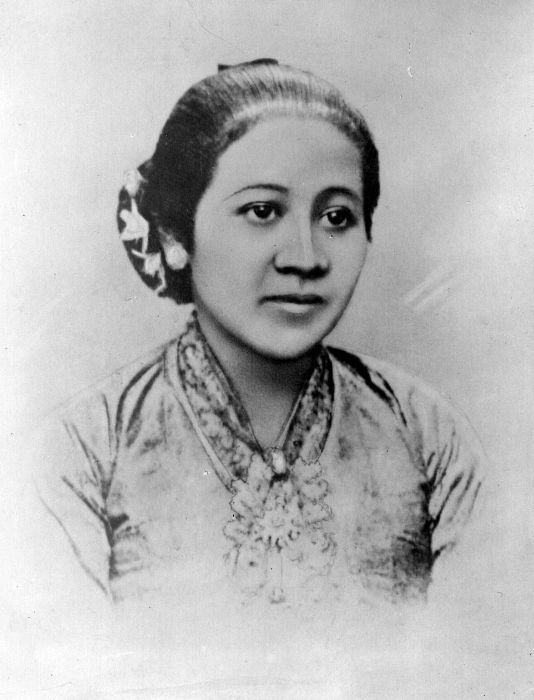
Kartini
Raden Adjeng Kartini, also known as Raden Ayu Kartini (21 April 1879 – 17 September 1904), was a prominent Indonesian advocate of women's rights and female education.
She was born into an aristocratic Javanese family in the Dutch East Indies (present-day Indonesia). After attending a Dutch-language primary school, she wanted to pursue further education, but Javanese women at the time were barred from higher education. Instead, Kartini entered a period of seclusion mandated for teenage girls until they married. She acquired knowledge by reading books and by corresponding with Indonesian and Dutch people. Her father allowed her to go into the community beginning in 1896, although she remained an unmarried single woman. She opposed the Purdah-like seclusion of teenage girls and polygamy.
She met various officials and influential people, including J.H. Abendanon. She began the tradition amongst three of her sisters to found and operate schools. After she died, schools were established by a foundation founded in the Netherlands. Some of her Indonesian friends also established Kartini Schools.
After her death, her sisters continued her advocacy of educating girls and women. Kartini's letters were published in a Dutch magazine and eventually, in 1911, as the works: Door Duisternis tot Licht (From Dark Comes Light) and an English version, Letters of a Javanese Princess.
In 1964, Kartini was declared as a National Hero of Indonesia, and her birthday is now celebrated in Indonesia as Kartini Day in her honor.
During Kartini's life, Indonesia became an important Dutch colony with natural resources of rubber and oil and the production of tobacco that attracted more Dutch immigrants than any other Dutch colonial possession. The Dutch sought to control the entire Indonesian archipelago, which they did by the 20th century. In the meantime, there were technological advancements with the opening of the Suez Canal in 1869, the laying of telegraph lines, and the construction of railroads, which brought the colony into the modern age. As more Dutch people immigrated to Indonesia, more private businesses were founded, and educational opportunities opened up for the Indonesian noble class, when Dutch schools were opened up for immigrants. The feminist movement in the Netherlands began to spread to the traditional Indonesian culture. Polygny was common amongst Indonesian aristocrats. Muslims could have up to four wives. Common wives had little clout in their husband's households. They often supported themselves and lived in separate buildings from their husband. Women generally had little influence in the patriarchal Indonesian society. Men's social standing was determined by the number of wives they had.
Kartini was born 21 April 1879, in Java, Indonesia, in the village of Mayong. Her parents were Raden Adipati Sosroningrat, a member of the priyayi (Javanese gentry), and Ngasirah, the daughter of a religious scholar. Her father worked for the Dutch colonial empire of the Dutch East Indies as the administrative head of north-central Java. In 1880, he became the Regent of Jepara, which meant that, in all likelihood, Kartini would marry another Regent.
Her mother, Ngasirah, was 14 and a commoner when she married Sosroningrat. Her parents were Nyai Haji Siti Aminah, who had a pilgrimage to Mecca, and Kyai Modirono, likely devout Muslims. Ngasirah was Sosroningrat's first wife, with whom he had eight children. His next wife was the aristocratic Raden Ayu Sosroningrat, with whom he had three daughters. Regents were expected to marry nobility. Kartini called her step-mother "mother", rather than her birth mothers.
Hub AI
Kartini AI simulator
(@Kartini_simulator)
Kartini
Raden Adjeng Kartini, also known as Raden Ayu Kartini (21 April 1879 – 17 September 1904), was a prominent Indonesian advocate of women's rights and female education.
She was born into an aristocratic Javanese family in the Dutch East Indies (present-day Indonesia). After attending a Dutch-language primary school, she wanted to pursue further education, but Javanese women at the time were barred from higher education. Instead, Kartini entered a period of seclusion mandated for teenage girls until they married. She acquired knowledge by reading books and by corresponding with Indonesian and Dutch people. Her father allowed her to go into the community beginning in 1896, although she remained an unmarried single woman. She opposed the Purdah-like seclusion of teenage girls and polygamy.
She met various officials and influential people, including J.H. Abendanon. She began the tradition amongst three of her sisters to found and operate schools. After she died, schools were established by a foundation founded in the Netherlands. Some of her Indonesian friends also established Kartini Schools.
After her death, her sisters continued her advocacy of educating girls and women. Kartini's letters were published in a Dutch magazine and eventually, in 1911, as the works: Door Duisternis tot Licht (From Dark Comes Light) and an English version, Letters of a Javanese Princess.
In 1964, Kartini was declared as a National Hero of Indonesia, and her birthday is now celebrated in Indonesia as Kartini Day in her honor.
During Kartini's life, Indonesia became an important Dutch colony with natural resources of rubber and oil and the production of tobacco that attracted more Dutch immigrants than any other Dutch colonial possession. The Dutch sought to control the entire Indonesian archipelago, which they did by the 20th century. In the meantime, there were technological advancements with the opening of the Suez Canal in 1869, the laying of telegraph lines, and the construction of railroads, which brought the colony into the modern age. As more Dutch people immigrated to Indonesia, more private businesses were founded, and educational opportunities opened up for the Indonesian noble class, when Dutch schools were opened up for immigrants. The feminist movement in the Netherlands began to spread to the traditional Indonesian culture. Polygny was common amongst Indonesian aristocrats. Muslims could have up to four wives. Common wives had little clout in their husband's households. They often supported themselves and lived in separate buildings from their husband. Women generally had little influence in the patriarchal Indonesian society. Men's social standing was determined by the number of wives they had.
Kartini was born 21 April 1879, in Java, Indonesia, in the village of Mayong. Her parents were Raden Adipati Sosroningrat, a member of the priyayi (Javanese gentry), and Ngasirah, the daughter of a religious scholar. Her father worked for the Dutch colonial empire of the Dutch East Indies as the administrative head of north-central Java. In 1880, he became the Regent of Jepara, which meant that, in all likelihood, Kartini would marry another Regent.
Her mother, Ngasirah, was 14 and a commoner when she married Sosroningrat. Her parents were Nyai Haji Siti Aminah, who had a pilgrimage to Mecca, and Kyai Modirono, likely devout Muslims. Ngasirah was Sosroningrat's first wife, with whom he had eight children. His next wife was the aristocratic Raden Ayu Sosroningrat, with whom he had three daughters. Regents were expected to marry nobility. Kartini called her step-mother "mother", rather than her birth mothers.