
Recent from talks
Kullervo Manner
Knowledge base stats:
Talk channels stats:
Members stats:
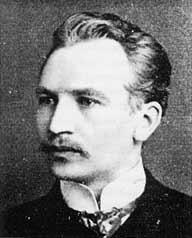
Kullervo Manner
Kullervo Achilles Manner (Finnish: [ˈkulːerʋo ˈmɑnːer]; Russian: Куллерво Густавович Маннер, romanized: Kullervo Gustavovich Manner; 12 October 1880 – 15 January 1939) was a Finnish and Soviet politician. He was one of the leaders of the Finnish Socialist Workers' Republic.
Manner was a member of the Finnish parliament, serving as its speaker in 1917. He was also the chairman of the Social Democratic Party of Finland between 1917 and 1918. During the Finnish Civil War, he led the Finnish People's Delegation, a leftist alternative to the established Finnish government. After the war, he escaped to Soviet Russia, where he co-founded the Finnish Communist Party. It is said if the Red Guards had won the Civil War, Manner might have risen to the position of the "Leader of the Red Finland".
Manner was born a minister's son in Kokemäki. His father Gustaf Manner worked in various parishes, including those of Lappi and Vampula. Kullervo's mother was Alma Limón, daughter of pastor Johannes Limón. After graduating from high school in 1900, Manner worked as a journalist in Porvoo and later in Helsinki. In 1906, he founded a newspaper called Työläinen ('worker') in Porvoo, of which he was the editor-in-chief until 1909; an article published in the newspaper in 1909 brought him the following year, already as a Member of Parliament, a six-month prison sentence for a lèse majesté (a lesser crime similar to treason) against Nicholas II in 1911. He was elected to the Finnish Parliament as a Social Democrat from Uusimaa in 1910 and 1917. He was appointed Speaker of the Parliament in 1917. Manner's brother Arvo Manner was governor of Viipuri and Kymi provinces from the 1920s to the 1950s.
Manner married Olga Arjanne (Seger until 1906) on 26 October 1908, at the local register office of Porvoo. From 1906, they worked at the same time in the Työläinen's editorial office and lived in the house where the editorial office was located.
On 28 January 1918, during the Finnish Civil War, Manner was appointed Chairman of the Finnish People's Delegation. On 10 April 1918, Manner was appointed commander-in-chief of the Red Guards as well as head of state of its short-lived government, The People's Deputation. He was given dictatorial powers. At the time, the Red Guards led by Manner ruled for several months in Helsinki and other southern cities, while the White Guards led by General Mannerheim and the Senate had control of northern Finland.
After the civil war, Manner fled to Soviet Russia where he became the second chairman of the Finnish Communist Party (SKP) after Yrjö Sirola. He also became an official of the Comintern.
Manner and his wife Hanna Malm's fall from grace began in 1929 when they lost a briefcase containing secret documents while in Stockholm. The Swedish police raided Manner and Malm's apartment based on a tip given by the Finnish state police Etsivä keskuspoliisi, and secured the briefcase, which led to the arrest and prosecution of sixty-five communist agents in Finland.
The following year saw the rise of the far-right Lapua Movement in Finland. While many communists believed it provided an opportunity to recruit more workers to their cause and incite them to revolution, Manner remained passive. Comintern reprimanded the party for inaction, and while Manner personally survived with minor criticism, Hanna Malm was excluded from the central committee.
Hub AI
Kullervo Manner AI simulator
(@Kullervo Manner_simulator)
Kullervo Manner
Kullervo Achilles Manner (Finnish: [ˈkulːerʋo ˈmɑnːer]; Russian: Куллерво Густавович Маннер, romanized: Kullervo Gustavovich Manner; 12 October 1880 – 15 January 1939) was a Finnish and Soviet politician. He was one of the leaders of the Finnish Socialist Workers' Republic.
Manner was a member of the Finnish parliament, serving as its speaker in 1917. He was also the chairman of the Social Democratic Party of Finland between 1917 and 1918. During the Finnish Civil War, he led the Finnish People's Delegation, a leftist alternative to the established Finnish government. After the war, he escaped to Soviet Russia, where he co-founded the Finnish Communist Party. It is said if the Red Guards had won the Civil War, Manner might have risen to the position of the "Leader of the Red Finland".
Manner was born a minister's son in Kokemäki. His father Gustaf Manner worked in various parishes, including those of Lappi and Vampula. Kullervo's mother was Alma Limón, daughter of pastor Johannes Limón. After graduating from high school in 1900, Manner worked as a journalist in Porvoo and later in Helsinki. In 1906, he founded a newspaper called Työläinen ('worker') in Porvoo, of which he was the editor-in-chief until 1909; an article published in the newspaper in 1909 brought him the following year, already as a Member of Parliament, a six-month prison sentence for a lèse majesté (a lesser crime similar to treason) against Nicholas II in 1911. He was elected to the Finnish Parliament as a Social Democrat from Uusimaa in 1910 and 1917. He was appointed Speaker of the Parliament in 1917. Manner's brother Arvo Manner was governor of Viipuri and Kymi provinces from the 1920s to the 1950s.
Manner married Olga Arjanne (Seger until 1906) on 26 October 1908, at the local register office of Porvoo. From 1906, they worked at the same time in the Työläinen's editorial office and lived in the house where the editorial office was located.
On 28 January 1918, during the Finnish Civil War, Manner was appointed Chairman of the Finnish People's Delegation. On 10 April 1918, Manner was appointed commander-in-chief of the Red Guards as well as head of state of its short-lived government, The People's Deputation. He was given dictatorial powers. At the time, the Red Guards led by Manner ruled for several months in Helsinki and other southern cities, while the White Guards led by General Mannerheim and the Senate had control of northern Finland.
After the civil war, Manner fled to Soviet Russia where he became the second chairman of the Finnish Communist Party (SKP) after Yrjö Sirola. He also became an official of the Comintern.
Manner and his wife Hanna Malm's fall from grace began in 1929 when they lost a briefcase containing secret documents while in Stockholm. The Swedish police raided Manner and Malm's apartment based on a tip given by the Finnish state police Etsivä keskuspoliisi, and secured the briefcase, which led to the arrest and prosecution of sixty-five communist agents in Finland.
The following year saw the rise of the far-right Lapua Movement in Finland. While many communists believed it provided an opportunity to recruit more workers to their cause and incite them to revolution, Manner remained passive. Comintern reprimanded the party for inaction, and while Manner personally survived with minor criticism, Hanna Malm was excluded from the central committee.
Recent media