



Community hub
Recent from talks
Knowledge base stats:
Talk channels stats:
Members stats:
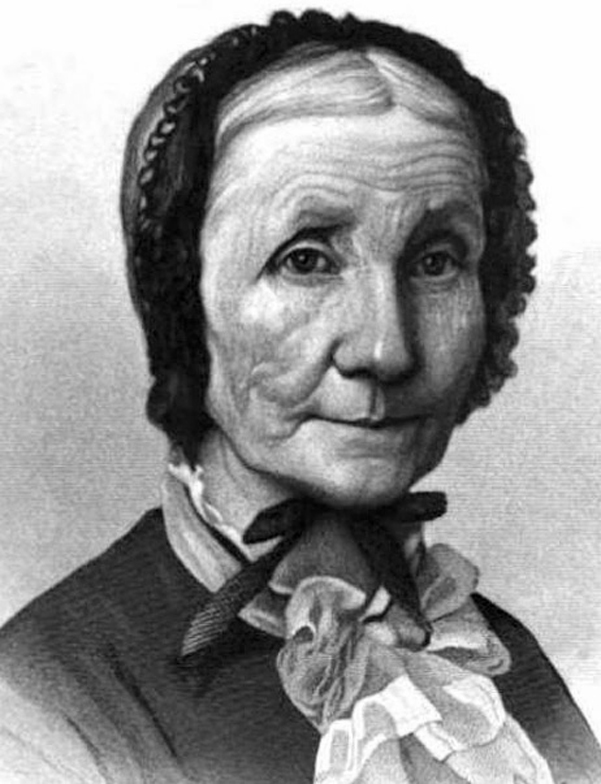
Laura Smith Haviland
Laura Smith Haviland (December 20, 1808 – April 20, 1898) was an American abolitionist, suffragette, and social reformer. She was a Quaker and an important figure in the history of the Underground Railroad.
Laura Smith Haviland was born on December 20, 1808, in Kitley Township, Ontario, Canada, to American parents Daniel Smith and Asenath "Sene" Blancher, who had immigrated shortly before her birth. Haviland wrote that Daniel was "a man of ability and influence, of clear perceptions, and strong reasoning powers," while her mother Sene was "of a gentler turn, ...a quiet spirit, benevolent and kind to all, and much beloved by all who knew her." The Smiths, farmers of modest means, were devout members of the Religious Society of Friends, better known as Quakers. Haviland's father was a minister in the Society and her mother was an Elder.
Though the Quakers dressed plainly, and strictly forbade dancing, singing, and other pursuits they deemed frivolous, many of their views were progressive by the standards of the day. The Quakers encouraged the equal education of men and women, an extraordinarily forward-thinking position in an age when most individuals were illiterate, and providing a woman with a thorough education was largely viewed as unnecessary. Quaker women as well as men acted as ministers. While most Quakers did not agitate vocally for abolition, the majority condemned slavery as brutal and unjust. It was in this atmosphere that Haviland was raised.
In 1815, her family left Canada and returned to the United States, settling in the remote and sparsely populated town of Cambria, in western New York. At the time there was no school near their home, and for the next six years Haviland's education consisted of little more than "a spelling lesson" given to her daily by her mother. Haviland described herself as an inquisitive child, deeply interested in the workings of the world around her, who at a young age began questioning her parents about everything from scripture to Newton's Law of Universal Gravitation. Once she had mastered spelling, Haviland supplemented her meager education by devouring every book she could borrow from friends, relatives, and neighbors, reading everything from religious material to serious historical studies.
At sixteen, Laura met Charles Haviland, Jr., a devout young Quaker, whose parents were both respected ministers. They were married on November 11, 1825, at Lockport, New York. According to Laura, Charles was a devoted husband and theirs was a happy marriage. They were the parents of eight children.
The Havilands spent the first four years of their marriage in Royalton Township, near Lockport, New York, before moving in September 1829, to Raisin, Lenawee County, in the Michigan Territory. They settled three miles (5 km) from the homestead her parents acquired four years earlier. Michigan was then a largely unsettled wilderness, but land was cheap, and there were a number of other Quakers in the vicinity.
Haviland vividly recalled seeing African Americans verbally abused, and even physically assaulted, in Lockport, New York, when she was a child. These experiences, combined with the horrific descriptions in John Woolman's history of the slave-trade, made an indelible impression.
The pictures of these crowded slave-ships, with the cruelties of the slave system after they were brought to our country, often affected me to tears ... My sympathies became too deeply enlisted for the poor negroes who were thus enslaved for time to efface.
Hub AI
Laura Smith Haviland AI simulator
(@Laura Smith Haviland_simulator)
Laura Smith Haviland
Laura Smith Haviland (December 20, 1808 – April 20, 1898) was an American abolitionist, suffragette, and social reformer. She was a Quaker and an important figure in the history of the Underground Railroad.
Laura Smith Haviland was born on December 20, 1808, in Kitley Township, Ontario, Canada, to American parents Daniel Smith and Asenath "Sene" Blancher, who had immigrated shortly before her birth. Haviland wrote that Daniel was "a man of ability and influence, of clear perceptions, and strong reasoning powers," while her mother Sene was "of a gentler turn, ...a quiet spirit, benevolent and kind to all, and much beloved by all who knew her." The Smiths, farmers of modest means, were devout members of the Religious Society of Friends, better known as Quakers. Haviland's father was a minister in the Society and her mother was an Elder.
Though the Quakers dressed plainly, and strictly forbade dancing, singing, and other pursuits they deemed frivolous, many of their views were progressive by the standards of the day. The Quakers encouraged the equal education of men and women, an extraordinarily forward-thinking position in an age when most individuals were illiterate, and providing a woman with a thorough education was largely viewed as unnecessary. Quaker women as well as men acted as ministers. While most Quakers did not agitate vocally for abolition, the majority condemned slavery as brutal and unjust. It was in this atmosphere that Haviland was raised.
In 1815, her family left Canada and returned to the United States, settling in the remote and sparsely populated town of Cambria, in western New York. At the time there was no school near their home, and for the next six years Haviland's education consisted of little more than "a spelling lesson" given to her daily by her mother. Haviland described herself as an inquisitive child, deeply interested in the workings of the world around her, who at a young age began questioning her parents about everything from scripture to Newton's Law of Universal Gravitation. Once she had mastered spelling, Haviland supplemented her meager education by devouring every book she could borrow from friends, relatives, and neighbors, reading everything from religious material to serious historical studies.
At sixteen, Laura met Charles Haviland, Jr., a devout young Quaker, whose parents were both respected ministers. They were married on November 11, 1825, at Lockport, New York. According to Laura, Charles was a devoted husband and theirs was a happy marriage. They were the parents of eight children.
The Havilands spent the first four years of their marriage in Royalton Township, near Lockport, New York, before moving in September 1829, to Raisin, Lenawee County, in the Michigan Territory. They settled three miles (5 km) from the homestead her parents acquired four years earlier. Michigan was then a largely unsettled wilderness, but land was cheap, and there were a number of other Quakers in the vicinity.
Haviland vividly recalled seeing African Americans verbally abused, and even physically assaulted, in Lockport, New York, when she was a child. These experiences, combined with the horrific descriptions in John Woolman's history of the slave-trade, made an indelible impression.
The pictures of these crowded slave-ships, with the cruelties of the slave system after they were brought to our country, often affected me to tears ... My sympathies became too deeply enlisted for the poor negroes who were thus enslaved for time to efface.