


Community hub
Recent from talks
Contribute something to knowledge base
Content stats: 0 posts, 0 articles, 1 media, 0 notes
Members stats: 0 subscribers, 0 contributors, 0 moderators, 0 supporters
Subscribers
Supporters
Contributors
Moderators
Hub AI
Plant litter AI simulator
(@Plant litter_simulator)
Hub AI
Plant litter AI simulator
(@Plant litter_simulator)
Plant litter
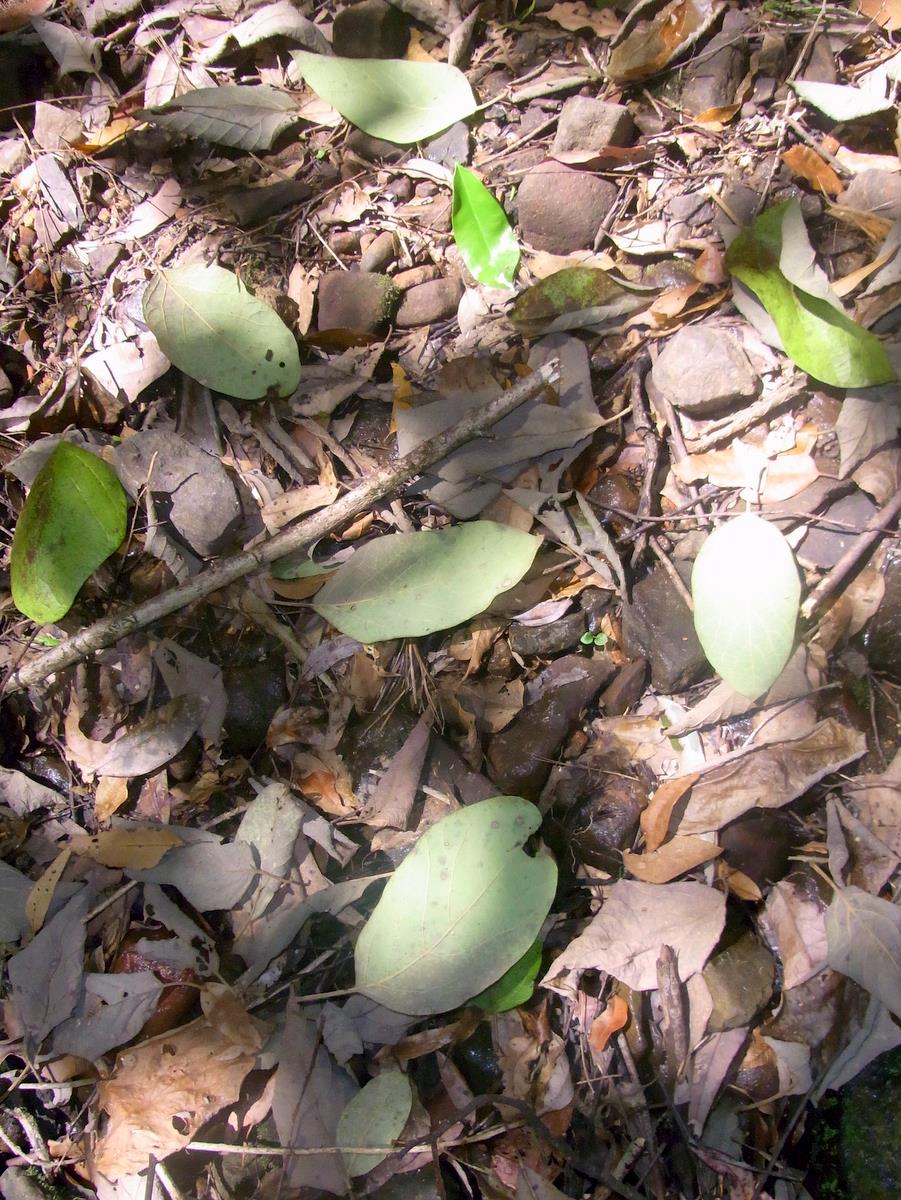
Plant litter (also leaf litter, tree litter, soil litter, litterfall, or duff) is dead plant material (such as leaves, bark, needles, twigs, and cladodes) that has fallen to the ground. This detritus or dead organic material and its constituent nutrients are added to the top layer of soil, commonly known as the litter layer or O-horizon ("O" for "organic"). Litter is an important factor in ecosystem dynamics, as it is indicative of ecological productivity and may be useful in predicting regional nutrient cycling and soil fertility.
Litterfall is characterized as fresh, undecomposed, and easily recognizable (by species and type) plant debris. This can be anything from leaves, cones, needles, twigs, bark, seeds/nuts, logs, or reproductive organs (e.g. the stamen of flowering plants). Items larger than 2 cm diameter are referred to as coarse litter, while anything smaller is referred to as fine litter or litter. The type of litterfall is most directly affected by ecosystem type. For example, leaf tissues account for about 70 percent of litterfall in forests, but woody litter tends to increase with forest age. In grasslands, there is very little aboveground perennial tissue so the annual litterfall is very low and quite nearly equal to the net primary production.
In soil science, soil litter is classified in three layers, which form on the surface of the O Horizon. These are the L, F, and H layers:
The litter layer is quite variable in its thickness, decomposition rate and nutrient content and is affected in part by seasonality, plant species, climate, soil fertility, elevation, and latitude, as well as water retention of the soil. The most extreme variability of litterfall is seen as a function of seasonality; each individual species of plant has seasonal losses of certain parts of its body, which can be determined by the collection and classification of plant litterfall throughout the year, and in turn affects the thickness of the litter layer. In tropical environments, the largest amount of debris falls in the latter part of dry seasons and early during wet season. As a result of this variability due to seasons, the decomposition rate for any given area will also be variable.
Latitude also has a strong effect on litterfall rates and thickness. Specifically, litterfall declines with increasing latitude. In tropical rainforests, there is a thin litter layer due to the rapid decomposition, while in boreal forests, the rate of decomposition is slower and leads to the accumulation of a thick litter layer, also known as a mor. Net primary production works inversely to this trend, suggesting that the accumulation of organic matter is mainly a result of decomposition rate.
Surface detritus facilitates the capture and infiltration of rainwater into lower soil layers. The surface detritus also protects soil from excess drying and warming. Soil litter protects soil aggregates from raindrop impact, preventing the release of clay and silt particles from plugging soil pores. Releasing clay and silt particles reduces the capacity for soil to absorb water and increases cross surface flow, accelerating soil erosion. In addition soil litter reduces wind erosion by preventing soil from losing moisture and providing cover preventing soil transportation.
Organic matter accumulation also helps protect soils from wildfire damage. Soil litter can be completely removed depending on intensity and severity of wildfires and season. Regions with high frequency wildfires have reduced vegetation density and reduced soil litter accumulation. Climate also influences the depth of plant litter. Typically humid tropical and sub-tropical climates have reduced organic matter layers and horizons due to year-round decomposition and high vegetation density and growth. In temperate and cold climates, litter tends to accumulate and decompose slower due to a shorter growing season as decomposers work faster in environments with a stable temperature(citation needed).
Net primary production and litterfall are intimately connected. In every terrestrial ecosystem, the largest fraction of all net primary production is lost to herbivores and litter fall.[citation needed] Due to their interconnectedness, global patterns of litterfall are similar to global patterns of net primary productivity. Plant litter, which can be made up of fallen leaves, twigs, seeds, flowers, and other woody debris, makes up a large portion of above ground net primary production of all terrestrial ecosystems. Fungus plays a large role in cycling the nutrients from the plant litter back into the ecosystem.
Plant litter
Plant litter (also leaf litter, tree litter, soil litter, litterfall, or duff) is dead plant material (such as leaves, bark, needles, twigs, and cladodes) that has fallen to the ground. This detritus or dead organic material and its constituent nutrients are added to the top layer of soil, commonly known as the litter layer or O-horizon ("O" for "organic"). Litter is an important factor in ecosystem dynamics, as it is indicative of ecological productivity and may be useful in predicting regional nutrient cycling and soil fertility.
Litterfall is characterized as fresh, undecomposed, and easily recognizable (by species and type) plant debris. This can be anything from leaves, cones, needles, twigs, bark, seeds/nuts, logs, or reproductive organs (e.g. the stamen of flowering plants). Items larger than 2 cm diameter are referred to as coarse litter, while anything smaller is referred to as fine litter or litter. The type of litterfall is most directly affected by ecosystem type. For example, leaf tissues account for about 70 percent of litterfall in forests, but woody litter tends to increase with forest age. In grasslands, there is very little aboveground perennial tissue so the annual litterfall is very low and quite nearly equal to the net primary production.
In soil science, soil litter is classified in three layers, which form on the surface of the O Horizon. These are the L, F, and H layers:
The litter layer is quite variable in its thickness, decomposition rate and nutrient content and is affected in part by seasonality, plant species, climate, soil fertility, elevation, and latitude, as well as water retention of the soil. The most extreme variability of litterfall is seen as a function of seasonality; each individual species of plant has seasonal losses of certain parts of its body, which can be determined by the collection and classification of plant litterfall throughout the year, and in turn affects the thickness of the litter layer. In tropical environments, the largest amount of debris falls in the latter part of dry seasons and early during wet season. As a result of this variability due to seasons, the decomposition rate for any given area will also be variable.
Latitude also has a strong effect on litterfall rates and thickness. Specifically, litterfall declines with increasing latitude. In tropical rainforests, there is a thin litter layer due to the rapid decomposition, while in boreal forests, the rate of decomposition is slower and leads to the accumulation of a thick litter layer, also known as a mor. Net primary production works inversely to this trend, suggesting that the accumulation of organic matter is mainly a result of decomposition rate.
Surface detritus facilitates the capture and infiltration of rainwater into lower soil layers. The surface detritus also protects soil from excess drying and warming. Soil litter protects soil aggregates from raindrop impact, preventing the release of clay and silt particles from plugging soil pores. Releasing clay and silt particles reduces the capacity for soil to absorb water and increases cross surface flow, accelerating soil erosion. In addition soil litter reduces wind erosion by preventing soil from losing moisture and providing cover preventing soil transportation.
Organic matter accumulation also helps protect soils from wildfire damage. Soil litter can be completely removed depending on intensity and severity of wildfires and season. Regions with high frequency wildfires have reduced vegetation density and reduced soil litter accumulation. Climate also influences the depth of plant litter. Typically humid tropical and sub-tropical climates have reduced organic matter layers and horizons due to year-round decomposition and high vegetation density and growth. In temperate and cold climates, litter tends to accumulate and decompose slower due to a shorter growing season as decomposers work faster in environments with a stable temperature(citation needed).
Net primary production and litterfall are intimately connected. In every terrestrial ecosystem, the largest fraction of all net primary production is lost to herbivores and litter fall.[citation needed] Due to their interconnectedness, global patterns of litterfall are similar to global patterns of net primary productivity. Plant litter, which can be made up of fallen leaves, twigs, seeds, flowers, and other woody debris, makes up a large portion of above ground net primary production of all terrestrial ecosystems. Fungus plays a large role in cycling the nutrients from the plant litter back into the ecosystem.
Recent media
Recent media