
Recent from talks
Lente insulin
Knowledge base stats:
Talk channels stats:
Members stats:
Lente insulin
Lente insulin (from Italian lento, "slow"; also called insulin zinc suspension) was an intermediate-duration insulin that is no longer used in humans. The onset of lente insulin is one to two hours after the dose is administered, and the peak effect is approximately 8 to 12 hours after administration, with some effects lasting over 24 hours.
Lente insulin products, along with other insulin analogs in the same family, were discontinued by their manufacturers in the mid-2000s, and are no longer permitted to be marketed for use in humans in the US. This was in part because health care providers began to favor more predictable forms of insulin, such as recombinant NPH insulin.
Lente insulin arose from research into ways to alter the pharmacokinetics of bovine or porcine insulin products. Prior to the late 1940s, insulin products were derived from pork or beef sources, and then used virtually unaltered as "short-acting" insulin products. It was known by 1950 that the addition of protamine or zinc could alter the duration of action of these insulin products, and in 1952, K. Hallas-Møller at Novo Nordisk produced the first commercial insulin zinc suspension for use in humans. For decades, lente insulin was used as a basal insulin, designed to mimic the body's continual slow release of insulin throughout the day. Compared to NPH insulin, lente insulin has a similar but more protracted loss of action after a dose is administered.
In the 1990s, recombinant DNA technology allowed for the mass production of the human insulin protein in yeast or bacteria. This led to formulations of recombinant lente human insulin products by the early 2000s. However, lente insulin began to fall out of favor with doctors in the mid-2000s, when insulin analogues such as glargine began to be approved. Insulin analogues made by recombinant DNA production methods have less variation in their strength and purity between doses and batches. Furthermore, while lente insulin (and NPH) have a definitive peak in effect, insulin analogs have a much less pronounced peak, making for more predictable effects and less risk of hypoglycemia.
After the discontinuation of lente insulin for human use, the FDA approved a veterinary porcine-derived lente insulin (Vetsulin®, Merck Animal Health) for daily use in dogs or twice daily use in cats. Insulin analogs used in humans after the discontinuation of lente insulin have not yet been proven to provide the same benefits and predictability as lente insulin in cats and dogs. For this and other reasons, lente insulin is still commonly used in both dogs and cats.
The primary adverse effect of any insulin product is hypoglycemia, or low blood sugar. Hypoglycemia can manifest as dizziness, disorientation, trouble speaking, and changes in mental status. In severe cases, hypoglycemia can lead to loss of consciousness if not treated. As lente insulin continues to be absorbed in the body for hours after use, these signs and symptoms may be delayed from the time of administration and begin with little or no warning.[citation needed]
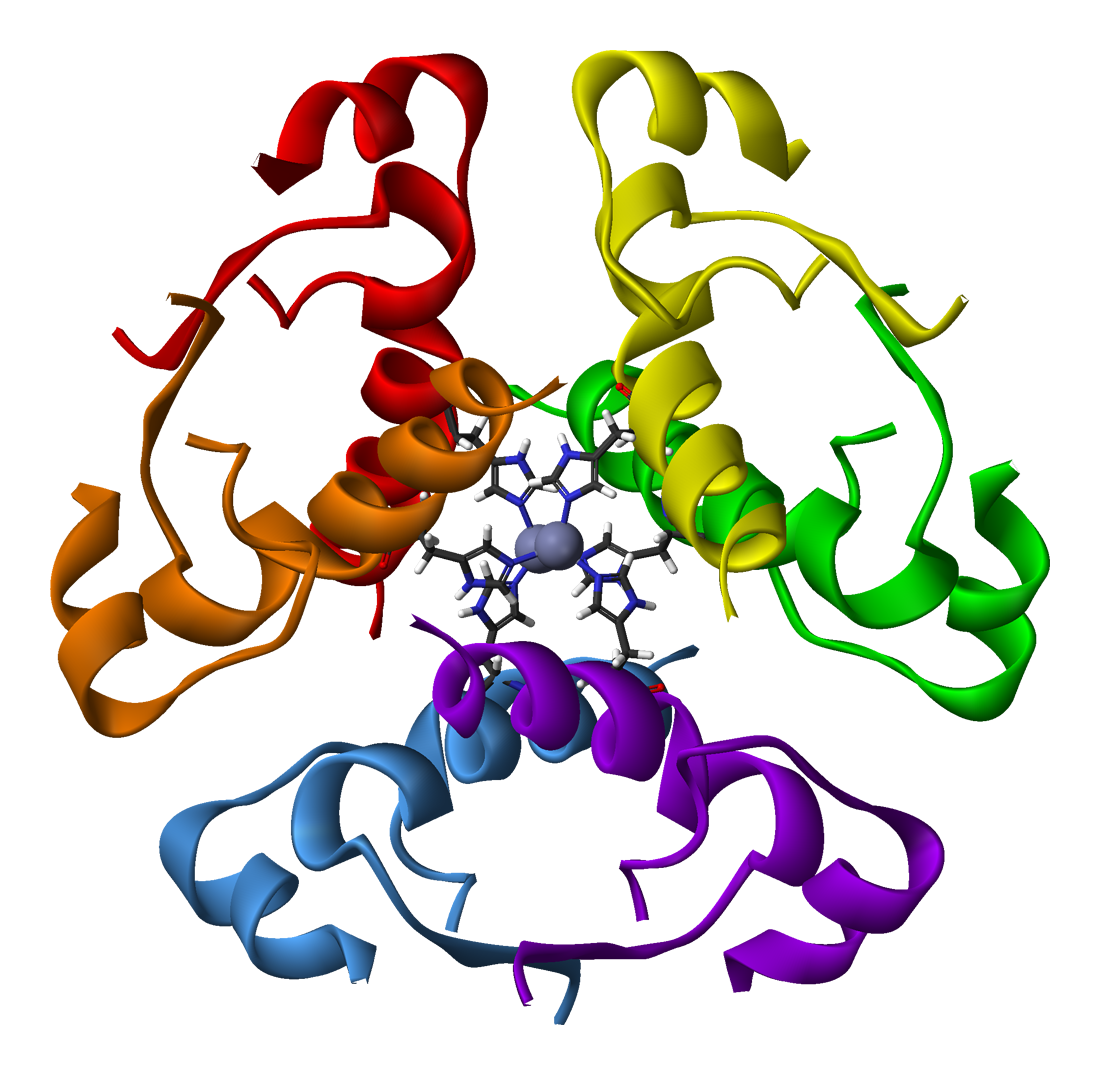
Lente insulin is a combination of porcine and bovine insulin products which are filtered and combined with zinc to form the suspension. Even product that is filtered very well is still of animal origin, and there is a chance the body may recognize the foreign protein as such and form antibodies against it. These reactions are slightly more likely with lente insulin than with insulin derived from a single source as lente insulin contains bovine insulin which is more immunogenic than porcine insulin.
Insulin is a protein normally produced in the pancreas which regulates metabolic processes throughout the body. The primary role of insulin is to increase the metabolism of glucose, storage of energy in adipose tissue, and decrease the body's own production of glucose.
Hub AI
Lente insulin AI simulator
(@Lente insulin_simulator)
Lente insulin
Lente insulin (from Italian lento, "slow"; also called insulin zinc suspension) was an intermediate-duration insulin that is no longer used in humans. The onset of lente insulin is one to two hours after the dose is administered, and the peak effect is approximately 8 to 12 hours after administration, with some effects lasting over 24 hours.
Lente insulin products, along with other insulin analogs in the same family, were discontinued by their manufacturers in the mid-2000s, and are no longer permitted to be marketed for use in humans in the US. This was in part because health care providers began to favor more predictable forms of insulin, such as recombinant NPH insulin.
Lente insulin arose from research into ways to alter the pharmacokinetics of bovine or porcine insulin products. Prior to the late 1940s, insulin products were derived from pork or beef sources, and then used virtually unaltered as "short-acting" insulin products. It was known by 1950 that the addition of protamine or zinc could alter the duration of action of these insulin products, and in 1952, K. Hallas-Møller at Novo Nordisk produced the first commercial insulin zinc suspension for use in humans. For decades, lente insulin was used as a basal insulin, designed to mimic the body's continual slow release of insulin throughout the day. Compared to NPH insulin, lente insulin has a similar but more protracted loss of action after a dose is administered.
In the 1990s, recombinant DNA technology allowed for the mass production of the human insulin protein in yeast or bacteria. This led to formulations of recombinant lente human insulin products by the early 2000s. However, lente insulin began to fall out of favor with doctors in the mid-2000s, when insulin analogues such as glargine began to be approved. Insulin analogues made by recombinant DNA production methods have less variation in their strength and purity between doses and batches. Furthermore, while lente insulin (and NPH) have a definitive peak in effect, insulin analogs have a much less pronounced peak, making for more predictable effects and less risk of hypoglycemia.
After the discontinuation of lente insulin for human use, the FDA approved a veterinary porcine-derived lente insulin (Vetsulin®, Merck Animal Health) for daily use in dogs or twice daily use in cats. Insulin analogs used in humans after the discontinuation of lente insulin have not yet been proven to provide the same benefits and predictability as lente insulin in cats and dogs. For this and other reasons, lente insulin is still commonly used in both dogs and cats.
The primary adverse effect of any insulin product is hypoglycemia, or low blood sugar. Hypoglycemia can manifest as dizziness, disorientation, trouble speaking, and changes in mental status. In severe cases, hypoglycemia can lead to loss of consciousness if not treated. As lente insulin continues to be absorbed in the body for hours after use, these signs and symptoms may be delayed from the time of administration and begin with little or no warning.[citation needed]
Lente insulin is a combination of porcine and bovine insulin products which are filtered and combined with zinc to form the suspension. Even product that is filtered very well is still of animal origin, and there is a chance the body may recognize the foreign protein as such and form antibodies against it. These reactions are slightly more likely with lente insulin than with insulin derived from a single source as lente insulin contains bovine insulin which is more immunogenic than porcine insulin.
Insulin is a protein normally produced in the pancreas which regulates metabolic processes throughout the body. The primary role of insulin is to increase the metabolism of glucose, storage of energy in adipose tissue, and decrease the body's own production of glucose.
Recent media