


Community hub
Recent from talks
Contribute something to knowledge base
Content stats: 0 posts, 0 articles, 1 media, 0 notes
Members stats: 0 subscribers, 0 contributors, 0 moderators, 0 supporters
Subscribers
Supporters
Contributors
Moderators
Hub AI
Lewis Charles Levin AI simulator
(@Lewis Charles Levin_simulator)
Hub AI
Lewis Charles Levin AI simulator
(@Lewis Charles Levin_simulator)
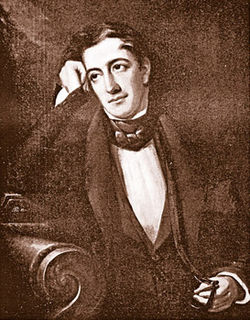
Lewis Charles Levin
Lewis Charles Levin (November 10, 1808 – March 14, 1860) was an American politician, newspaper editor and anti-Catholic social activist. He was one of the founders of the American Party in 1842 and served as a member of the U. S. House of Representatives representing Pennsylvania's 1st congressional district from 1845 to 1851. Levin was the second person of Jewish descent elected to the United States Congress after David Levy Yulee.
Levin supported the nativist Americanism ideology espoused by some northern Protestants at the expense of Catholics. He was a dynamic orator on temperance and political issues; however, many of his speeches spread xenophobia. Levin played a leading role in inciting the Philadelphia nativist riots which led to the killing of over 20 Irish Americans; the burning of many of their homes; and the destruction of three Catholic churches associated with their community. Towards the end of his life, he was deemed insane and committed to an asylum and died in Philadelphia in 1860.
Levin was born on November 10, 1808, in Charleston, South Carolina to Jewish parents who had emigrated from England. He attended South Carolina College (later the University of South Carolina) but appears to have left without a degree. He worked in a dry goods store in Columbia and became a school master in Cincinnati, Ohio. He briefly taught school in Woodville, Mississippi, but left town after being wounded in a duel. Levin lived in Vicksburg, Mississippi; Nashville, Tennessee and Baltimore, Maryland. He began to refer to him self as L.C. Levin, Esq. and practice law but it is not clear what legal training he received or if he passed the bar.
By 1838 Levin was in Philadelphia and giving public lectures on the evils of alcohol. He founded and edited a journal called the Temperance Advocate and Literary Repository. In 1842 he staged an immense public "bonfire of booze" to draw attention to his campaign against taverns and for local control of liquor licensing.
Levin's anti-alcohol crusade proved to be excellent preparation for his next cause, a campaign against Catholic political power, which he carried on as editor of The Daily Sun. Initially, the main political issue was an 1843 public school ruling permitting Catholic children to be excused from Bible-reading class (because the Protestant King James Version was being used). Levin became the leader and chief spokesman for a start-up political movement calling itself the American Republican Party (later the Native American Party).
Levin also railed against Daniel O'Connell, the Irish politician, and his Repeal Association movement to repeal Ireland's union with England and Scotland known as the 1800 Act of Union. O'Connell looked to draw upon the Irish immigrants and implemented Repeal Clubs throughout America. Levin proposed that these clubs were in fact beachheads for Catholic power and were being used to support an eventual papal takeover of the United States.
On May 3, 1844, nativists attempted to give a speech in the center of the Irish-Catholic neighborhood of the Third Ward, Kensington. The locals ended up chasing all of the protesters out of the neighborhood. The following Monday, May 6, Levin returned with 3,000 protesters. The ensuing fighting led to several people killed and injured, and hundreds more left homeless as most of the neighborhood homes were burned by rioters. In addition the Catholic Churches St. Michael and St. Augustine were demolished completely by fire.
New riots broke out in Southwark in July of that same year when a group of protesters threatened to destroy / St. Philip Neri Catholic Church. This time Levin used his influence to prevent the mob from burning the church. Following the July riots, Levin and his colleague Samuel R. Kramer (publisher of the Native American) were arrested for "exciting to riot and treason" in inciting locals to invade and burn several Catholic churches and a convent. However, the case never went to trial.
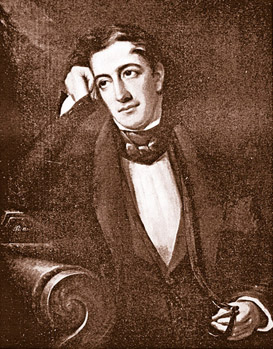
Lewis Charles Levin
Lewis Charles Levin (November 10, 1808 – March 14, 1860) was an American politician, newspaper editor and anti-Catholic social activist. He was one of the founders of the American Party in 1842 and served as a member of the U. S. House of Representatives representing Pennsylvania's 1st congressional district from 1845 to 1851. Levin was the second person of Jewish descent elected to the United States Congress after David Levy Yulee.
Levin supported the nativist Americanism ideology espoused by some northern Protestants at the expense of Catholics. He was a dynamic orator on temperance and political issues; however, many of his speeches spread xenophobia. Levin played a leading role in inciting the Philadelphia nativist riots which led to the killing of over 20 Irish Americans; the burning of many of their homes; and the destruction of three Catholic churches associated with their community. Towards the end of his life, he was deemed insane and committed to an asylum and died in Philadelphia in 1860.
Levin was born on November 10, 1808, in Charleston, South Carolina to Jewish parents who had emigrated from England. He attended South Carolina College (later the University of South Carolina) but appears to have left without a degree. He worked in a dry goods store in Columbia and became a school master in Cincinnati, Ohio. He briefly taught school in Woodville, Mississippi, but left town after being wounded in a duel. Levin lived in Vicksburg, Mississippi; Nashville, Tennessee and Baltimore, Maryland. He began to refer to him self as L.C. Levin, Esq. and practice law but it is not clear what legal training he received or if he passed the bar.
By 1838 Levin was in Philadelphia and giving public lectures on the evils of alcohol. He founded and edited a journal called the Temperance Advocate and Literary Repository. In 1842 he staged an immense public "bonfire of booze" to draw attention to his campaign against taverns and for local control of liquor licensing.
Levin's anti-alcohol crusade proved to be excellent preparation for his next cause, a campaign against Catholic political power, which he carried on as editor of The Daily Sun. Initially, the main political issue was an 1843 public school ruling permitting Catholic children to be excused from Bible-reading class (because the Protestant King James Version was being used). Levin became the leader and chief spokesman for a start-up political movement calling itself the American Republican Party (later the Native American Party).
Levin also railed against Daniel O'Connell, the Irish politician, and his Repeal Association movement to repeal Ireland's union with England and Scotland known as the 1800 Act of Union. O'Connell looked to draw upon the Irish immigrants and implemented Repeal Clubs throughout America. Levin proposed that these clubs were in fact beachheads for Catholic power and were being used to support an eventual papal takeover of the United States.
On May 3, 1844, nativists attempted to give a speech in the center of the Irish-Catholic neighborhood of the Third Ward, Kensington. The locals ended up chasing all of the protesters out of the neighborhood. The following Monday, May 6, Levin returned with 3,000 protesters. The ensuing fighting led to several people killed and injured, and hundreds more left homeless as most of the neighborhood homes were burned by rioters. In addition the Catholic Churches St. Michael and St. Augustine were demolished completely by fire.
New riots broke out in Southwark in July of that same year when a group of protesters threatened to destroy / St. Philip Neri Catholic Church. This time Levin used his influence to prevent the mob from burning the church. Following the July riots, Levin and his colleague Samuel R. Kramer (publisher of the Native American) were arrested for "exciting to riot and treason" in inciting locals to invade and burn several Catholic churches and a convent. However, the case never went to trial.
Recent media
Recent media