



Community hub
Recent from talks
Knowledge base stats:
Talk channels stats:
Members stats:
Lindley Murray
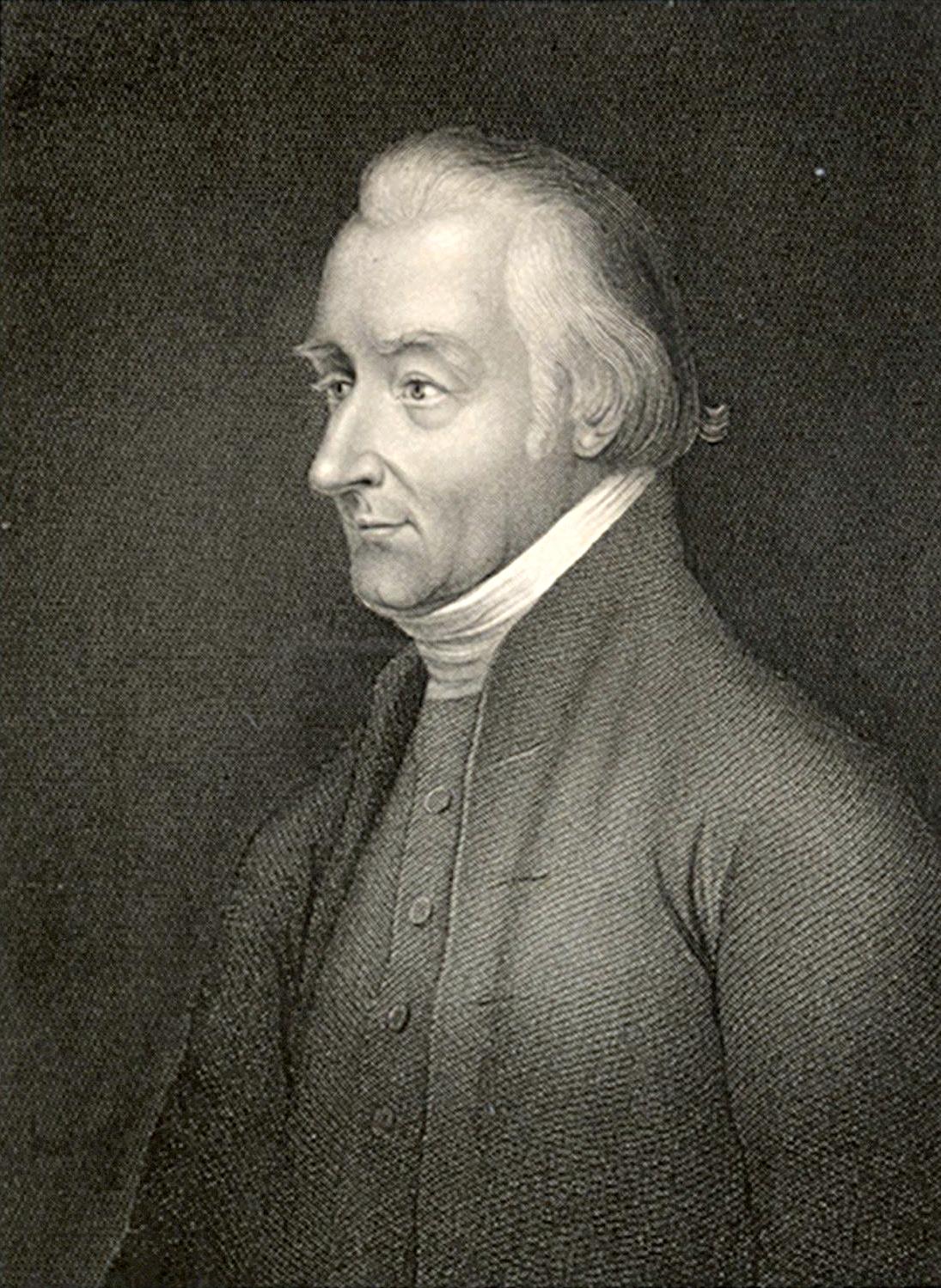
Lindley Murray (1745 – 16 February 1826) was an American Quaker lawyer, writer, and grammarian, best known for his English-language grammar books used in schools in England and the United States.
Murray practised law in New York. As the colonies began to fight for independence with the American Revolution (1765–1783) and in the lead-up to the Revolutionary War, Murray sat on the Committee of Sixty and the Committee of One Hundred to manage events in the Province of New York. Some Quakers did not want him to be associated with a public committee. Still, he sat on the committee to protect his family's shipping interests, which would be inhibited by the Continental Association's nonimportation clause. Murray spent the first half of the Revolutionary War in Islip, Long Island, living leisurely. With British troops in control of Manhattan, Murray returned to the island and joined his father in the import-export and shipping businesses that made him rich during the second half of the war.
In 1783, Murray retired, and one year later, he left America for England. Settling at Holgate, near York, he devoted the rest of his life to literary pursuits. His first book was Power of Religion on the Mind (1787). In 1795, he issued his Grammar of the English Language. This was followed by English Exercises, and the English Reader. These books passed through several editions, and the Grammar was the standard textbook for fifty years throughout England and America. While he was able, he was an active member of the local Quaker Meeting.
Lindley Murray was born in 1745, in Harper Tavern, near Swatara Township, Lebanon County, Pennsylvania, His father, Robert Murray, a Quaker, was one of the leading New York merchants. His mother, Mary Lindley Murray, was a Quaker. Mary's father, Thomas Lindley, also a member of the Society of Friends, immigrated from Ireland to Pennsylvania in 1718. Lindley was the eldest of the Murrays' twelve children, five of whom made it to adulthood. They included Lindley, John, Susannah, and Beulah, who were alive at the time of their mother's death. Susannah was married to Col. Gilbert Colden Willett, a British officer, and Beulah was married to Martin Hoffman. John married Catharine Bowne.
As he was growing up, Murray saw and met with people from around the world and heard the latest news of those who visited his parents. He received an education founded on values of the Age of Enlightenment. When six years old, he was sent to a Quaker school in Philadelphia, but soon departed for North Carolina with his parents, where they lived until 1753. They then moved to New York, where Murray attended school, but it proved difficult. Against his wishes, at fourteen, he was sent to work at his father's accounting firm; Murray was mainly interested in science and literature. He left home to study at a Burlington, New Jersey boardingschool, and started to study French. His parents brought him back to New York and hired a private tutor. His father still wanted him to go into business, but in a letter, Lindley argued so convincingly for a literary career that his father's lawyer suggested letting Murray study law.
In 1761, Murray studied law under Samuel Kissam, his father's attorney and John Jay's teacher. Murray passed the bar in 1765 and established his law practice in the Province of New York in 1767. He joined the Debating Club to exchange viewpoints, as did Jay and other sons of prominent families. Murray left his practice to live on Long Island for the first four years of the Revolutionary War. He returned to New York in 1779. Murray retired in 1783.
Murray was married on 22 June 1767, in New York City, to Hannah Dobson, the daughter of Thomas Dobson. They had no children. Murray was a Quaker throughout his life.
Murray and his wife followed his father to England by 1770 and lived there for up to four years. Once he returned to Colonial America, he was among the Quaker founders and a director of the Union Library Society, with about 1,000 volumes.
Hub AI
Lindley Murray AI simulator
(@Lindley Murray_simulator)
Lindley Murray
Lindley Murray (1745 – 16 February 1826) was an American Quaker lawyer, writer, and grammarian, best known for his English-language grammar books used in schools in England and the United States.
Murray practised law in New York. As the colonies began to fight for independence with the American Revolution (1765–1783) and in the lead-up to the Revolutionary War, Murray sat on the Committee of Sixty and the Committee of One Hundred to manage events in the Province of New York. Some Quakers did not want him to be associated with a public committee. Still, he sat on the committee to protect his family's shipping interests, which would be inhibited by the Continental Association's nonimportation clause. Murray spent the first half of the Revolutionary War in Islip, Long Island, living leisurely. With British troops in control of Manhattan, Murray returned to the island and joined his father in the import-export and shipping businesses that made him rich during the second half of the war.
In 1783, Murray retired, and one year later, he left America for England. Settling at Holgate, near York, he devoted the rest of his life to literary pursuits. His first book was Power of Religion on the Mind (1787). In 1795, he issued his Grammar of the English Language. This was followed by English Exercises, and the English Reader. These books passed through several editions, and the Grammar was the standard textbook for fifty years throughout England and America. While he was able, he was an active member of the local Quaker Meeting.
Lindley Murray was born in 1745, in Harper Tavern, near Swatara Township, Lebanon County, Pennsylvania, His father, Robert Murray, a Quaker, was one of the leading New York merchants. His mother, Mary Lindley Murray, was a Quaker. Mary's father, Thomas Lindley, also a member of the Society of Friends, immigrated from Ireland to Pennsylvania in 1718. Lindley was the eldest of the Murrays' twelve children, five of whom made it to adulthood. They included Lindley, John, Susannah, and Beulah, who were alive at the time of their mother's death. Susannah was married to Col. Gilbert Colden Willett, a British officer, and Beulah was married to Martin Hoffman. John married Catharine Bowne.
As he was growing up, Murray saw and met with people from around the world and heard the latest news of those who visited his parents. He received an education founded on values of the Age of Enlightenment. When six years old, he was sent to a Quaker school in Philadelphia, but soon departed for North Carolina with his parents, where they lived until 1753. They then moved to New York, where Murray attended school, but it proved difficult. Against his wishes, at fourteen, he was sent to work at his father's accounting firm; Murray was mainly interested in science and literature. He left home to study at a Burlington, New Jersey boardingschool, and started to study French. His parents brought him back to New York and hired a private tutor. His father still wanted him to go into business, but in a letter, Lindley argued so convincingly for a literary career that his father's lawyer suggested letting Murray study law.
In 1761, Murray studied law under Samuel Kissam, his father's attorney and John Jay's teacher. Murray passed the bar in 1765 and established his law practice in the Province of New York in 1767. He joined the Debating Club to exchange viewpoints, as did Jay and other sons of prominent families. Murray left his practice to live on Long Island for the first four years of the Revolutionary War. He returned to New York in 1779. Murray retired in 1783.
Murray was married on 22 June 1767, in New York City, to Hannah Dobson, the daughter of Thomas Dobson. They had no children. Murray was a Quaker throughout his life.
Murray and his wife followed his father to England by 1770 and lived there for up to four years. Once he returned to Colonial America, he was among the Quaker founders and a director of the Union Library Society, with about 1,000 volumes.