


Community hub
Recent from talks
Contribute something to knowledge base
Content stats: 0 posts, 0 articles, 1 media, 0 notes
Members stats: 0 subscribers, 0 contributors, 0 moderators, 0 supporters
Subscribers
Supporters
Contributors
Moderators
Hub AI
Lionel Conacher AI simulator
(@Lionel Conacher_simulator)
Hub AI
Lionel Conacher AI simulator
(@Lionel Conacher_simulator)
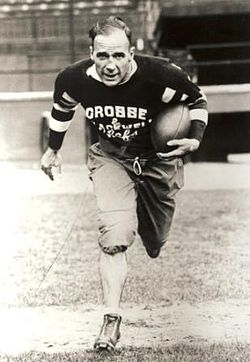
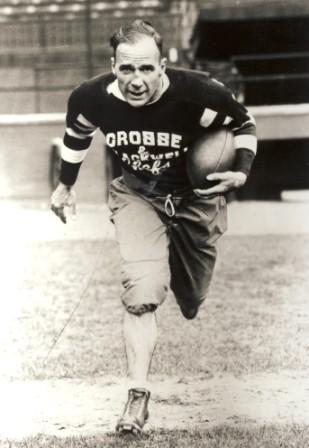
Lionel Conacher
Lionel Pretoria Conacher MP (/ˈkɒnəkər/ KON-ə-kər; May 24, 1900 – May 26, 1954), nicknamed "the Big Train", was a Canadian athlete and politician. Voted the country's top athlete of the first half of the 20th century, he won championships in numerous sports. His first passion was Canadian football; he was a member of the 1921 Grey Cup champion Toronto Argonauts. He was also a member of the Toronto Maple Leafs baseball team that won the International League championship in 1926. In hockey, he won the Memorial Cup in 1920, and the Stanley Cup twice: with the Chicago Black Hawks in 1934 and the Montreal Maroons in 1935. Additionally, he won wrestling, boxing and lacrosse championships during his playing career. He is one of three players, including Joe Miller and Carl Voss, to have their names engraved on both the Grey Cup and Stanley Cup.
Conacher retired as an athlete in 1937 to enter politics. He won election to the Legislative Assembly of Ontario in 1937, and in 1949 won a seat in the House of Commons. Many of his political positions revolved around sports. He worked to eliminate corruption in boxing while serving as a member of provincial parliament (MPP) in Ontario, also serving as the chairman of the Ontario Athletic Commission. Additionally, he served a term as director of recreation and entertainment for the Royal Canadian Air Force. It was also on the sports field that Conacher died: He suffered a heart attack twenty minutes after hitting a triple in a softball game played on the lawn of Parliament Hill.
Numerous organizations have honoured Conacher's career. In addition to being named Canada's athlete of the half-century, he was named the country's top football player over the same period. He was inducted into Canada's Sports Hall of Fame in 1955, the Canadian Football Hall of Fame in 1964, the Canadian Lacrosse Hall of Fame in 1965, the Hockey Hall of Fame in 1994, and the Ontario Sports Hall of Fame in 1996. Additionally, the Canadian Press gives the Lionel Conacher Award to its male athlete of the year.
Conacher was born in Toronto, Ontario, on May 24, 1900. His middle name was given after the South African city of Pretoria, where British Empire troops including Canadians were fighting the Boer War at the time of his birth. He was the eldest son of Benjamin and Elizabeth Conacher, and the third of ten children overall. He had four brothers and five sisters. The family grew up in the neighbourhood of Davenport, which his brother Charlie described as "one of Toronto's higher class slums". His father was a teamster, and struggled to earn enough money to support the family. In the winter, he ploughed the snow off outdoor skating rinks to earn additional money. Conacher left school after grade eight to go to work and help support his siblings. For ten hours a day, he hauled sod, earning an extra dollar a week for his family.
All ten children were encouraged to participate in sports by the principal of Jesse Ketchum School, who felt that such pursuits would keep his students from getting into trouble. Conacher discovered that he was among the better players in any sport he tried, and quickly became a star at Canadian football, ice hockey and lacrosse. He realized his athletic ability could offer an escape from poverty.
Conacher was a prolific athlete, excelling in numerous sports at the same time. He played with 14 different teams during his teenage years, winning 11 championships. In his youth, he played for Canadian Sports Hall of Fame coach, Bob Abate, and starred on Abate's Elizabeth Playground teams. He was 16 years old when he won the Ontario lightweight wrestling championship, and at 20 won the Canadian amateur light-heavyweight boxing championship. In 1921, he fought, and was knocked out by heavyweight champion Jack Dempsey in an exhibition match. One year he famously hit a triple to win the Toronto city baseball championship, then rushed to the other side of the city to find his lacrosse team trailing 3–0 in the Ontario provincial final. He scored four goals and an assist to lead them to a comeback victory.
Rugby football was the first sport Conacher played, and it was his favourite. He first played organized football at the age of 12 as a middle wing with the Capitals in the Toronto Rugby Football League. He played four seasons with the team between 1912 and 1915, during which the Capitals won the city championship each year. He won the Ontario championship as a junior with the Toronto Central YMCA in 1918, and in 1919 moved up to the intermediate level. With the intermediate Capitals, he was moved into an offensive role as a halfback. He excelled in the role, and his team reached Ontario Rugby Football Union (ORFU) final. In that final, the Capitals' opponents from Sarnia made stopping Conacher their priority, a strategy that proved the difference as Sarnia won the championship.
Conacher moved to the senior level in 1920 with the Toronto Rugby Club where his team again won the ORFU championship, but lost the eastern semifinal to the Toronto Argonauts of the Interprovincial Rugby Football Union (IRFU). His play impressed the Argonauts, who signed him for the 1921 season. In his first game with the Argonauts, he scored 23 of the team's 27 points, and led the IRFU in scoring, accounting for 14 touchdowns and 90 of his team's 167 points as they went undefeated in six games. The Argonauts won the eastern championship, and faced the Edmonton Eskimos in the first east–west Grey Cup championship in Canadian history. Conacher rushed for 211 yards and scored 15 points in Toronto's 23–0 victory to claim the national title.
Lionel Conacher
Lionel Pretoria Conacher MP (/ˈkɒnəkər/ KON-ə-kər; May 24, 1900 – May 26, 1954), nicknamed "the Big Train", was a Canadian athlete and politician. Voted the country's top athlete of the first half of the 20th century, he won championships in numerous sports. His first passion was Canadian football; he was a member of the 1921 Grey Cup champion Toronto Argonauts. He was also a member of the Toronto Maple Leafs baseball team that won the International League championship in 1926. In hockey, he won the Memorial Cup in 1920, and the Stanley Cup twice: with the Chicago Black Hawks in 1934 and the Montreal Maroons in 1935. Additionally, he won wrestling, boxing and lacrosse championships during his playing career. He is one of three players, including Joe Miller and Carl Voss, to have their names engraved on both the Grey Cup and Stanley Cup.
Conacher retired as an athlete in 1937 to enter politics. He won election to the Legislative Assembly of Ontario in 1937, and in 1949 won a seat in the House of Commons. Many of his political positions revolved around sports. He worked to eliminate corruption in boxing while serving as a member of provincial parliament (MPP) in Ontario, also serving as the chairman of the Ontario Athletic Commission. Additionally, he served a term as director of recreation and entertainment for the Royal Canadian Air Force. It was also on the sports field that Conacher died: He suffered a heart attack twenty minutes after hitting a triple in a softball game played on the lawn of Parliament Hill.
Numerous organizations have honoured Conacher's career. In addition to being named Canada's athlete of the half-century, he was named the country's top football player over the same period. He was inducted into Canada's Sports Hall of Fame in 1955, the Canadian Football Hall of Fame in 1964, the Canadian Lacrosse Hall of Fame in 1965, the Hockey Hall of Fame in 1994, and the Ontario Sports Hall of Fame in 1996. Additionally, the Canadian Press gives the Lionel Conacher Award to its male athlete of the year.
Conacher was born in Toronto, Ontario, on May 24, 1900. His middle name was given after the South African city of Pretoria, where British Empire troops including Canadians were fighting the Boer War at the time of his birth. He was the eldest son of Benjamin and Elizabeth Conacher, and the third of ten children overall. He had four brothers and five sisters. The family grew up in the neighbourhood of Davenport, which his brother Charlie described as "one of Toronto's higher class slums". His father was a teamster, and struggled to earn enough money to support the family. In the winter, he ploughed the snow off outdoor skating rinks to earn additional money. Conacher left school after grade eight to go to work and help support his siblings. For ten hours a day, he hauled sod, earning an extra dollar a week for his family.
All ten children were encouraged to participate in sports by the principal of Jesse Ketchum School, who felt that such pursuits would keep his students from getting into trouble. Conacher discovered that he was among the better players in any sport he tried, and quickly became a star at Canadian football, ice hockey and lacrosse. He realized his athletic ability could offer an escape from poverty.
Conacher was a prolific athlete, excelling in numerous sports at the same time. He played with 14 different teams during his teenage years, winning 11 championships. In his youth, he played for Canadian Sports Hall of Fame coach, Bob Abate, and starred on Abate's Elizabeth Playground teams. He was 16 years old when he won the Ontario lightweight wrestling championship, and at 20 won the Canadian amateur light-heavyweight boxing championship. In 1921, he fought, and was knocked out by heavyweight champion Jack Dempsey in an exhibition match. One year he famously hit a triple to win the Toronto city baseball championship, then rushed to the other side of the city to find his lacrosse team trailing 3–0 in the Ontario provincial final. He scored four goals and an assist to lead them to a comeback victory.
Rugby football was the first sport Conacher played, and it was his favourite. He first played organized football at the age of 12 as a middle wing with the Capitals in the Toronto Rugby Football League. He played four seasons with the team between 1912 and 1915, during which the Capitals won the city championship each year. He won the Ontario championship as a junior with the Toronto Central YMCA in 1918, and in 1919 moved up to the intermediate level. With the intermediate Capitals, he was moved into an offensive role as a halfback. He excelled in the role, and his team reached Ontario Rugby Football Union (ORFU) final. In that final, the Capitals' opponents from Sarnia made stopping Conacher their priority, a strategy that proved the difference as Sarnia won the championship.
Conacher moved to the senior level in 1920 with the Toronto Rugby Club where his team again won the ORFU championship, but lost the eastern semifinal to the Toronto Argonauts of the Interprovincial Rugby Football Union (IRFU). His play impressed the Argonauts, who signed him for the 1921 season. In his first game with the Argonauts, he scored 23 of the team's 27 points, and led the IRFU in scoring, accounting for 14 touchdowns and 90 of his team's 167 points as they went undefeated in six games. The Argonauts won the eastern championship, and faced the Edmonton Eskimos in the first east–west Grey Cup championship in Canadian history. Conacher rushed for 211 yards and scored 15 points in Toronto's 23–0 victory to claim the national title.
Recent media
Recent media