Hubbry Logo
Lists of riversLists of riversMain
Open search
Lists of rivers
Community hub
Lists of rivers
logo
8 pages, 0 posts
0 subscribers
Be the first to start a discussion here.
Lists of rivers
Lists of rivers
from Wikipedia

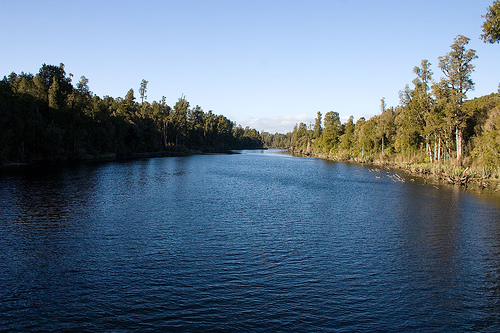
The Arnold River, Moana, New Zealand

This is a comprehensive list of rivers, organized primarily by continent and country.

General lists

[edit]


Rivers of Africa

[edit]
A dhow traversing the Nile near Aswan, Egypt

Rivers of East Africa

[edit]

Rivers of Middle Africa

[edit]

Rivers of Northern Africa

[edit]

Rivers of Southern Africa

[edit]

Rivers of Western Africa

[edit]

Rivers of Antarctica

[edit]

Rivers of Asia

[edit]
The Mekong before sunset, Thailand.

Rivers of Central Asia

[edit]

Rivers of Eastern Asia

[edit]

Rivers of Northern Asia

[edit]

Rivers of South-eastern Asia

[edit]

Rivers of Southern Asia

[edit]

Rivers of Western Asia

[edit]

Rivers of Europe

[edit]
The Iron Gates on the Danube.

General lists

[edit]

Rivers of Eastern Europe

[edit]

Rivers of Northern Europe

[edit]

Rivers of Southern Europe

[edit]

Rivers of Western Europe

[edit]

Rivers of North America

[edit]
Beaverhead River, a tributary of the Jefferson River and a headwater of the Missouri River, Montana

Rivers of the Caribbean

[edit]

Rivers of Central America

[edit]

Rivers of Northern America

[edit]

Rivers of Canada

[edit]

Rivers of Greenland

[edit]

Rivers of the United States

[edit]
General lists
[edit]
Rivers of the United States by state
[edit]

Rivers of Oceania

[edit]

Rivers of South America

[edit]

Extraterrestrial Rivers

[edit]
Revisions and contributorsEdit on WikipediaRead on Wikipedia
from Grokipedia
Lists of rivers are systematic compilations that catalog the world's rivers, typically organized by criteria such as , , , discharge volume, or area, providing essential references for , , and . These lists highlight the diversity of river systems, which number in the thousands globally and are found on every , including where they consist mainly of seasonal streams, shaping landscapes, supporting ecosystems, and influencing human settlements through their flow from sources like mountains or glaciers to mouths in oceans or inland seas. Among the most notable categorizations are lists by length, which rank major rivers based on measurements from the farthest source to the , often complicated by seasonal variations and inclusions; for example, the Nile River in measures 6,650 kilometers, making it the longest, while the in spans 6,575 kilometers and is second, though its exact length is debated due to dynamic Andean sources. Lists by continent reveal regional giants, such as the Yangtze River at 6,300 kilometers in , the Mississippi-Missouri system at 6,275 kilometers in , the at 3,700 kilometers in , and the Congo at approximately 4,700 kilometers in , each dominating their respective hydrological networks. Further compilations focus on drainage basins, which delineate the land area contributing water to a river; the Amazon boasts the largest basin at over 6 million square kilometers, draining parts of nine countries, while lists of international basins identify 313 shared systems covering 47.1% of the global land surface (as of 2023) and involving multiple nations for transboundary management. Country-specific lists, such as those for the from the U.S. Geological Survey, rank rivers like the as the largest by drainage area, aiding in water resource planning and flood risk assessment. These organizational approaches underscore rivers' critical roles in the global , , and economic activities like and transportation.

General lists

Worldwide compilations

Worldwide compilations of rivers provide comprehensive catalogs that aggregate data from across continents, often ranking them by length to facilitate global comparisons and hydrological studies. These lists typically include measurements in kilometers and miles, drawing from , field surveys, and historical records to account for variations in river paths and tributaries. A prominent example is the list of the world's longest rivers, which extends to over 100 entries but highlights the top systems for their scale and impact on global . The following table summarizes the top 10 longest river systems based on established measurements, illustrating the dominance of African, South American, and Asian waterways:
RankRiver SystemLength (km)Length (mi)
16,6504,132
2Amazon6,5754,086
36,3003,915
4Mississippi-Missouri6,2753,902
5Yenisei-Angara5,5393,445
65,4643,395
7Ob-Irtysh5,4103,362
8Congo4,7002,922
94,4442,761
10Lena4,4002,734
These rankings reflect combined lengths of main stems and major tributaries where applicable, though definitions of river extent can vary. Lists of river systems by length similarly emphasize integrated basins, such as the –Kagera chain, to capture full hydrological networks exceeding 1,000 km. Transcontinental rivers, which cross multiple national boundaries, feature prominently in these compilations due to their geopolitical significance and measurement challenges. The , spanning approximately 6,650 km across 11 African countries, has long been regarded as the longest river, but historical debates persist over its supremacy compared to the Amazon, with some studies proposing the Amazon at up to 7,000 km based on revised headwater mappings from the 2000s. Similarly, the , measuring 2,860 km and traversing 10 European nations, exemplifies transboundary systems where length assessments incorporate international borders and delta formations. These debates underscore the difficulties in standardizing measurements, influenced by factors like seasonal flooding and remote terrain. Multinational river lists further compile data on shared drainage basins, focusing on cooperative frameworks to manage cross-border resources. Such compilations highlight basins governed by international treaties, including the 1995 Agreement on the Cooperation for the of the River Basin, signed by , , , and to promote equitable utilization, , and joint projects like flood control and . These lists often reference over 280 transboundary basins worldwide, emphasizing treaties that facilitate and without favoring regional specifics.

Lists by physical attributes

Lists of rivers organized by physical attributes focus on quantifiable characteristics such as , discharge, and basin area, enabling standardized comparisons of river systems worldwide. These lists often rely on measurements of the for to ensure consistency, though debates arise over whether to include major tributaries in total system length. For instance, the River measures 6,650 km as the longest main stem river, followed by the Amazon at 6,575 km and the at 6,300 km. Measurements of average discharge, expressed in cubic meters per second (m³/s), highlight rivers' volumetric flow rates, which can vary seasonally due to patterns, , or monsoons. The leads with an average discharge of 209,000 m³/s, accounting for about 15-20% of global river discharge into oceans, while its flow peaks during the from December to May. The follows with approximately 40,200 m³/s, exhibiting relatively stable discharge due to the equatorial but with minor seasonal fluctuations from rainfall. River basin area lists rank systems by the land area drained, influencing water volume and , with most major basins classified as exoreic (draining to oceans) versus endorheic (internal drainage to closed lakes or depressions). The covers about 7 million km², the largest exoreic basin, supporting immense through its vast drainage network. The , at 3.7 million km², is another key exoreic example, draining across and contributing significantly to Atlantic inflows.

Lists by human and environmental factors

Lists of rivers categorized by human and environmental factors emphasize how rivers interact with societies through shared management, conflicts, and alterations, as well as their vulnerability to global changes like climate variability. These compilations, often maintained by international organizations such as the (FAO) and the Transboundary Waters database, highlight over 260 major basins worldwide that cross international borders and affect more than 40% of the global population. Such lists underscore the need for cooperative governance to mitigate disputes and . Transboundary rivers frequently lead to international disputes over water allocation, quality, and infrastructure development, with dedicated lists tracking over 100 such basins prone to tension. The Nile River, shared by 11 countries, exemplifies this through the Nile Basin Initiative (NBI), an intergovernmental partnership involving 10 riparian states—, Democratic Republic of Congo, , , , , , , , and —established in 1999 to promote equitable utilization and sustainable management. Similarly, the Euphrates-Tigris basin, spanning , , and , has been a focal point of conflicts since the 1970s, driven by upstream damming in that reduces downstream flows by up to 40% during dry periods, exacerbating and agricultural losses in and . These disputes are documented in global inventories by bodies like the International Network of Basin Organizations, which catalog cooperative frameworks and unresolved tensions to foster diplomatic resolutions. Climate change profoundly impacts river systems, particularly glacial-fed ones, with assessments by the (IPCC) highlighting risks to many high-mountain basins of altered due to retreat and shifting patterns, as assessed in IPCC AR6 (2022). Recent observations up to 2025 align with these projections of accelerating loss in regions like the and . In -dominated regions like the and , river runoff is projected to initially increase from enhanced melt but decline by 20-30% by mid-century as s lose mass, affecting for billions. The , reliant on Himalayan s for 40-50% of its flow, faces significant threats; IPCC assessments project approximately 49% loss of mass in High Mountain Asia by 2100 under moderate emissions scenarios (RCP4.5), potentially reducing seasonal flows by up to 20% and intensifying droughts in downstream and . Other examples include the and Brahmaputra, where glacial retreat is projected to alter seasonality and contribute to declines in dry-season flows, as assessed in IPCC reports for the Hindu Kush Himalaya region. Human alterations, especially damming, have transformed thousands of rivers, with global lists like the Global Reservoir and Dam (GRanD) database documenting over 7,000 large dams that fragment habitats and divert flows for , , and flood control. The in illustrates extreme modification, where diversions for and urban use consume nearly 90% of its annual flow—totaling about 13.5 million acre-feet out of 15 million—leaving minimal water to reach the and causing ecosystem collapse in the delta. Mega-dams, defined as those over 15 meters high or with significant storage, number around 60,000 worldwide, with the on China's River being the largest by installed capacity at 22,500 megawatts, generating over 100 terawatt-hours annually but displacing 1.3 million people and altering across 1,800 kilometers downstream. These compilations, such as those from the World Commission on Dams, prioritize rivers with multiple large structures to assess cumulative environmental and social impacts.

Rivers of Africa

Rivers of East Africa

East Africa, as defined by the , encompasses countries including , , , , , , , , , , , , , , , , , , , and . This subregion features diverse river systems shaped by the East African Rift Valley, which influences drainage patterns through tectonic activity and volcanic formations. Many rivers originate in highland plateaus or rift escarpments, flowing either eastward to the or northward into endorheic basins like the . Volcanic influences, particularly from ancient shields like and the , contribute to porous basaltic soils that enhance but limit in some areas, leading to intermittent flows during dry seasons. The rivers feeding , Africa's largest lake and an endorheic system, exemplify regional hydrological interconnectedness. The , a notable shared waterway spanning , , , and , serves as the primary affluent with a length of approximately 400 km and a basin covering about 60,500 km²; it originates from the confluence of the Ruvubu and Nyabarongo rivers and delivers roughly 7.5 km³ of water annually to the lake, forming a key headwater of the . Other significant feeders include the (shared by and , ~400 km long), (), and smaller streams like the Sio and Yala from , which collectively sustain the lake's volume despite variable rainfall. These systems highlight the rift's role in creating closed basins prone to evaporation and sedimentation. Country-specific river lists underscore East Africa's hydrological diversity. In , the Tana River stands as the longest at about 1,000 km, draining a basin of 126,208 km² from Mount Kenya's slopes to the , supporting and while facing sedimentation challenges. Tanzania's , with a basin spanning 177,429 km² (20% of the country's land), originates in the southern highlands and flows 600 km eastward, forming a vital delta ecosystem. Uganda's rivers, primarily White Nile tributaries, include the Victoria Nile (180 km from to Lake Albert) and inflows like the Kagera, contributing to the 's overall discharge. In , major rivers such as the (Abay, ~800 km within Ethiopia) and Awash (endoreic, ~1,200 km) originate in the highlands, with the providing 85% of the 's seasonal floodwaters. Eritrea features seasonal rivers like the Anseba (268 km) and Barka (305 km), which flow to the but often dry up due to arid conditions. Rwanda and host upper Kagera tributaries, including the Nyabarongo (300 km) and Ruvubu (400 km), draining into the . Further south, Malawi's (402 km) links Lakes Malawi and Malombe, while Mozambique's Zambezi tributaries like the Luangwa support biodiversity; and share the (2,574 km total, with key segments in the subregion), and Somalia's Juba and Shebelle rivers (1,000+ km each) flow from toward the but rarely reach it. lacks perennial rivers, relying on wadis like the Ambouli. These lists emphasize transboundary management needs amid climate variability.
CountryMajor RiversKey Characteristics
KenyaTana, AthiTana: 1,000 km, drainage; supports 32% of national runoff.
TanzaniaRufiji, PanganiRufiji: 177,429 km² basin, largest in ; delta vital for fisheries.
UgandaVictoria Nile, Kagera (tributary)Victoria Nile: Links Lakes Victoria-Albert; key for headwaters.
Ethiopia (Abay), Awash: Originates , ~800 km in ; flood driver.
Rwanda/BurundiNyabarongo, RuvubuFeed Kagera; Nyabarongo: 300 km, central to drainage.
Mozambique/Zambia/ZimbabweZambezi tributaries (e.g., Luangwa, )Zambezi: Transboundary, 2,574 km total; hydropower and corridors.

Rivers of Middle Africa

Middle Africa, encompassing countries such as the , , , , and [Central African Republic](/page/Central_African Republic), features a network of rivers dominated by the equatorial , which supports dense tropical rainforests and high hydrological connectivity. These rivers are characterized by perennial flows driven by year-round rainfall exceeding 2,000 mm annually in many areas, contributing to the basin's role as the world's second-largest river system by discharge volume, after the Amazon. The itself originates in the highlands of and flows northward then westward for approximately 4,700 km across the twice before emptying into the Atlantic Ocean near , . Its spans about 3.7 million km², covering roughly 70% of the subregion and influencing climates far beyond its borders through moisture export. The system forms the core of Middle Africa's , with numerous tributaries that enhance its and sediment transport. Major left-bank tributaries include the Ubangi-Uele system (2,270 km long, draining 772,800 km² from the and flowing into the Congo at the Mbongo Confluence), Aruwimi River, Itimbiri River, and Mongala River, which collectively channel water from northern rainforests. Right-bank tributaries such as the (2,150 km), Lomami River, Lulonga River, Ruki River, and Sangha River (approximately 790 km, originating in the ) drain southern and western highlands, adding to the system's average annual discharge of 41,000 m³/s at its mouth. These tributaries sustain extensive floodplains and peatlands, supporting over 700 fish species and unique aquatic ecosystems. Rainforest drainage patterns in Middle Africa exhibit dendritic networks shaped by low-gradient terrain and high , leading to widespread seasonal flooding that inundates up to 100,000 km² annually during peak wet seasons from to November. This flooding enriches soil nutrients and maintains hotspots, as seen in rivers like the Ogooué (1,200 km long, with a 215,000 km² basin primarily in ), which flows through Ivindo National Park and supports endemic species such as forest elephants and over 400 bird species via its floodplain forests. The Ogooué's discharge peaks at around 4,700 m³/s during floods, contrasting with dry-season lows, and its isolation from the Congo system preserves distinct hydrological regimes. Similar patterns occur in the Nyanga and Ivindo rivers, which feed into the Ogooué and highlight the subregion's role in global through preservation. Isolated basins within the Congo system, such as the and Likouala, function as semi-independent drainage units with unique ecological niches. The River basin (approximately 240,000 km²) drains northern Congo rainforests from sources in and the , joining the Congo near Ouesso and featuring swampy lowlands that protect Ramsar wetland sites rich in and . Its tributaries, including the Mambéré and Kadéi rivers, exhibit slow meandering flows with seasonal inundation supporting the Trinational . The Likouala system, including the (700 km long) and Likouala-Mossaka rivers, drains a 69,800 km² area in the Republic of the Congo's northern cuvette, characterized by floating meadows and peat swamps that filter water before merging with the Congo via the . These basins underscore the fragmented yet interconnected nature of Middle Africa's riverine landscapes, vital for regional biodiversity conservation.

Rivers of Northern Africa

Northern Africa's river systems are predominantly influenced by the arid Desert and the , resulting in a mix of rivers fed by distant sources and ephemeral wadis that flow only during rare rainfall events. The region, encompassing countries like , , , , and , features limited due to low , with most rivers originating from the or transboundary basins. These waterways are critical for , urban water supply, and historical civilizations, but many are intermittent, highlighting the subregion's hydrological challenges. The stands as the dominant feature in lists of Northern African rivers, measuring approximately 6,650 kilometers in length and recognized as the longest river in . It forms through the of the , which originates in the equatorial highlands and spans about 3,700 kilometers with steady flow from , and the , rising in the and contributing around 1,450 kilometers while carrying the majority of the sediment and seasonal floodwaters. The Nile's basin supports over 300 million people across multiple countries, serving as a vital lifeline for and in and . Its management involves transboundary agreements, such as the 2010 Cooperative aimed at equitable water sharing among riparian states. The construction of the Grand Ethiopian Renaissance Dam (GERD) on the , with filling phases completed by 2025, has sparked debates on water security, with and expressing concerns over reduced flows. The completion of the Aswan High Dam in 1970 significantly altered the Nile's natural regime, controlling annual floods that previously deposited nutrient-rich silt across the floodplain and enabling year-round irrigation for expanded agriculture. This structure, located near in , stores up to 169 billion cubic meters of water in , mitigating drought risks but also leading to challenges like reduced downstream due to trapped sediments and increased reliance on fertilizers. In river lists, the Nile's main stem and tributaries, including the River as its northernmost branch, underscore its role as a perennial system contrasting with the region's . Wadi systems dominate lists of ephemeral rivers in Northern Africa, particularly in Libya and Algeria, where dry riverbeds activate only during intense, sporadic rains, often causing flash floods. Wadi Derna in Libya exemplifies this, a typically dry channel draining 575 square kilometers from the Al Jabal Al Akhdar escarpment, prone to sudden inundations as seen in historical events like the 1959 and 2023 floods that overwhelmed local infrastructure. These wadis, numbering in the hundreds across the Maghreb and Libyan desert, transport sediment and recharge aquifers intermittently but pose risks to settlements built in their paths. Rivers originating in the appear prominently in regional lists, providing more consistent flows to coastal and inland areas in and . The , stretching about 550 kilometers from the Middle Atlas to the near , , drains a 53,500-square-kilometer basin and supports agriculture in a semi-arid zone, though it faces issues from upstream . Other notable examples include the Chelif in (about 725 kilometers) and the Medjerda in (350 kilometers), which sustain oases and valleys amid the desert expanse. These mountain-fed rivers contrast with wadis by offering perennial segments, essential for the subregion's limited but vital .

Rivers of Southern Africa

Southern Africa's river systems are characterized by drainage patterns shaped by ancient plateaus and landscapes, particularly in the interior regions of , , and , where soluble dolomite formations create complex subterranean flows and surface streams. These systems often exhibit endorheic basins that terminate in inland deltas or salt pans rather than reaching the sea, influenced by the arid climate and elevated terrain of the Kalahari Plateau. Major rivers in the region support , , and , but face challenges from seasonal variability and inter-basin transfers. The , the longest in at 2,200 km, originates in the Mountains of and flows westward, forming part of the border with before emptying into the Atlantic Ocean. Its principal tributary, the , stretches 1,200 km across the , contributing significantly to the basin's 973,000 km² drainage area used for and . Endorheic systems dominate the interior, exemplified by the in , an inland covering approximately 15,000 km² that receives seasonal floods from the without oceanic outlet, sustaining diverse ecosystems. The Zambezi River, measuring 2,574 km, flows through the region and features the dramatic , a 108-meter drop spanning 1,708 meters wide, while its transboundary nature involves cooperation among eight riparian countries for shared management. Coastal rivers, such as the , exhibit pronounced seasonality, with flows peaking during summer rains and often drying in winter; this 1,750 km river traverses arid savannas before reaching the in .
RiverLength (km)Key FeaturesCountries
Orange2,200Plateau drainage, Vaal tributary, border with , ,
Okavango (Delta)N/A (fan system)Endorheic inland delta, 15,000 km² wetland, ,
2,574, transboundary basin, , , , ,
1,750Seasonal flow, coastal outlet, , ,

Rivers of Western Africa

Western Africa's rivers are predominantly monsoon-fed systems that originate in the humid highlands and flow towards the Atlantic Ocean, transitioning through the semi-arid where seasonal flooding supports agriculture and fisheries. These waterways, including the , Volta, and , are vital for transportation, , and , with many exhibiting navigable stretches that facilitate regional trade despite challenges like and . Unlike the intermittent wadis of northern , Western African rivers maintain perennial flows in their lower reaches, contributing to coastal lagoons and deltas that buffer against erosion and sustain . Major rivers in Western Africa include the (4,200 km), Volta (1,600 km), (1,641 km), (1,120 km), and Komoe (1,233 km), each draining vast basins that span multiple countries such as , , , and . These systems collectively cover over 2 million km², with the Basin alone encompassing 1.5 million km². The , the region's longest at 4,200 km, originates in the Highlands and flows eastward through before turning southeast into , ultimately emptying into the via a broad delta. In central , it forms the Inland Delta, a vast expanse of approximately 36,000 km² comprising interconnected lakes, channels, and marshes that flood seasonally to support cultivation, , and migratory habitats for over 300 . However, the faces severe oil pollution from spills and leaks, with a 2011 assessment revealing widespread contamination of and surface waters, including levels up to 900 times above guidelines in some areas, linked to extraction activities since the . The system, spanning 1,600 km, drains about 400,000 km² across six countries including and , converging at the to form , the world's largest artificial reservoir by surface area at 8,482 km². This reservoir, created in 1965, stores up to 148 km³ of water for generation, supplying over 50% of 's electricity while enabling for 200,000 hectares of farmland along its shores. The system's tributaries, such as the and White Volta, originate in savanna highlands and contribute to seasonal floods that enrich downstream floodplains, though upstream has increased rates by 20-30% in recent decades. Coastal river systems like the , 1,641 km long and shared among , , , and , form extensive lagoons and estuaries along the Atlantic margin, where it demarcates the Senegal-Mauritania border for over 300 km before reaching the sea near Saint-Louis. This river supports deltaic wetlands covering 12,000 km², fostering mangrove forests and fisheries that yield 100,000 tons of fish annually, though salinity intrusion from reduced flows—down 30% since the 1970s due to upstream —threatens these ecosystems. Northern extensions of these rivers occasionally link to desert oases, providing limited in arid zones.

Rivers of Antarctica

Glacial and meltwater streams

Glacial and streams in are ephemeral waterways formed primarily from the seasonal melting of glacier ice, occurring almost exclusively in the ice-free regions such as the . These streams are vital components of polar , transporting nutrients and sediments to downstream lakes while supporting unique microbial ecosystems adapted to extreme conditions. Unlike perennial rivers elsewhere, they flow only during the brief austral summer ( to ), with durations typically lasting 4 to 12 weeks depending on annual climate variations. The , located in , stands as the longest and most extensively studied of these streams, extending approximately 32 kilometers from the Wright Lower Glacier to . It exemplifies the transient nature of Antarctic flows, activating solely in summer when solar heating and glacial melt initiate discharge. Flow rates in the Onyx River vary seasonally, with average discharges around 0.5 cubic meters per second during peak periods, though instantaneous peaks have reached up to 9.9 cubic meters per second in exceptional years. In the adjacent , a network of shorter streams—such as those draining Commonwealth Glacier and Taylor Glacier into Lake Hoare and Lake Bonney—forms interconnected systems that collectively span several kilometers and exhibit similar summer-only hydrology. These Taylor Valley streams typically maintain lower average discharges, often below 0.2 cubic meters per second, but contribute significantly to valley-scale water budgets. Meltwater dynamics in these streams are driven by a combination of solar radiation, which provides the primary energy for ice , and katabatic winds that enhance and to accelerate melt. Solar insolation during summer can generate up to 300 watts per square meter at surfaces, directly correlating with increased as air temperatures rise above freezing. Katabatic winds, descending from the polar plateau, further amplify melt by removing cold air and increasing transfer, with wind speeds in often exceeding 10 meters per second during events that boost discharge by 20-50%. These factors result in highly variable flows, where daily discharges can fluctuate by orders of magnitude in response to short-term weather patterns. Ongoing research lists and monitoring efforts, particularly through the Long-Term Ecological Research (MCM-LTER) program funded by the U.S. , catalog dozens of such streams across the region. Initiated in the 1990s, this program systematically tracks hydrological parameters including discharge, temperature, and conductivity at key sites like the and outlets, providing datasets spanning decades for analyzing climate influences on polar water cycles. These inventories highlight the streams' role in nutrient cycling and their sensitivity to broader environmental changes.

Named and temporary rivers

In Antarctica, named rivers primarily consist of short, seasonal meltwater streams that form during the brief austral summer, often originating from glacial outlets in ice-free regions such as . These features are cataloged by geographic names authorities and scientific surveys, with the Alph River serving as a prominent example. The Alph River, approximately 10 km long, flows intermittently on the northern side of the Koettlitz Glacier along the Scott Coast, draining into Walcott Bay through a series of lakes including Alph Lake and Howchin Lake. It was named in 1911 by geologist Griffith Taylor during the British Antarctic Expedition (Terra Nova) led by Captain , inspired by the "sacred river" in Samuel Taylor Coleridge's poem . Another well-documented named river is the , the longest in at approximately 32 km, which flows westward through the in the from the Wright Lower Glacier to . First observed and mapped during the same 1911 by Taylor's geological party, it was formally named in 1959 by the Antarctic Expedition (VUWAE) after the onyx , reflecting its dark, sediment-laden appearance. In , meltwater outlets from glaciers like Leverett Glacier in contribute to similar short streams that discharge toward the , though these are less extensively named due to the region's remoteness. Temporary rivers, often resembling wadi-like channels in arid environments, are prevalent in the dry valleys of , where they activate only during peak summer melting for periods of up to 10 weeks annually. These intermittent streams, varying in length from less than 1 km to over 30 km, form in areas like the , channeling glacial across barren, ice-free terrain before evaporating or infiltrating the ground. Examples include streams in , which were first documented during early 20th-century explorations but have been systematically studied since the through expeditions like the Geological Survey Expedition. Such features highlight the episodic nature of , influenced by broader polar patterns tied to seasonal solar .

Rivers of Asia

Rivers of Central Asia

Central Asia's rivers are predominantly confined to endorheic basins, where water does not reach the ocean but accumulates in inland seas or evaporates in arid steppes, shaping a dominated by seasonal flows from mountain sources amid vast landscapes. These systems support and settlements but face challenges from overuse and climate variability, with comprehensive lists often cataloging major transboundary waterways like those in the basin. The and stand as the principal rivers in regional lists, forming the backbone of Central Asia's . The , stretching 2,200 kilometers from the Tien Shan Mountains westward to the , drains a basin covering about 782,000 square kilometers across , , , and . Similarly, the extends 2,540 kilometers from the through , , , and , also feeding the with an average annual flow historically ranging from 58.6 to 109.9 cubic kilometers. These rivers have been central to since antiquity, but Soviet-era diversions for cotton production caused the to shrink dramatically since the 1960s, losing 88% of its surface area and 92% of its volume by 2010. Mountain-fed rivers like the Ili exemplify the region's alpine influences, originating in China's and flowing 1,439 kilometers northwest into Kazakhstan's , with a of 140,000 square kilometers shared between the two nations. Such rivers appear prominently in lists of Central Asian waterways due to their role in sustaining oases and fisheries in otherwise arid zones, though they contribute to transboundary tensions over water allocation with neighboring regions. Arid adaptations, including extensive canal systems, are integral to lists of modified rivers, highlighting interventions to combat . The , at 1,375 kilometers, diverts waters across Turkmenistan's to irrigate over 1 million hectares of farmland, representing one of the world's longest channels and a key feature of Soviet hydraulic engineering. These diversions, while boosting , have exacerbated downstream and ecological strain in endorheic systems.

Rivers of Eastern Asia

Eastern Asia, encompassing , , and the Korean Peninsula, features river systems profoundly shaped by the East Asian monsoon, which delivers intense seasonal rainfall and fosters flood-prone, silt-laden flows supporting dense human settlements. These rivers sustain over a third of the world's population in their basins, driving agriculture, industry, and urbanization amid challenges like erosion and flooding. The and Rivers dominate , while shorter, steeper streams characterize Japan's archipelago, reflecting the region's varied topography from vast plains to mountainous islands. The Yangtze River, Asia's longest at 6,300 kilometers, originates in the and traverses diverse landscapes before emptying into the , its basin home to approximately 400 million people who rely on it for water, transport, and . The river's monsoon-fed regime causes frequent flooding, historically displacing millions, but the —operational since 2003 with full completion in 2006—has mitigated these risks by controlling floodwaters across 1 million square kilometers while generating significant electricity. This infrastructure has transformed the basin's ecology and economy, supporting navigation for large vessels and irrigating fertile deltas that produce much of China's and fish. The , measuring 5,464 kilometers and known as China's "Mother River," flows from the through the arid north, carrying heavy loads that earn it its name and make it one of the world's muddiest waterways. Its middle reaches traverse the , where severe erosion—exacerbated by rains and historical —contributes up to 90% of the river's , leading to channel and devastating floods that have altered civilizations over millennia. Efforts to combat this include terracing and on the plateau, reducing yield and stabilizing the river's course for the 100 million residents in its basin. In contrast, Japan's island rivers are shorter and more precipitous, adapted to the archipelago's volcanic terrain and typhoon-influenced monsoons, with the at 367 kilometers serving as the longest example. Flowing from the to the Sea of Japan, the Shinano supports rice paddies and urban centers in Niigata and Nagano prefectures, its basin covering 11,900 square kilometers and sustaining dense coastal populations through flood control levees and hydroelectric facilities. These systems highlight Eastern Asia's riverine diversity, where mainland giants contrast with insular streams, all integral to regional resilience against climatic variability.

Rivers of Northern Asia

Northern Asia, encompassing in , features some of the world's longest rivers, which originate in mountainous or regions and flow northward through permafrost-dominated landscapes to the . These rivers, including the Lena, Yenisei, and Ob, drain vast basins covering millions of square kilometers and play a critical role in the region's , transporting freshwater and sediments that influence and global climate patterns. Their flow regimes are heavily influenced by seasonal freezing and thawing, with peak discharges occurring during spring snowmelt. The Lena River, stretching approximately 4,400 km from its source near Lake Baikal to its delta in the Laptev Sea, exemplifies the scale of Siberian drainages, with a basin area exceeding 2.4 million km². Permafrost thaw, accelerated by climate warming, has increased its annual discharge by about 22% over the past 84 years, enhancing winter flows through deeper active layer development and altered groundwater dynamics. This thaw also mobilizes organic carbon and nutrients, potentially amplifying greenhouse gas emissions from the riverine system. The Yenisei River, measuring 3,487 km and draining a 2.58 million km² basin, ranks among the highest-discharge Arctic rivers at an average of 19,800 m³/s near its mouth in the Kara Sea. Its unregulated upper reaches contrast with downstream hydroelectric developments, maintaining natural sediment transport vital for coastal ecosystems. The Ob River, at 3,650 km long with a basin of nearly 3 million km², parallels the Yenisei in volume, contributing significantly to Kara Sea freshwater input despite partial regulation. Tunguska tributaries, such as the Lower and Stony Tunguska, form remote, unregulated sub-basins of the Yenisei, spanning over 400,000 km² in sparsely populated with minimal human infrastructure. These systems remain largely pristine, supporting unique and serving as indicators of undisturbed , though emerging microplastic contamination highlights growing environmental pressures even in isolated areas.

Rivers of South-eastern

Southeast Asia's rivers are characterized by short, steep gradients in tropical environments, often draining rugged terrains with high sediment loads due to intense monsoon rainfall and tectonic activity. These drainages support diverse ecosystems but face pressures from rapid urbanization and climate variability, with many originating in mountainous borders and flowing into expansive deltas or archipelagic seas. Influenced by seasonal monsoons extending from eastern regions, the rivers exhibit pronounced wet-season flooding that shapes their hydrological regimes. The River, spanning 4,350 km through six countries, exemplifies these continental-scale systems in the region, originating in China's and forming a vast delta in that sustains over 60 million people through and fisheries. The delta experiences subsidence at rates of 1-2 cm per year, primarily driven by extraction and compaction, exacerbating vulnerability to sea-level rise and storm surges. In , River flows 2,170 km from northern highlands to the , featuring canyon-like formations in its upper reaches where tectonic uplift creates narrow gorges amid the Indo-Burman ranges. Similarly, the , measuring 2,800 km, carves deep canyons up to 3.5 km in depth through southeastern and , with its segment prone to debris flows that influence sediment delivery and aquatic habitats. Archipelagic rivers, such as the Kapuas in , highlight insular drainage patterns, stretching 1,143 km across with steep tropical gradients that feed peat swamps and coastal mangroves. These systems, often less than 1,500 km long, contrast with mainland counterparts by navigating fragmented island landscapes, contributing to high in riverine wetlands.

Rivers of Southern Asia

The rivers of Southern Asia, primarily in the Indian subcontinent including India, Pakistan, Bangladesh, Nepal, and Bhutan, are characterized by the expansive Indus, Ganges, and Brahmaputra systems, which originate in the Himalayan glaciers and sustain agriculture, hydropower, and dense populations across alluvial plains. These transboundary waterways, fed by monsoon rains and snowmelt, form the core of regional hydrology and support over a billion people, while their management involves international agreements due to shared basins. The River extends 2,525 km from its glacial source at Gaumukh in the , flowing southeast through northern and to the , where it merges with the Brahmaputra to create the world's largest delta. Revered as the goddess Ganga in , the river is central to religious practices, with over 70 million people bathing in it annually for spiritual purification during festivals like . Despite its cultural importance, the receives approximately 3 billion liters of untreated sewage daily from cities and industries along its course, leading to high levels of fecal coliform bacteria and that threaten aquatic life and human health. The , spanning 3,180 km, begins at a spring near Lake Mansarovar in the , sustained primarily by glacial melt from the and Himalayan ranges, before traversing in and the length of to the . This river system irrigates vast arid farmlands in and , supporting 's agriculture, which relies on it for about 90% of water needs. Water sharing between and is regulated by the of , mediated by the World Bank, which allocates the eastern tributaries (Ravi, , ) to and the western ones (, , Chenab) to , with provisions for limited cross-border uses. The measures about 2,900 km, originating as the from the Angsi Glacier in , entering as the Siang in , and widening dramatically in before joining the in . In , the river's braided channel and high sediment load contribute to annual floods, which inundate up to 40% of the state's land during monsoons, displacing millions and causing significant economic losses estimated at billions of dollars periodically. These floods, exacerbated by and climate variability, deposit fertile but also lead to and habitat loss in the region.

Rivers of Western Asia

Western Asia, encompassing countries such as , , , , , , and the broader , features river systems that have profoundly shaped human history through their roles in and settlement in arid environments. These rivers, often transboundary, support via ancient networks and modern , adapting to low by channeling seasonal floods into fertile valleys. The region's hydrology emphasizes endorheic basins and northward flows, contrasting with the monsoon-driven systems of southern , where brief transboundary links occur at borders like the ' extension toward the . The and rivers form the core of the Mesopotamian river system, originating in eastern and flowing southeast through and to the , sustaining the where early civilizations emerged around 4000 BCE. The spans approximately 1,900 kilometers, with 77% of its course in , providing vital irrigation for ancient Sumerian city-states through levee-based farming techniques that mitigated arid conditions. The , the longest river in the region at about 2,800 kilometers, parallels the and historically enabled the development of irrigated , where records from 4000 BCE document flood control and crop cultivation in the alluvial plains. Together, these rivers' basins cover over 1 million square kilometers, fostering adaptations like qanats and reservoirs that persist in modern water management amid upstream damming in . The , a 251-kilometer endorheic waterway, flows southward from the through the into the Dead Sea, its hypersaline terminal basin highlighting the region's closed hydrological cycles. Originating from multiple springs on , it has supported Levantine agriculture and pilgrimage sites, with diversions for irrigation reducing its flow by over 90% since the mid-20th century. Water conflicts over the Jordan intensified post-1948, culminating in the 1994 Israel-Jordan Peace Treaty, which allocated shared rights to its waters and the Yarmouk tributary, establishing joint monitoring to address scarcity in the arid . Further west, the follows a distinctive northward path for 571 kilometers from 's Bekaa Valley through and into 's Mediterranean coast, irrigating the with karst-fed springs suited to the region's . Known historically as the "rebel river" for its counterflow to regional gradients, it has enabled terraced farming and urban centers like , with transboundary agreements since 2003 regulating its 1.4 billion cubic meters annual discharge among , , and .
RiverLength (km)Primary CountriesKey Adaptation/FeatureSource
1,900, , Irrigation canals in PMC
2,800, , Flood control for PMC
251, , , Endorheic basin to Yale Law
Orontes571, , Northward flow in ResearchGate

Rivers of Europe

General European lists

General European lists provide comprehensive overviews of rivers across the , often ranked by key metrics such as , discharge volume, and basin size to facilitate comparative analysis and highlight transboundary significance. These compilations typically encompass all of , from the Atlantic to the , and serve as foundational references for hydrological studies, , and infrastructure . One prominent list ranks European rivers by length, with the recognized as the longest at 3,530 kilometers, originating in the of and flowing into the . The follows as the second longest at 2,850 kilometers, traversing ten countries from Germany's to the Delta. Other notable entries include the Ural at 2,428 kilometers and the at 2,290 kilometers, illustrating the dominance of eastern European waterways in overall extent. In terms of volume, the also leads as Europe's most voluminous river, with an average discharge of approximately 8,100 cubic meters per second at its delta, reflecting its vast 1,360,000-square-kilometer basin that supports significant and economic activity. The ranks second in discharge at around 6,500 cubic meters per second, underscoring its role in multinational water resource management. These rankings emphasize the rivers' contributions to , , and across diverse climates. Trans-European connectivity is exemplified by the Rhine-Main-Danube Canal, completed in 1992, which spans 171 kilometers and links the via the to the via the , enabling barge traffic over 3,500 kilometers and reducing reliance on overland . This infrastructure, featuring 16 locks to navigate a total elevation difference of 243 meters, has facilitated over 10 million tons of annual freight since its opening. The European Union's Water Framework Directive, adopted in 2000 (Directive 2000/60/EC), establishes standardized classifications for all rivers, categorizing ecological status into high, good, moderate, poor, or bad based on biological, chemical, and hydromorphological quality elements. This framework mandates river basin management plans to achieve at least good status by 2027, promoting integrated protection across 110,000 kilometers of European waterways and addressing transboundary pollution through cooperation among member states.

Rivers of Eastern Europe

The rivers of , spanning countries such as , , and parts of and , form a critical network influenced by Slavic historical migrations and trade routes that connected inland steppes to the . These waterways, often characterized by broad, meandering courses through fertile plains, supported ancient between Slavic communities and southern Mediterranean civilizations, fostering economic ties and cultural exchanges from the early medieval period onward. The Dnieper River stands as a principal feature of this landscape, extending 2,290 km from its source in Russia's Valdai Hills, through Belarus and Ukraine, before discharging into the Black Sea near Kherson. Its expansive basin, covering 504,000 km², sustains agriculture, hydropower, and navigation across diverse terrains from forests to steppes, with major reservoirs like the Kyiv Reservoir aiding water management. The 1986 Chernobyl nuclear accident severely contaminated segments of the Dnieper basin, particularly via the Pripyat River tributary, releasing radionuclides that persist in sediments and affect water quality, fish populations, and downstream ecosystems in Ukraine. Further east, the Don River courses 1,970 km southward from near Tula in central Russia, traversing the expansive Pontic-Caspian steppe before reaching the Sea of Azov, an inlet of the Black Sea. Navigable for about 1,370 km from its mouth upstream to Voronezh, it has historically enabled the transport of grain, timber, and industrial goods across the steppe, linking Russian heartlands to southern ports and supporting regional trade since antiquity. To the west, the River, Poland's dominant waterway at 1,047 km long, originates in the and winds northward through the expansive Polish lowlands, where its broad floodplain facilitates flooding, sediment deposition, and fertile alluvial soils vital for . Though draining to the [Baltic Sea](/page/Baltic Sea) rather than the , the Vistula exemplifies the lowland river systems shaping Eastern Europe's Slavic heartlands, with its length ranking it ninth among Europe's major rivers.

Rivers of Northern Europe

Northern Europe, encompassing (Norway, , ), , , and the (, , ), is characterized by rivers shaped by , fjords, and boreal forests, resulting in relatively short waterways with high gradients suitable for . These rivers often drain into the North Atlantic, , or , and lists of them are compiled by national hydrological services and international bodies like the to track water resources, flood risks, and ecological health. Comprehensive inventories, such as those in the UNECE Transboundary Rivers database, highlight over 200 major rivers exceeding 100 km, emphasizing their role in regional , production, and amid glacial legacies. The Göta River in , stretching 93 km from to the Sea, exemplifies interconnected waterway systems in the region, as it forms the core of the Göta , completed in 1832 to link the Baltic and North Seas and bypass the for trade. This canal-river hybrid supports limited navigation today but underscores historical engineering feats in a of ancient lake outlets. Hydrological lists from the Swedish Meteorological and Hydrological (SMHI) classify it among Sweden's 20 longest rivers, noting its average discharge of 575 m³/s and vulnerability to seasonal floods influenced by upstream reservoirs. In and Finland's shared border regions, the River, at 74 km long, serves as the primary outlet from —the world's largest freshwater lake—flowing through St. Petersburg to the . Regional river lists, such as those maintained by the Finnish Environment Institute (SYKE), rank it as one of Europe's most voluminous rivers, with an average discharge of about 2,500 m³/s, but its shallow profile and urban setting contribute to recurrent flooding, as seen in the devastating 1924 and 1956 events that submerged the city under 2-3 meters of water. These inventories stress transboundary management under the 1992 Convention to mitigate flood risks exacerbated by ice jams and upstream damming. Norway's Glomma River, the longest in Scandinavia at 598 km, drains a 41,600 km² basin from the Dovrefjell mountains to the Skagerrak, dominating national hydroelectric output with over 20 power stations generating approximately 10% of Norway's total electricity. Norwegian Water Resources and Energy Directorate (NVE) lists identify it as the country's primary waterway for timber floating historically and modern salmon migration, with peak flows reaching 1,100 m³/s in spring melts. Its steep drops, averaging 0.3 m/km, make it a hydropower cornerstone, though lists also note ecological pressures from acidification and habitat fragmentation. Baltic and Nordic river compilations, like the EEA's Water Information System for (WISE), aggregate these examples into broader catalogs, revealing patterns of short, flashy rivers (average length 150-300 km) contrasted with elongated ones like the , all adapted to high-latitude with minimal sediment load due to fjordic estuaries. Such lists aid in EU compliance, focusing on restoration of salmonid habitats and monitoring sea-level rise impacts on deltaic zones.

Rivers of Southern Europe

Southern Europe's rivers are predominantly shaped by the , which features hot, dry summers and mild, wet winters, leading to highly seasonal flow regimes with frequent droughts and flash floods. This contrasts with the more consistent discharges of northern European rivers. Historical Roman engineering, including aqueducts and systems, has long influenced water management in the region, enabling and urban supply from these variable sources. Lists of rivers in , encompassing countries like , , , and , are often organized by length, basin area, or ecological significance, with compilations from national hydrographic institutes and environmental reports highlighting their role in and . These lists emphasize peninsular systems that are drought-prone and reliant on mountain sources, supporting intensive amid . Representative examples include the Po in , the in , and the spanning and . The Po River, Italy's longest at 652 km, originates in the Cottian Alps and flows eastward across the Po Valley to its delta in the Adriatic Sea, draining a basin of about 71,000 km². Its delta, a UNESCO biosphere reserve, experiences significant subsidence due to natural sediment compaction and anthropogenic factors like groundwater extraction, with rates up to 20 mm/year in some areas, exacerbating vulnerability to sea-level rise. The Ebro River, spanning 930 km entirely within , sources near the in and traverses arid plateaus before reaching its Mediterranean delta, with a basin covering 85,000 km² vital for . Approximately 80% of its is diverted for through extensive networks, supporting crops like and fruits but contributing to delta erosion and issues. The River, at 1,007 km the longest on the , rises in eastern Spain's Sierra de Albarracín and flows westward, forming part of the Spain-Portugal border before entering the Atlantic at , with a shared basin of 78,000 km². It sustains hydroelectric power and urban centers like and , though its lower reaches face pollution and over-abstraction pressures. Unlike the temperate, industrially modified rivers of , Southern Europe's waterways exhibit pronounced seasonality, with low perennial flows making them susceptible to climate variability and human demands.

Rivers of Western Europe

Western European rivers are characterized by extensive canalization and deep economic integration, forming a network that supports industrial , urban development, and across countries like , , the , and the . These waterways, totaling over 30,000 km in the region, connect major industrial hubs and ports, with fluvial transport accounting for about 7% of inland goods movement in the EU-15, rising to 12% in waterway-equipped nations such as and the . Unlike the isolated, seasonal flows of Southern Europe's Mediterranean rivers, Western systems emphasize reliable through locks, weirs, and to facilitate year-round commerce. The River exemplifies this integration, stretching 1,230 km from the to the and serving as Europe's primary inland waterway. Its basin encompasses the densely industrialized region, home to vast chemical, steel, and manufacturing complexes that generate annual economic output exceeding 550 billion euros from Rhine-adjacent industries. Canalized for vessels up to 1,350 tons from Rheinfelden to the estuary, the culminates at the , the world's largest by cargo throughput, handling 13.4 million TEU containers in 2023 and underscoring the river's role in global supply chains. The River, at 777 km, flows northwest through northern into the , with its lower 356 km from to fully navigable for barges up to 12 meters wide and 3 meters draft, enabling efficient goods transport to the capital's industrial zones. This canalization supports as a key navigation hub, where the river historically powered mills and but also posed flood risks, as seen in the 1910 Great Flood that submerged much of the city to depths of up to 8.62 meters at the Austerlitz Bridge during the era. The Thames River, measuring 346 km and entirely within , features a 153 km tidal from Weir to the , where brackish waters and a 7-meter influence , of over 20,000 tonnes per tide, and dynamics. Once biologically dead by the 1950s due to industrial effluents and sewage overwhelming its oxygen levels, the river underwent restoration through upgrades and regulatory reforms, reviving populations and by the 1980s.

Rivers of North America

Rivers of the Caribbean

The rivers of the islands are characteristically short and steep, shaped by the region's , frequent hurricanes, and diverse ranging from coral limestone in low-lying areas to volcanic highlands in the . These waterways, often less than 100 km in length, drain small, rugged watersheds and support vital ecosystems including mangroves, wetlands, and coastal fisheries, while providing limited navigability due to seasonal flash floods and rocky beds. The longest river entirely within the Caribbean islands is Cuba's Cauto River, which spans 343 km across the southeast, flowing westward from the mountains through alluvial plains to the Gulf of Guacanayabo, and remains partially navigable for about 110 km despite its shallow course. In , the Río Grande de Loíza stands out for its high discharge volume, originating in the central mountains and traversing 65 km northward to the Atlantic Ocean near Loíza, where it forms an important influenced by dynamics. Other notable examples include Jamaica's Río Minho, the island's longest at approximately 92 km, winding through central parishes to the , and Dominica's Layou River, 27.6 km long and the longest on that , descending rapidly from the interior highlands to the western coast.
Island/TerritoryRiverApproximate Length (km)Key Features
Cauto343Longest in islands; drains 8,928 km² basin; supports agriculture in Cauto Valley.
Río Grande de Loíza65Highest flow rate; vital for mangroves; drains 538 km² to Lago Loíza .
Río Minho92Flows through Clarendon; influences coastal sedimentation; longest on .
Layou27.6Volcanic origins; prone to landslides; joins Matthieu River near coast.
Rivière Blanche~20Flows from ; channel for historical pyroclastic flows.
Hurricanes profoundly affect these insular rivers, causing intense flash flooding, , and that alter channel morphology and water quality for months. During in September 2017, experienced extreme rainfall exceeding 762 mm in 48 hours, leading to record peak streamflows at 28 USGS-monitored sites, with unregulated rivers showing recurrence intervals up to 333 years and widespread damage to 85 streamgages. Post-Maria, coastal sediment concentrations in Puerto Rican nearshore waters rose 2.2-fold due to enhanced river runoff and , with levels remaining elevated for over four months and subsurface runoff increasing by 85% in subsequent storms compared to pre-hurricane baselines. Such events exacerbate downstream sedimentation in coral-influenced estuaries, as seen in the Río Grande de Loíza basin, where flooding disrupted water supplies and prompted USGS repairs to hydrologic networks. In volcanic islands like , rivers often originate from active stratovolcanoes, channeling hazardous flows during eruptions. The Rivière Blanche, a steep ~20 km stream descending from , has historically served as a conduit for block-and-ash flows, as during the 1902 eruption when turbulent pyroclastic currents followed its V-shaped valley, demonstrating the river's role in directing volcanic hazards toward the coast. Similar dynamics occur in Dominica's Layou River, where volcanic terrain amplifies landslide risks during heavy rains, contributing to rapid sediment delivery to waters.

Rivers of Central America

Central American rivers are characterized by their division along the Continental Divide of the Americas, which separates watersheds draining into the from those flowing to the Atlantic Ocean and , with the Atlantic basin encompassing a larger area overall. This hydrological split contributes to the region's exceptional , as rivers traverse diverse ecosystems including tropical rainforests, volcanic highlands, and coastal wetlands, supporting high levels of in fish, amphibians, and aquatic plants. Various compilations of Central American rivers highlight this diversity, indexing major waterways by country—such as in , , , , , , and —and emphasizing their roles in transportation, agriculture, and conservation amid environmental pressures like and . Among the prominent rivers documented in these lists is the Río Grande de Térraba in southern , the longest river in the country at 160 kilometers, draining into the through the expansive Térraba-Sierpe National Wetland, a recognized for its ecosystems and shared hydrological influences with adjacent basins. This river's basin covers over 5,000 square kilometers, serving as a vital corridor for migratory species and indigenous communities, though it faces threats from hydroelectric projects. In Guatemala, the stands out at 486 kilometers, originating in the western highlands and emptying into the near the Honduras border, historically significant to the as a trade route for jade sourced from its fault-line valley and revered in rituals associated with the rain god . Panama's , approximately 190 kilometers long, exemplifies the isthmian rivers' strategic importance, rising in the central highlands and flowing northward to the , where it has been dammed since 1913 to form , providing the primary freshwater source for the 's locks and operations. These rivers, representative of broader Central American lists, underscore the interplay between natural and human in a vulnerable to climate variability.

Rivers of Canada

Canada's rivers form extensive networks across its vast, sparsely populated landscapes, with many originating in the remote northern territories and flowing northward to the or westward to the Pacific. These systems drain over half of the country's land area, supporting diverse ecosystems in , boreal forests, and mountainous regions, while influencing global climate through freshwater inputs to polar seas. Key lists of Canadian rivers often categorize them by drainage basin, such as those compiled by , highlighting their role in hydrology, migration, and indigenous communities. Unlike more engineered southern systems, Canada's northern rivers remain largely unaltered, preserving natural flows in areas with low human density. The stands as Canada's longest and largest river system, measuring 4,241 km from its headwaters in the Finlay River to its delta in the . Its covers 1.8 million km², encompassing about 20% of Canada's and including major tributaries like the Athabasca, , and Liard rivers, which originate in the . This Arctic-draining network supports vital runs and is monitored for climate impacts, as its waters contribute significantly to the Arctic Ocean's freshwater balance. In contrast, the represents a major eastern waterway, with a total length of 3,060 km when including the chain from to the Atlantic. Flowing through densely forested and urbanized areas of and , it drains 1.34 million km² and serves as a critical corridor for shipping and . The , opened in 1959, enables ocean-going vessels to navigate from the to the Atlantic, facilitating over 40 million tonnes of annual cargo. The , shared between and , extends 3,190 km from its source in 's Atlin Lake to the , with approximately 1,850 km in ( and Territory). Draining 855,000 km² of subarctic wilderness, it flows northwest through before entering , supporting fisheries and remote communities. Historically, the river was central to the of the late 1890s, when prospectors navigated its waters following the 1896 discovery near , spurring migration and economic development in the region.

Rivers of Greenland

Greenland's rivers are predominantly short, seasonal streams originating from the meltwater of the expansive , which covers approximately 80% of the island's 2.16 million square kilometer land area. These waterways are concentrated along the coastal margins, where glacial outflows carve brief paths to the or adjacent seas, reflecting the territory's Arctic climate and minimal precipitation outside the ice-dominated interior. Due to the overwhelming ice coverage, comprehensive lists of named rivers remain limited, with most documentation focusing on a handful of prominent proglacial rivers that serve as key indicators of ice sheet dynamics and freshwater discharge. Among the major streams, the Watson River stands out as a primary example in west Greenland, located near the Sisimiut region and Kangerlussuaq. This approximately 60-kilometer-long river drains meltwater from a 12,000 square kilometer catchment area fed by the Russell Glacier and other ice sheet outlets, forming braided channels that transport substantial volumes of sediment-laden water to Søndre Strømfjord. Its discharge, monitored continuously since the mid-20th century, has shown increasing trends linked to accelerated ice melt, peaking at over 1,000 cubic meters per second during summer seasons. Similarly, the Børglum River in the remote Peary Land of northeast Greenland represents the island's largest river system, flowing through the Northeast Greenland National Park and sustaining a unique Arctic ecosystem despite its ephemeral flow. Other notable coastal rivers include the Zackenberg River in the northeast, which supports long-term ecological research, and the Akuliarusiarsuup Kuua in the south, both exemplifying the typical short, glacier-fed morphology of Greenlandic waterways. The of Greenland's rivers is intimately tied to processes, including supraglacial streams that incise into the ice surface during summer melt and rapidly evolve into efficient drainage networks. These systems can shift dramatically, channeling billions of tons of annually—equivalent to processes contributing significantly to global —while bare ice refreezing in southwest regions reduces net runoff by 11–17 gigatons per year. A critical dynamic involves events, or glacial outburst floods, where subglacial lakes burst, releasing sudden floods that propagate through proglacial rivers like the Watson, with documented instances causing water level drops of up to 25 meters over hours and altering local ice flow. Such events, observed via satellite and seismic data, underscore the rivers' role in monitoring broader climate impacts on the , though their infrequency and remoteness limit exhaustive cataloging.

Rivers of the United States

The rivers of the constitute a complex hydrological network that drains approximately 3.2 million square kilometers, influencing , industry, , and across the nation's diverse landscapes. This system includes over 250,000 miles of waterways, with major rivers originating in mountainous headwaters and flowing through plains, supporting vital economic activities such as and . Many U.S. rivers, including those with Canadian headwaters like the Columbia and St. Lawrence, highlight transboundary water management challenges. The basin dominates the central United States, encompassing about 41% of the contiguous U.S. land area and serving as a primary for traffic that transports over 500 million tons of goods annually. The itself spans 3,730 km from in to the in , making it one of North America's longest waterways. Its primary tributary, the , extends 3,767 km, originating in the of and flowing southeastward to join the main stem near , ; this combined system drains 22 states and two Canadian provinces. Key tributaries within the basin include the (2,073 km), (2,364 km), and Red River (2,097 km), which contribute significantly to the Mississippi's average discharge of 16,800 cubic meters per second at its mouth. In the arid Southwest, the , measuring 2,334 km from its source in the of Colorado to the , supports over 40 million people through a series of dams and canals but faces chronic . The , completed in 1936 on the Nevada-Arizona border, created —the largest U.S. reservoir by volume—and enabled hydroelectric power generation of up to 2,080 megawatts while controlling floods. However, the 1922 allocated 16.5 million acre-feet annually across seven states and , exceeding the river's average flow by about 1.2 million acre-feet due to overestimated historical yields, leading to ongoing interstate disputes over reductions during droughts. U.S. rivers vary significantly by state, with lists often organized by length, drainage area, or navigability to reflect regional hydrology. For instance, California's longest river is the Sacramento River at 719 km, flowing from the Klamath Mountains through the Central Valley to the Sacramento-San Joaquin Delta, where it supports rice production and salmon migration. In Texas, the Rio Grande forms a 3,051 km border with Mexico and drains 557,000 square kilometers, serving as a critical water source for agriculture in the arid Rio Grande Valley despite variable flows influenced by upstream diversions. Other notable state examples include the Tennessee River (1,049 km) in Alabama, the Columbia River (2,044 km shared with Washington and Oregon) in Idaho, and the Susquehanna River (715 km) in New York, each highlighting unique ecological and economic roles.
StateMajor River ExampleLength (km)Key Features
California719Supports Central agriculture; delta habitat for endangered species.
Texas[Rio Grande](/page/Rio Grande)3,051International boundary; irrigates 2 million acres in .
Alabama1,049Part of TVA system; generates 10% of U.S. .
New York507Estuarine ecosystem; historical .
Montana3,767Headwaters in Rockies; vital for in northern plains.

Rivers of Oceania

Rivers of Australia

Australia's rivers are characterized by their intermittency, with many flowing only seasonally or after significant rainfall events due to the continent's predominantly arid and , which covers about 70% of the land area. These rivers often feature braided channels, temporary waterholes, and low flow in inland regions, shaped by flat and variable . Coastal rivers, while more reliable due to higher rainfall, still experience episodic flooding and dry periods influenced by tropical cyclones and monsoonal patterns. The Murray-Darling Basin represents the most extensive river system on the Australian mainland, encompassing a combined continuous length of 3,672 km from headwaters in to the mouth at the . This basin drains one-seventh of Australia's land area and supports critical , with accounting for approximately 70% of the region's total use, primarily for crops like , , and . Water management in the basin is governed by the Murray-Darling Basin Plan, which aims to balance environmental flows, irrigation demands, and downstream needs across four states and the Australian Capital Territory. A key tributary within the Murray-Darling system is the , stretching 1,485 km from the through to its confluence with the . The river's flow is significantly altered by the Hydro-electric Scheme, constructed between 1949 and 1974, which diverts water from the upper Murrumbidgee and adjacent catchments to generate and enhance irrigation supplies in the Murrumbidgee Irrigation Area. This engineering project, involving 16 dams and seven power stations, is one of Australia's largest sources of renewable electricity while supporting downstream agriculture. Along the eastern coast, rivers like the Fitzroy in exemplify shorter, more dynamic systems draining into the Coral Sea, with a length of approximately 480 km and a vast catchment of over 142,000 km². The Fitzroy sustains local industries including mining, grazing, and urban water supply for , though it is prone to severe floods from intense subtropical rainfall. These coastal rivers contrast with inland systems by providing more consistent base flows but remain vulnerable to drought and land-use pressures.

Rivers of New Zealand and Pacific Islands

The rivers of and the Pacific Islands are predominantly perennial systems shaped by the region's high rainfall, volcanic , and geothermal activity, resulting in dynamic flows that support but also pose and risks. Annual precipitation often exceeds 2,000 mm in mountainous areas, driven by frequent atmospheric rivers—narrow corridors of concentrated moisture in the atmosphere—that deliver intense rainfall events, contributing to over 50% of total precipitation and more than 80% of extreme events in . This hydrological regime contrasts with the more arid, ephemeral rivers of , where seasonal dryness limits consistent flow. Geothermal influences, particularly in New Zealand's , warm groundwater and alter river chemistry, with hot springs and hydrothermal discharges elevating temperatures and introducing minerals like into streams, affecting aquatic ecosystems. Volcanic terrains across these islands create short, steep river courses that rapidly transport sediment to coastal zones, where reefs often form barriers, influencing delta morphology and exacerbating vulnerabilities to tsunamis that can surge up river mouths. In , the stands as the longest at 425 km, originating from the slopes of in the central , flowing through , and supporting major hydroelectric generation that supplies about 15% of the country's electricity. Geothermal activity in its upper catchment contributes to elevated water temperatures and nutrient loads, enhancing algal growth but requiring careful management to mitigate pollution. The , at 338 km, is the South Island's longest and New Zealand's most voluminous, draining a 21,960 km² catchment from the to the , with its high discharge of around 614 m³/s powering significant while its braided channels reflect glacial and volcanic sediment inputs. Among Pacific Islands, Fiji's Rewa River, stretching 145 km from on to Laucala Bay, is the archipelago's longest and widest, draining a 2,920 km² basin and forming an extensive delta with diverse mangroves that buffer but are threatened by upstream from volcanic highlands. In , the Fly River extends 1,050 km from the through western lowlands to the Gulf of Papua, forming one of Australasia's largest fluvial systems with a 65,000 km² catchment and mean discharge exceeding 6,000 m³/s, its meandering course heavily influenced by tectonic uplift and rains that swell its flow seasonally. These island rivers, often confined by volcanic slopes and fringing reefs, exhibit rapid runoff and limited longitudinal development, making their deltas prone to inundation, as seen in historical events where waves propagated several kilometers upstream, amplifying flood impacts in low-lying estuaries.

Rivers of South America

Rivers of the Amazon Basin

The , spanning approximately 7 million km² across nine n countries, represents the world's largest river drainage system by volume of water discharged, encompassing the and its extensive network of tributaries. The basin's rivers originate from Andean headwaters and flow through lowland rainforests, supporting unparalleled and hydrological connectivity. Major rivers within the basin are classified by water chemistry into (nutrient-rich, sediment-laden), blackwater (acidic, organic-stained), and clearwater types, influencing aquatic ecosystems and floodplain dynamics. The measures about 6,992 km (4,345 mi) in length from its farthest source in the to its Atlantic delta, according to a 2014 Brazilian study, potentially making it the longest river globally, though this is disputed and the is traditionally considered the longest at 6,650 km (4,132 mi). It sustains over 1,100 named , with at least 17 exceeding 1,600 km, collectively draining vast areas and contributing roughly 20% of global river discharge. Key examples include the , at 3,240 km, a originating in and carrying high loads from Andean , which merges with the near and supports significant fisheries. In contrast, the Purus River, spanning 3,211 km through western , exemplifies a meandering with seasonal flooding that forms extensive várzea floodplains, though many of its sub-tributaries exhibit intermediate clearwater characteristics due to local . Other prominent like the (blackwater, 2,250 km) and Japurá (, 2,816 km) highlight the basin's hydrological diversity, with blackwater rivers draining nutrient-poor shields and fostering unique igapó forests. Deforestation since the has altered riverine ecosystems across the basin, with approximately 20% of the original lost, primarily in , leading to increased and disrupted flows in tributaries such as the and Xingu. However, as of the 12 months through July 2025, rates declined 11% to 5,800 km², the lowest in over a decade, amid strengthened enforcement, though wildfires remain a concern. This habitat loss, driven by and , has impacted over 40 major tributaries by reducing riparian buffers and elevating mercury contamination from , threatening fish populations and indigenous communities reliant on these waterways. Conservation efforts, including protected areas along the Purus and , aim to mitigate these changes by preserving floodplain integrity and river connectivity.

Rivers of the Andes and western slopes

The rivers originating from the western slopes of the Andean cordillera in South America exhibit steep gradients and relatively short lengths, shaped by intense tectonic uplift and varying climatic regimes from humid highlands to hyper-arid coastal deserts. These systems primarily drain westward toward the Pacific Ocean, though northern examples like the Magdalena River reach the Caribbean, reflecting the complex drainage patterns influenced by the continent's active plate boundary. Tectonic forces, including Miocene orogenic events, have fragmented basins and enhanced erosion, delivering high sediment loads to coastal zones. The in exemplifies tectonic control in the northern , spanning 1,540 km from its Andean headwaters northward through intermontane valleys to the . Its basin, dividing the Central and Eastern Cordilleras, features folded Tertiary strata and reverse faults like the Salinas Fault, resulting from uplift that increased relief and sediment flux. Ongoing epeirogenic movements continue to modify its course, promoting alluvial deposition and terrace formation. Further south, the in courses 2,914 km across the semi-arid northeast, originating in the highlands and flowing eastward to the Atlantic, sustaining and in a drought-prone . Over 62% of its basin falls within semi-arid zones receiving less than 350 mm of annual , where the river's flow mitigates through reservoirs and diversions. In the extreme hyper-arid of northern , rivers are typically ephemeral and brief due to minimal rainfall and high evaporation, but the Loa River persists as the northernmost permanent waterway, extending 440 km from Andean springs across the desert to the Pacific. As Chile's longest river, it supports isolated oases and endemic microbial communities amid salinity gradients, underscoring its ecological significance in one of Earth's driest environments.

Rivers of the eastern lowlands and pampas

The eastern lowlands and of , encompassing the fertile plains of central , southeastern , , and , are drained by a system of rivers that form the lower , supporting extensive agriculture and transportation networks. These waterways, characterized by wide, sediment-laden flows across flat terrain, contrast with the rugged Andean headwaters by featuring gentler gradients and seasonal flooding in the grasslands. Many originate briefly from the western Andean slopes before traversing the low-relief . The dominates this region as South America's second-longest river, measuring 4,880 km from its source in south-central to its confluence with the . It flows southwest through eastern and northern , forming international borders and carrying vast volumes of water that sustain irrigation and hydropower in the lowlands. A key feature along its course is the , a binational project between and completed in 1984 on the Brazil-Paraguay border, which generates 14 GW of electricity and ranks as the world's second-largest hydroelectric facility by capacity. The , approximately 1,600 km in length, complements the Paraná system by forming the Argentina-Uruguay border for much of its course before merging into the near and . Rising in southern Brazil's Serra Geral highlands, it navigates through subtropical grasslands and features in its middle reaches, supporting and vital to regional trade. Its integration with the Paraná creates one of the world's widest river mouths, influencing coastal ecosystems and sediment deposition across the pampas. In the Argentine , smaller streams predominate, often short and meandering due to the low-gradient terrain that promotes slow drainage and periodic inundation. The Salado River exemplifies these, extending about 650 km from its source in eastward across to join the Paraná near the delta. Prone to flooding from heavy seasonal rains, it drains a 150,000 km² basin of pampean soils, where artificial channels and levees manage water flow for cattle ranching and crop production. These tributaries highlight the pampas' hydrological vulnerability, with interconnected wetlands buffering excess water but amplifying flood risks during wet periods.

Extraterrestrial rivers

Rivers on Mars

Mars hosts a variety of ancient fluvial landforms indicative of past liquid , primarily identified through orbital imagery and investigations, though no permanent surface rivers exist today. These features, dating back to the and periods, suggest episodic flows that shaped the planet's surface billions of years ago. Key evidence includes vast outflow channels, sedimentary deltas, and more recent transient briny flows, all pointing to a wetter in Mars' early history. Prominent among these are the outflow channels associated with , a canyon system spanning approximately 4,000 kilometers in length and up to 7 kilometers deep. These channels, emerging from the canyon floors and chaotic terrains, exhibit morphologies consistent with catastrophic aqueous floods, such as streamlined islands and teardrop-shaped depressions, formed around 3.5 billion years ago during the late epoch. Geological analysis indicates that sapping and contributed to their carving, with some channels debouching into the northern lowlands. Orbital data from missions like have mapped these features, revealing layered sediments and erosion patterns that support fluvial origins rather than volcanic or tectonic processes alone. Delta formations provide further evidence of sustained riverine activity, notably in Jezero Crater, where NASA's Perseverance rover landed in February 2021 to investigate ancient lake and river deposits. The crater's fan-shaped delta, approximately 20 kilometers wide, consists of layered sediments deposited by a river flowing into a paleolake about 3.5 billion years ago, preserving potential biosignatures in mudstones and conglomerates. Rover instruments, including the SuperCam and Mastcam-Z, have imaged outcrops showing cross-bedding and mineral signatures of water transport, confirming the delta's fluvial depositional environment. These findings build on pre-landing orbital observations from the Mars Reconnaissance Orbiter, highlighting Jezero as a prime site for understanding Mars' hydrological evolution. Subsequent explorations, including samples from the ancient river valley Neretva Vallis (e.g., "Sapphire Canyon" collected in July 2024) and analyses of water-altered minerals (as of September 2025), indicate repeated episodes of habitability and detailed fluvial accretion in the western delta fan. In contrast to these ancient structures, more recent potential river-like activity is suggested by seasonal briny seeps, such as recurring slope lineae (RSL), observed during the 2010s primarily through orbital spectroscopy but contextualized by in-situ data from the Curiosity rover in Gale Crater. These dark, linear features, up to 100 meters long, appear on warm slopes during summer and are associated with hydrated perchlorate salts, indicating transient flows of salty water brines that lower the freezing point in Mars' thin atmosphere. Curiosity's 2013 detection of perchlorates in soil samples, combined with 2015 atmospheric measurements suggesting possible nightly brine formation, supports the interpretation of these seeps as modern, albeit infrequent, liquid water phenomena. However, their exact mechanism—whether subsurface seepage or deliquescence—remains under study, with no direct observation of flowing liquid.

Rivers on Titan

Titan, Saturn's largest moon, hosts river-like networks composed primarily of liquid and , which carve channels through icy terrains in a hydrological cycle analogous to 's but driven by s. These features, first imaged during the Huygens probe's landing in 2005, reveal dendritic patterns and sinuous channels that suggest flowing liquids, distinguishing Titan as the only known extraterrestrial body with stable surface liquids. Radar data from the Cassini spacecraft, acquired between 2004 and 2017, mapped extensive fluvial systems, confirming their prevalence in polar regions where temperatures allow liquids to persist. Recent 2025 analyses of this data confirm that physical laws governing river flow and erosion on Earth apply to Titan's hydrocarbon rivers, including models inferring discharge rates from geometry at equatorial and south polar sites. One prominent example is Vid Flumina, a vast network of interconnected channels spanning nearly 400 kilometers in Titan's southern polar region, characterized by branching tributaries that merge into broader streams. These channels, visible in high-resolution images from the Huygens probe, exhibit morphological similarities to terrestrial rivers, including meanders, though deltas are scarce across Titan (with only about 1.3% of large coastal rivers forming them, including two probable examples near the ). Cassini radar observations indicate that Vid Flumina's dark, radar-bright beds likely result from sediment deposition during flow events, with widths ranging from tens to hundreds of meters. Cryovolcanic activity may serve as a source for these networks, with potential or cryovolcanoes erupting methane-rich slurries that feed into river systems, creating shallow flows estimated at 1-10 meters in depth. Evidence from Cassini's and instruments supports this, showing elevated terrains near channel heads consistent with eruptive origins, though direct confirmation remains elusive due to Titan's thick atmosphere. Such sources contribute to the episodic nature of Titan's , where liquids pool in lakes and redistribute via channels. Titan's river dynamics are governed by seasonal cycles tied to its 30-Earth-year orbit around Saturn, with rain falling primarily during summer solstices to recharge channels and erode landscapes. Cassini mappings during the northern summer phase (2004-2017) captured active flow indicators, such as changing brightness in channels, suggesting recent events that sustain the fluvial systems. These cycles highlight Titan's Earth-like weather patterns, albeit at cryogenic temperatures around -180°C, where and behave as water does on .

Rivers on other celestial bodies

Rivers or river-like features on celestial bodies beyond Mars and Titan remain largely hypothetical or based on indirect evidence, often involving ancient or subsurface flows that analogize to terrestrial rivers in form or process. Observations from missions and telescopes suggest possible channels and plumes that could represent past or episodic transport, though confirmation of flowing liquids is elusive due to harsh environments or technological limitations. On Venus, the tesserae terrains—highly deformed, elevated regions covering about 8% of the planet's surface—exhibit linear features interpreted as channels potentially formed by fluvial erosion during an early wet climate. Data from NASA's Magellan spacecraft, which mapped Venus's surface using synthetic aperture radar in the early 1990s, reveal these sinuous, branching patterns in the tesserae, with depths up to several kilometers, suggesting erosion by liquid water rather than widespread volcanism in those specific areas. A 2025 study identifies "hourglass landforms" as evidence of source-to-sink fluvial deposition via runoff and sapping during wetter periods. This evidence supports models of a cooler, ocean-covered Venus billions of years ago, where rainfall could have carved valley networks resembling river systems before the runaway greenhouse effect desiccated the planet. However, alternative interpretations attribute some channels to ancient lava flows, as Magellan's imagery shows extensive volcanic plains elsewhere, highlighting ongoing debate about the liquids involved. Europa, a moon of Jupiter, hosts potential cryovolcanic flows emerging from its subsurface ocean, which may manifest as plume-driven deposits analogous to river deltas or channels on icy surfaces. observations in the 2010s detected transient plumes extending up to 200 kilometers above Europa's , with spectral evidence of atomic hydrogen and oxygen indicating material ejection from the interior ocean through cracks in the ice shell. These plumes, observed during Europa's orbital apocenter when tidal stresses peak, suggest episodic cryovolcanism where salty or slush erupts and refreezes, potentially forming linear flow features or hydrated deposits detectable in future missions like . The plumes' variability, absent in some observations, underscores the intermittent nature of these "rivers" of ice and vapor, driven by rather than surface melting. As of 2025, 's plume search strategies are refined for its 2030 arrival, with no new detections reported. For exoplanets like , orbiting the nearest star at 4.2 light-years, models in the incorporate hydrological cycles that speculate on river-like surface flows under certain atmospheric conditions. Climate simulations indicate that if Proxima b possesses a thin atmosphere and sufficient inventory, synchronous could trap moisture on the dayside, enabling , , and potential networks in habitable zones despite intense stellar flares. These models, based on 3D global circulation assessments, predict stable liquid regions where runoff might form channels, though and radiation challenges render such features highly uncertain without direct observation. Observational discriminants from future telescopes aim to detect biosignatures tied to these hypothetical cycles.

References

Add your contribution
Related Hubs
User Avatar
No comments yet.