


Community hub
Recent from talks
Contribute something to knowledge base
Content stats: 0 posts, 0 articles, 1 media, 0 notes
Members stats: 0 subscribers, 0 contributors, 0 moderators, 0 supporters
Subscribers
Supporters
Contributors
Moderators
Hub AI
Maurice Hankey, 1st Baron Hankey AI simulator
(@Maurice Hankey, 1st Baron Hankey_simulator)
Hub AI
Maurice Hankey, 1st Baron Hankey AI simulator
(@Maurice Hankey, 1st Baron Hankey_simulator)
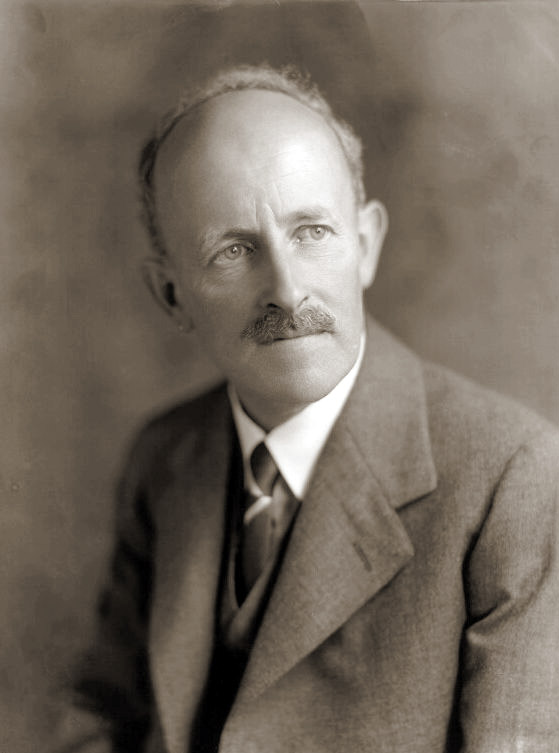
Maurice Hankey, 1st Baron Hankey
Maurice Pascal Alers Hankey, 1st Baron Hankey, GCB, GCMG, GCVO, PC, FRS (1 April 1877 – 26 January 1963) was a British civil servant who gained prominence as the first Cabinet Secretary and later made the rare transition from the civil service to ministerial office. He is best known as the highly-efficient top aide to Prime Minister David Lloyd George and the War Cabinet, which directed Britain during the First World War.
In the estimation of his biographer John F. Naylor, Hankey held to the "certainties of a late Victorian imperialist, whose policies sought to maintain British domination abroad and to avoid as far as possible British entanglement within Europe. His patriotism stands inviolable, but his sensitivity to processes of historical change proved limited". Naylor found, "Hankey did not altogether grasp the virulence of fascism ... except as a military threat to Britain; nor did he ever quite comprehend the changing face of domestic politics which Labour's emergence as a party of government entailed. ... In these shortcomings Hankey was typical of his generation and background; that his responsibility was greater lay in the fact that he was better informed than nearly any of his contemporaries".
The third son of R. A. Hankey, Maurice Hankey was born at Biarritz in 1877 and educated at Rugby School. He joined the Royal Marine Artillery, was promoted to captain and served in successive roles, including as coastal defence analyst in the War Division of the Naval Intelligence Department (1902–1906). His youngest brother, Donald Hankey, was a soldier best known for a series of essays that he wrote while he served on the Western Front in World War I. Donald died in action at Battle of the Somme.
In 1908, Hankey was appointed Naval Assistant Secretary to the Committee of Imperial Defence. He became Secretary to the Committee in 1912, a position that he would hold for 26 years. In November 1914, he took on the additional duty of Secretary of the War Council. In that function, he took notice of the ideas of Major Ernest Swinton to build a tracked armoured vehicle and brought them to the attention of Winston Churchill on 25 December 1914. This led to the eventual creation of the Landship Committee.
In December 1916, David Lloyd George became Prime Minister and greatly changed how the government was run. A small War Cabinet was instigated, and Hankey was appointed as its Secretary and served as Secretary of the Imperial War Cabinet, which also incorporated representatives of the Colonies and Dominion governments. He gained such a reputation for strong competence that when the full Cabinet was restored in 1919, the secretariat was retained, and Hankey then served as Secretary to the Cabinet for 19 years.
In 1923, he acquired the further position of Clerk of the Privy Council. During his long tenure, he would also often serve as British Secretary to many international conferences and Secretary-General of many Imperial Conferences. John Cairncross, one of the Cambridge Spies, briefly served as his secretary.
In August 1938, Hankey retired from government and became a British Government Director of the Suez Canal Company, a post that he would hold for only one year. Hankey remained a respected figure and was often consulted by ministers and civil servants for advice. In August 1939, he advised Neville Chamberlain about the formation of a new War Cabinet and, the following month, became another of Chamberlain's many non-party political appointments when he was made Minister without Portfolio and a member of the War Cabinet. Hankey was reluctant to take on the task but agreed to do so. He became Chancellor of the Duchy of Lancaster when Chamberlain was succeeded by Winston Churchill in May 1940 but was left out of Churchill's War Cabinet.
In July 1941, Lord Hankey was moved to the position of Paymaster General, but the following year, he was dropped from the government altogether. He continued to hold other positions in both the public and private sectors until his death.
Maurice Hankey, 1st Baron Hankey
Maurice Pascal Alers Hankey, 1st Baron Hankey, GCB, GCMG, GCVO, PC, FRS (1 April 1877 – 26 January 1963) was a British civil servant who gained prominence as the first Cabinet Secretary and later made the rare transition from the civil service to ministerial office. He is best known as the highly-efficient top aide to Prime Minister David Lloyd George and the War Cabinet, which directed Britain during the First World War.
In the estimation of his biographer John F. Naylor, Hankey held to the "certainties of a late Victorian imperialist, whose policies sought to maintain British domination abroad and to avoid as far as possible British entanglement within Europe. His patriotism stands inviolable, but his sensitivity to processes of historical change proved limited". Naylor found, "Hankey did not altogether grasp the virulence of fascism ... except as a military threat to Britain; nor did he ever quite comprehend the changing face of domestic politics which Labour's emergence as a party of government entailed. ... In these shortcomings Hankey was typical of his generation and background; that his responsibility was greater lay in the fact that he was better informed than nearly any of his contemporaries".
The third son of R. A. Hankey, Maurice Hankey was born at Biarritz in 1877 and educated at Rugby School. He joined the Royal Marine Artillery, was promoted to captain and served in successive roles, including as coastal defence analyst in the War Division of the Naval Intelligence Department (1902–1906). His youngest brother, Donald Hankey, was a soldier best known for a series of essays that he wrote while he served on the Western Front in World War I. Donald died in action at Battle of the Somme.
In 1908, Hankey was appointed Naval Assistant Secretary to the Committee of Imperial Defence. He became Secretary to the Committee in 1912, a position that he would hold for 26 years. In November 1914, he took on the additional duty of Secretary of the War Council. In that function, he took notice of the ideas of Major Ernest Swinton to build a tracked armoured vehicle and brought them to the attention of Winston Churchill on 25 December 1914. This led to the eventual creation of the Landship Committee.
In December 1916, David Lloyd George became Prime Minister and greatly changed how the government was run. A small War Cabinet was instigated, and Hankey was appointed as its Secretary and served as Secretary of the Imperial War Cabinet, which also incorporated representatives of the Colonies and Dominion governments. He gained such a reputation for strong competence that when the full Cabinet was restored in 1919, the secretariat was retained, and Hankey then served as Secretary to the Cabinet for 19 years.
In 1923, he acquired the further position of Clerk of the Privy Council. During his long tenure, he would also often serve as British Secretary to many international conferences and Secretary-General of many Imperial Conferences. John Cairncross, one of the Cambridge Spies, briefly served as his secretary.
In August 1938, Hankey retired from government and became a British Government Director of the Suez Canal Company, a post that he would hold for only one year. Hankey remained a respected figure and was often consulted by ministers and civil servants for advice. In August 1939, he advised Neville Chamberlain about the formation of a new War Cabinet and, the following month, became another of Chamberlain's many non-party political appointments when he was made Minister without Portfolio and a member of the War Cabinet. Hankey was reluctant to take on the task but agreed to do so. He became Chancellor of the Duchy of Lancaster when Chamberlain was succeeded by Winston Churchill in May 1940 but was left out of Churchill's War Cabinet.
In July 1941, Lord Hankey was moved to the position of Paymaster General, but the following year, he was dropped from the government altogether. He continued to hold other positions in both the public and private sectors until his death.
Recent media
Recent media