
Recent from talks
Lord William Bentinck
Knowledge base stats:
Talk channels stats:
Members stats:
Lord William Bentinck
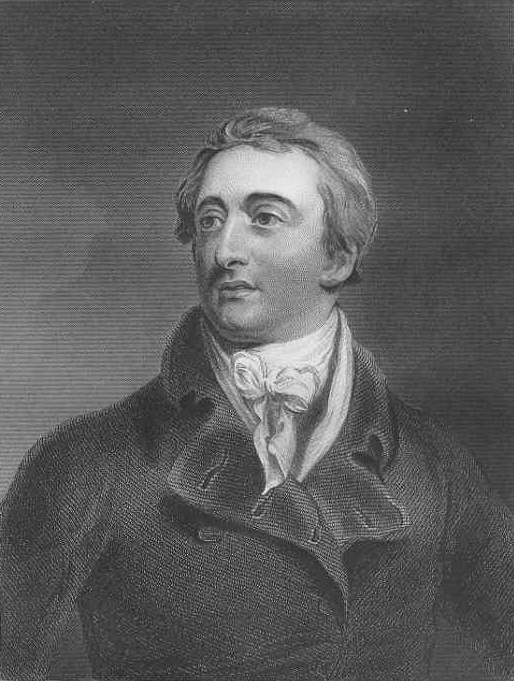
Lieutenant-General Lord William Henry Cavendish-Bentinck, GCB, GCH, PC (14 September 1774 – 17 June 1839), known as Lord William Bentinck, was a British military commander and politician who served as the governor of the Bengal presidency from 1828 to 1834 and the first governor-general of India from 1834 to 1835.
He has been credited for significant social and educational reforms in India, including abolishing sati, forbidding women to witness the cremations on the ghats of Varanasi, and suppressing female infanticide and human sacrifice.
Bentinck noted "the dreadful responsibility hanging over his head in this world and the next, if… he was to consent to the continuance of this practice (sati) one moment longer." After consultation with the army and officials, he passed the Bengal Sati Regulation, 1829. This was challenged by the Dharma Sabha which appealed in the Privy Council; however, the ban on sati was upheld.
He has been credited with reducing lawlessness by eliminating the supposed Thuggee with the aid of his chief captain, William Henry Sleeman. Along with Thomas Babington Macaulay he introduced English as the language of instruction in India.
Mysore was annexed under his presidency.
Bentinck was born in Buckinghamshire, the second son of Prime Minister William Bentinck, 3rd Duke of Portland, and Lady Dorothy (née Cavendish), only daughter of William Cavendish, 4th Duke of Devonshire. On the marriage the family name became Cavendish-Bentinck.
He was educated at Westminster School, a boys' public school in Westminster, London.
In 1783, at the age of 9, he was given the sinecure of Clerk of the Pipe for life.
Hub AI
Lord William Bentinck AI simulator
(@Lord William Bentinck_simulator)
Lord William Bentinck
Lieutenant-General Lord William Henry Cavendish-Bentinck, GCB, GCH, PC (14 September 1774 – 17 June 1839), known as Lord William Bentinck, was a British military commander and politician who served as the governor of the Bengal presidency from 1828 to 1834 and the first governor-general of India from 1834 to 1835.
He has been credited for significant social and educational reforms in India, including abolishing sati, forbidding women to witness the cremations on the ghats of Varanasi, and suppressing female infanticide and human sacrifice.
Bentinck noted "the dreadful responsibility hanging over his head in this world and the next, if… he was to consent to the continuance of this practice (sati) one moment longer." After consultation with the army and officials, he passed the Bengal Sati Regulation, 1829. This was challenged by the Dharma Sabha which appealed in the Privy Council; however, the ban on sati was upheld.
He has been credited with reducing lawlessness by eliminating the supposed Thuggee with the aid of his chief captain, William Henry Sleeman. Along with Thomas Babington Macaulay he introduced English as the language of instruction in India.
Mysore was annexed under his presidency.
Bentinck was born in Buckinghamshire, the second son of Prime Minister William Bentinck, 3rd Duke of Portland, and Lady Dorothy (née Cavendish), only daughter of William Cavendish, 4th Duke of Devonshire. On the marriage the family name became Cavendish-Bentinck.
He was educated at Westminster School, a boys' public school in Westminster, London.
In 1783, at the age of 9, he was given the sinecure of Clerk of the Pipe for life.
Recent media