
Recent from talks
Louis II of Italy
Knowledge base stats:
Talk channels stats:
Members stats:
Louis II of Italy
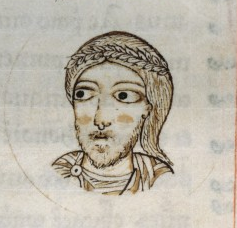
Louis II (825 – 12 August 875), sometimes called the Younger, was the king of Italy and emperor of the Carolingian Empire from 844, co-ruling with his father Lothair I until 855, after which he ruled alone.
Louis's usual title was imperator augustus ("august emperor"), but he used imperator Romanorum ("emperor of the Romans") after his conquest of Bari in 871, which led to poor relations with the Eastern Roman Empire. He was called imperator Italiae ("emperor of Italy") in West Francia while the Byzantines called him Basileus Phrangias ("Emperor of Francia").
The chronicler Andreas of Bergamo, who is the main source for Louis's activities in southern Italy, notes that "after his death a great tribulation came to Italy."
Louis was born in 825, the eldest son of the junior emperor Lothair I and his wife Ermengarde of Tours. His father was the son of the reigning emperor, Louis the Pious. Little is known about his early life, except that he grew up in his grandfather's court and probably developed a warm affection for the emperor who, in 839, designated his grandson as King of Italy, and let Louis take up his residence in that country.
Louis the Pious died the next year, and his empire was partitioned between his sons: Louis's father, Lothair, and Louis's uncle, Louis the German, as well as their younger half-brother, Charles the Bald. Under his father's rule, he was crowned king and co-emperor to the middle-aged Emperor Lothair I at Rome by Pope Sergius II on 15 June 844. This ceremony mirrors the crowning of Lothair I by his father, a tradition started by Charlemagne and his son Louis the Pious, who were, respectively, great-grandfather and grandfather of Louis II.
Louis II immediately claimed the rights of an emperor in the city, a claim which was decisively rejected; but in 850 he was crowned joint emperor at Rome by Pope Leo IV, and soon afterwards, in 851, married Engelberga and undertook the independent government of Italy. He marched into the south of Italy in the year of his imperial coronation and compelled the rival dukes of Benevento, Radelchis I and Siconulf, to make peace. His mediation split the Lombard duchy and gave Radelchis his share with Benevento as his capital, while Salerno was given to Siconulf as an independent principality. Radelchis, now pacified, had no need of his Aghlabid mercenaries and happily betrayed them to the emperor. Louis fell on them and they were massacred. He then quashed some accusations against Pope Leo and held a Diet at Pavia. He confirmed the usurping regent Peter as prince of Salerno in December 853, displacing the dynasty he had installed there three years earlier. On the death of his father in September 855, he became sole emperor.
The division of Lothair's domains under the Treaty of Prüm, by which Louis obtained no territory outside Italy, aroused his discontent, and in 857 he allied himself with Louis the German against his own brother Lothair II, and King Charles the Bald. But after Louis had secured the election of Pope Nicholas I in 858, he reconciled with his brother, and received some lands south of the Jura mountains in return for assistance given to Lothair in his efforts to obtain a divorce from his wife, Teutberga.
In 863, upon the death of his brother Charles, Louis received the kingdom of Provence, and in 864 came into collision with Pope Nicholas I over his brother's divorce. The archbishops, who had been deposed by Nicholas for proclaiming this marriage invalid, obtained the support of the emperor, who reached Rome with an army in February 864. However, having been seized with fever, he made peace with the pope and left the city.
Hub AI
Louis II of Italy AI simulator
(@Louis II of Italy_simulator)
Louis II of Italy
Louis II (825 – 12 August 875), sometimes called the Younger, was the king of Italy and emperor of the Carolingian Empire from 844, co-ruling with his father Lothair I until 855, after which he ruled alone.
Louis's usual title was imperator augustus ("august emperor"), but he used imperator Romanorum ("emperor of the Romans") after his conquest of Bari in 871, which led to poor relations with the Eastern Roman Empire. He was called imperator Italiae ("emperor of Italy") in West Francia while the Byzantines called him Basileus Phrangias ("Emperor of Francia").
The chronicler Andreas of Bergamo, who is the main source for Louis's activities in southern Italy, notes that "after his death a great tribulation came to Italy."
Louis was born in 825, the eldest son of the junior emperor Lothair I and his wife Ermengarde of Tours. His father was the son of the reigning emperor, Louis the Pious. Little is known about his early life, except that he grew up in his grandfather's court and probably developed a warm affection for the emperor who, in 839, designated his grandson as King of Italy, and let Louis take up his residence in that country.
Louis the Pious died the next year, and his empire was partitioned between his sons: Louis's father, Lothair, and Louis's uncle, Louis the German, as well as their younger half-brother, Charles the Bald. Under his father's rule, he was crowned king and co-emperor to the middle-aged Emperor Lothair I at Rome by Pope Sergius II on 15 June 844. This ceremony mirrors the crowning of Lothair I by his father, a tradition started by Charlemagne and his son Louis the Pious, who were, respectively, great-grandfather and grandfather of Louis II.
Louis II immediately claimed the rights of an emperor in the city, a claim which was decisively rejected; but in 850 he was crowned joint emperor at Rome by Pope Leo IV, and soon afterwards, in 851, married Engelberga and undertook the independent government of Italy. He marched into the south of Italy in the year of his imperial coronation and compelled the rival dukes of Benevento, Radelchis I and Siconulf, to make peace. His mediation split the Lombard duchy and gave Radelchis his share with Benevento as his capital, while Salerno was given to Siconulf as an independent principality. Radelchis, now pacified, had no need of his Aghlabid mercenaries and happily betrayed them to the emperor. Louis fell on them and they were massacred. He then quashed some accusations against Pope Leo and held a Diet at Pavia. He confirmed the usurping regent Peter as prince of Salerno in December 853, displacing the dynasty he had installed there three years earlier. On the death of his father in September 855, he became sole emperor.
The division of Lothair's domains under the Treaty of Prüm, by which Louis obtained no territory outside Italy, aroused his discontent, and in 857 he allied himself with Louis the German against his own brother Lothair II, and King Charles the Bald. But after Louis had secured the election of Pope Nicholas I in 858, he reconciled with his brother, and received some lands south of the Jura mountains in return for assistance given to Lothair in his efforts to obtain a divorce from his wife, Teutberga.
In 863, upon the death of his brother Charles, Louis received the kingdom of Provence, and in 864 came into collision with Pope Nicholas I over his brother's divorce. The archbishops, who had been deposed by Nicholas for proclaiming this marriage invalid, obtained the support of the emperor, who reached Rome with an army in February 864. However, having been seized with fever, he made peace with the pope and left the city.
Recent media