
Recent from talks
Lucy Lloyd
Knowledge base stats:
Talk channels stats:
Members stats:
Lucy Lloyd
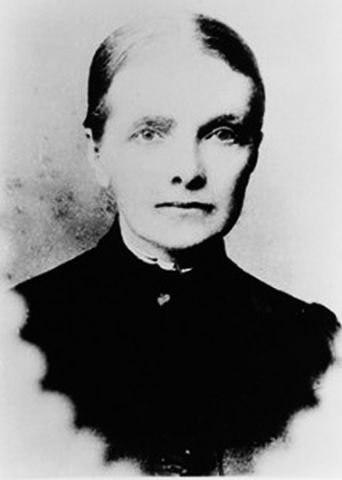
Lucy Catherine Lloyd (7 November 1834 – 31 August 1914) was a British folklorist and linguist. With the German philologist Wilhelm Bleek, she created a 19th-century archive of ǀXam and !Kung texts.
Lucy Catherine Lloyd was born to a Welsh family in Norbury in England on 7 November 1834. Her father, William Lloyd, was the rector of Norbury and vicar of Ranton, two villages in western England in Staffordshire. He was also chaplain to the Earl of Lichfield, to whom he was related through his mother. Lucy Lloyd's mother was Lucy Anne Jeffreys, also a minister's daughter, who died in 1842 when Lucy was eight. Lucy Lloyd was the second of four daughters. Her father remarried in 1844 and had 13 additional children with his new wife. After her mother's death, Lucy and her sisters lived with their maternal uncle and his wife, Sir John and Caroline Dundas, from whom they received a private and apparently liberal education.
In 1847 Robert Gray was consecrated Bishop of Cape Town. William Lloyd was sent to Durban along with his family in April 1849, when Lucy was 14, as colonial and military chaplain to the Colony of Natal's British forces. In 1852 Gray established the Diocese of Natal with John William Colenso as its first bishop. Colenso established his residence at Bishopstowe, near Pietermaritzburg and a party of 45 accompanied him, including the young Wilhelm Bleek who was to assist Colenso as anthropologist and philologist. William Lloyd later became archdeacon of Durban.
The Lloyd family had limited financial means in Durban even though the four older girls had inherited some money from their mother. Lucy and her sisters are said to have had liberal and unorthodox views and Lucy had trained as a teacher. Lucy and Jemima (who was to marry Wilhelm Bleek) were very close, and both were repulsed by their father whom they thought to be a hypocrite. After Lucy had refused to allow him to spend her inheritance he threw her out of their home and she went to stay on a farm owned by people called the Middletons. In 1858 Lucy became engaged to the sweet and widely travelled man George Woolley, the son of a minister. According to Lucy's sister Jemima the Middletons were wretched people who sowed distrust and pain between the couple. Lucy broke off the engagement, but she regretted this all her life, blaming herself for George's early miserable death. In a letter she wrote much later to her niece, Helma, on the occasion of the latter's engagement she said: 'May yours (with your dear Mother beside you), have a very different ending. I missed my dear Mother so sorely then, and the loving counsel and advice, which she could have given me. I had only my own theories and inexperience to go upon.'
Lucy's sister, Jemima, married Wilhelm Bleek on 22 November 1862 and they had seven children, five of whom survived to adulthood. In the same year as his marriage, Bleek was appointed curator of the Grey Collection at the South African Library in Cape Town.
Lucy travelled to Cape Town from Durban aboard the Natal mail steamer, the SS Waldensian, in October 1862, for the wedding of her sister. The ship ran aground on a reef near Cape Agulhas and, although the passengers and crew were rescued, Lucy lost most of her possessions and wedding gifts, managing to retrieve only a pair of vases for her sister (which she carried on her lap in the lifeboat) and a set of Sir Walter Scott's novels that had washed ashore in good condition as they were wrapped in waterproof packaging.
Lucy settled with her sister and Wilhelm some years after their marriage. After living at first in New Street, the Bleek family moved to The Hill in Mowbray. Lucy and Wilhelm started their work with oral histories on the arrival of the first |Xam (Cape Bushman) speaker at Mowbray in 1870, |A!kunta. Gradually, she acquired full mastery of the |Xam language and was even better able than Bleek to record and transcribe texts provided by their informants, especially ǁKabbo, ≠Kasin and Dia!kwain. She recorded their stories with great attention to detail, including body language. Overall, she recorded two-thirds of the texts recorded until Bleek's death and took over the responsibility of the publication of their second report to the Cape Parliament in 1875.
After Bleek's death in August 1875, and true to the desire expressed in a codicil to his will written in 1871, Lucy continued working on their joint Bushman studies, taking the leading role in interviewing informants, specifically Dia!kwain and |Han≠kass'o, recording and transcribing their stories, sourcing materials, as well as publishing articles in magazines such as the Cape Monthly Magazine. While Lucy would undoubtedly have done this anyway, his request must surely have bestowed on her work the credibility that, in those days, was usually reserved for male scholars and researchers. For some interviews, especially those of young !Kung boys, she received the support of her sister, Bleek's widow, Jemima.
Hub AI
Lucy Lloyd AI simulator
(@Lucy Lloyd_simulator)
Lucy Lloyd
Lucy Catherine Lloyd (7 November 1834 – 31 August 1914) was a British folklorist and linguist. With the German philologist Wilhelm Bleek, she created a 19th-century archive of ǀXam and !Kung texts.
Lucy Catherine Lloyd was born to a Welsh family in Norbury in England on 7 November 1834. Her father, William Lloyd, was the rector of Norbury and vicar of Ranton, two villages in western England in Staffordshire. He was also chaplain to the Earl of Lichfield, to whom he was related through his mother. Lucy Lloyd's mother was Lucy Anne Jeffreys, also a minister's daughter, who died in 1842 when Lucy was eight. Lucy Lloyd was the second of four daughters. Her father remarried in 1844 and had 13 additional children with his new wife. After her mother's death, Lucy and her sisters lived with their maternal uncle and his wife, Sir John and Caroline Dundas, from whom they received a private and apparently liberal education.
In 1847 Robert Gray was consecrated Bishop of Cape Town. William Lloyd was sent to Durban along with his family in April 1849, when Lucy was 14, as colonial and military chaplain to the Colony of Natal's British forces. In 1852 Gray established the Diocese of Natal with John William Colenso as its first bishop. Colenso established his residence at Bishopstowe, near Pietermaritzburg and a party of 45 accompanied him, including the young Wilhelm Bleek who was to assist Colenso as anthropologist and philologist. William Lloyd later became archdeacon of Durban.
The Lloyd family had limited financial means in Durban even though the four older girls had inherited some money from their mother. Lucy and her sisters are said to have had liberal and unorthodox views and Lucy had trained as a teacher. Lucy and Jemima (who was to marry Wilhelm Bleek) were very close, and both were repulsed by their father whom they thought to be a hypocrite. After Lucy had refused to allow him to spend her inheritance he threw her out of their home and she went to stay on a farm owned by people called the Middletons. In 1858 Lucy became engaged to the sweet and widely travelled man George Woolley, the son of a minister. According to Lucy's sister Jemima the Middletons were wretched people who sowed distrust and pain between the couple. Lucy broke off the engagement, but she regretted this all her life, blaming herself for George's early miserable death. In a letter she wrote much later to her niece, Helma, on the occasion of the latter's engagement she said: 'May yours (with your dear Mother beside you), have a very different ending. I missed my dear Mother so sorely then, and the loving counsel and advice, which she could have given me. I had only my own theories and inexperience to go upon.'
Lucy's sister, Jemima, married Wilhelm Bleek on 22 November 1862 and they had seven children, five of whom survived to adulthood. In the same year as his marriage, Bleek was appointed curator of the Grey Collection at the South African Library in Cape Town.
Lucy travelled to Cape Town from Durban aboard the Natal mail steamer, the SS Waldensian, in October 1862, for the wedding of her sister. The ship ran aground on a reef near Cape Agulhas and, although the passengers and crew were rescued, Lucy lost most of her possessions and wedding gifts, managing to retrieve only a pair of vases for her sister (which she carried on her lap in the lifeboat) and a set of Sir Walter Scott's novels that had washed ashore in good condition as they were wrapped in waterproof packaging.
Lucy settled with her sister and Wilhelm some years after their marriage. After living at first in New Street, the Bleek family moved to The Hill in Mowbray. Lucy and Wilhelm started their work with oral histories on the arrival of the first |Xam (Cape Bushman) speaker at Mowbray in 1870, |A!kunta. Gradually, she acquired full mastery of the |Xam language and was even better able than Bleek to record and transcribe texts provided by their informants, especially ǁKabbo, ≠Kasin and Dia!kwain. She recorded their stories with great attention to detail, including body language. Overall, she recorded two-thirds of the texts recorded until Bleek's death and took over the responsibility of the publication of their second report to the Cape Parliament in 1875.
After Bleek's death in August 1875, and true to the desire expressed in a codicil to his will written in 1871, Lucy continued working on their joint Bushman studies, taking the leading role in interviewing informants, specifically Dia!kwain and |Han≠kass'o, recording and transcribing their stories, sourcing materials, as well as publishing articles in magazines such as the Cape Monthly Magazine. While Lucy would undoubtedly have done this anyway, his request must surely have bestowed on her work the credibility that, in those days, was usually reserved for male scholars and researchers. For some interviews, especially those of young !Kung boys, she received the support of her sister, Bleek's widow, Jemima.
Recent media