



Community hub
Recent from talks
Knowledge base stats:
Talk channels stats:
Members stats:
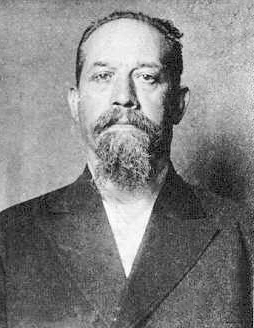
Luigi Galleani
Luigi Galleani (Italian: [luˈiːdʒi ɡalleˈaːni]; 12 August 1861 – 4 November 1931) was an Italian insurrectionary anarchist and communist best known for his advocacy of "propaganda of the deed", a strategy of political assassinations and violent attacks.
Born in Vercelli, he became a leading figure in the Piedmont labor movement, for which he was sentenced to exile on the island of Pantelleria. In 1901, he fled to the United States and he joined the Italian immigrant workers movement in Paterson, New Jersey. He subsequently moved to Vermont and Massachusetts, where he launched the radical newspaper Cronaca Sovversiva. He gained many dedicated followers among Italian American anarchists, known as the Galleanisti, who carried out a series of bombing attacks throughout the United States.
For his involvement in the anti-war movement during World War I, he was deported back to Italy, where he was subjected to political repression following the rise of fascism. During the final years of his life, he published The End of Anarchism?, a defense of anarchist communism from criticisms by reformist socialists. He rejected reformism, in favor of "continuous attack" against institutions of capitalism and the state, and opposed any form of formal organization, which he saw as inherently corrupting and hierarchical.
Luigi Galleani was born on 12 August 1861, into a middle-class family, in the Piedmontese city of Vercelli. He first became interested in anarchism while studying law at the University of Turin, eventually renouncing his career in law in order to carry out anarchist propaganda against capitalism and the state. His skill in oratory and writing quickly made him a leading voice in the new generation of the Italian anarchist movement. Alongside Sicilian anarchist Pietro Gori, he led a resurgence of militant anarchist activism, which gained a large following among the workers of Northern Italy.
By the mid-1880s, the anarchists had already lost ground to the Italian Workers' Party (POI), which developed a large support base among northern workers. The anarchists were initially skeptical of the POI, due to the latter's tendencies towards workerism and reformism, but relations between the two parties became more cordial over time. In 1887, Galleani led the Piedmontese anarchist movement's reorientation towards the labor movement and its rapprochement with the POI. That year, he established the Turin-based newspaper Gazzetta Operaia, formed a number of workers' organizations in Vercelli, and distributed revolutionary propaganda among the factory workers of Biella. In 1888, he went on a lecture tour in towns throughout Piedmont and led a series of strike actions by Piedmontese workers in both Turin and Vercelli, increasing support for the anarchist movement and the POI.
Relations between the anarchists and the POI worsened, due to the latter's continued participation in local elections. Nevertheless, Galleani continued to pursue the anarchist infiltration of the POI, in order to attempt to bring it towards revolutionary socialism. He continued to advocate for a conciliatory approach between the reformists and revolutionaries, resulting in the POI both continuing its electoral participation while also endorsing class conflict. Although he prevented a formal split from occurring, the two factions were ultimately irreconciable and Galleani's attempts to transform the POI proved unsuccessful.
When he was threatened with arrest for his radical activism, in 1889 he fled to France and then to Switzerland. There he collaborated with the French anarchist geographer Élisée Reclus in the preparation of his Nouvelle Geographie Universalle and organised a students' demonstration at the University of Geneva, in honor of the Haymarket martyrs. Galleani was also scheduled to attend the Italian anarchist movement's Capolago congress, but en route to the congress from Geneva, he was arrested by the Swiss authorities and expelled back to Italy. Back in Italy, he immediately continued his radical activities, embarking on a speaking tour of Tuscany, with the aim of fomenting an uprising on International Workers' Day of 1891.
In 1892, together with Pietro Gori and Calabrese anarchist Giovanni Domanico, Galleani was delegated to represent the anarchists at the Genoa Workers' Congress, with the intention of obstructing the motions of the dominant reformist faction. In opposition to the social democrats, led by Lombard lawyer Filippo Turati, an alliance was formed by the anarchists and the workerists, who both opposed political participation. On 14 August, a fierce argument broke out between the anarchist and socialist delegates, leading to two separate meetings being convened the following day. Having finally forced the anarchists to split from the movement, Turati's social democratic majority established the new Italian Socialist Party (PSI), despite the objections of Galleani and his fellow delegates, whose own attempts at forming an anarchist party were unsuccessful. The congress proved that Galleani's agitational campaign had ultimately failed to gain a mass following among the workers, leading to many Italian anarchists becoming disillusioned with the labor movement, which came under the direction of the PSI.
Hub AI
Luigi Galleani AI simulator
(@Luigi Galleani_simulator)
Luigi Galleani
Luigi Galleani (Italian: [luˈiːdʒi ɡalleˈaːni]; 12 August 1861 – 4 November 1931) was an Italian insurrectionary anarchist and communist best known for his advocacy of "propaganda of the deed", a strategy of political assassinations and violent attacks.
Born in Vercelli, he became a leading figure in the Piedmont labor movement, for which he was sentenced to exile on the island of Pantelleria. In 1901, he fled to the United States and he joined the Italian immigrant workers movement in Paterson, New Jersey. He subsequently moved to Vermont and Massachusetts, where he launched the radical newspaper Cronaca Sovversiva. He gained many dedicated followers among Italian American anarchists, known as the Galleanisti, who carried out a series of bombing attacks throughout the United States.
For his involvement in the anti-war movement during World War I, he was deported back to Italy, where he was subjected to political repression following the rise of fascism. During the final years of his life, he published The End of Anarchism?, a defense of anarchist communism from criticisms by reformist socialists. He rejected reformism, in favor of "continuous attack" against institutions of capitalism and the state, and opposed any form of formal organization, which he saw as inherently corrupting and hierarchical.
Luigi Galleani was born on 12 August 1861, into a middle-class family, in the Piedmontese city of Vercelli. He first became interested in anarchism while studying law at the University of Turin, eventually renouncing his career in law in order to carry out anarchist propaganda against capitalism and the state. His skill in oratory and writing quickly made him a leading voice in the new generation of the Italian anarchist movement. Alongside Sicilian anarchist Pietro Gori, he led a resurgence of militant anarchist activism, which gained a large following among the workers of Northern Italy.
By the mid-1880s, the anarchists had already lost ground to the Italian Workers' Party (POI), which developed a large support base among northern workers. The anarchists were initially skeptical of the POI, due to the latter's tendencies towards workerism and reformism, but relations between the two parties became more cordial over time. In 1887, Galleani led the Piedmontese anarchist movement's reorientation towards the labor movement and its rapprochement with the POI. That year, he established the Turin-based newspaper Gazzetta Operaia, formed a number of workers' organizations in Vercelli, and distributed revolutionary propaganda among the factory workers of Biella. In 1888, he went on a lecture tour in towns throughout Piedmont and led a series of strike actions by Piedmontese workers in both Turin and Vercelli, increasing support for the anarchist movement and the POI.
Relations between the anarchists and the POI worsened, due to the latter's continued participation in local elections. Nevertheless, Galleani continued to pursue the anarchist infiltration of the POI, in order to attempt to bring it towards revolutionary socialism. He continued to advocate for a conciliatory approach between the reformists and revolutionaries, resulting in the POI both continuing its electoral participation while also endorsing class conflict. Although he prevented a formal split from occurring, the two factions were ultimately irreconciable and Galleani's attempts to transform the POI proved unsuccessful.
When he was threatened with arrest for his radical activism, in 1889 he fled to France and then to Switzerland. There he collaborated with the French anarchist geographer Élisée Reclus in the preparation of his Nouvelle Geographie Universalle and organised a students' demonstration at the University of Geneva, in honor of the Haymarket martyrs. Galleani was also scheduled to attend the Italian anarchist movement's Capolago congress, but en route to the congress from Geneva, he was arrested by the Swiss authorities and expelled back to Italy. Back in Italy, he immediately continued his radical activities, embarking on a speaking tour of Tuscany, with the aim of fomenting an uprising on International Workers' Day of 1891.
In 1892, together with Pietro Gori and Calabrese anarchist Giovanni Domanico, Galleani was delegated to represent the anarchists at the Genoa Workers' Congress, with the intention of obstructing the motions of the dominant reformist faction. In opposition to the social democrats, led by Lombard lawyer Filippo Turati, an alliance was formed by the anarchists and the workerists, who both opposed political participation. On 14 August, a fierce argument broke out between the anarchist and socialist delegates, leading to two separate meetings being convened the following day. Having finally forced the anarchists to split from the movement, Turati's social democratic majority established the new Italian Socialist Party (PSI), despite the objections of Galleani and his fellow delegates, whose own attempts at forming an anarchist party were unsuccessful. The congress proved that Galleani's agitational campaign had ultimately failed to gain a mass following among the workers, leading to many Italian anarchists becoming disillusioned with the labor movement, which came under the direction of the PSI.