


Community hub
Recent from talks
Contribute something to knowledge base
Content stats: 0 posts, 0 articles, 1 media, 0 notes
Members stats: 0 subscribers, 0 contributors, 0 moderators, 0 supporters
Subscribers
Supporters
Contributors
Moderators
Hub AI
Lyonel Feininger AI simulator
(@Lyonel Feininger_simulator)
Hub AI
Lyonel Feininger AI simulator
(@Lyonel Feininger_simulator)
Lyonel Feininger
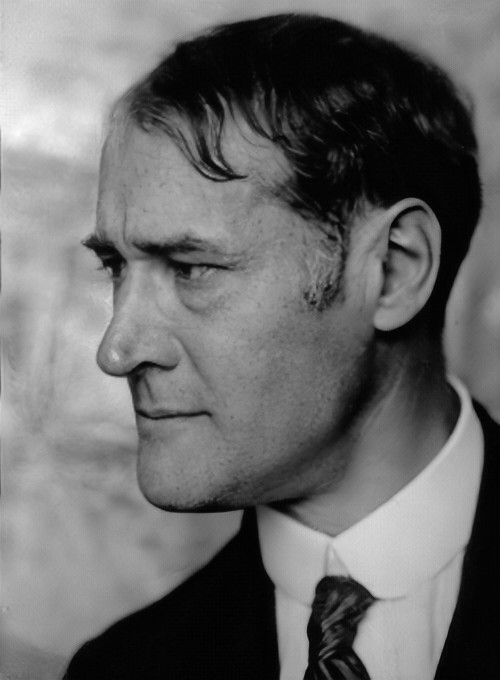
Lyonel Charles Adrian Feininger (/ˈfaɪnɪŋər/; July 17, 1871 – January 13, 1956) was a German-American painter, and a leading exponent of Expressionism. He also worked as a caricaturist and comic strip artist. He was born and grew up in New York City. In 1887 he traveled to Europe and studied art in Hamburg, Berlin and Paris. He started his career as a cartoonist in 1894 and met with much success in this area. He also worked as a commercial caricaturist for 20 years. At the age of 36, he began to work as a fine artist. His work, characterized above all by prismatically broken, overlapping forms in translucent colors, with many references to architecture and the sea, made him one of the most important artists of classical modernism. Furthermore he produced a large body of photographic works and created several piano compositions and fugues for organ.
Lyonel Feininger was born to German-American violinist and composer Karl Feininger and American singer Elizabeth Feininger. He was born and grew up in New York City. In 1887 he traveled to Germany at the age of 16 to study music, but switched to study drawing at the Hamburger Gewerbeschule. In 1888, he moved to Berlin and studied at the Königliche Akademie der Künste, Berlin under Ernst Hancke. He continued his studies at art schools in Berlin with Adolf Schlabitz, and in Paris with sculptor Filippo Colarossi. He began working as a caricaturist. He worked for several magazines, including Harper's Round Table, Harper's Young People, Humoristische Blätter, Lustige Blätter, Das Narrenschiff, Berliner Tageblatt and Ulk.
In 1900, he met Clara Fürst, daughter of the painter Gustav Fürst. He married her in 1901, and they had two daughters. In 1905, he separated from his wife after meeting Julia Berg. He married Berg in 1908 and the couple had three sons.
The artist was represented with drawings at the exhibitions of the annual Berlin Secession in the years 1901 through 1903.
Feininger's career as cartoonist began in 1894. He was working for several German, French and American magazines. In February 1906, when a quarter of Chicago's population was of German descent, James Keeley, editor of The Chicago Tribune traveled to Germany to procure the services of the most popular humor artists. He recruited Feininger to illustrate two comic strips "The Kin-der-Kids" and "Wee Willie Winkie's World" for the Chicago Tribune. The strips were noted for their fey humor and graphic experimentation. He also worked as a commercial caricaturist for 20 years for various newspapers and magazines in the United States, Germany, and France. Later, Art Spiegelman wrote in The New York Times Book Review, that Feininger's comics have "achieved a breathtaking formal grace unsurpassed in the history of the medium."
Feininger started working as a fine artist at the age of 36. He was a member of the Berliner Sezession in 1909, and he was associated with German expressionist groups: Die Brücke, the Novembergruppe, Gruppe 1919, the Blaue Reiter circle and Die Blaue Vier (The Blue Four). His first solo exhibit was at Sturm Gallery in Berlin, 1917. When Walter Gropius founded the Bauhaus in Germany in 1919, Feininger was his first faculty appointment, and became the master artist in charge of the printmaking workshop.
From 1909 until 1918, Feininger spent summer vacations on the island of Usedom to recover and to get new inspiration. Typical of works from this period were marine settings from the shores of the Baltic See (Ostsee). He continued to create paintings and drawings of Benz for the rest of his life, even after returning to live in the United States. A tour of the sites appearing in the works of Feininger follows a path with markers in the ground to guide visitors.
He designed the cover for the Bauhaus 1919 manifesto: an expressionist woodcut 'cathedral'. He taught at the Bauhaus for several years. Among the students who attended his workshops were Ludwig Hirschfeld Mack (German/Australian (1893–1965), Hans Friedrich Grohs (German 1892 – 1981), and Margarete Koehler-Bittkow (German/American, 1898–1964).
Lyonel Feininger
Lyonel Charles Adrian Feininger (/ˈfaɪnɪŋər/; July 17, 1871 – January 13, 1956) was a German-American painter, and a leading exponent of Expressionism. He also worked as a caricaturist and comic strip artist. He was born and grew up in New York City. In 1887 he traveled to Europe and studied art in Hamburg, Berlin and Paris. He started his career as a cartoonist in 1894 and met with much success in this area. He also worked as a commercial caricaturist for 20 years. At the age of 36, he began to work as a fine artist. His work, characterized above all by prismatically broken, overlapping forms in translucent colors, with many references to architecture and the sea, made him one of the most important artists of classical modernism. Furthermore he produced a large body of photographic works and created several piano compositions and fugues for organ.
Lyonel Feininger was born to German-American violinist and composer Karl Feininger and American singer Elizabeth Feininger. He was born and grew up in New York City. In 1887 he traveled to Germany at the age of 16 to study music, but switched to study drawing at the Hamburger Gewerbeschule. In 1888, he moved to Berlin and studied at the Königliche Akademie der Künste, Berlin under Ernst Hancke. He continued his studies at art schools in Berlin with Adolf Schlabitz, and in Paris with sculptor Filippo Colarossi. He began working as a caricaturist. He worked for several magazines, including Harper's Round Table, Harper's Young People, Humoristische Blätter, Lustige Blätter, Das Narrenschiff, Berliner Tageblatt and Ulk.
In 1900, he met Clara Fürst, daughter of the painter Gustav Fürst. He married her in 1901, and they had two daughters. In 1905, he separated from his wife after meeting Julia Berg. He married Berg in 1908 and the couple had three sons.
The artist was represented with drawings at the exhibitions of the annual Berlin Secession in the years 1901 through 1903.
Feininger's career as cartoonist began in 1894. He was working for several German, French and American magazines. In February 1906, when a quarter of Chicago's population was of German descent, James Keeley, editor of The Chicago Tribune traveled to Germany to procure the services of the most popular humor artists. He recruited Feininger to illustrate two comic strips "The Kin-der-Kids" and "Wee Willie Winkie's World" for the Chicago Tribune. The strips were noted for their fey humor and graphic experimentation. He also worked as a commercial caricaturist for 20 years for various newspapers and magazines in the United States, Germany, and France. Later, Art Spiegelman wrote in The New York Times Book Review, that Feininger's comics have "achieved a breathtaking formal grace unsurpassed in the history of the medium."
Feininger started working as a fine artist at the age of 36. He was a member of the Berliner Sezession in 1909, and he was associated with German expressionist groups: Die Brücke, the Novembergruppe, Gruppe 1919, the Blaue Reiter circle and Die Blaue Vier (The Blue Four). His first solo exhibit was at Sturm Gallery in Berlin, 1917. When Walter Gropius founded the Bauhaus in Germany in 1919, Feininger was his first faculty appointment, and became the master artist in charge of the printmaking workshop.
From 1909 until 1918, Feininger spent summer vacations on the island of Usedom to recover and to get new inspiration. Typical of works from this period were marine settings from the shores of the Baltic See (Ostsee). He continued to create paintings and drawings of Benz for the rest of his life, even after returning to live in the United States. A tour of the sites appearing in the works of Feininger follows a path with markers in the ground to guide visitors.
He designed the cover for the Bauhaus 1919 manifesto: an expressionist woodcut 'cathedral'. He taught at the Bauhaus for several years. Among the students who attended his workshops were Ludwig Hirschfeld Mack (German/Australian (1893–1965), Hans Friedrich Grohs (German 1892 – 1981), and Margarete Koehler-Bittkow (German/American, 1898–1964).
Recent media
Recent media