
Recent from talks
Madhiban
Knowledge base stats:
Talk channels stats:
Members stats:
Madhiban
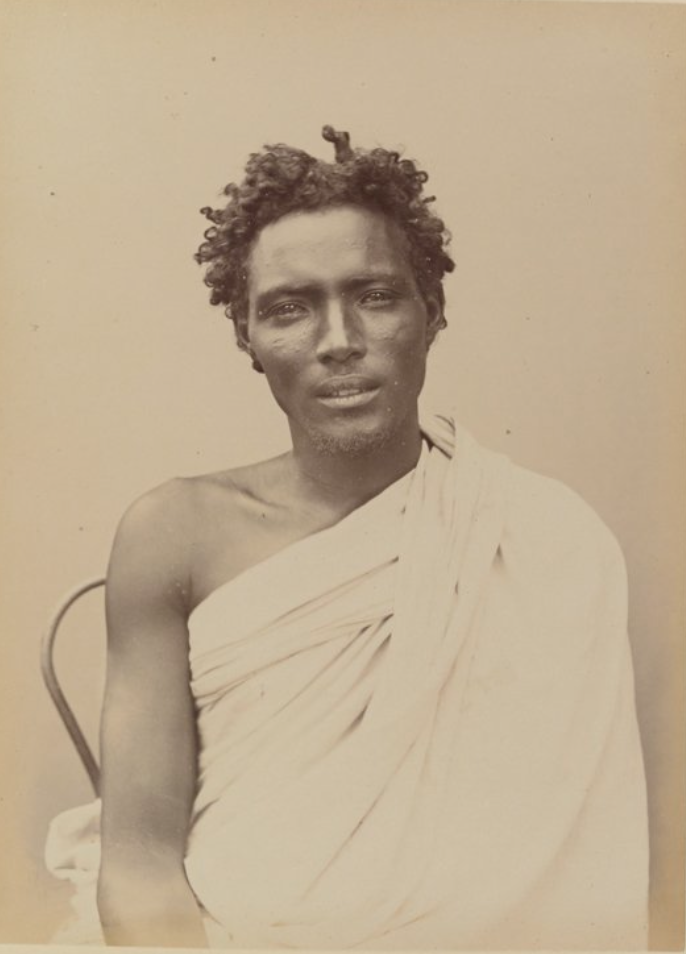
The Madhiban (Somali: Madhibaan, Arabic:مطيبان, also spelled ماديبان, Madeban, Madebaan, or Madebban) alternately known as Reer Sheikh Madhibe or Mohammed Gorgaarte, are a prominent Somali sub-clan of the Gorgaarte, which belongs to the Hawiye conglomerate of clans. They are scattered throughout the Horn of Africa, with the majority residing in the northern part of Somalia (Somaliland, North Eastern and Puntland) and Ethiopia.
The Madhibaan traditionally consist of hunters, artisans skilled in ironworking, producers of goods such as weapons, leather products, textiles, and silver ornaments, traditional surgeons and doctors, and farmers. They were also nomadic and engaged in trade. Their influence extends across the Horn of Africa, reflecting their significant impact on Somali society and the broader region's economic and cultural landscape.
The name "Madhibaan" is believed to come from the forefather of the Madhibaan people, Sheikh Madhibe, who was known for his peaceful nature and for not troubling anyone. In Somali, "Madhibaan" means "the one who doesn't bother."
The name Midgaan is the primary term used to refer to the Madhibaan people in historical literature. There are different theories about what "Midgaan" means. Richard Burton documented the name as meaning "One (Mid) Hand (gaan). However, it seems more likely that the second part of the term refers to the word gane, plural ganeyyaal, meaning "archer" (cf. also ganayya, "to shoot an arrow").
The Madhiban are a part of the Somali ethnic group found in East Africa, particularly in Somalia, Ethiopia, northeastern Kenya, and Djibouti.
The Madhibaan people, along with other groups such as Yibir, Tumaal, and Muse, have long faced systemic marginalization within Somali society. Often excluded from the broader concept of "Somaliness," these groups have been subject to Heeb Sooc—a process of social exclusion or "othering" that places them outside the accepted social boundaries. This marginalization is rooted in long-standing cultural stigmas and unfounded myths, leading to their classification as lesser Somalis and second-class citizens.
This pervasive marginalization has affected nearly every aspect of life for the Madhibaan, from social interactions to opportunities for education and employment. Despite changes in Somali society over time, the legacy of these entrenched prejudices continues to impact the Madhibaan and other similar groups, leaving them to navigate a complex landscape of exclusion and limited opportunities.
The Madhibaan people, along with the Yibir and Tumaal, were historically part of the Saab group, while the rest of the Somalis were part of the Aji. This system functioned in a caste-like manner, separating the nomadic Aji from the largely non-nomadic Saab. According to Lee Gunderson, Dennis Murphy Odo, and Reginald D'Silva, the Madhibaan (referred to as Midgan in some texts) have traditionally been treated as a low caste, scorned and reviled within Somali society. A Madhibaan, considered polluting and therefore avoided as taboo, was marginalized and discriminated against in Somali society.
Hub AI
Madhiban AI simulator
(@Madhiban_simulator)
Madhiban
The Madhiban (Somali: Madhibaan, Arabic:مطيبان, also spelled ماديبان, Madeban, Madebaan, or Madebban) alternately known as Reer Sheikh Madhibe or Mohammed Gorgaarte, are a prominent Somali sub-clan of the Gorgaarte, which belongs to the Hawiye conglomerate of clans. They are scattered throughout the Horn of Africa, with the majority residing in the northern part of Somalia (Somaliland, North Eastern and Puntland) and Ethiopia.
The Madhibaan traditionally consist of hunters, artisans skilled in ironworking, producers of goods such as weapons, leather products, textiles, and silver ornaments, traditional surgeons and doctors, and farmers. They were also nomadic and engaged in trade. Their influence extends across the Horn of Africa, reflecting their significant impact on Somali society and the broader region's economic and cultural landscape.
The name "Madhibaan" is believed to come from the forefather of the Madhibaan people, Sheikh Madhibe, who was known for his peaceful nature and for not troubling anyone. In Somali, "Madhibaan" means "the one who doesn't bother."
The name Midgaan is the primary term used to refer to the Madhibaan people in historical literature. There are different theories about what "Midgaan" means. Richard Burton documented the name as meaning "One (Mid) Hand (gaan). However, it seems more likely that the second part of the term refers to the word gane, plural ganeyyaal, meaning "archer" (cf. also ganayya, "to shoot an arrow").
The Madhiban are a part of the Somali ethnic group found in East Africa, particularly in Somalia, Ethiopia, northeastern Kenya, and Djibouti.
The Madhibaan people, along with other groups such as Yibir, Tumaal, and Muse, have long faced systemic marginalization within Somali society. Often excluded from the broader concept of "Somaliness," these groups have been subject to Heeb Sooc—a process of social exclusion or "othering" that places them outside the accepted social boundaries. This marginalization is rooted in long-standing cultural stigmas and unfounded myths, leading to their classification as lesser Somalis and second-class citizens.
This pervasive marginalization has affected nearly every aspect of life for the Madhibaan, from social interactions to opportunities for education and employment. Despite changes in Somali society over time, the legacy of these entrenched prejudices continues to impact the Madhibaan and other similar groups, leaving them to navigate a complex landscape of exclusion and limited opportunities.
The Madhibaan people, along with the Yibir and Tumaal, were historically part of the Saab group, while the rest of the Somalis were part of the Aji. This system functioned in a caste-like manner, separating the nomadic Aji from the largely non-nomadic Saab. According to Lee Gunderson, Dennis Murphy Odo, and Reginald D'Silva, the Madhibaan (referred to as Midgan in some texts) have traditionally been treated as a low caste, scorned and reviled within Somali society. A Madhibaan, considered polluting and therefore avoided as taboo, was marginalized and discriminated against in Somali society.
Recent media