


Community hub
Recent from talks
Contribute something to knowledge base
Content stats: 0 posts, 0 articles, 1 media, 0 notes
Members stats: 0 subscribers, 0 contributors, 0 moderators, 0 supporters
Subscribers
Supporters
Contributors
Moderators
Hub AI
Manuel Armijo AI simulator
(@Manuel Armijo_simulator)
Hub AI
Manuel Armijo AI simulator
(@Manuel Armijo_simulator)
Manuel Armijo
Manuel Armijo (c. 1793 – 1853) was a New Mexican soldier and statesman who served three times as governor of New Mexico between 1827 and 1846. He was instrumental in putting down the Revolt of 1837; he led the military forces that captured the invaders of the Texan Santa Fe Expedition; and he later surrendered to the United States in the Mexican–American War, leading to the capture of Santa Fe and occupation of New Mexico by the American army. Armijo attempted to expand Hispanic settlements and bolster the security of New Mexico by granting large acreages of land to prominent individuals. Armijo has been vilified by Americans participating in the conquest of New Mexico and some subsequent historians.
Manuel Armijo was born around 1793 in the Albuquerque, New Mexico area, most likely in Belen. He was the son of Vicente Ferrer Durán y Armijo and Bárbara Casilda Durán y Chávez, both from prominent New Mexico families. Vicente Armijo and his family resided in the Plaza de San Antonio de Belén during the 1790s, and according to the Spanish census, Vicente was a stockman and lieutenant in the militia. Manuel Armijo married María Trinidad Gabaldón in 1819. The couple did not have children but adopted a daughter named Ramona, who was named "my universal heir and daughter" in Manuel's will. Ramona Armijo was married to Luís C. de Baca of Socorro, New Mexico.
According to George Wilkins Kendall, Armijo became wealthy by working for a sheep rancher and stealing and selling the sheep, often to his own employer; but Kendall was writing about his experience as Armijo's prisoner in 1841 and his biographical sketch of Armijo is scurrilous. The historian Marc Simmons ascribes the story of sheep theft to "tradition". William Wroth wrote on the New Mexico State Historian's Website, "Governor Armijo was portrayed by George Wilkins Kendall as having been an uneducated man from a poor family who worked his way up by stealing. This gross caricature was Kendall's way of vilifying Armijo due to his perception that the Governor had treated him unfairly in 1841 in the capture of the disastrous Texas Santa Fe expedition." In general, according to many Hispanic New Mexicans, historians have been unfair in their telling of the history of Manuel Armijo. Angélico Chávez wrote, "Manuel Armijo's character as Governor and as a man has been unjustly painted in sources too numerous to mention here."
Armijo became the alcalde (mayor) of Albuquerque and militia lieutenant in 1822 and 1824. In 1827, he was appointed governor of New Mexico, but in 1828 he returned from Santa Fe to Albuquerque as a wealthy merchant in sheep and wool blankets, acting as alcalde again. Some have it that he left the governorship to avoid a Federal investigation.
In 1836 Armijo was appointed subcomisario, collector of customs, of New Mexico; this was a fund-raising position that involved work in Santa Fe. However, for health reasons he spent most of his time in Albuquerque and was replaced.
In August 1837 disaffected residents of the northern part of New Mexico assassinated Governor Albino Pérez and took over the state (the Revolt of 1837). Many people in the southern part opposed the new government, but several prominent people refused to lead a counterrevolution. Mariano Chávez, a wealthy young relative of Armijo's, proposed him for the position and Armijo accepted. He marched to Santa Fe and declared himself governor, a position that the Mexican government also gave him when the news of the rebellion reached them (and not when Armijo's letter announcing his self-appointment reached them later, contrary to Kendall's account).
Armijo wrote to the government requesting federal troops, and trained soldiers under Lt. Col. Cayetano Justiniani of the Veracruz dragoons arrived in early January 1838. Later that month the rebellion flared up again and Armijo led the force that defeated the rebels at Pojoaque. According to Armijo's letters to the Mexican historian Carlos María Bustamante, he was nominally in command but his forces were really led by Justiniani.
Beginning with Kendall, some American authors have accused Armijo of starting the rebellion that he later put down. The trader and writer Josiah Gregg said Armijo's brother "intimated" to Gregg that Armijo had ridden from Albuquerque to Santa Fe expecting the rebels to elect him governor. As he had taken no personal part in the insurrection, they "would not acknowledge his claim to their suffrages," so he returned to Albuquerque to plot the counterrevolution. The historian Janet Lecompte doubts this story and notes that there is no documentary evidence of any involvement of Armijo in the Revolt of 1837.
Manuel Armijo
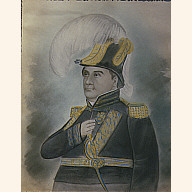
Manuel Armijo (c. 1793 – 1853) was a New Mexican soldier and statesman who served three times as governor of New Mexico between 1827 and 1846. He was instrumental in putting down the Revolt of 1837; he led the military forces that captured the invaders of the Texan Santa Fe Expedition; and he later surrendered to the United States in the Mexican–American War, leading to the capture of Santa Fe and occupation of New Mexico by the American army. Armijo attempted to expand Hispanic settlements and bolster the security of New Mexico by granting large acreages of land to prominent individuals. Armijo has been vilified by Americans participating in the conquest of New Mexico and some subsequent historians.
Manuel Armijo was born around 1793 in the Albuquerque, New Mexico area, most likely in Belen. He was the son of Vicente Ferrer Durán y Armijo and Bárbara Casilda Durán y Chávez, both from prominent New Mexico families. Vicente Armijo and his family resided in the Plaza de San Antonio de Belén during the 1790s, and according to the Spanish census, Vicente was a stockman and lieutenant in the militia. Manuel Armijo married María Trinidad Gabaldón in 1819. The couple did not have children but adopted a daughter named Ramona, who was named "my universal heir and daughter" in Manuel's will. Ramona Armijo was married to Luís C. de Baca of Socorro, New Mexico.
According to George Wilkins Kendall, Armijo became wealthy by working for a sheep rancher and stealing and selling the sheep, often to his own employer; but Kendall was writing about his experience as Armijo's prisoner in 1841 and his biographical sketch of Armijo is scurrilous. The historian Marc Simmons ascribes the story of sheep theft to "tradition". William Wroth wrote on the New Mexico State Historian's Website, "Governor Armijo was portrayed by George Wilkins Kendall as having been an uneducated man from a poor family who worked his way up by stealing. This gross caricature was Kendall's way of vilifying Armijo due to his perception that the Governor had treated him unfairly in 1841 in the capture of the disastrous Texas Santa Fe expedition." In general, according to many Hispanic New Mexicans, historians have been unfair in their telling of the history of Manuel Armijo. Angélico Chávez wrote, "Manuel Armijo's character as Governor and as a man has been unjustly painted in sources too numerous to mention here."
Armijo became the alcalde (mayor) of Albuquerque and militia lieutenant in 1822 and 1824. In 1827, he was appointed governor of New Mexico, but in 1828 he returned from Santa Fe to Albuquerque as a wealthy merchant in sheep and wool blankets, acting as alcalde again. Some have it that he left the governorship to avoid a Federal investigation.
In 1836 Armijo was appointed subcomisario, collector of customs, of New Mexico; this was a fund-raising position that involved work in Santa Fe. However, for health reasons he spent most of his time in Albuquerque and was replaced.
In August 1837 disaffected residents of the northern part of New Mexico assassinated Governor Albino Pérez and took over the state (the Revolt of 1837). Many people in the southern part opposed the new government, but several prominent people refused to lead a counterrevolution. Mariano Chávez, a wealthy young relative of Armijo's, proposed him for the position and Armijo accepted. He marched to Santa Fe and declared himself governor, a position that the Mexican government also gave him when the news of the rebellion reached them (and not when Armijo's letter announcing his self-appointment reached them later, contrary to Kendall's account).
Armijo wrote to the government requesting federal troops, and trained soldiers under Lt. Col. Cayetano Justiniani of the Veracruz dragoons arrived in early January 1838. Later that month the rebellion flared up again and Armijo led the force that defeated the rebels at Pojoaque. According to Armijo's letters to the Mexican historian Carlos María Bustamante, he was nominally in command but his forces were really led by Justiniani.
Beginning with Kendall, some American authors have accused Armijo of starting the rebellion that he later put down. The trader and writer Josiah Gregg said Armijo's brother "intimated" to Gregg that Armijo had ridden from Albuquerque to Santa Fe expecting the rebels to elect him governor. As he had taken no personal part in the insurrection, they "would not acknowledge his claim to their suffrages," so he returned to Albuquerque to plot the counterrevolution. The historian Janet Lecompte doubts this story and notes that there is no documentary evidence of any involvement of Armijo in the Revolt of 1837.
Recent media
Recent media