



Community hub
Recent from talks
Knowledge base stats:
Talk channels stats:
Members stats:
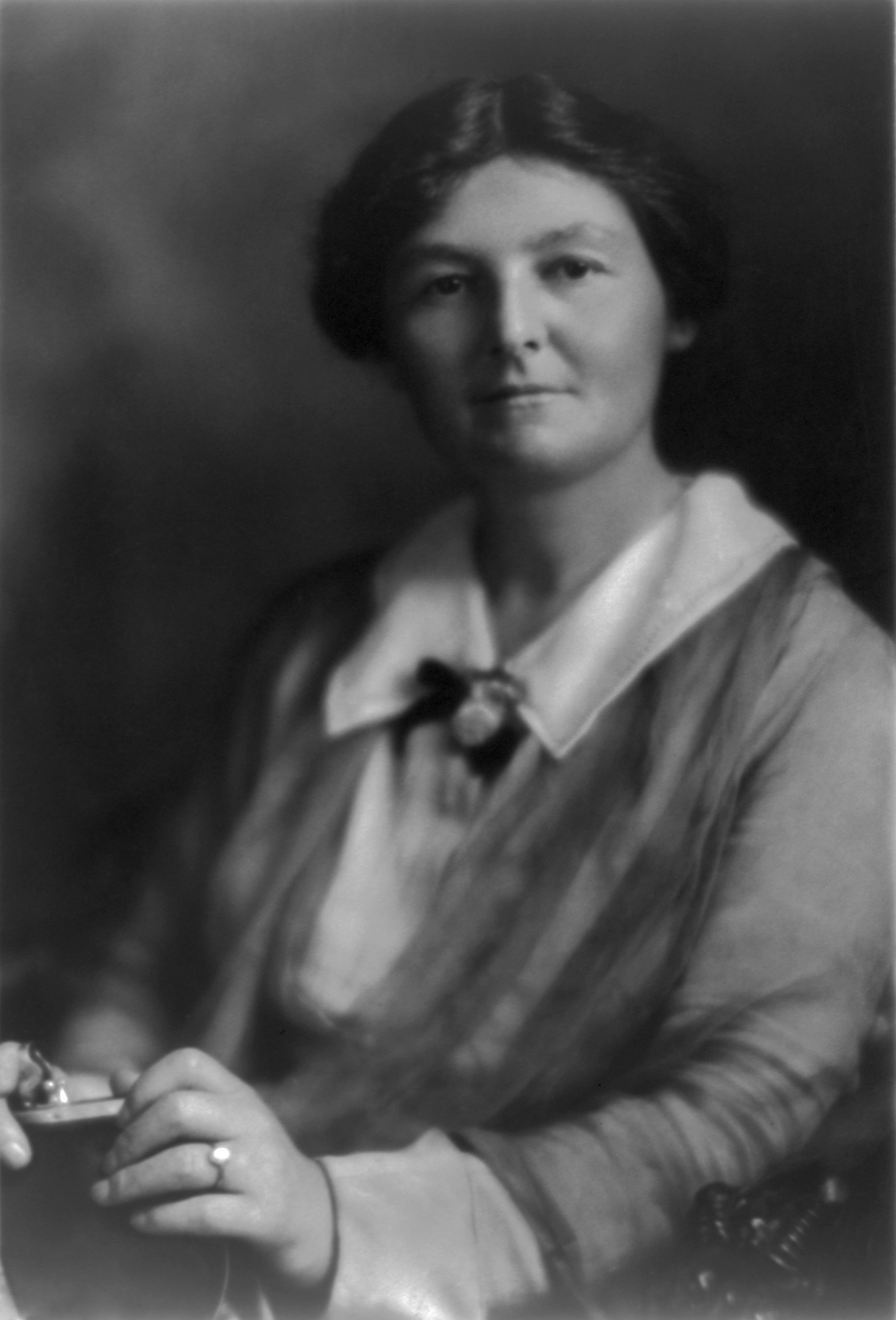
Margaret Bondfield
Margaret Grace Bondfield (17 March 1873 – 16 June 1953) was a British Labour Party politician, trade unionist and women's rights activist. She became the first female cabinet minister, and the first woman to be a privy counsellor in the UK, when she was appointed Minister of Labour in the Labour government of 1929–31. She had earlier become the first woman to chair the General Council of the Trades Union Congress (TUC).
Bondfield was born in humble circumstances and received limited formal education. After serving an apprenticeship to an embroideress she worked as a shop assistant in Brighton and London. She was shocked by the working conditions of shop staff, particularly within the "living-in" system, and became an active member of the shopworkers' union. She began to move in socialist circles, and in 1898 was appointed assistant secretary of the National Amalgamated Union of Shop Assistants, Warehousemen and Clerks (NAUSAWC). She was later prominent in several women's socialist movements: she helped to found the Women's Labour League (WLL) in 1906, and was chair of the Adult Suffrage Society. Her standpoint on women's suffrage—she favoured extending the vote to all adults regardless of gender or property, rather than the limited "on the same terms as men" agenda pursued by the militant suffragists—divided her from the militant leadership.
After leaving her union post in 1908 Bondfield worked as organising secretary for the WLL and later as women's officer for the National Union of General and Municipal Workers (NUGMW). She was elected to the TUC Council in 1918, and became its chairman in 1923, the year she was first elected to parliament. In the short-lived minority Labour government of 1924 she served as parliamentary secretary in the Ministry of Labour. Her term of cabinet office in 1929–31 was marked by the economic crises that beset the second Labour government. Her willingness to contemplate cuts in unemployment benefits alienated her from much of the Labour movement, although she did not follow Ramsay MacDonald into the National Government that assumed office when the Labour government fell in August 1931. Bondfield remained active in NUGMW affairs until 1938, and during the Second World War carried out investigations for the Women's Group on Public Welfare.
Margaret Bondfield, known in private life as "Maggie", was born on 17 March 1873 in Chard, Somerset. She was the tenth of eleven children, and third of four daughters born to William Bondfield and his wife Ann (née Taylor), the daughter of a Congregational minister. William Bondfield worked as a lacemaker, and had a history of political activism. As a young man he had been secretary of the Chard Political Union, a centre of local radicalism that the authorities had on occasion suppressed by military force. He had also been active in the Anti-Corn Law League of the 1840s. Entirely self-educated, he was fascinated by science and engineering, and was the co-designer of a flying machine, a prototype of the modern aircraft, that was exhibited at the Great Exhibition of 1851.
While Margaret was still an infant, William lost his job and was unable to find regular work. The family suffered hardship, with the threat of the workhouse a constant fear. Nevertheless, William and Ann did their best to ensure that their children were educated and prepared for life. Margaret was a clever child, whose skills at reciting poetry or playing piano pieces were often displayed at town events and Sunday School outings. Until the age of 13 she attended the local elementary school; she then worked for a year as a pupil-teacher (she was paid three shillings a week) in the school's boys' department. Local employment opportunities being scarce, she left Chard in 1887, at the age of 14, to begin an apprenticeship at a draper's shop in Hove, near Brighton.
Bondfield joined a drapery and embroidery business in Church Road, Hove, where the young apprentices were treated as family members. Relations between customers and assistants were cordial, and Bondfield's later recollections of this period were uniformly happy. Her apprenticeship complete, she worked as a living-in assistant in a succession of Brighton drapery stores, where she quickly encountered the realities of shop staff life: unsympathetic employers, very long hours, appalling living conditions and no privacy. Bondfield reported on her experiences of living-in: "Overcrowded, insanitary conditions, poor and insufficient food were the main characteristics of this system, with an undertone of danger ... In some houses both natural and unnatural vices found a breeding ground".
She found some relief from this environment when she was befriended by a wealthy customer, Louisa Martindale, and her daughter Hilda. The Martindales, socially conscious liberals and advocates for women's rights, found Bondfield a willing learner, and lent her books that began her lifelong interest in labour and social questions. Bondfield described Mrs Martindale as "a most vivid influence on my life ... she put me in the way of knowledge that has been of help to many score of my shop mates".
Bondfield's brother Frank had established himself in London some years earlier as a printer and trades unionist, and in 1894, having saved £5, she decided to join him. She found London shopworking conditions no better than in Brighton, but through Frank her social and political circles widened. She became an active member of the National Amalgamated Union of Shop Assistants, Warehousemen, and Clerks (NUSAWC), sometimes missing church on Sundays to attend union meetings. Her political and literary education was centred on the Ideal Club, where she met Bernard Shaw, and Sidney and Beatrice Webb. Under the influence of these socialist luminaries, she joined the Fabian Society and later the Independent Labour Party (ILP).
Hub AI
Margaret Bondfield AI simulator
(@Margaret Bondfield_simulator)
Margaret Bondfield
Margaret Grace Bondfield (17 March 1873 – 16 June 1953) was a British Labour Party politician, trade unionist and women's rights activist. She became the first female cabinet minister, and the first woman to be a privy counsellor in the UK, when she was appointed Minister of Labour in the Labour government of 1929–31. She had earlier become the first woman to chair the General Council of the Trades Union Congress (TUC).
Bondfield was born in humble circumstances and received limited formal education. After serving an apprenticeship to an embroideress she worked as a shop assistant in Brighton and London. She was shocked by the working conditions of shop staff, particularly within the "living-in" system, and became an active member of the shopworkers' union. She began to move in socialist circles, and in 1898 was appointed assistant secretary of the National Amalgamated Union of Shop Assistants, Warehousemen and Clerks (NAUSAWC). She was later prominent in several women's socialist movements: she helped to found the Women's Labour League (WLL) in 1906, and was chair of the Adult Suffrage Society. Her standpoint on women's suffrage—she favoured extending the vote to all adults regardless of gender or property, rather than the limited "on the same terms as men" agenda pursued by the militant suffragists—divided her from the militant leadership.
After leaving her union post in 1908 Bondfield worked as organising secretary for the WLL and later as women's officer for the National Union of General and Municipal Workers (NUGMW). She was elected to the TUC Council in 1918, and became its chairman in 1923, the year she was first elected to parliament. In the short-lived minority Labour government of 1924 she served as parliamentary secretary in the Ministry of Labour. Her term of cabinet office in 1929–31 was marked by the economic crises that beset the second Labour government. Her willingness to contemplate cuts in unemployment benefits alienated her from much of the Labour movement, although she did not follow Ramsay MacDonald into the National Government that assumed office when the Labour government fell in August 1931. Bondfield remained active in NUGMW affairs until 1938, and during the Second World War carried out investigations for the Women's Group on Public Welfare.
Margaret Bondfield, known in private life as "Maggie", was born on 17 March 1873 in Chard, Somerset. She was the tenth of eleven children, and third of four daughters born to William Bondfield and his wife Ann (née Taylor), the daughter of a Congregational minister. William Bondfield worked as a lacemaker, and had a history of political activism. As a young man he had been secretary of the Chard Political Union, a centre of local radicalism that the authorities had on occasion suppressed by military force. He had also been active in the Anti-Corn Law League of the 1840s. Entirely self-educated, he was fascinated by science and engineering, and was the co-designer of a flying machine, a prototype of the modern aircraft, that was exhibited at the Great Exhibition of 1851.
While Margaret was still an infant, William lost his job and was unable to find regular work. The family suffered hardship, with the threat of the workhouse a constant fear. Nevertheless, William and Ann did their best to ensure that their children were educated and prepared for life. Margaret was a clever child, whose skills at reciting poetry or playing piano pieces were often displayed at town events and Sunday School outings. Until the age of 13 she attended the local elementary school; she then worked for a year as a pupil-teacher (she was paid three shillings a week) in the school's boys' department. Local employment opportunities being scarce, she left Chard in 1887, at the age of 14, to begin an apprenticeship at a draper's shop in Hove, near Brighton.
Bondfield joined a drapery and embroidery business in Church Road, Hove, where the young apprentices were treated as family members. Relations between customers and assistants were cordial, and Bondfield's later recollections of this period were uniformly happy. Her apprenticeship complete, she worked as a living-in assistant in a succession of Brighton drapery stores, where she quickly encountered the realities of shop staff life: unsympathetic employers, very long hours, appalling living conditions and no privacy. Bondfield reported on her experiences of living-in: "Overcrowded, insanitary conditions, poor and insufficient food were the main characteristics of this system, with an undertone of danger ... In some houses both natural and unnatural vices found a breeding ground".
She found some relief from this environment when she was befriended by a wealthy customer, Louisa Martindale, and her daughter Hilda. The Martindales, socially conscious liberals and advocates for women's rights, found Bondfield a willing learner, and lent her books that began her lifelong interest in labour and social questions. Bondfield described Mrs Martindale as "a most vivid influence on my life ... she put me in the way of knowledge that has been of help to many score of my shop mates".
Bondfield's brother Frank had established himself in London some years earlier as a printer and trades unionist, and in 1894, having saved £5, she decided to join him. She found London shopworking conditions no better than in Brighton, but through Frank her social and political circles widened. She became an active member of the National Amalgamated Union of Shop Assistants, Warehousemen, and Clerks (NUSAWC), sometimes missing church on Sundays to attend union meetings. Her political and literary education was centred on the Ideal Club, where she met Bernard Shaw, and Sidney and Beatrice Webb. Under the influence of these socialist luminaries, she joined the Fabian Society and later the Independent Labour Party (ILP).