
Recent from talks
Margaret Wilson
Knowledge base stats:
Talk channels stats:
Members stats:
Margaret Wilson
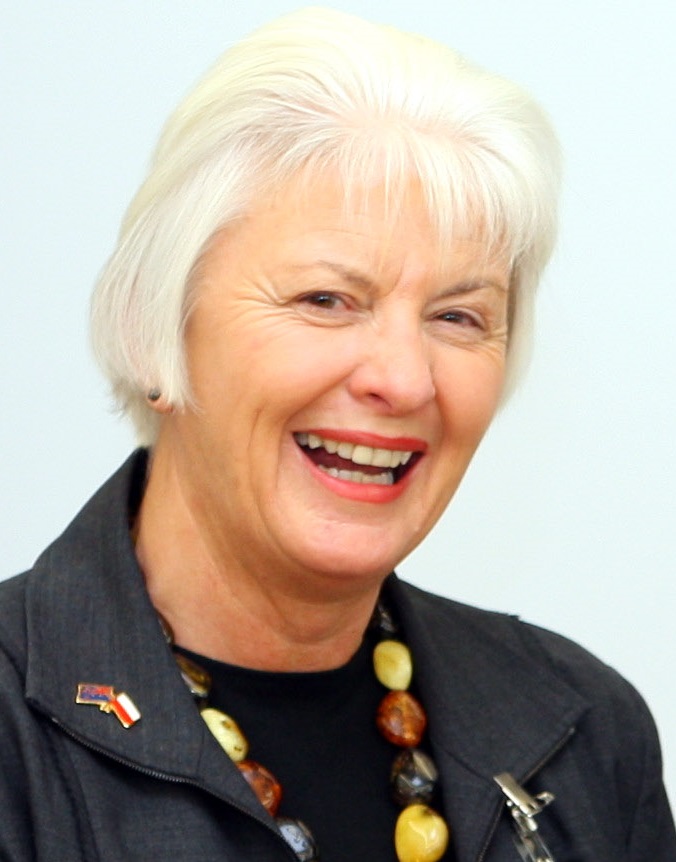
Margaret Anne Wilson DCNZM (born 20 May 1947) is a New Zealand lawyer, academic and former Labour Party politician. She served as Attorney-General from 1999 to 2005 and Speaker of the House of Representatives from 2005 to 2008, during the Fifth Labour Government.
Born in Gisborne, Wilson was raised in Morrinsville where her parents Bill and Patricia (Paddy) ran a small store. She was the eldest of four children. As a seven-year-old, she spent several months living in Auckland with her great-aunt and great-uncle after her father had a nervous breakdown. Wilson's family were Catholic and Labour-voting; Bill's father's cousin was the Labor Party Premier of New South Wales, Bob Heffron.
Wilson returned to Auckland to receive secondary education at St Dominic's College, and completed her final year as the only female student at Morrinsville College. She had a leg amputated due to cancer at the age of 16, which cut short her plans to be a physical education teacher. Instead, she studied law and graduated LLB(Honours) from the University of Auckland in 1970. Briefly, she worked as a law clerk and solicitor in Auckland from 1970 to 1972 (in 1971 she was secretary of the legal employees' union), before a master's in jurisprudence on workers' participation in management in New Zealand was completed in 1974. In her memoir, Wilson reports that only seven in her undergraduate class of 200 were women; her female classmates included future Chief Justice of New Zealand Sian Elias and future judge of the Hong Kong Court of First Instance Clare-Marie Beeson. Future members of Parliament David Lange and Jim McLay were also in the cohort. Wilson began lecturing in the University of Auckland law faculty in 1972 and continued in lecturing roles until 1990 (latterly in a part-time capacity as she became more politically active).
Wilson campaigned for Eddie Isbey, the Labour Party candidate in Grey Lynn, in 1969 and 1972. In 1975, she spent a year studying for a doctorate at Osgoode Hall Law School in Toronto, Ontario, which she did not complete. Before her overseas studies, Wilson had begun to campaign for women's rights; she returned to these aims in 1976 and joined the Labour Party as a means to those ends. She stood unsuccessfully for the Auckland City Council on a Labour Party ticket in both 1977 and 1980. In her memoir, Wilson reflected that future Prime Minister and her then-University of Auckland colleague Helen Clark encouraged her candidacy.
In the 1980s, Wilson was a senior figure in the extra-parliamentary Labour Party. She was elected as a women's representative on the Labour Party Council for two one-year terms in 1980 and 1981 and to the vice-presidency in 1982. From 1984 to 1987, she was president of the Labour Party, the first woman to do so. She contributed to the party's manifesto commitments on women's equality, which included the establishment of the Ministry for Women's Affairs, for the 1984 general election. It was suggested that Wilson stand for Parliament in 1987; she declined. Following her term as Labour president, she chaired the government's working group on equal employment opportunities and equal pay, served on the Law Commission, and was appointed as a director of the Reserve Bank. Between 1989 and 1990, she worked as chief political advisor to the Prime Minister, Geoffrey Palmer.
Wilson established the University of Waikato School of Law as New Zealand's fifth law school in 1990. She was its first Professor of law and founding Dean until 1999 when she became a Member of Parliament. Wilson was the first female Dean of a law school in New Zealand.
In 1993, Wilson was awarded the New Zealand Suffrage Centennial Medal.
After nine years of a National-led Government, including three years of testing coalition arrangements, Labour anticipated forming a government after the 1999 election. Wilson's former Auckland University colleague Helen Clark, now leader of the Labour Party, invited Wilson to stand for election on the Labour Party list, with a view to being the Attorney-General should Labour successfully form a new government. Wilson agreed and also stood for election in the Tauranga electorate, displacing Labour's expected candidate, union organiser and former Tauranga Labour electorate committee chairman Terry Hughes. She placed third behind New Zealand First leader Winston Peters and National candidate Katherine O'Regan in a close race. Wilson sought a judicial recount as since New Zealand First won less than five percent of the party vote they would have no seats in parliament in at all if Peters lost the electorate (allowing Labour to govern solely with the Alliance and not needing the Greens). Peters criticised the recount as a waste of money. The recount resulted in Peters' majority increasing by one vote from 62 to 63.
Hub AI
Margaret Wilson AI simulator
(@Margaret Wilson_simulator)
Margaret Wilson
Margaret Anne Wilson DCNZM (born 20 May 1947) is a New Zealand lawyer, academic and former Labour Party politician. She served as Attorney-General from 1999 to 2005 and Speaker of the House of Representatives from 2005 to 2008, during the Fifth Labour Government.
Born in Gisborne, Wilson was raised in Morrinsville where her parents Bill and Patricia (Paddy) ran a small store. She was the eldest of four children. As a seven-year-old, she spent several months living in Auckland with her great-aunt and great-uncle after her father had a nervous breakdown. Wilson's family were Catholic and Labour-voting; Bill's father's cousin was the Labor Party Premier of New South Wales, Bob Heffron.
Wilson returned to Auckland to receive secondary education at St Dominic's College, and completed her final year as the only female student at Morrinsville College. She had a leg amputated due to cancer at the age of 16, which cut short her plans to be a physical education teacher. Instead, she studied law and graduated LLB(Honours) from the University of Auckland in 1970. Briefly, she worked as a law clerk and solicitor in Auckland from 1970 to 1972 (in 1971 she was secretary of the legal employees' union), before a master's in jurisprudence on workers' participation in management in New Zealand was completed in 1974. In her memoir, Wilson reports that only seven in her undergraduate class of 200 were women; her female classmates included future Chief Justice of New Zealand Sian Elias and future judge of the Hong Kong Court of First Instance Clare-Marie Beeson. Future members of Parliament David Lange and Jim McLay were also in the cohort. Wilson began lecturing in the University of Auckland law faculty in 1972 and continued in lecturing roles until 1990 (latterly in a part-time capacity as she became more politically active).
Wilson campaigned for Eddie Isbey, the Labour Party candidate in Grey Lynn, in 1969 and 1972. In 1975, she spent a year studying for a doctorate at Osgoode Hall Law School in Toronto, Ontario, which she did not complete. Before her overseas studies, Wilson had begun to campaign for women's rights; she returned to these aims in 1976 and joined the Labour Party as a means to those ends. She stood unsuccessfully for the Auckland City Council on a Labour Party ticket in both 1977 and 1980. In her memoir, Wilson reflected that future Prime Minister and her then-University of Auckland colleague Helen Clark encouraged her candidacy.
In the 1980s, Wilson was a senior figure in the extra-parliamentary Labour Party. She was elected as a women's representative on the Labour Party Council for two one-year terms in 1980 and 1981 and to the vice-presidency in 1982. From 1984 to 1987, she was president of the Labour Party, the first woman to do so. She contributed to the party's manifesto commitments on women's equality, which included the establishment of the Ministry for Women's Affairs, for the 1984 general election. It was suggested that Wilson stand for Parliament in 1987; she declined. Following her term as Labour president, she chaired the government's working group on equal employment opportunities and equal pay, served on the Law Commission, and was appointed as a director of the Reserve Bank. Between 1989 and 1990, she worked as chief political advisor to the Prime Minister, Geoffrey Palmer.
Wilson established the University of Waikato School of Law as New Zealand's fifth law school in 1990. She was its first Professor of law and founding Dean until 1999 when she became a Member of Parliament. Wilson was the first female Dean of a law school in New Zealand.
In 1993, Wilson was awarded the New Zealand Suffrage Centennial Medal.
After nine years of a National-led Government, including three years of testing coalition arrangements, Labour anticipated forming a government after the 1999 election. Wilson's former Auckland University colleague Helen Clark, now leader of the Labour Party, invited Wilson to stand for election on the Labour Party list, with a view to being the Attorney-General should Labour successfully form a new government. Wilson agreed and also stood for election in the Tauranga electorate, displacing Labour's expected candidate, union organiser and former Tauranga Labour electorate committee chairman Terry Hughes. She placed third behind New Zealand First leader Winston Peters and National candidate Katherine O'Regan in a close race. Wilson sought a judicial recount as since New Zealand First won less than five percent of the party vote they would have no seats in parliament in at all if Peters lost the electorate (allowing Labour to govern solely with the Alliance and not needing the Greens). Peters criticised the recount as a waste of money. The recount resulted in Peters' majority increasing by one vote from 62 to 63.
Recent media