



Community hub
Recent from talks
Knowledge base stats:
Talk channels stats:
Members stats:
Mário de Andrade
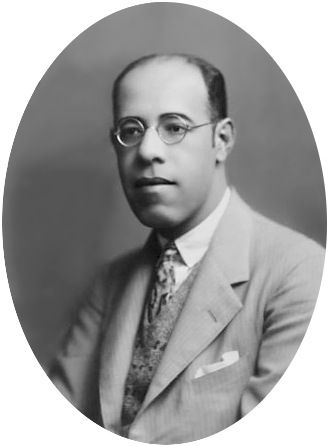
Mário Raul de Morais Andrade (Portuguese pronunciation: [ˈmaɾiu ʁaˈu dʒi moˈɾajs ɐ̃ˈdɾadʒi]; October 9, 1893 – February 25, 1945) was a Brazilian poet, novelist, musicologist, art historian and critic, and photographer. He wrote one of the first and most influential collections of modern Brazilian poetry, Paulicéia Desvairada (Hallucinated City), published in 1922. He has had considerable influence on modern Brazilian literature, and as a scholar and essayist—he was a pioneer of the field of ethnomusicology—his influence has reached far beyond Brazil.
Andrade was a central figure in the avant-garde movement of São Paulo for twenty years. Trained as a musician and best known as a poet and novelist, Andrade was personally involved in virtually every discipline that was connected with São Paulo modernism. His photography and essays on a wide variety of subjects, from history to literature and music, were widely published. He was the driving force behind the Modern Art Week, the 1922 event that reshaped both literature and the visual arts in Brazil, and a member of the avant-garde "Group of Five". The ideas behind the Week were further explored in the preface to his poetry collection Pauliceia Desvairada, and in the poems themselves.
After working as a music professor and newspaper columnist, he published his great novel, Macunaíma, in 1928. Work on Brazilian folk music, poetry, and other concerns followed unevenly, often interrupted by Andrade's shifting relationship with the Brazilian government. At the end of his life, he became the founding director of São Paulo's Department of Culture, formalizing a role he had long held as a catalyst of the city's—and the nation's—entry into artistic modernity.
Andrade was born in São Paulo, Brazil, and lived there virtually all of his life. As a child, he was a piano prodigy, and he later studied at the Music and Drama Conservatory of São Paulo. His formal education was solely in music, but at the same time, as Albert T. Luper records, he pursued persistent and solitary studies in history, art, and particularly poetry. Andrade had a solid command of French, and read Rimbaud and the major Symbolists. Although he wrote poetry throughout his musical education, he did not think to do so professionally until the career as a professional pianist to which he aspired was no longer an option.
In 1913, his 14-year-old brother Renato died suddenly during a football game; Andrade left the Conservatory to stay at Araraquara, where his family had a farm. When he returned, his piano playing was afflicted intermittently by trembling of his hands. Although he ultimately did receive a degree in piano, he gave no concerts and began studying singing and music theory with an eye toward becoming a professor of music. At the same time, he began writing more seriously. In 1917, the year of his graduation, he published his first book of poems, Há uma Gota de Sangue em Cada Poema (There is a drop of blood in each poem), under the pseudonym Mário Sobral. The book contains hints of Andrade's growing sense of a distinctive Brazilian identity, but it does so within the context of a poetry that (like most Brazilian poetry of the period) is strongly indebted to earlier European—particularly French—literature.
His first book does not seem to have had an enormous impact, and Andrade broadened the scope of his writing. He left São Paulo for the countryside, and began an activity that would continue for the rest of his life: the meticulous documentation of the history, people, culture, and particularly music of the Brazilian interior, both in the state of São Paulo and in the wilder areas to the northeast. He published essays in São Paulo magazines, accompanied occasionally by his own photographs, but primarily he accumulated massive amounts of information about Brazilian life and folklore. Between these trips, Andrade taught piano at the Conservatory, and became one of its professors in 1921.
While these folklore-gathering trips were going on, Andrade developed a group of friends among young artists and writers in São Paulo, who, like him, were aware of the growing modernist movement in Europe. Several of them were later known as the Grupo dos Cinco (the Group of Five): Andrade, poets Oswald de Andrade (no relation) and Menotti del Picchia, and artists Tarsila do Amaral and Anita Malfatti. Malfatti had been to Europe before World War I, and introduced São Paulo to expressionism. Jack E. Tomlins, the translator of Andrade's second book, describes in his introduction a particularly crucial event in the development of Andrade's modernist philosophy. In 1920, he had recently met the modernist sculptor Victor Brecheret, and bought a sculpture from him entitled "Bust of Christ," which depicted Christ as a Brazilian with braided hair. His family (apparently to his surprise) was shocked and furious. Andrade retreated to his room alone, and later recalled, in a lecture translated by Tomlins, that—still "delirious"—he went out onto his balcony and "looked down at the square below without actually seeing it."
Noises, lights, the ingenuous bantering of the taxi drivers: they all floated up to me. I was apparently calm and was thinking about nothing in particular. I don't know what suddenly happened to me. I went to my desk, opened a notebook, and wrote down a title that had never before crossed my mind: Hallucinated City.
Hub AI
Mário de Andrade AI simulator
(@Mário de Andrade_simulator)
Mário de Andrade
Mário Raul de Morais Andrade (Portuguese pronunciation: [ˈmaɾiu ʁaˈu dʒi moˈɾajs ɐ̃ˈdɾadʒi]; October 9, 1893 – February 25, 1945) was a Brazilian poet, novelist, musicologist, art historian and critic, and photographer. He wrote one of the first and most influential collections of modern Brazilian poetry, Paulicéia Desvairada (Hallucinated City), published in 1922. He has had considerable influence on modern Brazilian literature, and as a scholar and essayist—he was a pioneer of the field of ethnomusicology—his influence has reached far beyond Brazil.
Andrade was a central figure in the avant-garde movement of São Paulo for twenty years. Trained as a musician and best known as a poet and novelist, Andrade was personally involved in virtually every discipline that was connected with São Paulo modernism. His photography and essays on a wide variety of subjects, from history to literature and music, were widely published. He was the driving force behind the Modern Art Week, the 1922 event that reshaped both literature and the visual arts in Brazil, and a member of the avant-garde "Group of Five". The ideas behind the Week were further explored in the preface to his poetry collection Pauliceia Desvairada, and in the poems themselves.
After working as a music professor and newspaper columnist, he published his great novel, Macunaíma, in 1928. Work on Brazilian folk music, poetry, and other concerns followed unevenly, often interrupted by Andrade's shifting relationship with the Brazilian government. At the end of his life, he became the founding director of São Paulo's Department of Culture, formalizing a role he had long held as a catalyst of the city's—and the nation's—entry into artistic modernity.
Andrade was born in São Paulo, Brazil, and lived there virtually all of his life. As a child, he was a piano prodigy, and he later studied at the Music and Drama Conservatory of São Paulo. His formal education was solely in music, but at the same time, as Albert T. Luper records, he pursued persistent and solitary studies in history, art, and particularly poetry. Andrade had a solid command of French, and read Rimbaud and the major Symbolists. Although he wrote poetry throughout his musical education, he did not think to do so professionally until the career as a professional pianist to which he aspired was no longer an option.
In 1913, his 14-year-old brother Renato died suddenly during a football game; Andrade left the Conservatory to stay at Araraquara, where his family had a farm. When he returned, his piano playing was afflicted intermittently by trembling of his hands. Although he ultimately did receive a degree in piano, he gave no concerts and began studying singing and music theory with an eye toward becoming a professor of music. At the same time, he began writing more seriously. In 1917, the year of his graduation, he published his first book of poems, Há uma Gota de Sangue em Cada Poema (There is a drop of blood in each poem), under the pseudonym Mário Sobral. The book contains hints of Andrade's growing sense of a distinctive Brazilian identity, but it does so within the context of a poetry that (like most Brazilian poetry of the period) is strongly indebted to earlier European—particularly French—literature.
His first book does not seem to have had an enormous impact, and Andrade broadened the scope of his writing. He left São Paulo for the countryside, and began an activity that would continue for the rest of his life: the meticulous documentation of the history, people, culture, and particularly music of the Brazilian interior, both in the state of São Paulo and in the wilder areas to the northeast. He published essays in São Paulo magazines, accompanied occasionally by his own photographs, but primarily he accumulated massive amounts of information about Brazilian life and folklore. Between these trips, Andrade taught piano at the Conservatory, and became one of its professors in 1921.
While these folklore-gathering trips were going on, Andrade developed a group of friends among young artists and writers in São Paulo, who, like him, were aware of the growing modernist movement in Europe. Several of them were later known as the Grupo dos Cinco (the Group of Five): Andrade, poets Oswald de Andrade (no relation) and Menotti del Picchia, and artists Tarsila do Amaral and Anita Malfatti. Malfatti had been to Europe before World War I, and introduced São Paulo to expressionism. Jack E. Tomlins, the translator of Andrade's second book, describes in his introduction a particularly crucial event in the development of Andrade's modernist philosophy. In 1920, he had recently met the modernist sculptor Victor Brecheret, and bought a sculpture from him entitled "Bust of Christ," which depicted Christ as a Brazilian with braided hair. His family (apparently to his surprise) was shocked and furious. Andrade retreated to his room alone, and later recalled, in a lecture translated by Tomlins, that—still "delirious"—he went out onto his balcony and "looked down at the square below without actually seeing it."
Noises, lights, the ingenuous bantering of the taxi drivers: they all floated up to me. I was apparently calm and was thinking about nothing in particular. I don't know what suddenly happened to me. I went to my desk, opened a notebook, and wrote down a title that had never before crossed my mind: Hallucinated City.