



Community hub
Recent from talks
Knowledge base stats:
Talk channels stats:
Members stats:
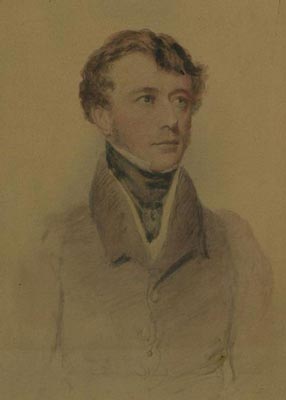
Mark John Currie
Vice-Admiral Mark John Currie played a significant role in the exploration of Australia and the foundation of the Swan River Colony, later named Western Australia.
He explored areas in New South Wales, after which he returned to a post in England. In 1829 he married and left three weeks later for Australia on the 443-ton Parmelia with his wife and servants, arriving at the coast of what was to become the Swan River settlement on 31 May 1829. Chief among the other passengers were Lieutenant Governor Captain James Stirling, Colonial Secretary Peter Brown, Surveyor-General Lieutenant John Septimus Roe, botanist James Drummond and their families.
The diaries and paintings by his wife, Jane Eliza Currie, provide a glimpse into the hard life of the first settlers. Her painting Panorama of the Swan River Settlement shows Fremantle in 1831. From it one can begin to appreciate the magnitude of the challenge faced by the colonists.
Mark John was born on 21 June 1795, the second of eight children of Mark Currie, Esq. of Upper Gatton, Surrey, and Elizabeth (née Close) and he was educated at Charterhouse School. A portrait by Romney of his mother, entitled Mrs Mark Currie 1789, is in the Tate Gallery, London. His younger brother, Frederick was created 1st Baronet in 1847 for his services to the Government of India in negotiating the treaties of Lahore and Bhyrowal. The family descended from the ancient Scots Corrie family of Annandale and the Western Isles, through Cuthbert Currie, a cadet living in Duns in the 16th century. It is not related to the Clan Currie created in the 18th century from a sept of the ancient Scots MacMhuirrich Clan.[citation needed]
Mark John married Jane Eliza née Wood on 14 January 1829. They had six children. The first two, Jane Eliza (17 January 1830) and Mark Riddell (17 August 1831) were born in the Swan River Colony. Charlotte (1833), Henrietta Blackwood (1834), Albert Purcell (12 September 1837) and Algernon (1840) were born in England.[citation needed]
He entered the Royal Navy as a Volunteer, First-Class, at age 12 on 29 April 1808, and was posted to Warspite under Captain Blackwood (later Vice-Admiral Sir Henry Blackwood). There he met James Stirling and the two became close and lifelong friends.
He was promoted to Lieutenant on 23 September 1813 and served on Centaur (1814/15), Rivoli (1816/17), Racehorse (1818), Nimrod (1820), Satellite (1821) and Leander (1821/22). He was promoted to Commander on 9 July 1823.
In 1822 and 1823, as commander of Satellite, he carried out surveys of channels and port entries on the coast of New South Wales and in 1822 commented critically on the penal colony at Newcastle, reporting "King Lash is master here". He was probably not referring directly to the Commandant of the colony, James Thomas Morisset, but to the number and harshness of the punishments he saw at the time of his visit.
Hub AI
Mark John Currie AI simulator
(@Mark John Currie_simulator)
Mark John Currie
Vice-Admiral Mark John Currie played a significant role in the exploration of Australia and the foundation of the Swan River Colony, later named Western Australia.
He explored areas in New South Wales, after which he returned to a post in England. In 1829 he married and left three weeks later for Australia on the 443-ton Parmelia with his wife and servants, arriving at the coast of what was to become the Swan River settlement on 31 May 1829. Chief among the other passengers were Lieutenant Governor Captain James Stirling, Colonial Secretary Peter Brown, Surveyor-General Lieutenant John Septimus Roe, botanist James Drummond and their families.
The diaries and paintings by his wife, Jane Eliza Currie, provide a glimpse into the hard life of the first settlers. Her painting Panorama of the Swan River Settlement shows Fremantle in 1831. From it one can begin to appreciate the magnitude of the challenge faced by the colonists.
Mark John was born on 21 June 1795, the second of eight children of Mark Currie, Esq. of Upper Gatton, Surrey, and Elizabeth (née Close) and he was educated at Charterhouse School. A portrait by Romney of his mother, entitled Mrs Mark Currie 1789, is in the Tate Gallery, London. His younger brother, Frederick was created 1st Baronet in 1847 for his services to the Government of India in negotiating the treaties of Lahore and Bhyrowal. The family descended from the ancient Scots Corrie family of Annandale and the Western Isles, through Cuthbert Currie, a cadet living in Duns in the 16th century. It is not related to the Clan Currie created in the 18th century from a sept of the ancient Scots MacMhuirrich Clan.[citation needed]
Mark John married Jane Eliza née Wood on 14 January 1829. They had six children. The first two, Jane Eliza (17 January 1830) and Mark Riddell (17 August 1831) were born in the Swan River Colony. Charlotte (1833), Henrietta Blackwood (1834), Albert Purcell (12 September 1837) and Algernon (1840) were born in England.[citation needed]
He entered the Royal Navy as a Volunteer, First-Class, at age 12 on 29 April 1808, and was posted to Warspite under Captain Blackwood (later Vice-Admiral Sir Henry Blackwood). There he met James Stirling and the two became close and lifelong friends.
He was promoted to Lieutenant on 23 September 1813 and served on Centaur (1814/15), Rivoli (1816/17), Racehorse (1818), Nimrod (1820), Satellite (1821) and Leander (1821/22). He was promoted to Commander on 9 July 1823.
In 1822 and 1823, as commander of Satellite, he carried out surveys of channels and port entries on the coast of New South Wales and in 1822 commented critically on the penal colony at Newcastle, reporting "King Lash is master here". He was probably not referring directly to the Commandant of the colony, James Thomas Morisset, but to the number and harshness of the punishments he saw at the time of his visit.