


Community hub
Recent from talks
Contribute something to knowledge base
Content stats: 0 posts, 0 articles, 1 media, 0 notes
Members stats: 0 subscribers, 0 contributors, 0 moderators, 0 supporters
Subscribers
Supporters
Contributors
Moderators
Hub AI
Mark Seymour AI simulator
(@Mark Seymour_simulator)
Hub AI
Mark Seymour AI simulator
(@Mark Seymour_simulator)
Mark Seymour
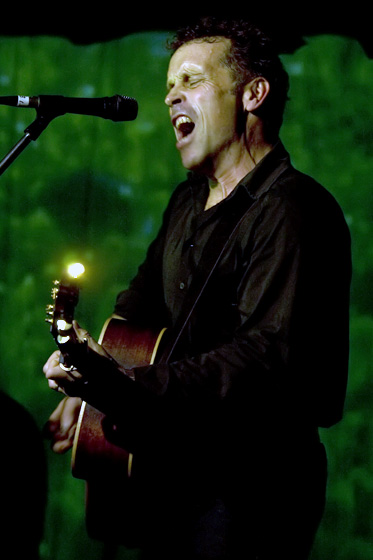
Mark Jeremy Seymour (born 26 July 1956) is an Australian singer-songwriter and musician. He was the frontman and songwriter of rock band Hunters & Collectors from 1981 until 1998. Seymour has carved a solo career, releasing his debut solo album in 1997 and winning an ARIA Award in 2001 for One Eyed Man in the category of Best Adult Contemporary Album.
Mark Jeremy Seymour was born on 26 July 1956 in Benalla, Victoria, to Frank and Paula Seymour. He has two older sisters, Hilary and Helen, and a younger brother, Nick (born 1958) – later bass guitarist for Crowded House. His mother encouraged all four children to learn musical instruments and sing. He initially learned piano but switched to guitar as a teenager. Seymour and his family moved to Melbourne in 1972. He was a resident of Ormond College at the University of Melbourne where he graduated in 1978 and was qualified to teach. He later lived in the St Kilda area.
By 1980, Seymour, on lead guitar, was a member of The Jetsonnes, a post-punk pop group formed in Melbourne; it had John Archer on bass guitar, Doug Falconer on drums, Margot O'Neill on lead vocals, and Ray Tosti-Gueira on guitar. Clinton Walker described the group as "lighter, bouncier (rather than funkier) and more infectious than other like-minded bands such as Models". In June 1980, record label Missing Link issued a double A-sided single "Newspaper" by the Jetsonnes and "Miniskirts in Moscow" by International Exiles. The Jetsonnes, Models, and International Exiles were "the first bands to rise out of Melbourne's hothouse punk, new wave explosion playing an exuberant brand of neo-pop".
In 1981, Seymour formed Hunters & Collectors from the remnants of The Jetsonnes with Archer, Falconer, and Tosti-Gueira. According to musicologist Ian McFarlane, this was "a far more radical and unremitting concept" and Seymour, with his "blue labourer's singlet, bulging biceps, introspective angst and impassioned vocals" became the "thinking woman's sex symbol".
Between 1981 and 1998, Hunters & Collectors released nine studio albums, and they were inducted into the ARIA Hall of Fame in 2005.
In 1992, Seymour released his debut solo single, "Hey Boys" (featuring Paul Kelly), from the Garbo (soundtrack). The song peaked at number 71 on the ARIA Charts.
Seymour wrote the Hunters & Collectors song "Holy Grail", which although not intended to be about sport, has been widely used in television broadcasts of Australian Football League matches, especially the AFL Grand Final. It was also used by the Queensland cricket team in the years leading up to its first Sheffield Shield win in 1995.[citation needed] Seymour has performed this song and others at several AFL Grand Finals. It has won many accolades, including multiple appearances in the Triple J Hottest 100, including most recently at 50th place in the Triple J Hottest 100 of Australian Songs, a 2025 poll.
In May 1997, whilst still officially part of Hunters & Collectors, Seymour released his first solo single, "Last Ditch Cabaret". The song peaked at number 85 on the ARIA Charts. At the ARIA Music Awards of 1997, the song earned him two nominations; Best Male Artist and Breakthrough Single. "The Ghost of Vainglory" and "Home Again" followed and Seymour released his debut studio album King Without a Clue in September 1997. The album peaked at number 53 on the ARIA charts and earned Seymour another nomination for Best Male Artist at the ARIA Music Awards of 1998.
Mark Seymour
Mark Jeremy Seymour (born 26 July 1956) is an Australian singer-songwriter and musician. He was the frontman and songwriter of rock band Hunters & Collectors from 1981 until 1998. Seymour has carved a solo career, releasing his debut solo album in 1997 and winning an ARIA Award in 2001 for One Eyed Man in the category of Best Adult Contemporary Album.
Mark Jeremy Seymour was born on 26 July 1956 in Benalla, Victoria, to Frank and Paula Seymour. He has two older sisters, Hilary and Helen, and a younger brother, Nick (born 1958) – later bass guitarist for Crowded House. His mother encouraged all four children to learn musical instruments and sing. He initially learned piano but switched to guitar as a teenager. Seymour and his family moved to Melbourne in 1972. He was a resident of Ormond College at the University of Melbourne where he graduated in 1978 and was qualified to teach. He later lived in the St Kilda area.
By 1980, Seymour, on lead guitar, was a member of The Jetsonnes, a post-punk pop group formed in Melbourne; it had John Archer on bass guitar, Doug Falconer on drums, Margot O'Neill on lead vocals, and Ray Tosti-Gueira on guitar. Clinton Walker described the group as "lighter, bouncier (rather than funkier) and more infectious than other like-minded bands such as Models". In June 1980, record label Missing Link issued a double A-sided single "Newspaper" by the Jetsonnes and "Miniskirts in Moscow" by International Exiles. The Jetsonnes, Models, and International Exiles were "the first bands to rise out of Melbourne's hothouse punk, new wave explosion playing an exuberant brand of neo-pop".
In 1981, Seymour formed Hunters & Collectors from the remnants of The Jetsonnes with Archer, Falconer, and Tosti-Gueira. According to musicologist Ian McFarlane, this was "a far more radical and unremitting concept" and Seymour, with his "blue labourer's singlet, bulging biceps, introspective angst and impassioned vocals" became the "thinking woman's sex symbol".
Between 1981 and 1998, Hunters & Collectors released nine studio albums, and they were inducted into the ARIA Hall of Fame in 2005.
In 1992, Seymour released his debut solo single, "Hey Boys" (featuring Paul Kelly), from the Garbo (soundtrack). The song peaked at number 71 on the ARIA Charts.
Seymour wrote the Hunters & Collectors song "Holy Grail", which although not intended to be about sport, has been widely used in television broadcasts of Australian Football League matches, especially the AFL Grand Final. It was also used by the Queensland cricket team in the years leading up to its first Sheffield Shield win in 1995.[citation needed] Seymour has performed this song and others at several AFL Grand Finals. It has won many accolades, including multiple appearances in the Triple J Hottest 100, including most recently at 50th place in the Triple J Hottest 100 of Australian Songs, a 2025 poll.
In May 1997, whilst still officially part of Hunters & Collectors, Seymour released his first solo single, "Last Ditch Cabaret". The song peaked at number 85 on the ARIA Charts. At the ARIA Music Awards of 1997, the song earned him two nominations; Best Male Artist and Breakthrough Single. "The Ghost of Vainglory" and "Home Again" followed and Seymour released his debut studio album King Without a Clue in September 1997. The album peaked at number 53 on the ARIA charts and earned Seymour another nomination for Best Male Artist at the ARIA Music Awards of 1998.
Recent media
Recent media