



Community hub
Recent from talks
Knowledge base stats:
Talk channels stats:
Members stats:
Marmaduke Grove
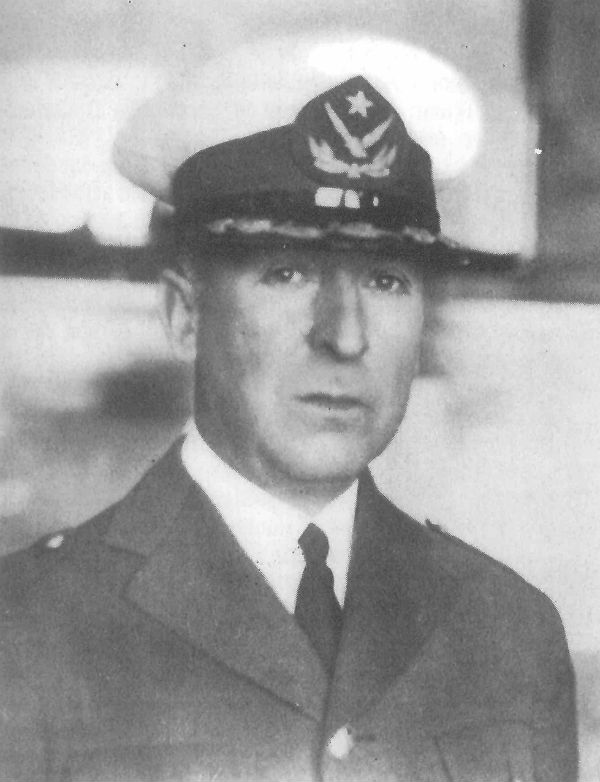
Marmaduke Grove Vallejo (July 6, 1878 – May 15, 1954), was a Chilean Air Force officer, political figure and member of the Government Junta of the Socialist Republic of Chile in 1932.
Grove was born in Copiapó, Chile, the son of lawyer, José Marmaduke Grove Avalos and Ana Vallejo Burgos. His first studies were in School Nº 1 of Copiapó and later at the local Liceum. From a very young age he was interested in the army, and in 1892, was accepted to the Chilean Naval Academy. Very shortly before graduation, he participated in the so-called "Stale-bread rebellion", as a result of which he was expelled from the navy. That incident proved to be his turning point and from then on he declared his motto to be an "undying love for the underdogs and for true justice".
In 1897, Grove was accepted in the Military Academy, from which he graduated as an artillery sub-lieutenant. At the Military Academy, he was a classmate of Carlos Ibáñez del Campo and Arturo Puga, both of whom he remained in contact with for the rest of his long military and political life. In 1906, he was sent to Germany to specialize in artillery, and remained there until 1911. By 1912 he had become a Freemason and the following year he joined the War Academy. Later he was transferred to the Tacna Garrison, where he remained until 1917, during which time he married Rebeca Valenzuela, with whom he had six children.
Grove had a brilliant military career, and from 1920 to 1924 he was Under-Director of the Military Academy. After being promoted to Colonel, he was named Director of the Air Force Academy in 1925.
Grove first involved himself with politics in 1924. On September 3, 1924, he had a notorious participation in the incident known as the "saber rattling", where 56 military officers protested against their low salaries. The next day the officers involved created the "military committee" to defend themselves from the government. He was selected to carry the petitions to the president. These included increase of the military salaries, changes to the income tax, constitutional reforms, and changes to the employment code. He also was in charge of obtaining the support from the navy officers, which he got. He also tried his hand at journalism, and had a column in the newspaper La Nación supporting the committee, under the byline of Ekud.
This incident was a turning point. Even though the petitions were approved, the committee was not dissolved. President Arturo Alessandri, noticing that he had lost control over these officers, resigned and left the country on September 10. This led to the creation of a government junta, sometimes called the September Junta, with the participation of Carlos Ibáñez del Campo.
In 1925, Grove was promoted to colonel and started a long period of travels through Europe, as military attaché. When Carlos Ibáñez del Campo became president, he was confirmed as military attaché in London, as a way to keep him outside the country. While in London, he contacted ex-president Alessandri who was also in exile. Together they started to conspire against Ibáñez. On January 17, 1929, together with the also exiled General Enrique Bravo and major Carlos Millán, they signed the “Calais pact" and swore to bring democracy back to Chile. In November of that year, a meeting of the conspirators was discovered at Dover by the Ibáñez agents, and on November 28 he was sent into retirement from the army and deported to Buenos Aires.
Once in Argentina, Grove immediately started to conspire again. On September 21, 1930, he flew to Chile in a little red plane and landed in Concepción. The plan failed and Grove, together with lieutenant Carlos Charlín Ojeda were arrested and deported to Easter Island. He managed to escape from there on board a French corvette bound for Tahiti, and from there he went to Marseille. Nonetheless he only was able to return to Chile after the fall of Ibáñez on July 26, 1931.
Hub AI
Marmaduke Grove AI simulator
(@Marmaduke Grove_simulator)
Marmaduke Grove
Marmaduke Grove Vallejo (July 6, 1878 – May 15, 1954), was a Chilean Air Force officer, political figure and member of the Government Junta of the Socialist Republic of Chile in 1932.
Grove was born in Copiapó, Chile, the son of lawyer, José Marmaduke Grove Avalos and Ana Vallejo Burgos. His first studies were in School Nº 1 of Copiapó and later at the local Liceum. From a very young age he was interested in the army, and in 1892, was accepted to the Chilean Naval Academy. Very shortly before graduation, he participated in the so-called "Stale-bread rebellion", as a result of which he was expelled from the navy. That incident proved to be his turning point and from then on he declared his motto to be an "undying love for the underdogs and for true justice".
In 1897, Grove was accepted in the Military Academy, from which he graduated as an artillery sub-lieutenant. At the Military Academy, he was a classmate of Carlos Ibáñez del Campo and Arturo Puga, both of whom he remained in contact with for the rest of his long military and political life. In 1906, he was sent to Germany to specialize in artillery, and remained there until 1911. By 1912 he had become a Freemason and the following year he joined the War Academy. Later he was transferred to the Tacna Garrison, where he remained until 1917, during which time he married Rebeca Valenzuela, with whom he had six children.
Grove had a brilliant military career, and from 1920 to 1924 he was Under-Director of the Military Academy. After being promoted to Colonel, he was named Director of the Air Force Academy in 1925.
Grove first involved himself with politics in 1924. On September 3, 1924, he had a notorious participation in the incident known as the "saber rattling", where 56 military officers protested against their low salaries. The next day the officers involved created the "military committee" to defend themselves from the government. He was selected to carry the petitions to the president. These included increase of the military salaries, changes to the income tax, constitutional reforms, and changes to the employment code. He also was in charge of obtaining the support from the navy officers, which he got. He also tried his hand at journalism, and had a column in the newspaper La Nación supporting the committee, under the byline of Ekud.
This incident was a turning point. Even though the petitions were approved, the committee was not dissolved. President Arturo Alessandri, noticing that he had lost control over these officers, resigned and left the country on September 10. This led to the creation of a government junta, sometimes called the September Junta, with the participation of Carlos Ibáñez del Campo.
In 1925, Grove was promoted to colonel and started a long period of travels through Europe, as military attaché. When Carlos Ibáñez del Campo became president, he was confirmed as military attaché in London, as a way to keep him outside the country. While in London, he contacted ex-president Alessandri who was also in exile. Together they started to conspire against Ibáñez. On January 17, 1929, together with the also exiled General Enrique Bravo and major Carlos Millán, they signed the “Calais pact" and swore to bring democracy back to Chile. In November of that year, a meeting of the conspirators was discovered at Dover by the Ibáñez agents, and on November 28 he was sent into retirement from the army and deported to Buenos Aires.
Once in Argentina, Grove immediately started to conspire again. On September 21, 1930, he flew to Chile in a little red plane and landed in Concepción. The plan failed and Grove, together with lieutenant Carlos Charlín Ojeda were arrested and deported to Easter Island. He managed to escape from there on board a French corvette bound for Tahiti, and from there he went to Marseille. Nonetheless he only was able to return to Chile after the fall of Ibáñez on July 26, 1931.