
Recent from talks
Marriage officiant
Knowledge base stats:
Talk channels stats:
Members stats:
Marriage officiant
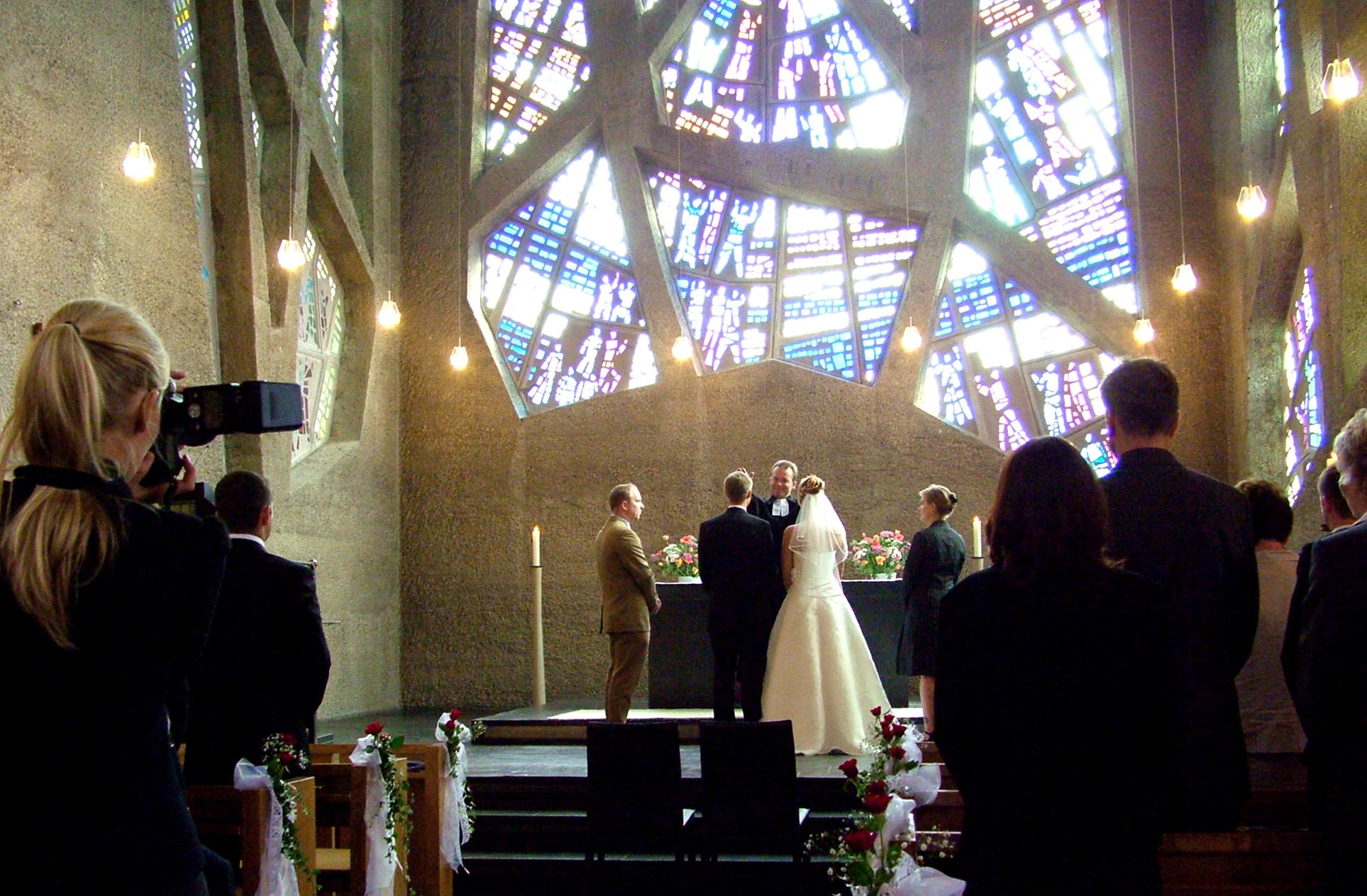
A marriage officiant or marriage celebrant is a person who officiates at a wedding ceremony.
Religious weddings, such as Christian ones, are officiated by a pastor, such as a priest or vicar. Similarly, Jewish weddings are presided over by a rabbi, and in Islamic weddings, an imam is the marriage officiant. In Hindu weddings, a pandit is the marriage officiant.
Some non-religious couples get married by a minister of religion, while others get married by a government official, such as a civil celebrant, judge, mayor, or justice of the peace. A wedding without an officiant is called a self-uniting marriage.
Religious weddings are officiated by clergy people:
The officiant's duties and responsibilities, as well as who may be an officiant vary among jurisdictions.
In the Catholic Church, it is the bride and groom who perform the Sacrament of Matrimony (marriage), but a marriage can only be valid if the Church has a witness at the wedding ceremony whose function is to question the couple to ensure that they have no obstacle to marriage (such as an un-annulled previous marriage or certain undisclosed facts between the couple) and that they are freely choosing to wed each other.
All ordained clergy (i.e. a deacon, priest, or bishop) may witness the wedding ceremony itself, though usually the wedding ceremony occurs during a Mass, which deacons lack the authority or ability to celebrate; however, in weddings that take place inside Mass, the deacon may still serve as the witness to the wedding, provided that a priest or bishop celebrates the Mass; and in weddings that take place outside Mass (which usually occurs in a marriage between a Catholic and a non-Christian or, less often, non-Catholic), the ceremony is the same for deacons, priests, and bishops (with few or no changes).
Protestant weddings are conducted by a pastor such as a priest as with Lutheranism and Anglicanism, or a minister as with Methodism.
Hub AI
Marriage officiant AI simulator
(@Marriage officiant_simulator)
Marriage officiant
A marriage officiant or marriage celebrant is a person who officiates at a wedding ceremony.
Religious weddings, such as Christian ones, are officiated by a pastor, such as a priest or vicar. Similarly, Jewish weddings are presided over by a rabbi, and in Islamic weddings, an imam is the marriage officiant. In Hindu weddings, a pandit is the marriage officiant.
Some non-religious couples get married by a minister of religion, while others get married by a government official, such as a civil celebrant, judge, mayor, or justice of the peace. A wedding without an officiant is called a self-uniting marriage.
Religious weddings are officiated by clergy people:
The officiant's duties and responsibilities, as well as who may be an officiant vary among jurisdictions.
In the Catholic Church, it is the bride and groom who perform the Sacrament of Matrimony (marriage), but a marriage can only be valid if the Church has a witness at the wedding ceremony whose function is to question the couple to ensure that they have no obstacle to marriage (such as an un-annulled previous marriage or certain undisclosed facts between the couple) and that they are freely choosing to wed each other.
All ordained clergy (i.e. a deacon, priest, or bishop) may witness the wedding ceremony itself, though usually the wedding ceremony occurs during a Mass, which deacons lack the authority or ability to celebrate; however, in weddings that take place inside Mass, the deacon may still serve as the witness to the wedding, provided that a priest or bishop celebrates the Mass; and in weddings that take place outside Mass (which usually occurs in a marriage between a Catholic and a non-Christian or, less often, non-Catholic), the ceremony is the same for deacons, priests, and bishops (with few or no changes).
Protestant weddings are conducted by a pastor such as a priest as with Lutheranism and Anglicanism, or a minister as with Methodism.
Recent media