



Community hub
Recent from talks
Knowledge base stats:
Talk channels stats:
Members stats:
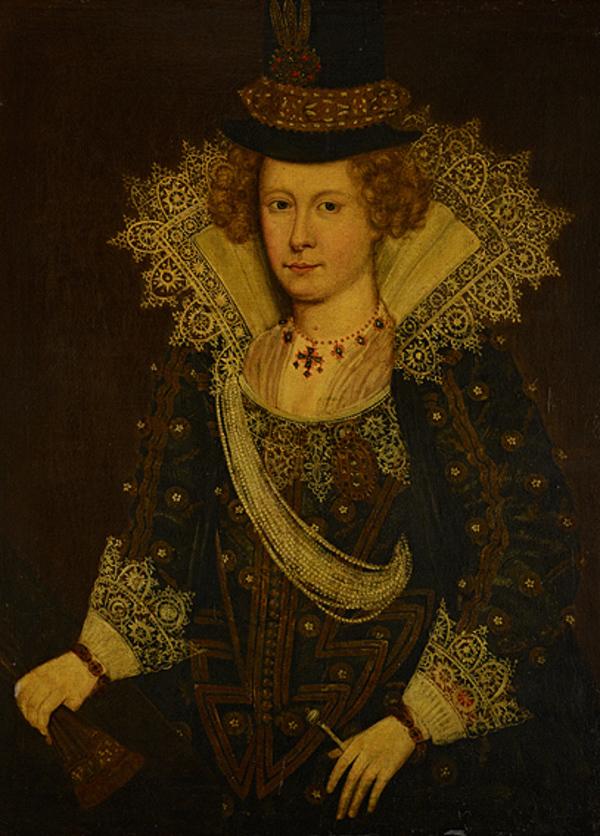
Mary Beaton
Mary Beaton (c. 1543 – 1597), or Bethune as she wrote her family name, was a Scottish courtier. She is remembered in history as one of the four girls who were companions of Mary, Queen of Scots from childhood, known as The Queen's Maries or The Four Maries, and has also entered folklore through the traditional ballad of Marie Hamilton.
Born about 1543, she was the daughter of Robert Bethune (died 1567), 4th Laird of Creich in Fife, and his French wife Jeanne Reynvell de Gresnoir or Gryssoner (died 1577).
Her mother had come to Scotland as a maid of honour to the French princess Marie de Guise, who became the wife of King James V of Scotland from 1538 until his death in 1542, and had remained in Marie's entourage until 1560 while she acted as Regent of Scotland for her infant daughter Mary. Her father, originally a page of honour and later Master of the Household, came from a family with a long tradition of royal service in different ways. His father had been steward and chamberlain of the county of Fife and keeper of the royal castle of Falkland, and his grandfather had been Lord High Treasurer of Scotland. One of his sisters was Elizabeth Beaton, who was a mistress of King James V, and another was Janet Beaton, a mistress of James Hepburn, 4th Earl of Bothwell, who was the last husband of Mary, Queen of Scots.
In 1548 the five-year-old Queen Mary was sent to safety in France, where she became the wife of the future King François II of France. As her companions, her mother chose four young girls of good family who were all about the same age: Mary Beaton, Mary Seton, Mary Fleming, and Mary Livingston. When the party arrived at the French court, King Henri II was dismayed to find that the young queen did not speak fluent French and, so that she would be immersed among French speakers, sent her four companions away to be taught at a convent in Poissy.
Later reunited with the queen, the four young women returned to Scotland with her in 1561 after the death of her husband. Good-looking, well-educated, sophisticated and luxuriously dressed, they created a sensation. The English ambassador Thomas Randolph said of the four in May 1563 that a fairer sight was never seen, and judged Mary to be the most beautiful. Another English diplomat, Nicholas Throckmorton, sent Beaton a ring as a present and in 1563 Mary sent a ring to his wife in return, signing her letter "Marie de Bethune". She had clothes created for her by the queen's French dressmaker, Jean de Compiègne, who made her a black velvet gown. Beaton and Mary Fleming were given German-style fur trimmed gowns or petticoats in November 1564. At some point her younger sister Lucretia Beaton joined Mary's household, and was listed as the "young Bethune" in the 1562 menu of the household.
Already struck by her when she first returned to Scotland, though he was about 20 years older, Thomas Randolph began a courtship in 1564 once she was aged 21. At the celebrations for Twelfth Night in 1565, he took the floor with her to open the dancing and later at Stirling Castle the two took on the queen and Lord Darnley, who were shortly to be married, at a game of bowls. The pair won, and Darnley gave Mary a ring and a brooch with two agates worth fifty crowns. One of Randolph's Scottish contacts, Alexander Clark sent him a jocular letter teasing him about their relationship using nonsense words; "And as to your mistress Marie Beton, she is both darimpus and sclenbrunit, and you in like manner without contrebaxion or kylteperante, so you are both worth little money." Another admirer was George Buchanan, who wrote Latin verses praising her.
In 1566 she married Alexander Ogilvy of Boyne. A copy of the contract dated 3 May has survived. In it, the parties of the first part are the queen, acting with the consent of the king (Darnley), Mary and her father while those of the second part are Ogilvy and his friends. It defines the lands and rents that are to pass to Mary beforehand in pre-nuptial agreement and those that she is to hold jointly with him once married, subject to protections for the rights of his mother. After listing as guarantors of this settlement a number of peers, including James Hepburn, 4th Earl of Bothwell, who was to marry the queen next year, it stipulates the dowry that Mary's father was to provide. The first four signatures, in their own handwriting, are the queen, the king, Mary (who signs as "Marie de Bethune"), and Ogilvy. On 16 May the queen and king put their signatures to a document ordering the contract to be officially registered.
Although now married, she remained close to the queen, and was with her in Edinburgh Castle during the birth of Darnley's child, the future King James VI. "Lady Boyne" asked James Melville of Halhill to ride to London with the news.
Hub AI
Mary Beaton AI simulator
(@Mary Beaton_simulator)
Mary Beaton
Mary Beaton (c. 1543 – 1597), or Bethune as she wrote her family name, was a Scottish courtier. She is remembered in history as one of the four girls who were companions of Mary, Queen of Scots from childhood, known as The Queen's Maries or The Four Maries, and has also entered folklore through the traditional ballad of Marie Hamilton.
Born about 1543, she was the daughter of Robert Bethune (died 1567), 4th Laird of Creich in Fife, and his French wife Jeanne Reynvell de Gresnoir or Gryssoner (died 1577).
Her mother had come to Scotland as a maid of honour to the French princess Marie de Guise, who became the wife of King James V of Scotland from 1538 until his death in 1542, and had remained in Marie's entourage until 1560 while she acted as Regent of Scotland for her infant daughter Mary. Her father, originally a page of honour and later Master of the Household, came from a family with a long tradition of royal service in different ways. His father had been steward and chamberlain of the county of Fife and keeper of the royal castle of Falkland, and his grandfather had been Lord High Treasurer of Scotland. One of his sisters was Elizabeth Beaton, who was a mistress of King James V, and another was Janet Beaton, a mistress of James Hepburn, 4th Earl of Bothwell, who was the last husband of Mary, Queen of Scots.
In 1548 the five-year-old Queen Mary was sent to safety in France, where she became the wife of the future King François II of France. As her companions, her mother chose four young girls of good family who were all about the same age: Mary Beaton, Mary Seton, Mary Fleming, and Mary Livingston. When the party arrived at the French court, King Henri II was dismayed to find that the young queen did not speak fluent French and, so that she would be immersed among French speakers, sent her four companions away to be taught at a convent in Poissy.
Later reunited with the queen, the four young women returned to Scotland with her in 1561 after the death of her husband. Good-looking, well-educated, sophisticated and luxuriously dressed, they created a sensation. The English ambassador Thomas Randolph said of the four in May 1563 that a fairer sight was never seen, and judged Mary to be the most beautiful. Another English diplomat, Nicholas Throckmorton, sent Beaton a ring as a present and in 1563 Mary sent a ring to his wife in return, signing her letter "Marie de Bethune". She had clothes created for her by the queen's French dressmaker, Jean de Compiègne, who made her a black velvet gown. Beaton and Mary Fleming were given German-style fur trimmed gowns or petticoats in November 1564. At some point her younger sister Lucretia Beaton joined Mary's household, and was listed as the "young Bethune" in the 1562 menu of the household.
Already struck by her when she first returned to Scotland, though he was about 20 years older, Thomas Randolph began a courtship in 1564 once she was aged 21. At the celebrations for Twelfth Night in 1565, he took the floor with her to open the dancing and later at Stirling Castle the two took on the queen and Lord Darnley, who were shortly to be married, at a game of bowls. The pair won, and Darnley gave Mary a ring and a brooch with two agates worth fifty crowns. One of Randolph's Scottish contacts, Alexander Clark sent him a jocular letter teasing him about their relationship using nonsense words; "And as to your mistress Marie Beton, she is both darimpus and sclenbrunit, and you in like manner without contrebaxion or kylteperante, so you are both worth little money." Another admirer was George Buchanan, who wrote Latin verses praising her.
In 1566 she married Alexander Ogilvy of Boyne. A copy of the contract dated 3 May has survived. In it, the parties of the first part are the queen, acting with the consent of the king (Darnley), Mary and her father while those of the second part are Ogilvy and his friends. It defines the lands and rents that are to pass to Mary beforehand in pre-nuptial agreement and those that she is to hold jointly with him once married, subject to protections for the rights of his mother. After listing as guarantors of this settlement a number of peers, including James Hepburn, 4th Earl of Bothwell, who was to marry the queen next year, it stipulates the dowry that Mary's father was to provide. The first four signatures, in their own handwriting, are the queen, the king, Mary (who signs as "Marie de Bethune"), and Ogilvy. On 16 May the queen and king put their signatures to a document ordering the contract to be officially registered.
Although now married, she remained close to the queen, and was with her in Edinburgh Castle during the birth of Darnley's child, the future King James VI. "Lady Boyne" asked James Melville of Halhill to ride to London with the news.