



Community hub
Recent from talks
Knowledge base stats:
Talk channels stats:
Members stats:
Masopha
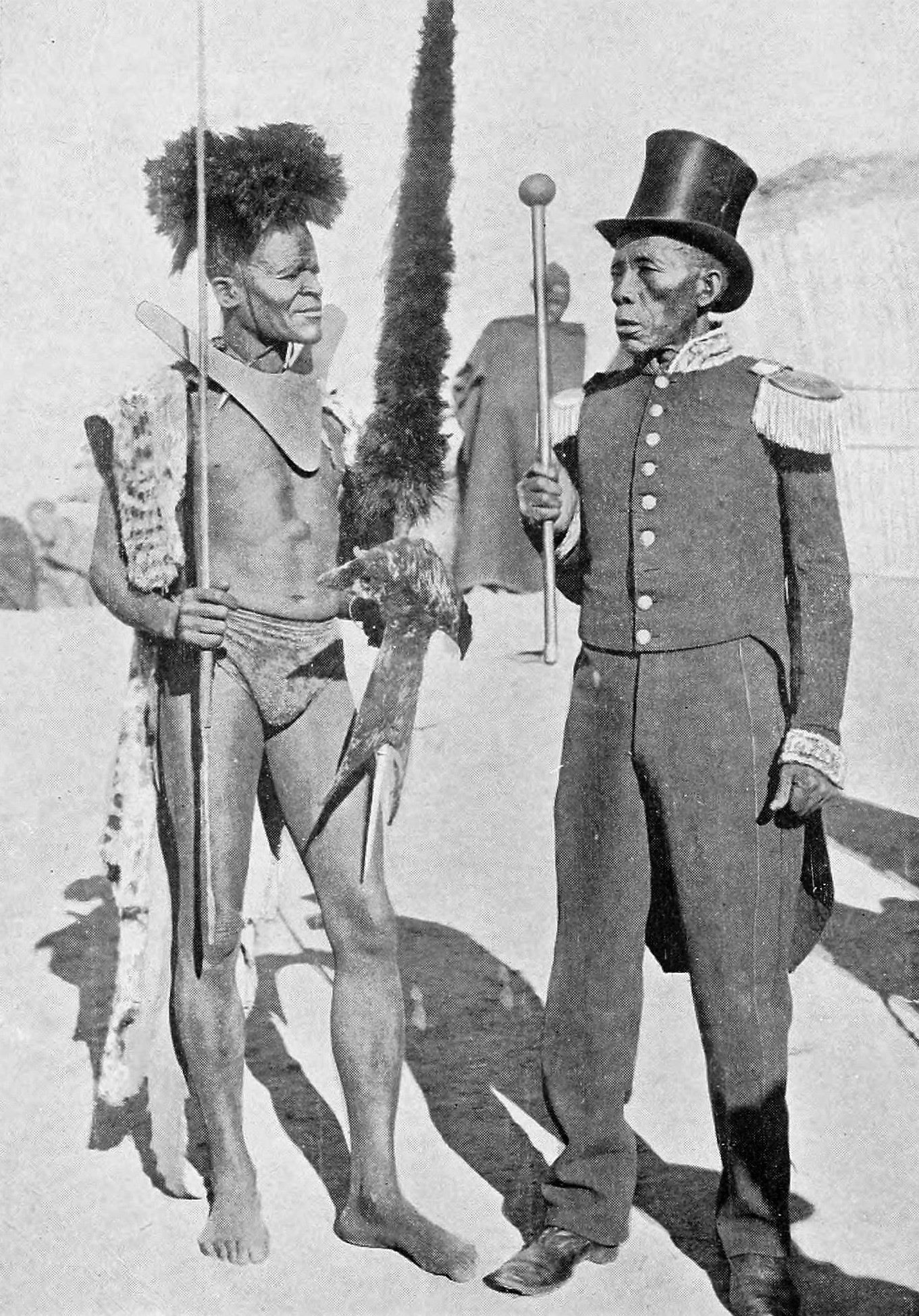
Masopha (c. 1820 – July 1898) was a Basuto chief. He was the third son of Basuto paramount chief Moshoeshoe I. During his youth he fought in numerous conflicts against neighboring tribes and European colonists. According to Basuto praise-poems he was known for his bravery. Following the incorporation of Basutoland into the Cape Colony, Masopha resisted the imposition of colonial rule and emerged as one of the most powerful Basuto chiefs.
In 1880, he became one of the leaders of Basuto resistance to the Cape in the Basuto Gun War. The war resulted in a peace treaty favoring the Basuto. Following the end of the war he came into conflict with his nephew and heir apparent Lerotholi. The two clashed in a brief civil war in January 1898. Masopha was defeated in July 1898, losing his title of district chief. The Basuto continue to honor Masopha during their initiation rituals.
Masopha Moshoeshoe (also spelled Masuphag or Masopa) was born c. 1820. He was the third son of the paramount chief of the Basuto people Moshoeshoe I and his senior wife 'MaMohato. It was said that he resembled his father the most in appearance. During the early 19th century, southern Africa faced a period of significant political instability known as Lifaqane. Moshoeshoe had united various Sotho speaking chieftainships into the Basuto nation, settling in the Caledon River region. In 1833, missionaries from the Paris Evangelical Missionary Society (PEMS) began setting their outposts in Basuto lands following Moshoeshoe's invitation.
Masopha began studying under the tutelage of the missionaries and was baptized in 1841, taking the name David. In 1845, he departed for Cape Town with his brothers Letsie and Morapo to further his education. Masopha spent one year in Cape Town, studying English under reverend Thomas Arbousset and familiarizing himself with white society. Either in 1845 or 1848, Masopha abandoned Christianity over PEMS's opposition towards the war between the Basuto and the Batlokoa. Throughout his life he maintained good relations with the missionaries, but continued to practice several Basuto customs that they disapproved of. After the death of his younger brother Majara in 1859, he took Majara's wives into leviratic marriage. By the 1870s Masopha had approximately 50 wives, akin to other major chiefs of the period. Masopha had multiple children from his marriages. In 1886, Masopha's eldest son Lepogo died from alcoholism. Like most other Basuto chiefs, Masopha was also reported to drink heavily.
Since the 1820s, the Basuto frequently engaged in warfare with neighboring tribes and European settlements, which took the form of cattle raids and the occasional burning of villages. To that end Moshoeshoe had accumulated more horses and guns than any other chieftain in South Africa. Masopha distinguished himself as a warrior and was considered the most courageous of Moshoeshoe's sons. In 1852, Masopha took part in the Battle of Berea where the Basuto fought against a British punitive expedition. Masopha also participated in raids against white settlers in Bloemfontein. In 1853, Masopha participated in a campaign against Batlakoa chief Kgosi Sekonyela, successfully storming his stronghold Marabeng. In 1855, he established a village known as Masopha's Mile located 1 mile (1.6 km) from the Thupa Kubu stream on the Berea plateau. There he amassed a considerable following.
In 1858, war broke out between the Basuto and the Boer Orange Free State. On 12 April 1858, Masopha and other chiefs held the Boers at bay on the Caledon River. Masopha led part of the Basuto army and participated in the peace negotiations that followed. In 1865, hostilities between the two sides resumed, and Masopha captured numerous heads of cattle from the Boers and their allies. His regiments raided the Griqua village of Platberg, killing all the men and enslaving all the women. Masopha's troops were heavily defeated by the Boers while trying to defend Masopha's Mile, forcing him to abandon it. He later joined the defense of the Thaba Bosiu stronghold, acting as Moshoeshoe's main military advisor. By 1866, the tide of war had turned against the Basuto. Fearing that the Basuto were facing annihilation, Moshoeshoe, his sons and local missionaries began appealing to British High Commissioner for Southern Africa Sir Philip Wodehouse and the Colony of Natal for protection. Judging the expansion of the Free State to be contrary to British geopolitical interests, Wodehouse proclaimed Basutoland to be a royal dominion on 12 March 1868.
Following Moshoeshoe's death in 1870, he was succeeded by Letsie I. It is believed that Masopha was planning to establish an independent kingdom upon his father's death but was prevented from doing so due to the British annexation. Masopha remained insubordinate to colonial rule by failing to enforce colonial legislation and resisting taxation. The Basuto gradually became more apprehensive towards the colonial authorities due to the erosion of traditional chiefly authority. In 1879, the Cape Colony prime minister Sir Gordon Sprigg decided to extend the Peace Preservation Act to Basutoland. Under its terms the colony would confiscate the firearms of Basutoland's African population in exchange for monetary compensation. The majority of the Basuto saw the law as unacceptable due to the gun's high symbolic and monetary value in local society.
The Cape authorities struggled to enforce the disarmament law. During a pitso (formal assembly) convened on 3 July 1879, Masopha and his nephew chief Joel Molapo called for armed resistance against the law's implementation. Masopha began to fortify Thaba Bosiu, while the supporters of the rebel chiefs began ignoring orders from the local magistrates. Anarchy broke out, as rebels began attacking loyalists who had surrendered their weapons and seized loyalist property. Sprigg pressured Letsie I into arresting Masopha. Letsie I believed that most of his nation had rallied behind Masopha and this was therefore unfeasible. Despite Letsie's calls for deescalation, Masopha and the heir apparent Lerotholi began to prepare for war.
Hub AI
Masopha AI simulator
(@Masopha_simulator)
Masopha
Masopha (c. 1820 – July 1898) was a Basuto chief. He was the third son of Basuto paramount chief Moshoeshoe I. During his youth he fought in numerous conflicts against neighboring tribes and European colonists. According to Basuto praise-poems he was known for his bravery. Following the incorporation of Basutoland into the Cape Colony, Masopha resisted the imposition of colonial rule and emerged as one of the most powerful Basuto chiefs.
In 1880, he became one of the leaders of Basuto resistance to the Cape in the Basuto Gun War. The war resulted in a peace treaty favoring the Basuto. Following the end of the war he came into conflict with his nephew and heir apparent Lerotholi. The two clashed in a brief civil war in January 1898. Masopha was defeated in July 1898, losing his title of district chief. The Basuto continue to honor Masopha during their initiation rituals.
Masopha Moshoeshoe (also spelled Masuphag or Masopa) was born c. 1820. He was the third son of the paramount chief of the Basuto people Moshoeshoe I and his senior wife 'MaMohato. It was said that he resembled his father the most in appearance. During the early 19th century, southern Africa faced a period of significant political instability known as Lifaqane. Moshoeshoe had united various Sotho speaking chieftainships into the Basuto nation, settling in the Caledon River region. In 1833, missionaries from the Paris Evangelical Missionary Society (PEMS) began setting their outposts in Basuto lands following Moshoeshoe's invitation.
Masopha began studying under the tutelage of the missionaries and was baptized in 1841, taking the name David. In 1845, he departed for Cape Town with his brothers Letsie and Morapo to further his education. Masopha spent one year in Cape Town, studying English under reverend Thomas Arbousset and familiarizing himself with white society. Either in 1845 or 1848, Masopha abandoned Christianity over PEMS's opposition towards the war between the Basuto and the Batlokoa. Throughout his life he maintained good relations with the missionaries, but continued to practice several Basuto customs that they disapproved of. After the death of his younger brother Majara in 1859, he took Majara's wives into leviratic marriage. By the 1870s Masopha had approximately 50 wives, akin to other major chiefs of the period. Masopha had multiple children from his marriages. In 1886, Masopha's eldest son Lepogo died from alcoholism. Like most other Basuto chiefs, Masopha was also reported to drink heavily.
Since the 1820s, the Basuto frequently engaged in warfare with neighboring tribes and European settlements, which took the form of cattle raids and the occasional burning of villages. To that end Moshoeshoe had accumulated more horses and guns than any other chieftain in South Africa. Masopha distinguished himself as a warrior and was considered the most courageous of Moshoeshoe's sons. In 1852, Masopha took part in the Battle of Berea where the Basuto fought against a British punitive expedition. Masopha also participated in raids against white settlers in Bloemfontein. In 1853, Masopha participated in a campaign against Batlakoa chief Kgosi Sekonyela, successfully storming his stronghold Marabeng. In 1855, he established a village known as Masopha's Mile located 1 mile (1.6 km) from the Thupa Kubu stream on the Berea plateau. There he amassed a considerable following.
In 1858, war broke out between the Basuto and the Boer Orange Free State. On 12 April 1858, Masopha and other chiefs held the Boers at bay on the Caledon River. Masopha led part of the Basuto army and participated in the peace negotiations that followed. In 1865, hostilities between the two sides resumed, and Masopha captured numerous heads of cattle from the Boers and their allies. His regiments raided the Griqua village of Platberg, killing all the men and enslaving all the women. Masopha's troops were heavily defeated by the Boers while trying to defend Masopha's Mile, forcing him to abandon it. He later joined the defense of the Thaba Bosiu stronghold, acting as Moshoeshoe's main military advisor. By 1866, the tide of war had turned against the Basuto. Fearing that the Basuto were facing annihilation, Moshoeshoe, his sons and local missionaries began appealing to British High Commissioner for Southern Africa Sir Philip Wodehouse and the Colony of Natal for protection. Judging the expansion of the Free State to be contrary to British geopolitical interests, Wodehouse proclaimed Basutoland to be a royal dominion on 12 March 1868.
Following Moshoeshoe's death in 1870, he was succeeded by Letsie I. It is believed that Masopha was planning to establish an independent kingdom upon his father's death but was prevented from doing so due to the British annexation. Masopha remained insubordinate to colonial rule by failing to enforce colonial legislation and resisting taxation. The Basuto gradually became more apprehensive towards the colonial authorities due to the erosion of traditional chiefly authority. In 1879, the Cape Colony prime minister Sir Gordon Sprigg decided to extend the Peace Preservation Act to Basutoland. Under its terms the colony would confiscate the firearms of Basutoland's African population in exchange for monetary compensation. The majority of the Basuto saw the law as unacceptable due to the gun's high symbolic and monetary value in local society.
The Cape authorities struggled to enforce the disarmament law. During a pitso (formal assembly) convened on 3 July 1879, Masopha and his nephew chief Joel Molapo called for armed resistance against the law's implementation. Masopha began to fortify Thaba Bosiu, while the supporters of the rebel chiefs began ignoring orders from the local magistrates. Anarchy broke out, as rebels began attacking loyalists who had surrendered their weapons and seized loyalist property. Sprigg pressured Letsie I into arresting Masopha. Letsie I believed that most of his nation had rallied behind Masopha and this was therefore unfeasible. Despite Letsie's calls for deescalation, Masopha and the heir apparent Lerotholi began to prepare for war.