
Recent from talks
Matt Monro
Knowledge base stats:
Talk channels stats:
Members stats:
Matt Monro
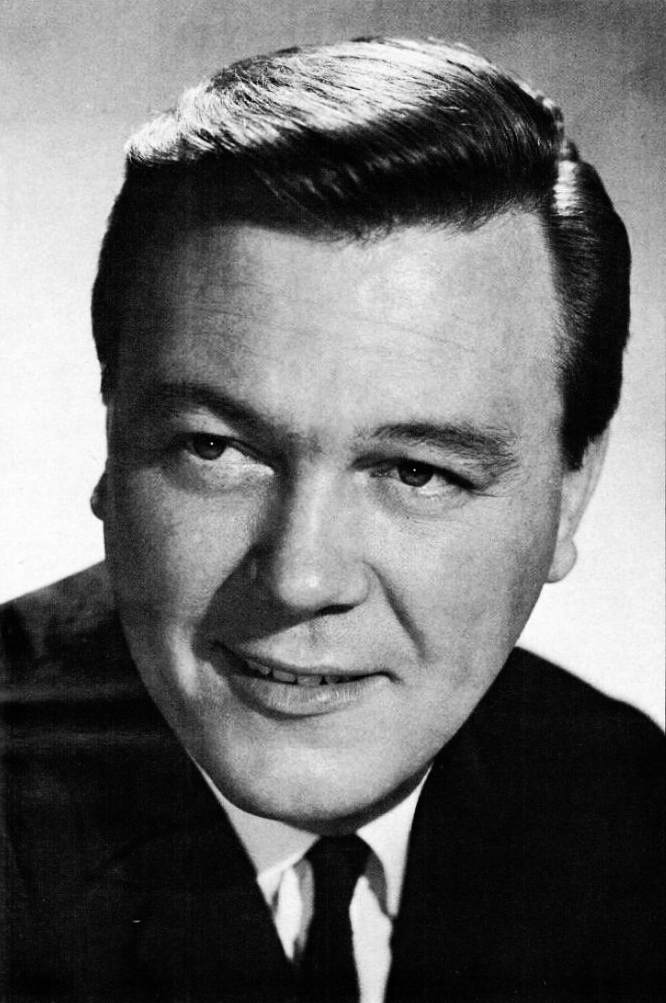
Matt Monro (born Terence Edward Parsons; 1 December 1930 – 7 February 1985) was an English singer. Known as "The Man with the Golden Voice" and the "British Sinatra," he performed internationally during his 30-year career and sold a reported 23 million records. AllMusic has described Monro as "one of the most underrated pop vocalists of the '60s", who "possessed the easiest, most perfect baritone in the business". Frank Sinatra said of Monro after his death: "If I had to choose three of the finest male vocalists in the singing business, Matt would be one of them. His pitch was right on the nose; his word enunciations letter perfect; his understanding of a song thorough."
Monro's recordings include the UK top 10 hits "Portrait of My Love", "My Kind of Girl", "Softly As I Leave You", "Walk Away", and a cover of the Beatles' "Yesterday". He also recorded several film themes such as "From Russia with Love" for the eponymous James Bond film, "Born Free" for the eponymous film, and "On Days Like These" for The Italian Job.
Monro was born Terence Edward Parsons on 1 December 1930 in Finsbury, northeast of the City of London, to Frederick and Alice Parsons. He had three brothers — Arthur, Reg and Harry — and a sister, Alice. He attended Duncombe School in Islington and Elliott School, Putney.
Monro had a difficult childhood. His father died when he was three, and after his mother became ill, he was fostered out for two years. Leaving school at 14, he tried a succession of jobs without remaining in any of them for very long, before National Service beckoned in 1948. Monro became a tank driving instructor in the British armed forces and was posted to Hong Kong. He had sung in public from an early age, for example at the Tufnell Park Palais, and in Hong Kong he took to entering local talent contests, winning several. In fact, he became a regular guest (and frequent winner) of Radio Rediffusion's Talent Time show in Hong Kong. He was invited by then-host Ray Cordeiro to perform in his own one-off show entitled Terry Parsons Sings, on the condition that he would bow out of future Talent Time episodes to make way for others. Agreeing to the deal, he performed his first on-air concert for Rediffusion on 27 June 1953.
Following his discharge from the Army after five years, he returned to London, to try to make a career out of singing. Initially he had little success and was obliged to take on a number of different jobs to supplement his meagre income from the occasional singing engagement. He also hung around the music publishers offices in Denmark Street and occasionally made demos of new songs for their ever-optimistic song-pluggers. Eventually, he became a bus driver for London Transport, driving Route 27 from Holloway (Garage code J) Bus Garage (now demolished: the present Holloway Garage (HT) is the former Holloway Trolleybus Depot).
In 1956, he made a demo record, "Polka Dots and Moonbeams" which was heard by pianist Winifred Atwell, who was an important influence on his early career. She recommended him to her own recording company, Decca Records, who signed him. She became his mentor, providing him with his stage name, Matt Monro. Matt came from Matt White, a journalist friend; and Monro was Atwell's father's Christian name. His first record which was released in November 1956, was "Ev'rybody Falls in Love with Someone", a song which had just won the BBC Festival of Popular Songs. Monro gained some radio exposure on Radio Luxembourg and, starting on 2 January 1957, became a featured vocalist with the BBC TV Show Band Parade show presented by Cyril Stapleton which ran until 28 June 1957. He also got a television spot on The Winifred Atwell Show in 1956.
In 1957, Monro released Blue and Sentimental, an album of standards. Despite the album's favourable reception, Monro languished among the young male singers trying to break through at the end of the 1950s, many of them emulating Frankie Vaughan by recording cover versions of American hits. Monro even recorded a version of Vaughan's "Garden of Eden" during this period. A short recording contract with Fontana Records followed.
By the end of the 1950s, Monro's mid-decade profile had declined, and he returned to relative obscurity. He and his wife, Mickie, lived from her wages as a song plugger and his royalties from a TV advertising jingle for Camay soap. In 1959, he recorded a country pastiche song, "Bound for Texas", for The Chaplin Revue, a feature-length compilation of Charlie Chaplin shorts. It would be the first of many Monro soundtrack themes.
Hub AI
Matt Monro AI simulator
(@Matt Monro_simulator)
Matt Monro
Matt Monro (born Terence Edward Parsons; 1 December 1930 – 7 February 1985) was an English singer. Known as "The Man with the Golden Voice" and the "British Sinatra," he performed internationally during his 30-year career and sold a reported 23 million records. AllMusic has described Monro as "one of the most underrated pop vocalists of the '60s", who "possessed the easiest, most perfect baritone in the business". Frank Sinatra said of Monro after his death: "If I had to choose three of the finest male vocalists in the singing business, Matt would be one of them. His pitch was right on the nose; his word enunciations letter perfect; his understanding of a song thorough."
Monro's recordings include the UK top 10 hits "Portrait of My Love", "My Kind of Girl", "Softly As I Leave You", "Walk Away", and a cover of the Beatles' "Yesterday". He also recorded several film themes such as "From Russia with Love" for the eponymous James Bond film, "Born Free" for the eponymous film, and "On Days Like These" for The Italian Job.
Monro was born Terence Edward Parsons on 1 December 1930 in Finsbury, northeast of the City of London, to Frederick and Alice Parsons. He had three brothers — Arthur, Reg and Harry — and a sister, Alice. He attended Duncombe School in Islington and Elliott School, Putney.
Monro had a difficult childhood. His father died when he was three, and after his mother became ill, he was fostered out for two years. Leaving school at 14, he tried a succession of jobs without remaining in any of them for very long, before National Service beckoned in 1948. Monro became a tank driving instructor in the British armed forces and was posted to Hong Kong. He had sung in public from an early age, for example at the Tufnell Park Palais, and in Hong Kong he took to entering local talent contests, winning several. In fact, he became a regular guest (and frequent winner) of Radio Rediffusion's Talent Time show in Hong Kong. He was invited by then-host Ray Cordeiro to perform in his own one-off show entitled Terry Parsons Sings, on the condition that he would bow out of future Talent Time episodes to make way for others. Agreeing to the deal, he performed his first on-air concert for Rediffusion on 27 June 1953.
Following his discharge from the Army after five years, he returned to London, to try to make a career out of singing. Initially he had little success and was obliged to take on a number of different jobs to supplement his meagre income from the occasional singing engagement. He also hung around the music publishers offices in Denmark Street and occasionally made demos of new songs for their ever-optimistic song-pluggers. Eventually, he became a bus driver for London Transport, driving Route 27 from Holloway (Garage code J) Bus Garage (now demolished: the present Holloway Garage (HT) is the former Holloway Trolleybus Depot).
In 1956, he made a demo record, "Polka Dots and Moonbeams" which was heard by pianist Winifred Atwell, who was an important influence on his early career. She recommended him to her own recording company, Decca Records, who signed him. She became his mentor, providing him with his stage name, Matt Monro. Matt came from Matt White, a journalist friend; and Monro was Atwell's father's Christian name. His first record which was released in November 1956, was "Ev'rybody Falls in Love with Someone", a song which had just won the BBC Festival of Popular Songs. Monro gained some radio exposure on Radio Luxembourg and, starting on 2 January 1957, became a featured vocalist with the BBC TV Show Band Parade show presented by Cyril Stapleton which ran until 28 June 1957. He also got a television spot on The Winifred Atwell Show in 1956.
In 1957, Monro released Blue and Sentimental, an album of standards. Despite the album's favourable reception, Monro languished among the young male singers trying to break through at the end of the 1950s, many of them emulating Frankie Vaughan by recording cover versions of American hits. Monro even recorded a version of Vaughan's "Garden of Eden" during this period. A short recording contract with Fontana Records followed.
By the end of the 1950s, Monro's mid-decade profile had declined, and he returned to relative obscurity. He and his wife, Mickie, lived from her wages as a song plugger and his royalties from a TV advertising jingle for Camay soap. In 1959, he recorded a country pastiche song, "Bound for Texas", for The Chaplin Revue, a feature-length compilation of Charlie Chaplin shorts. It would be the first of many Monro soundtrack themes.
Recent media