



Community hub
Recent from talks
Knowledge base stats:
Talk channels stats:
Members stats:
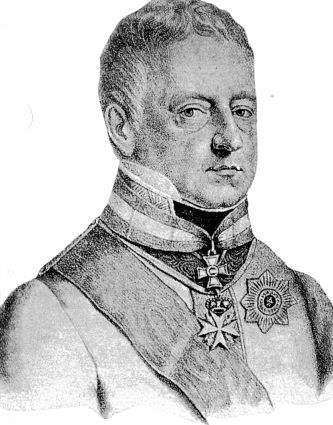
Michael von Kienmayer
Michael von Kienmayer (17 January 1756 – 28 October 1828) was an Austrian general. Kienmayer joined the army of the Habsburg monarchy and fought against the Kingdom of Prussia and Ottoman Turkey. During the French Revolutionary Wars, he continued to make his reputation in the cavalry and became a general officer. In the War of the Second Coalition and the Napoleonic Wars he commanded both divisions and corps. He was appointed Proprietor (Inhaber) of an Austrian cavalry regiment in 1802 and held this honor until his death. Later he was the governor of Galicia, Transylvania, and Moravia.
Kienmayer began his military career in 1774 as a cadet in the imperial Austrian Puebla de Portugalo Infantry Regiment # 26. In 1775 he was promoted second lieutenant in the Jung-Modena Dragoon Regiment # 8. As a member of the Barco Hussar Regiment # 35, he participated in the War of the Bavarian Succession in 1778.
During the Austro-Turkish War, Kienmayer excelled in a skirmish against a force of Turks that attacked the Austrian outposts in April 1788. Later that year, he served under Prince Josias of Saxe-Coburg-Saalfeld in the siege of Khotyn Fortress and was promoted major in November. He fought in the Battle of Focșani on 21 July 1789 and received a promotion to Oberst-Leutnant in recognition of a successful raid carried out afterward. After the Battle of Rymnik in September, Coburg sent Kienmayer to carry the victory dispatch to Emperor Joseph II. He quickly returned to the front and executed another successful cavalry raid in November, capturing a senior Turkish officer. Promoted to Oberst (colonel), he assumed command of the Levenehr Dragoon Regiment # 19. He was also awarded the Military Order of Maria Theresa, Austria's highest honor for valor, on 21 December 1789 for bravery in the face of the enemy.
Reassigned to the Barco Hussars, Kienmayer led the regiment in the Flanders Campaign in the War of the First Coalition beginning in April 1792. He fought under Franz Kaunitz-Rietberg in the Battle of Rouvroy on 13 May 1794. The Austrians turned back Louis Charbonnier's attempt to advance north of the Sambre River. During the action, Kienmayer led his hussars in a charge that rode down a column of 6,000 Frenchmen. He was promoted General-Major on 11 June for outstanding achievement.
At the beginning of summer campaign of 1796 in southern Germany, Kienmayer led a brigade in the Army of the Lower Rhine under first Archduke Charles and later Wilhelm von Wartensleben. Jean-Baptiste Jourdan's Army of Sambre-et-Meuse surprised his force of 4,500 soldiers at Giessen on 8 July. The French hustled his troops out of the town, but his losses were light. He fought in Pál Kray's division at Sulzbach-Rosenberg on 17 August. This action came shortly before the Battle of Amberg when Archduke Charles re-assumed command of the army. He led an infantry-cavalry brigade in Friedrich von Hotze's division at the Battle of Würzburg on 3 September. The following day he led a brilliant cavalry raid, capturing a large supply depot at Wertheim am Main and a small flotilla of munitions boats.
At the start of the War of the Second Coalition, Kienmayer fought at the Battle of Ostrach on 20–21 March 1799. Four days later, he led his cavalry brigade in Friedrich Nauendorf's division at the First Battle of Stockach. On 24 May, he defended Andelfingen, Switzerland, where he held off a much superior force under Michel Ney for many hours and escaped with his soldiers. For this exploit, he became a Feldmarschal-Leutnant on 6 March 1800. He fought in a clash at Bühl in April and at the Battle of Biberach on 9 May.
After the summer truce, Kienmayer was appointed to command the Right column of Archduke John's army. His 16,000-strong corps included the divisions of Archduke Ferdinand and Prince Karl Schwarzenberg. His column formed the northern wing of an attempted thrust at Jean Moreau's left flank. Events compelled Archduke John to convert the plan into a direct advance on Munich.
At the Battle of Hohenlinden on 3 December 1800, Kienmayer's corps formed the Austrian right flank. His troops drove in the French outposts and soon found themselves grappling with Paul Grenier's three divisions. His troops, particularly those led by Schwarzenberg, pushed forward aggressively. However, the leader of the Right-Center column, Ludwig Baillet de Latour, only gave weak support to Kienmayer's wing. Meanwhile, Moreau's generals pulled off an envelopment of Johann Kollowrat's Left-Center column. After Kollowrat's luckless corps was crushed, Moreau turned on the Austrian Right column, which still battled valiantly in the northern sector. Kienmayer gave orders to retreat, and he and his generals brought their troops off intact, though Archduke Ferdinand lost 500 prisoners. During the chaotic retreat after Hohenlinden, Antoine Richepanse mauled Kienmayer's rear guard at Frankenmarkt on 17 December, inflicting 2,650 casualties on the Austrians.
Hub AI
Michael von Kienmayer AI simulator
(@Michael von Kienmayer_simulator)
Michael von Kienmayer
Michael von Kienmayer (17 January 1756 – 28 October 1828) was an Austrian general. Kienmayer joined the army of the Habsburg monarchy and fought against the Kingdom of Prussia and Ottoman Turkey. During the French Revolutionary Wars, he continued to make his reputation in the cavalry and became a general officer. In the War of the Second Coalition and the Napoleonic Wars he commanded both divisions and corps. He was appointed Proprietor (Inhaber) of an Austrian cavalry regiment in 1802 and held this honor until his death. Later he was the governor of Galicia, Transylvania, and Moravia.
Kienmayer began his military career in 1774 as a cadet in the imperial Austrian Puebla de Portugalo Infantry Regiment # 26. In 1775 he was promoted second lieutenant in the Jung-Modena Dragoon Regiment # 8. As a member of the Barco Hussar Regiment # 35, he participated in the War of the Bavarian Succession in 1778.
During the Austro-Turkish War, Kienmayer excelled in a skirmish against a force of Turks that attacked the Austrian outposts in April 1788. Later that year, he served under Prince Josias of Saxe-Coburg-Saalfeld in the siege of Khotyn Fortress and was promoted major in November. He fought in the Battle of Focșani on 21 July 1789 and received a promotion to Oberst-Leutnant in recognition of a successful raid carried out afterward. After the Battle of Rymnik in September, Coburg sent Kienmayer to carry the victory dispatch to Emperor Joseph II. He quickly returned to the front and executed another successful cavalry raid in November, capturing a senior Turkish officer. Promoted to Oberst (colonel), he assumed command of the Levenehr Dragoon Regiment # 19. He was also awarded the Military Order of Maria Theresa, Austria's highest honor for valor, on 21 December 1789 for bravery in the face of the enemy.
Reassigned to the Barco Hussars, Kienmayer led the regiment in the Flanders Campaign in the War of the First Coalition beginning in April 1792. He fought under Franz Kaunitz-Rietberg in the Battle of Rouvroy on 13 May 1794. The Austrians turned back Louis Charbonnier's attempt to advance north of the Sambre River. During the action, Kienmayer led his hussars in a charge that rode down a column of 6,000 Frenchmen. He was promoted General-Major on 11 June for outstanding achievement.
At the beginning of summer campaign of 1796 in southern Germany, Kienmayer led a brigade in the Army of the Lower Rhine under first Archduke Charles and later Wilhelm von Wartensleben. Jean-Baptiste Jourdan's Army of Sambre-et-Meuse surprised his force of 4,500 soldiers at Giessen on 8 July. The French hustled his troops out of the town, but his losses were light. He fought in Pál Kray's division at Sulzbach-Rosenberg on 17 August. This action came shortly before the Battle of Amberg when Archduke Charles re-assumed command of the army. He led an infantry-cavalry brigade in Friedrich von Hotze's division at the Battle of Würzburg on 3 September. The following day he led a brilliant cavalry raid, capturing a large supply depot at Wertheim am Main and a small flotilla of munitions boats.
At the start of the War of the Second Coalition, Kienmayer fought at the Battle of Ostrach on 20–21 March 1799. Four days later, he led his cavalry brigade in Friedrich Nauendorf's division at the First Battle of Stockach. On 24 May, he defended Andelfingen, Switzerland, where he held off a much superior force under Michel Ney for many hours and escaped with his soldiers. For this exploit, he became a Feldmarschal-Leutnant on 6 March 1800. He fought in a clash at Bühl in April and at the Battle of Biberach on 9 May.
After the summer truce, Kienmayer was appointed to command the Right column of Archduke John's army. His 16,000-strong corps included the divisions of Archduke Ferdinand and Prince Karl Schwarzenberg. His column formed the northern wing of an attempted thrust at Jean Moreau's left flank. Events compelled Archduke John to convert the plan into a direct advance on Munich.
At the Battle of Hohenlinden on 3 December 1800, Kienmayer's corps formed the Austrian right flank. His troops drove in the French outposts and soon found themselves grappling with Paul Grenier's three divisions. His troops, particularly those led by Schwarzenberg, pushed forward aggressively. However, the leader of the Right-Center column, Ludwig Baillet de Latour, only gave weak support to Kienmayer's wing. Meanwhile, Moreau's generals pulled off an envelopment of Johann Kollowrat's Left-Center column. After Kollowrat's luckless corps was crushed, Moreau turned on the Austrian Right column, which still battled valiantly in the northern sector. Kienmayer gave orders to retreat, and he and his generals brought their troops off intact, though Archduke Ferdinand lost 500 prisoners. During the chaotic retreat after Hohenlinden, Antoine Richepanse mauled Kienmayer's rear guard at Frankenmarkt on 17 December, inflicting 2,650 casualties on the Austrians.