


Community hub
Recent from talks
Contribute something to knowledge base
Content stats: 0 posts, 0 articles, 1 media, 0 notes
Members stats: 0 subscribers, 0 contributors, 0 moderators, 0 supporters
Subscribers
Supporters
Contributors
Moderators
Hub AI
Middot (Talmud) AI simulator
(@Middot (Talmud)_simulator)
Hub AI
Middot (Talmud) AI simulator
(@Middot (Talmud)_simulator)
Middot (Talmud)
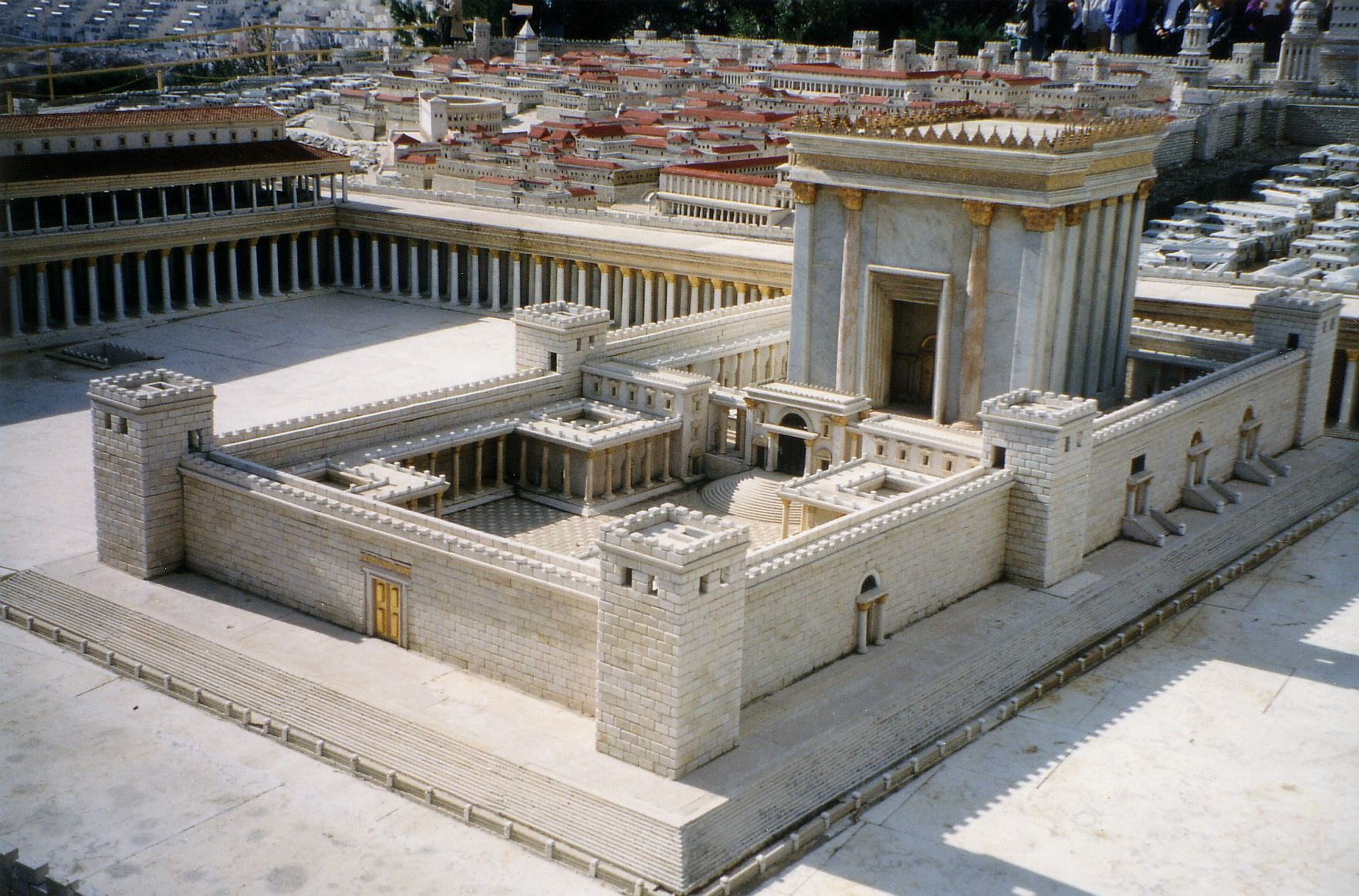
Tractate Middot (Hebrew: מִדּוֹת, lit. "Measurements") is the tenth tractate of Seder Kodashim ("Order of Holies") of the Mishnah and of the Talmud. This tractate describes the dimensions and the arrangement of the Temple Mount in Jerusalem, and the Second Temple buildings and courtyards, various gates, the altar of sacrifice and its surroundings, and the places where the Priests and Levites kept watch in the Temple.
The tractate is divided into five chapters and has no Gemara either in the Jerusalem Talmud or the Babylonian Talmud, nor a Tosefta.
This tractate describes the details and measurements of a hill in the city of Jerusalem known as the Temple Mount (Har Ha'bayit), and the Second Temple buildings, courtyards, gates and elements of the site as well as the places where the Kohanim (priests) and Levites kept watch in the Temple.
The tractate gives the measurements of the Temple Mount and its various divisions. It states that the Temple Courtyard on the mount measured 135 cubits (amot) from north to south and 187 cubits from east to west and was surrounded by walls. Towards the front of the Temple Courtyard on the mount, and surrounding the Temple building, known as the Sanctuary (Azarah), was a low fence (soreg) designating the area beyond which a non-Jew, or a Jew who was ritually impure because of contact with a corpse (tumat met), could not proceed.
The main entrance to the Temple Courtyard was in the east and the Temple Sanctuary (Azarah) stood in the Temple Courtyard. There was a large open area between the eastern gate of the Courtyard and the Sanctuary. The Sanctuary area was divided into three areas, the first upon entering the Courtyard, was the Ezrat Nashim, the Women's Court, separated from the Ezrat Yisrael, the Israelite's Court by fifteen steps and "Nicanor's Gate", then the section containing the outer Altar (Middot 5:1) and finally, the Temple building itself.
The tractate describes how the Temple was divided into three halls: the Ulam (Antechamber), the Kodesh or Heichal (Inner Sanctuary); and the Kodesh Hakedoshim, the Holy of Holies. The Kohen Gadol (high priest) entered the Holy of Holies only once a year on the holiest day of the Jewish year, Yom Kippur. During the First Temple era, the Ark of the Covenant containing the tablets of the Ten Commandments and the Torah scroll written by Moses is said to have stood in the Holy of Holies. During the Second Temple era, the Holy of Holies was empty except for the large stone called the Foundation Stone (Evven Hashtiya) on which the Ark had been placed.
The golden Altar, the Menorah, and the Shulchan (Table of the Showbread) stood in the Heichal. This was where the kohanim conducted the daily service related to these holy utensils, such as burning the daily incense offering, lighting the Menorah, and the weekly replacement of the bread.
The tractate consists of five chapters and thirty-four sections (mishnayot). It has no Gemara – rabbinical analysis and commentary on the Mishnah – in either the Jerusalem Talmud or Babylonian Talmud. There is also no Tosefta for this tractate.
Middot (Talmud)
Tractate Middot (Hebrew: מִדּוֹת, lit. "Measurements") is the tenth tractate of Seder Kodashim ("Order of Holies") of the Mishnah and of the Talmud. This tractate describes the dimensions and the arrangement of the Temple Mount in Jerusalem, and the Second Temple buildings and courtyards, various gates, the altar of sacrifice and its surroundings, and the places where the Priests and Levites kept watch in the Temple.
The tractate is divided into five chapters and has no Gemara either in the Jerusalem Talmud or the Babylonian Talmud, nor a Tosefta.
This tractate describes the details and measurements of a hill in the city of Jerusalem known as the Temple Mount (Har Ha'bayit), and the Second Temple buildings, courtyards, gates and elements of the site as well as the places where the Kohanim (priests) and Levites kept watch in the Temple.
The tractate gives the measurements of the Temple Mount and its various divisions. It states that the Temple Courtyard on the mount measured 135 cubits (amot) from north to south and 187 cubits from east to west and was surrounded by walls. Towards the front of the Temple Courtyard on the mount, and surrounding the Temple building, known as the Sanctuary (Azarah), was a low fence (soreg) designating the area beyond which a non-Jew, or a Jew who was ritually impure because of contact with a corpse (tumat met), could not proceed.
The main entrance to the Temple Courtyard was in the east and the Temple Sanctuary (Azarah) stood in the Temple Courtyard. There was a large open area between the eastern gate of the Courtyard and the Sanctuary. The Sanctuary area was divided into three areas, the first upon entering the Courtyard, was the Ezrat Nashim, the Women's Court, separated from the Ezrat Yisrael, the Israelite's Court by fifteen steps and "Nicanor's Gate", then the section containing the outer Altar (Middot 5:1) and finally, the Temple building itself.
The tractate describes how the Temple was divided into three halls: the Ulam (Antechamber), the Kodesh or Heichal (Inner Sanctuary); and the Kodesh Hakedoshim, the Holy of Holies. The Kohen Gadol (high priest) entered the Holy of Holies only once a year on the holiest day of the Jewish year, Yom Kippur. During the First Temple era, the Ark of the Covenant containing the tablets of the Ten Commandments and the Torah scroll written by Moses is said to have stood in the Holy of Holies. During the Second Temple era, the Holy of Holies was empty except for the large stone called the Foundation Stone (Evven Hashtiya) on which the Ark had been placed.
The golden Altar, the Menorah, and the Shulchan (Table of the Showbread) stood in the Heichal. This was where the kohanim conducted the daily service related to these holy utensils, such as burning the daily incense offering, lighting the Menorah, and the weekly replacement of the bread.
The tractate consists of five chapters and thirty-four sections (mishnayot). It has no Gemara – rabbinical analysis and commentary on the Mishnah – in either the Jerusalem Talmud or Babylonian Talmud. There is also no Tosefta for this tractate.
Recent media
Recent media