



Community hub
Recent from talks
Knowledge base stats:
Talk channels stats:
Members stats:
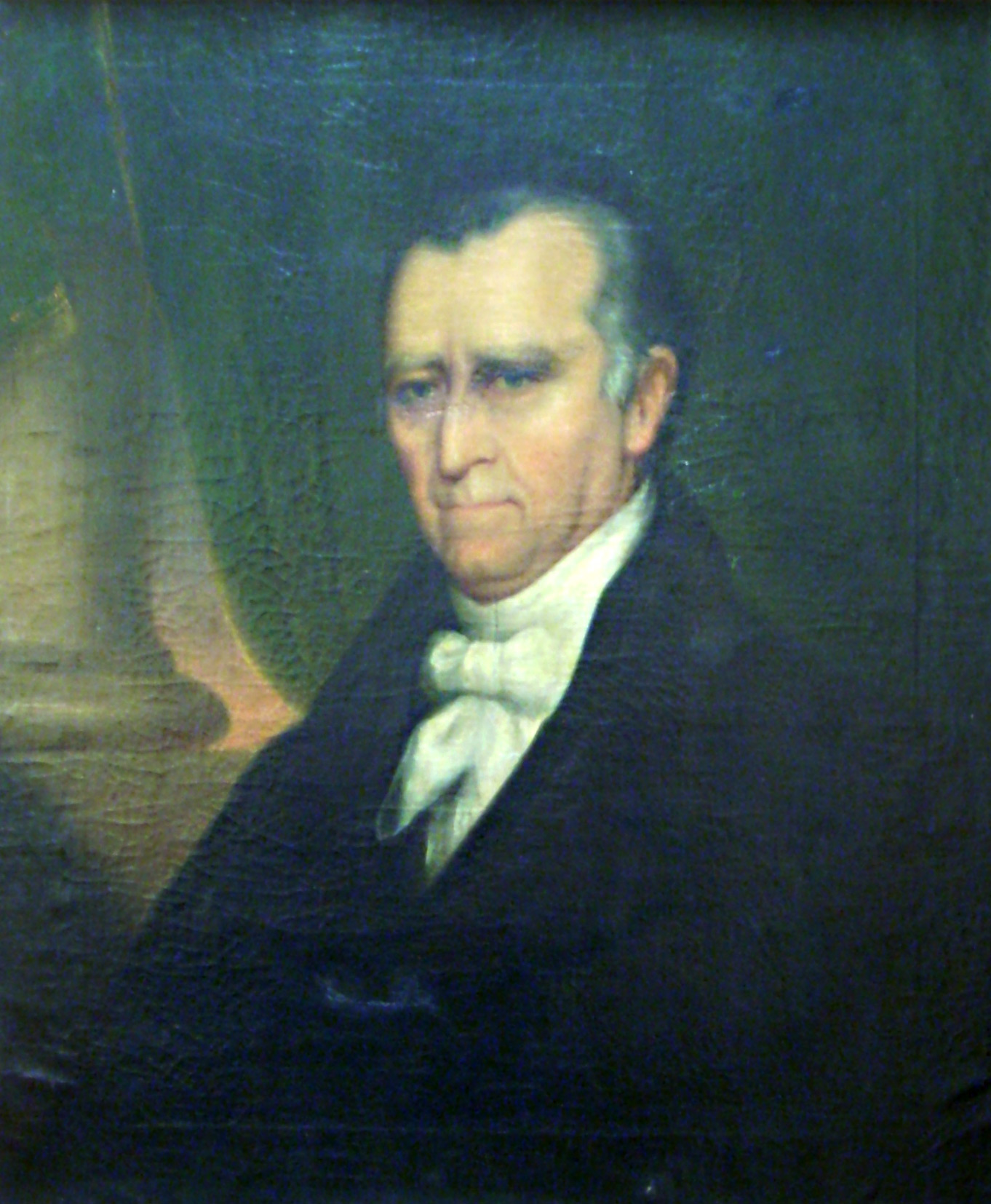
Moses Waddel
Moses Waddel (June 20, 1770 – July 21, 1840) was an American educator and minister in antebellum Georgia and South Carolina. Famous as a teacher during his life, Moses Waddel was author of the bestselling book Memoirs of the Life of Miss Caroline Elizabeth Smelt.
Born in 1770 in Rowan County, North Carolina, Waddel attended Clio's Nursery north of Statesville, North Carolina, and then went on to graduate in 1791 from Hampden–Sydney College with a Bachelor of Arts (B.A.). He was licensed to preach by the Presbytery of Hanover (of Hanover County, Virginia).
Waddel (pronounced Waddle) began his ministry in the South Carolina Lowcountry; but coming to view Charleston's sophistication as sinful, he departed for the backwoods Upcountry. In 1794, he founded his first 'log cabin academy' at Carmel near Appling in Columbia County, Georgia. In 1801 Waddel moved back across the Savannah River, to Vienna (now defunct), South Carolina, and then to Willington, where he founded the famous Willington Academy in 1804.
These college-preparatory schools trained the future elite of Georgia and South Carolina with a strict classical education, in an environment shrewdly calculated by Waddel to foster self-reliance and self-motivation. Graduates generally entered university at the junior year. The Debating Society in Augustus Baldwin Longstreet's Georgia Scenes takes place at Willington and, as written by Longstreet himself, "is as literally true as the frailty of memory would allow it to be."
In 1819, Waddel further enlarged his fame with Memoirs of the Life of Miss Caroline Elizabeth Smelt. Difficult reading today for its overwrought and pious sentimentality, Memoirs was a smash bestseller reprinted in the U.S. and Great Britain.
The 1820 United States Federal Census lists sixteen enslaved people in the household of Moses Waddel, eight females, and nine males, including nine children under the age of fourteen.
Waddel's Willington Academy was considered to be the high point of his career. It was often called 'Eton in the woods,' as a comparison to Eton College in the UK which produced the leadership of Britain. Students were required to memorize, translate, and recite 250 lines of classic Greek or Latin every night – and they did, often several times that much. Later, the record was held by SC Governor George McDuffie, who once recited 2,212 lines of Horace.
Considered the foremost educator in the South, Waddel "received an urgent and persistent invitation" to revitalize the University of Georgia (UGA) in Athens. He became the fifth president and served from 1819 until his resignation in August 1829. Waddel found the school "nearly extinct, consisting of only seven students with three professors." With great industry he scoured the state and soon built enrollment to one hundred students. He acquired money for the library, garnered state funding, and raised three new buildings: Philosophical Hall (1821), New College (1823) and Demosthenian Hall (1824). As said by Longstreet, "The effect of his coming to this Institution was magical. It rose instantly to a rank which it had never held before, and which, I am happy to add, it has maintained ever since."
Hub AI
Moses Waddel AI simulator
(@Moses Waddel_simulator)
Moses Waddel
Moses Waddel (June 20, 1770 – July 21, 1840) was an American educator and minister in antebellum Georgia and South Carolina. Famous as a teacher during his life, Moses Waddel was author of the bestselling book Memoirs of the Life of Miss Caroline Elizabeth Smelt.
Born in 1770 in Rowan County, North Carolina, Waddel attended Clio's Nursery north of Statesville, North Carolina, and then went on to graduate in 1791 from Hampden–Sydney College with a Bachelor of Arts (B.A.). He was licensed to preach by the Presbytery of Hanover (of Hanover County, Virginia).
Waddel (pronounced Waddle) began his ministry in the South Carolina Lowcountry; but coming to view Charleston's sophistication as sinful, he departed for the backwoods Upcountry. In 1794, he founded his first 'log cabin academy' at Carmel near Appling in Columbia County, Georgia. In 1801 Waddel moved back across the Savannah River, to Vienna (now defunct), South Carolina, and then to Willington, where he founded the famous Willington Academy in 1804.
These college-preparatory schools trained the future elite of Georgia and South Carolina with a strict classical education, in an environment shrewdly calculated by Waddel to foster self-reliance and self-motivation. Graduates generally entered university at the junior year. The Debating Society in Augustus Baldwin Longstreet's Georgia Scenes takes place at Willington and, as written by Longstreet himself, "is as literally true as the frailty of memory would allow it to be."
In 1819, Waddel further enlarged his fame with Memoirs of the Life of Miss Caroline Elizabeth Smelt. Difficult reading today for its overwrought and pious sentimentality, Memoirs was a smash bestseller reprinted in the U.S. and Great Britain.
The 1820 United States Federal Census lists sixteen enslaved people in the household of Moses Waddel, eight females, and nine males, including nine children under the age of fourteen.
Waddel's Willington Academy was considered to be the high point of his career. It was often called 'Eton in the woods,' as a comparison to Eton College in the UK which produced the leadership of Britain. Students were required to memorize, translate, and recite 250 lines of classic Greek or Latin every night – and they did, often several times that much. Later, the record was held by SC Governor George McDuffie, who once recited 2,212 lines of Horace.
Considered the foremost educator in the South, Waddel "received an urgent and persistent invitation" to revitalize the University of Georgia (UGA) in Athens. He became the fifth president and served from 1819 until his resignation in August 1829. Waddel found the school "nearly extinct, consisting of only seven students with three professors." With great industry he scoured the state and soon built enrollment to one hundred students. He acquired money for the library, garnered state funding, and raised three new buildings: Philosophical Hall (1821), New College (1823) and Demosthenian Hall (1824). As said by Longstreet, "The effect of his coming to this Institution was magical. It rose instantly to a rank which it had never held before, and which, I am happy to add, it has maintained ever since."