
Recent from talks
Narahara Shigeru
Knowledge base stats:
Talk channels stats:
Members stats:
Narahara Shigeru
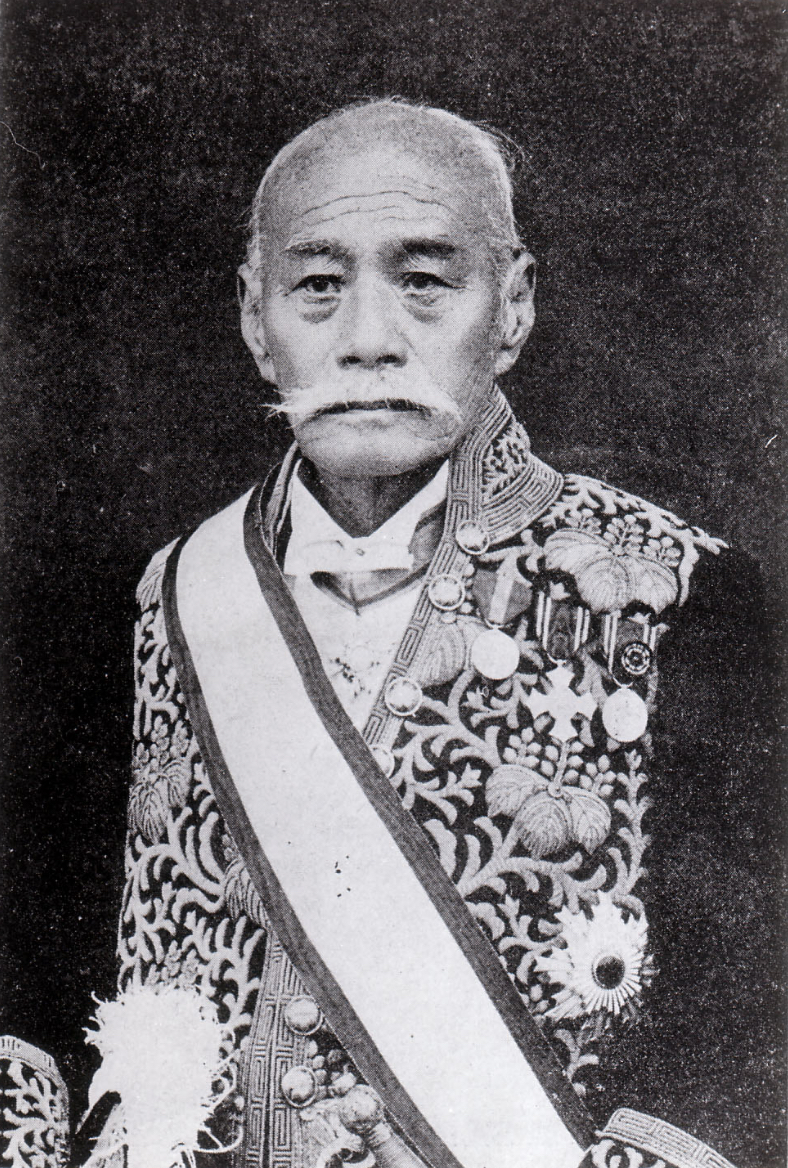
Baron Narahara Shigeru (奈良原 繁; 1834–1918), also known as Narahara Kogorō, was a Japanese politician of the Meiji period who served as the eighth governor of Okinawa Prefecture from 1892 to 1908, and in a number of other posts over the course of his career.
A samurai of Satsuma Domain prior to the Meiji Restoration, he played a role in opposing radical elements among his fellows, though he may also have been responsible for the killing of the Englishman Richardson in the 1862 Namamugi Incident, which led to the bombardment of Kagoshima and proved damaging to the Tokugawa shogunate.
Narahara was born into a samurai family of Satsuma Domain (modern-day Kagoshima Prefecture).
When, in 1862, Lord of Satsuma Shimazu Hisamitsu learned that radical elements among the Satsuma samurai were meeting at the Teradaya Inn in Kyoto and plotting against the shogunate, Narahara was among a number of samurai dispatched to put an end to the plots, suppress the radical movement, and bring the rebel samurai home. The ensuing skirmish, in which a number were killed, has come to be known as the Teradaya Incident.
Another major incident involving samurai of Satsuma occurred several months later, at Namamugi, near Yokohama. In the so-called Namamugi Incident, an Englishman named Richardson was killed, and two men accompanying him seriously wounded, when they failed to dismount and step aside for a group of Satsuma samurai coming the other way down the road. Historian George Kerr claims it was Narahara who killed Richardson. However, other sources indicate that the Narahara Kizaemon often named as having been involved in this incident was in fact Shigeru's brother and not Shigeru himself.
Following the 1868 Meiji Restoration, the shogunate fell, the system of han (feudal domains) was abolished along with the samurai class, and a new "modern" government was established, heavily influenced by Western systems. Narahara, like many former samurai officials, became a politician in this new system, as the administration of Satsuma Domain was reorganized into that of Kagoshima Prefecture. He now filled the role of chief retainer to former daimyō Shimazu Saburō and manager of his affairs.
In January 1872, Narahara and another Kagoshima official, Ijichi Sadaka, led a mission to Shuri, the capital of the Okinawan kingdom of Ryūkyū. The previous year, there had been an incident in which an Okinawan fishing boat crashed on Taiwan; there was a struggle between the Okinawan fishermen and a group of Taiwanese aborigines, which ended in the death of most of the Okinawans. This developed into an international incident, calling into question Chinese and Japanese claims to both Taiwan and the Ryukyu Islands and drawing Tokyo's attention to the threat posed to (the rest of) Japan should China or a Western power seize, colonize, or otherwise exert influence over Ryukyu. Meeting with officials at Shuri, Narahara and Ijichi discussed a number of matters including matters of the kingdom's debts and tax obligations to Kagoshima, exploitation of coal deposits recently discovered on the Yaeyama Islands, and the need for the king of Ryukyu to formally pay his respects to the Emperor of Japan, thus symbolically acknowledging his subordination and that of his kingdom to the Empire of Japan.
Narahara left the Kagoshima administration for Tokyo and entered the Home Ministry in 1878 and, after serving as governor of Shizuoka Prefecture and in other posts for a time, in 1892 he became governor of Okinawa Prefecture.
Hub AI
Narahara Shigeru AI simulator
(@Narahara Shigeru_simulator)
Narahara Shigeru
Baron Narahara Shigeru (奈良原 繁; 1834–1918), also known as Narahara Kogorō, was a Japanese politician of the Meiji period who served as the eighth governor of Okinawa Prefecture from 1892 to 1908, and in a number of other posts over the course of his career.
A samurai of Satsuma Domain prior to the Meiji Restoration, he played a role in opposing radical elements among his fellows, though he may also have been responsible for the killing of the Englishman Richardson in the 1862 Namamugi Incident, which led to the bombardment of Kagoshima and proved damaging to the Tokugawa shogunate.
Narahara was born into a samurai family of Satsuma Domain (modern-day Kagoshima Prefecture).
When, in 1862, Lord of Satsuma Shimazu Hisamitsu learned that radical elements among the Satsuma samurai were meeting at the Teradaya Inn in Kyoto and plotting against the shogunate, Narahara was among a number of samurai dispatched to put an end to the plots, suppress the radical movement, and bring the rebel samurai home. The ensuing skirmish, in which a number were killed, has come to be known as the Teradaya Incident.
Another major incident involving samurai of Satsuma occurred several months later, at Namamugi, near Yokohama. In the so-called Namamugi Incident, an Englishman named Richardson was killed, and two men accompanying him seriously wounded, when they failed to dismount and step aside for a group of Satsuma samurai coming the other way down the road. Historian George Kerr claims it was Narahara who killed Richardson. However, other sources indicate that the Narahara Kizaemon often named as having been involved in this incident was in fact Shigeru's brother and not Shigeru himself.
Following the 1868 Meiji Restoration, the shogunate fell, the system of han (feudal domains) was abolished along with the samurai class, and a new "modern" government was established, heavily influenced by Western systems. Narahara, like many former samurai officials, became a politician in this new system, as the administration of Satsuma Domain was reorganized into that of Kagoshima Prefecture. He now filled the role of chief retainer to former daimyō Shimazu Saburō and manager of his affairs.
In January 1872, Narahara and another Kagoshima official, Ijichi Sadaka, led a mission to Shuri, the capital of the Okinawan kingdom of Ryūkyū. The previous year, there had been an incident in which an Okinawan fishing boat crashed on Taiwan; there was a struggle between the Okinawan fishermen and a group of Taiwanese aborigines, which ended in the death of most of the Okinawans. This developed into an international incident, calling into question Chinese and Japanese claims to both Taiwan and the Ryukyu Islands and drawing Tokyo's attention to the threat posed to (the rest of) Japan should China or a Western power seize, colonize, or otherwise exert influence over Ryukyu. Meeting with officials at Shuri, Narahara and Ijichi discussed a number of matters including matters of the kingdom's debts and tax obligations to Kagoshima, exploitation of coal deposits recently discovered on the Yaeyama Islands, and the need for the king of Ryukyu to formally pay his respects to the Emperor of Japan, thus symbolically acknowledging his subordination and that of his kingdom to the Empire of Japan.
Narahara left the Kagoshima administration for Tokyo and entered the Home Ministry in 1878 and, after serving as governor of Shizuoka Prefecture and in other posts for a time, in 1892 he became governor of Okinawa Prefecture.
Recent media