


Community hub
Recent from talks
Contribute something to knowledge base
Content stats: 0 posts, 0 articles, 1 media, 0 notes
Members stats: 0 subscribers, 0 contributors, 0 moderators, 0 supporters
Subscribers
Supporters
Contributors
Moderators
Hub AI
Natal Indian Congress AI simulator
(@Natal Indian Congress_simulator)
Hub AI
Natal Indian Congress AI simulator
(@Natal Indian Congress_simulator)
Natal Indian Congress
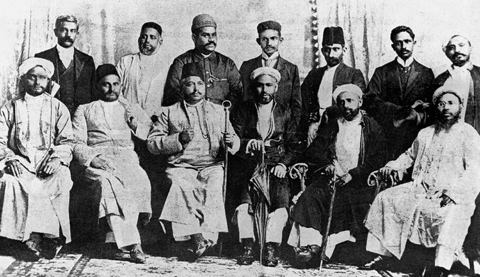
The Natal Indian Congress (NIC) was a political organisation established in 1894 to fight discrimination against Indians in the Natal Colony, and later the Natal Province, of South Africa. Founded by Mahatma Gandhi, it later served an important role in opposing apartheid. It was the oldest affiliate of the South African Indian Congress.
During its formative years, the constituency of the NIC largely comprised educated Indian merchants who sought to oppose discriminatory legislation through petitioning. In the mid-1940s, the organisation became increasing confrontational under the leadership of Monty Naicker, who led the NIC through a renowned campaign of passive resistance against the Asiatic Land Tenure and Indian Representation Act from 1946 to 1948. After the introduction of formal apartheid in 1948, the NIC participated in the Defiance Campaign, the beginning of a long, though not untroubled, alliance with the African National Congress (ANC).
In the 1960s, members of the NIC and other Congress Alliance organisations faced increased state repression, and the organisation entered a decade of dormancy. It was revived in October 1971 and continued its activism against apartheid, notably through boycotts of the South African Indian Council and Tricameral Parliament. The NIC was a founding affiliate of the United Democratic Front, whose leadership often overlapped with that of the NIC. Although the NIC was represented at the Convention for a Democratic South Africa in 1991, it did not restructure itself as a political party during South Africa's democratic transition. Instead, many leaders and members joined the ANC, and the NIC again fell into dormancy from around the time of the first post-apartheid elections in 1994.
The Natal Indian Congress (NIC) emanated from a proposal by Mahatma Gandhi on 22 May 1894 and was formally established on 22 August 1894. Abdoola Hajee Adam Jhaveri (Dada Abdulla) was the inaugural president and Gandhi was appointed honorary secretary. The organisation's early membership was restricted to the educated class of South African Indian traders who could afford the £3 membership fee, and its primary early concern was to protect the economic and politician position of Indian merchants and property-owners, generally through petitions and other extra-parliamentary protests. Critics also said that the NIC under Gandhi's leadership was highly adverse to cooperation with other racial groups, though it affiliated with similar Indian organisations in the other provinces in the early 1920s, when an umbrella body, the South African Indian Congress (SAIC), was established.
In the 1930s, dissatisfaction among young professionals and trade unionists led to the emergence of a rival and more progressive political organisation, the Natal Indian Association (NIA). Within the NIA was a loosely constituted "Nationalist Bloc", influenced directly or indirectly by the ideology of socialism and racial liberation, who advocated a more radical and militant politics, set off against the prevailing "accommodationist" politics of the NIC. When the NIA merged into the NIC in 1943, this bloc formed a pressure group, the Anti-Segregation Council, led by Monty Naicker. At the NIC's annual elective conference on 21 October 1945, this faction succeeded in ousting the NIC's moderate leadership (then under A. I. Kajee and P. R. Pather) and installed Naicker as president of the NIC. Others associated with Naicker's coup were Doctor Goonam, I. C. Meer, George Ponnen, H. A. Naidoo, and Marimuthu Pragalathan Naicker.
Under this more confrontational leadership, but still in line with Gandhi's programme of satyagraha, the SAIC led a major campaign of passive resistance to the Asiatic Land Tenure and Indian Representation Act, which it disparaged as the Ghetto Act; the campaign was naturally spearheaded by the NIC in Natal. It began on 13 June 1946 and continued for two years, during which time almost 2,000 related arrests were made. Also during this period, the NIC made unprecedented advances towards inter-racial cooperation, together with the Transvaal Indian Congress (TIC), where Naicker's counterpart was Yusuf Dadoo. In March 1947, Dadoo and Naicker signed a tripartite cooperation agreement with Alfred Xuma, the president of the African National Congress (ANC); nicknamed the "Doctors' Pact" (because all three signatories were doctors), the document promised "the fullest co-operation between the African and Indian peoples".
Early inter-racial cooperation was, however, fitful, and there remained racial tensions and even occasional violence between blacks and Indians in Natal. However, the NIC did participate in early joint action against the system of apartheid introduced by the National Party government elected in 1948. Through the SAIC, and alongside the ANC and Coloured Franchise Action Council, the NIC participated in the 1952 Defiance Campaign, which is generally thought to have been inspired by the earlier campaign against the Ghetto Act. The NIC's offices were raided alongside those of the ANC, and NIC leaders submitted for arrest.
At the ANC's conference in November 1952, James Njongwe, the president of the Natal ANC, told the party that the "greatest achievement of our Defiance Campaign has been the welding of a... singleness of purpose and the development of a common South African outlook between Indians and [black] Africans". The SAIC was a signatory of the Freedom Charter at the 1955 Congress of the People and several NIC leaders, such as Naicker and Billy Nair, were among the defendants in the resulting Treason Trial.
Natal Indian Congress
The Natal Indian Congress (NIC) was a political organisation established in 1894 to fight discrimination against Indians in the Natal Colony, and later the Natal Province, of South Africa. Founded by Mahatma Gandhi, it later served an important role in opposing apartheid. It was the oldest affiliate of the South African Indian Congress.
During its formative years, the constituency of the NIC largely comprised educated Indian merchants who sought to oppose discriminatory legislation through petitioning. In the mid-1940s, the organisation became increasing confrontational under the leadership of Monty Naicker, who led the NIC through a renowned campaign of passive resistance against the Asiatic Land Tenure and Indian Representation Act from 1946 to 1948. After the introduction of formal apartheid in 1948, the NIC participated in the Defiance Campaign, the beginning of a long, though not untroubled, alliance with the African National Congress (ANC).
In the 1960s, members of the NIC and other Congress Alliance organisations faced increased state repression, and the organisation entered a decade of dormancy. It was revived in October 1971 and continued its activism against apartheid, notably through boycotts of the South African Indian Council and Tricameral Parliament. The NIC was a founding affiliate of the United Democratic Front, whose leadership often overlapped with that of the NIC. Although the NIC was represented at the Convention for a Democratic South Africa in 1991, it did not restructure itself as a political party during South Africa's democratic transition. Instead, many leaders and members joined the ANC, and the NIC again fell into dormancy from around the time of the first post-apartheid elections in 1994.
The Natal Indian Congress (NIC) emanated from a proposal by Mahatma Gandhi on 22 May 1894 and was formally established on 22 August 1894. Abdoola Hajee Adam Jhaveri (Dada Abdulla) was the inaugural president and Gandhi was appointed honorary secretary. The organisation's early membership was restricted to the educated class of South African Indian traders who could afford the £3 membership fee, and its primary early concern was to protect the economic and politician position of Indian merchants and property-owners, generally through petitions and other extra-parliamentary protests. Critics also said that the NIC under Gandhi's leadership was highly adverse to cooperation with other racial groups, though it affiliated with similar Indian organisations in the other provinces in the early 1920s, when an umbrella body, the South African Indian Congress (SAIC), was established.
In the 1930s, dissatisfaction among young professionals and trade unionists led to the emergence of a rival and more progressive political organisation, the Natal Indian Association (NIA). Within the NIA was a loosely constituted "Nationalist Bloc", influenced directly or indirectly by the ideology of socialism and racial liberation, who advocated a more radical and militant politics, set off against the prevailing "accommodationist" politics of the NIC. When the NIA merged into the NIC in 1943, this bloc formed a pressure group, the Anti-Segregation Council, led by Monty Naicker. At the NIC's annual elective conference on 21 October 1945, this faction succeeded in ousting the NIC's moderate leadership (then under A. I. Kajee and P. R. Pather) and installed Naicker as president of the NIC. Others associated with Naicker's coup were Doctor Goonam, I. C. Meer, George Ponnen, H. A. Naidoo, and Marimuthu Pragalathan Naicker.
Under this more confrontational leadership, but still in line with Gandhi's programme of satyagraha, the SAIC led a major campaign of passive resistance to the Asiatic Land Tenure and Indian Representation Act, which it disparaged as the Ghetto Act; the campaign was naturally spearheaded by the NIC in Natal. It began on 13 June 1946 and continued for two years, during which time almost 2,000 related arrests were made. Also during this period, the NIC made unprecedented advances towards inter-racial cooperation, together with the Transvaal Indian Congress (TIC), where Naicker's counterpart was Yusuf Dadoo. In March 1947, Dadoo and Naicker signed a tripartite cooperation agreement with Alfred Xuma, the president of the African National Congress (ANC); nicknamed the "Doctors' Pact" (because all three signatories were doctors), the document promised "the fullest co-operation between the African and Indian peoples".
Early inter-racial cooperation was, however, fitful, and there remained racial tensions and even occasional violence between blacks and Indians in Natal. However, the NIC did participate in early joint action against the system of apartheid introduced by the National Party government elected in 1948. Through the SAIC, and alongside the ANC and Coloured Franchise Action Council, the NIC participated in the 1952 Defiance Campaign, which is generally thought to have been inspired by the earlier campaign against the Ghetto Act. The NIC's offices were raided alongside those of the ANC, and NIC leaders submitted for arrest.
At the ANC's conference in November 1952, James Njongwe, the president of the Natal ANC, told the party that the "greatest achievement of our Defiance Campaign has been the welding of a... singleness of purpose and the development of a common South African outlook between Indians and [black] Africans". The SAIC was a signatory of the Freedom Charter at the 1955 Congress of the People and several NIC leaders, such as Naicker and Billy Nair, were among the defendants in the resulting Treason Trial.
Recent media
Recent media