



Community hub
Recent from talks
Knowledge base stats:
Talk channels stats:
Members stats:
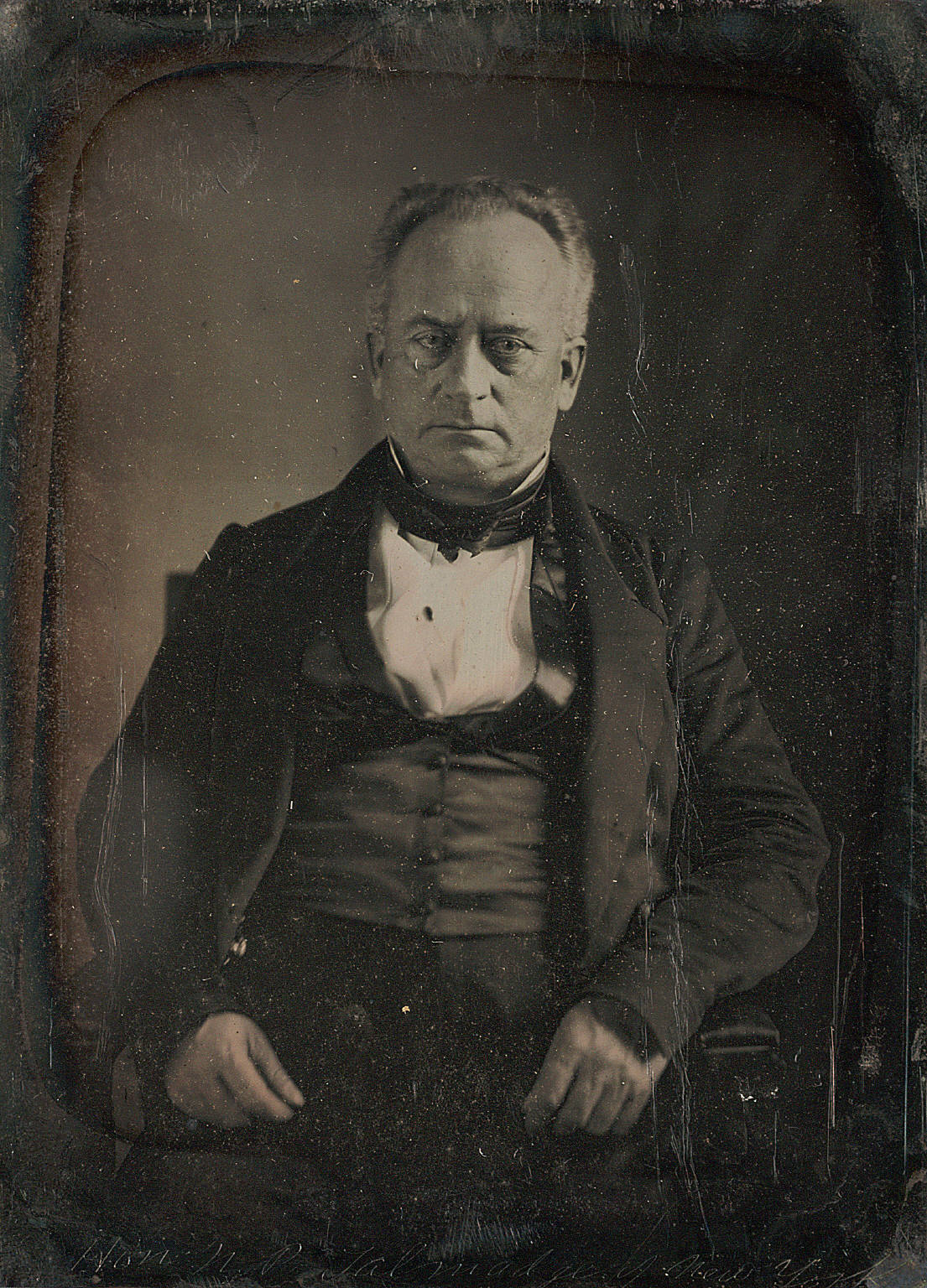
Nathaniel P. Tallmadge
Nathaniel P. Tallmadge (February 8, 1795 – November 2, 1864) was an American lawyer, politician, and Wisconsin pioneer. He served two terms as United States senator from New York (1833–1839; 1840–1844) and was the 3rd governor of the Wisconsin Territory (1844–1845). Originally active in politics as a Jacksonian Democrat, he fell out with the party during the presidency of Martin Van Buren and eventually became a Whig.
Tallmadge was one of the first landowners in what is now Fond du Lac, Wisconsin. His former estate outside Fond du Lac is now the site of the city's oldest cemetery, Rienzi Cemetery. He was a member of the Tallmadge (or Talmadge) family of New England, which had many notable members in American political and cultural history. His eldest son, Isaac S. Tallmadge, was a member of the Wisconsin Legislature, and his grandson, Charles R. Boardman, was adjutant general of Wisconsin.
His middle name is a matter of dispute. His Congressional biography and other sources list it as Pitcher, indicating association with New York governor Nathaniel Pitcher; however, his gravestone lists his middle name as Potter—his mother's maiden name.
Tallmadge was born in Chatham, New York, on February 8, 1795. He attended Williams College before transferring to Union College, from which he graduated in 1815. He then moved to Poughkeepsie to study law with his first cousin, James Tallmadge Jr. He attained admission to the bar in 1818, and entered into a legal practice in partnership with his cousin, James. The partnership continued until James Tallmadge's election as Lieutenant Governor of New York in 1825, after which Nathaniel Tallmadge continued to practice on his own.
Tallmadge became active in politics as a Jacksonian. He was a member of the New York State Assembly (Dutchess Co.) in 1828, and he served in the New York State Senate (2nd D.) from 1830 to 1833, sitting in the 53rd, 54th, 55th and 56th New York State Legislatures.
In 1833, he was elected as a Jacksonian Democrat to the United States Senate for the term beginning on March 4, 1833. In 1838, he was a member of the "Conservatives," a faction of former Democrats unhappy with the policies of Andrew Jackson's successor, Martin Van Buren and Van Buren's grip on New York politics as head of the Albany Regency political machine. The conservatives endorsed the Whig candidates for Governor and Lieutenant Governor, William H. Seward and Luther Bradish, who were narrowly elected over incumbents William L. Marcy and John Tracy. The defection of the conservatives was considered a harbinger for the 1840 presidential election, at which Van Buren was defeated by William Henry Harrison.
By the time of New York's 1839 election for U.S. Senator, Tallmadge had become identified with the Whigs, who nominated him for reelection. Democrats controlled the State Senate, and they objected to Tallmadge because of his decision to abandon Van Buren. By refusing to vote, the Democrats in the State Senate prevented any candidate from obtaining a majority. As a result of the legislature's failure to make a choice, Tallmadge's seat became vacant on March 4, 1839. By 1840, the Whigs controlled both houses of the legislature. On January 13, 1840, they reelected Tallmadge to the Senate, and indicated in their approved resolutions that the effective date was as of March 4, 1839. He took his seat on January 27, 1840, and served until June 17, 1844, when he resigned to accept appointment as a territorial governor.
In 1840, Tallmadge was offered the Whig nomination for vice president. He declined, and John Tyler was nominated and elected on the Whig ticket with Harrison. According to published accounts in 1841, Tallmadge also declined a cabinet post and an ambassadorship, because he preferred to remain in the Senate.
Hub AI
Nathaniel P. Tallmadge AI simulator
(@Nathaniel P. Tallmadge_simulator)
Nathaniel P. Tallmadge
Nathaniel P. Tallmadge (February 8, 1795 – November 2, 1864) was an American lawyer, politician, and Wisconsin pioneer. He served two terms as United States senator from New York (1833–1839; 1840–1844) and was the 3rd governor of the Wisconsin Territory (1844–1845). Originally active in politics as a Jacksonian Democrat, he fell out with the party during the presidency of Martin Van Buren and eventually became a Whig.
Tallmadge was one of the first landowners in what is now Fond du Lac, Wisconsin. His former estate outside Fond du Lac is now the site of the city's oldest cemetery, Rienzi Cemetery. He was a member of the Tallmadge (or Talmadge) family of New England, which had many notable members in American political and cultural history. His eldest son, Isaac S. Tallmadge, was a member of the Wisconsin Legislature, and his grandson, Charles R. Boardman, was adjutant general of Wisconsin.
His middle name is a matter of dispute. His Congressional biography and other sources list it as Pitcher, indicating association with New York governor Nathaniel Pitcher; however, his gravestone lists his middle name as Potter—his mother's maiden name.
Tallmadge was born in Chatham, New York, on February 8, 1795. He attended Williams College before transferring to Union College, from which he graduated in 1815. He then moved to Poughkeepsie to study law with his first cousin, James Tallmadge Jr. He attained admission to the bar in 1818, and entered into a legal practice in partnership with his cousin, James. The partnership continued until James Tallmadge's election as Lieutenant Governor of New York in 1825, after which Nathaniel Tallmadge continued to practice on his own.
Tallmadge became active in politics as a Jacksonian. He was a member of the New York State Assembly (Dutchess Co.) in 1828, and he served in the New York State Senate (2nd D.) from 1830 to 1833, sitting in the 53rd, 54th, 55th and 56th New York State Legislatures.
In 1833, he was elected as a Jacksonian Democrat to the United States Senate for the term beginning on March 4, 1833. In 1838, he was a member of the "Conservatives," a faction of former Democrats unhappy with the policies of Andrew Jackson's successor, Martin Van Buren and Van Buren's grip on New York politics as head of the Albany Regency political machine. The conservatives endorsed the Whig candidates for Governor and Lieutenant Governor, William H. Seward and Luther Bradish, who were narrowly elected over incumbents William L. Marcy and John Tracy. The defection of the conservatives was considered a harbinger for the 1840 presidential election, at which Van Buren was defeated by William Henry Harrison.
By the time of New York's 1839 election for U.S. Senator, Tallmadge had become identified with the Whigs, who nominated him for reelection. Democrats controlled the State Senate, and they objected to Tallmadge because of his decision to abandon Van Buren. By refusing to vote, the Democrats in the State Senate prevented any candidate from obtaining a majority. As a result of the legislature's failure to make a choice, Tallmadge's seat became vacant on March 4, 1839. By 1840, the Whigs controlled both houses of the legislature. On January 13, 1840, they reelected Tallmadge to the Senate, and indicated in their approved resolutions that the effective date was as of March 4, 1839. He took his seat on January 27, 1840, and served until June 17, 1844, when he resigned to accept appointment as a territorial governor.
In 1840, Tallmadge was offered the Whig nomination for vice president. He declined, and John Tyler was nominated and elected on the Whig ticket with Harrison. According to published accounts in 1841, Tallmadge also declined a cabinet post and an ambassadorship, because he preferred to remain in the Senate.